

Smell of death, bodies in the streets: Fleeing Ukrainians recount ‘hell’ in Mariupol
Refugees from besieged city say Russians are strangling the life out of it, with corpses lying outside for days and freezing residents forced to melt snow for water
 Add ToI as a Preferred Source on Google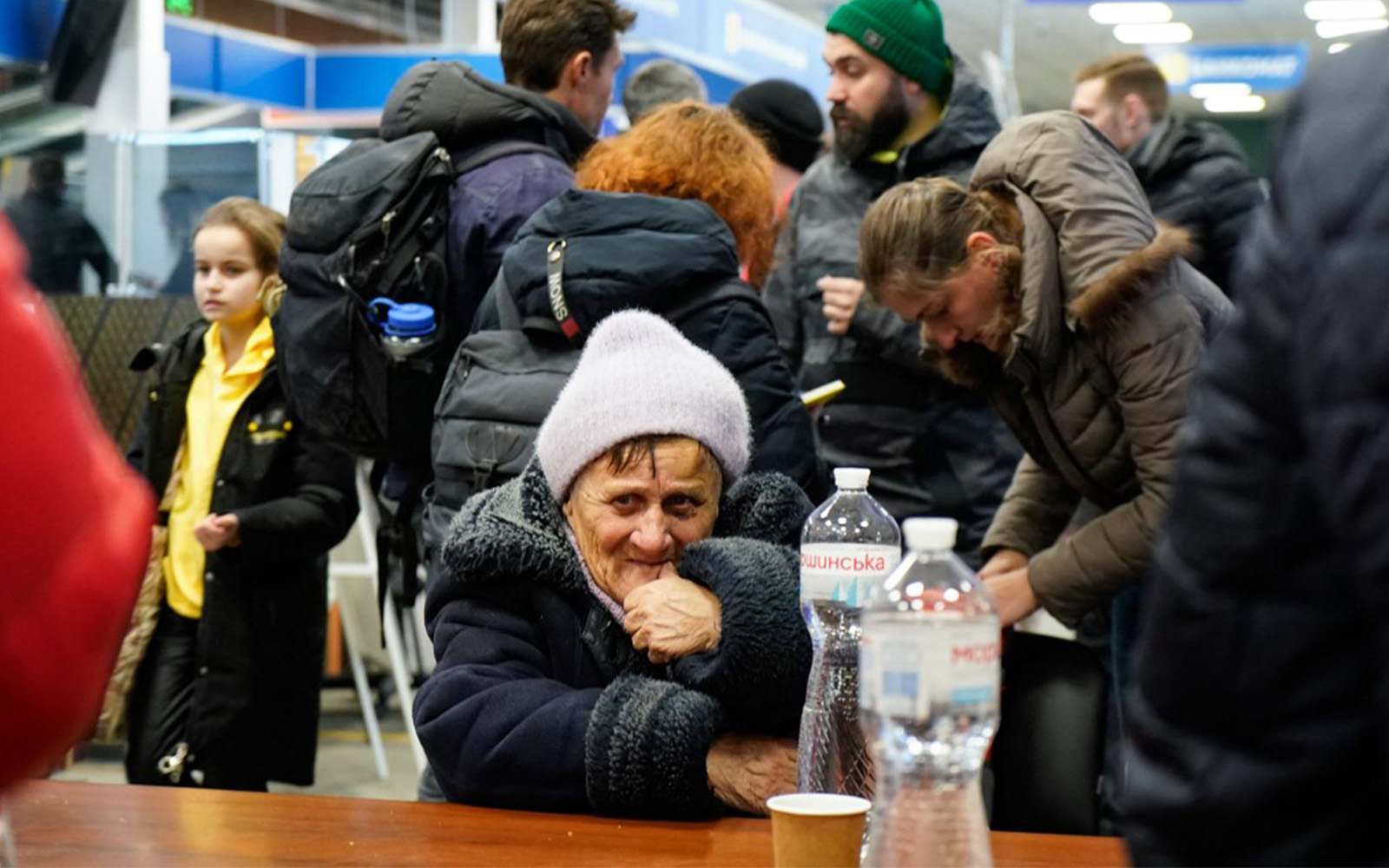
AFP — Fleeing Ukrainian families have described the “hell” they left behind in the besieged city of Mariupol, of seeing corpses in the streets and of sleeping in sub-zero temperatures, hiding in cellars.
Shelled relentlessly by Russian forces, they said they were forced to melt snow for drinking water and cook food scraps on open fires with food, water, and power supplies cut off.
“They fire so many rockets,” Tamara Kavunenko, 58, told AFP, one of more than 4,300 Mariupol residents who escaped to Ukraine’s central city of Zaporizhzhia this week.
“In the streets, there are the bodies of many dead civilians,” she said.
“When the snow came, we collected it and melted it for water. When it didn’t, we boiled water from the river to drink,” Kavunenko added.
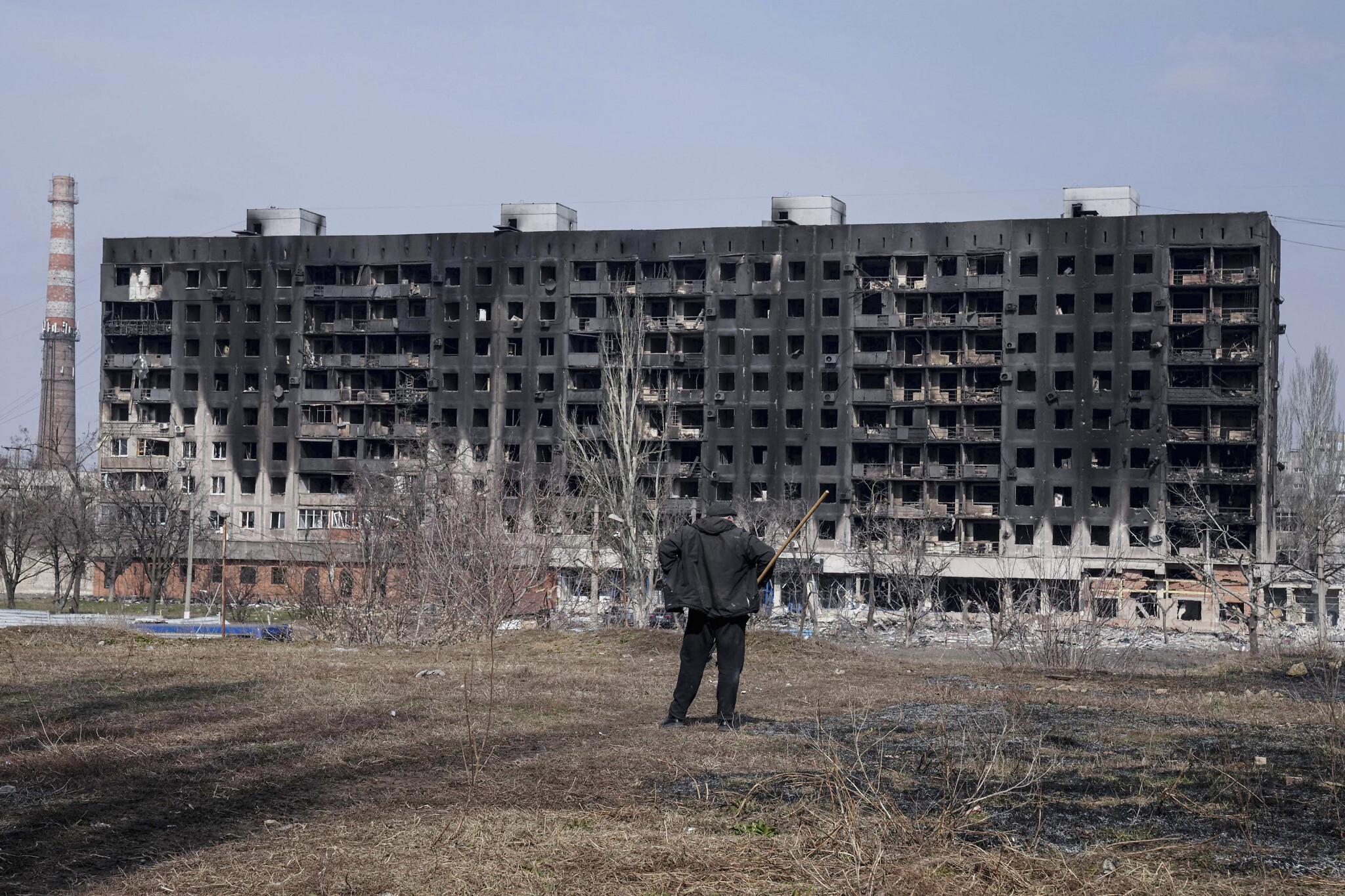
“It’s not Mariupol anymore. It is hell.”
Ukraine says more than 2,000 people have died so far in the city, a key strategic target for Moscow, potentially linking Russian forces in Crimea to the west and the Donbas to the east, while cutting off Ukrainian access to the Sea of Azov.
On Thursday, Ukraine accused Russia of bombing a theater in the port city where hundreds were taking shelter, despite a sign saying “DETI” — or children in Russian — etched out in the ground in huge letters on either side of the building.
Around 6,500 cars left over the last two days, Mariupol mayor Vadim Boychenko said on Telegram overnight Wednesday to Thursday.
Many of them escaped by chance amid a communications blackout.
In the building of a Soviet-era circus in Zaporizhzhia, Red Cross volunteers wait for evacuees. Piles of children’s shoes and blankets are stacked on the floor.
Dima, his nails overgrown and hands black with dirt, told AFP he had not washed in two weeks. He looted shops for food to feed his children and grandparents, he said.
“We lived underground and if it was minus four degrees celsius it was a good temperature,” he said, lifting his leg to show that he is wearing three pairs of trousers for warmth.
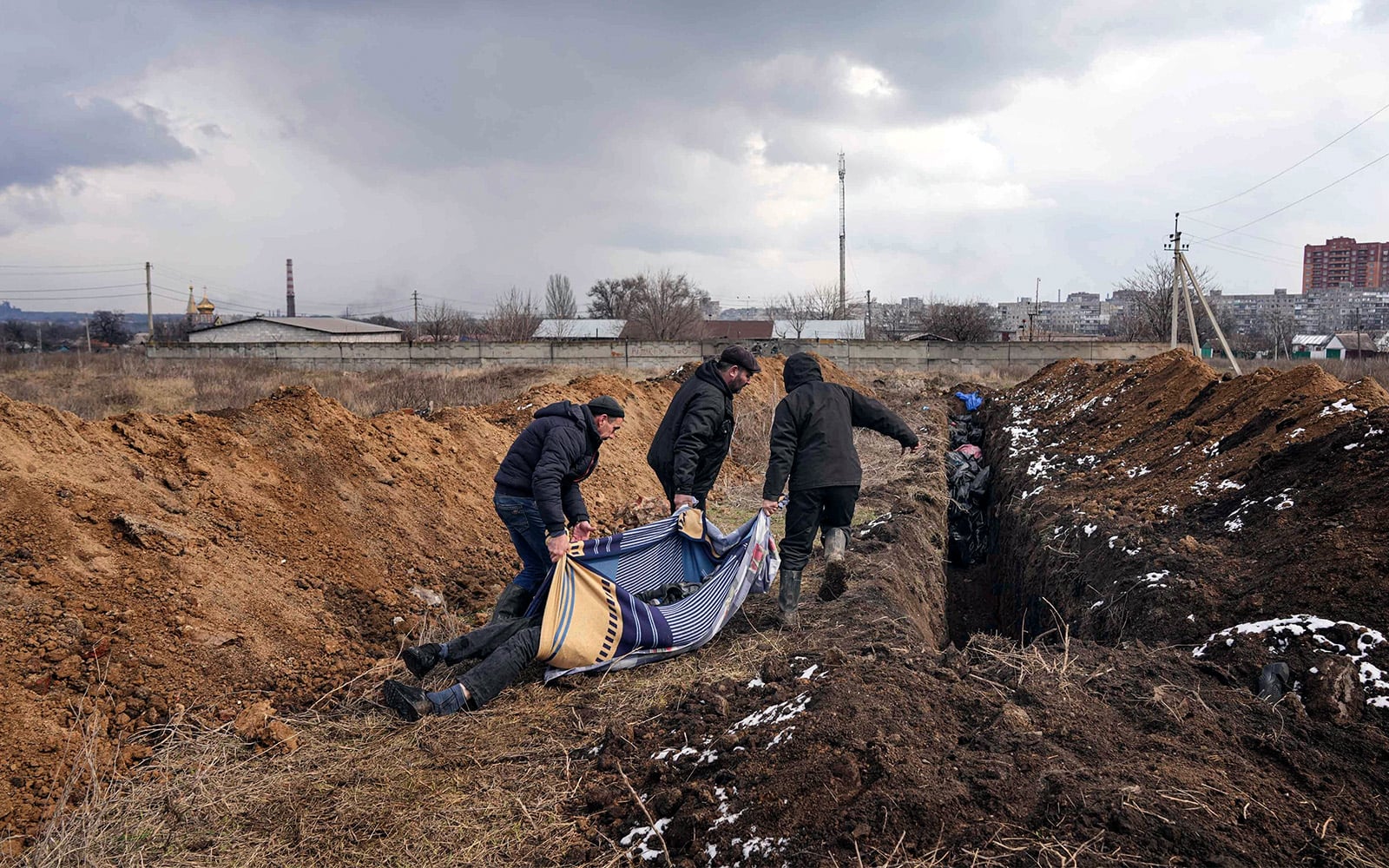
“Sometimes bodies are in the street for three days,” he said. “The smell is in the air and you don’t want your children to smell it.”
He arrived in Zaporizhzhia with his wife and two young children on Tuesday, he told AFP, on what he said was his third attempt to leave.
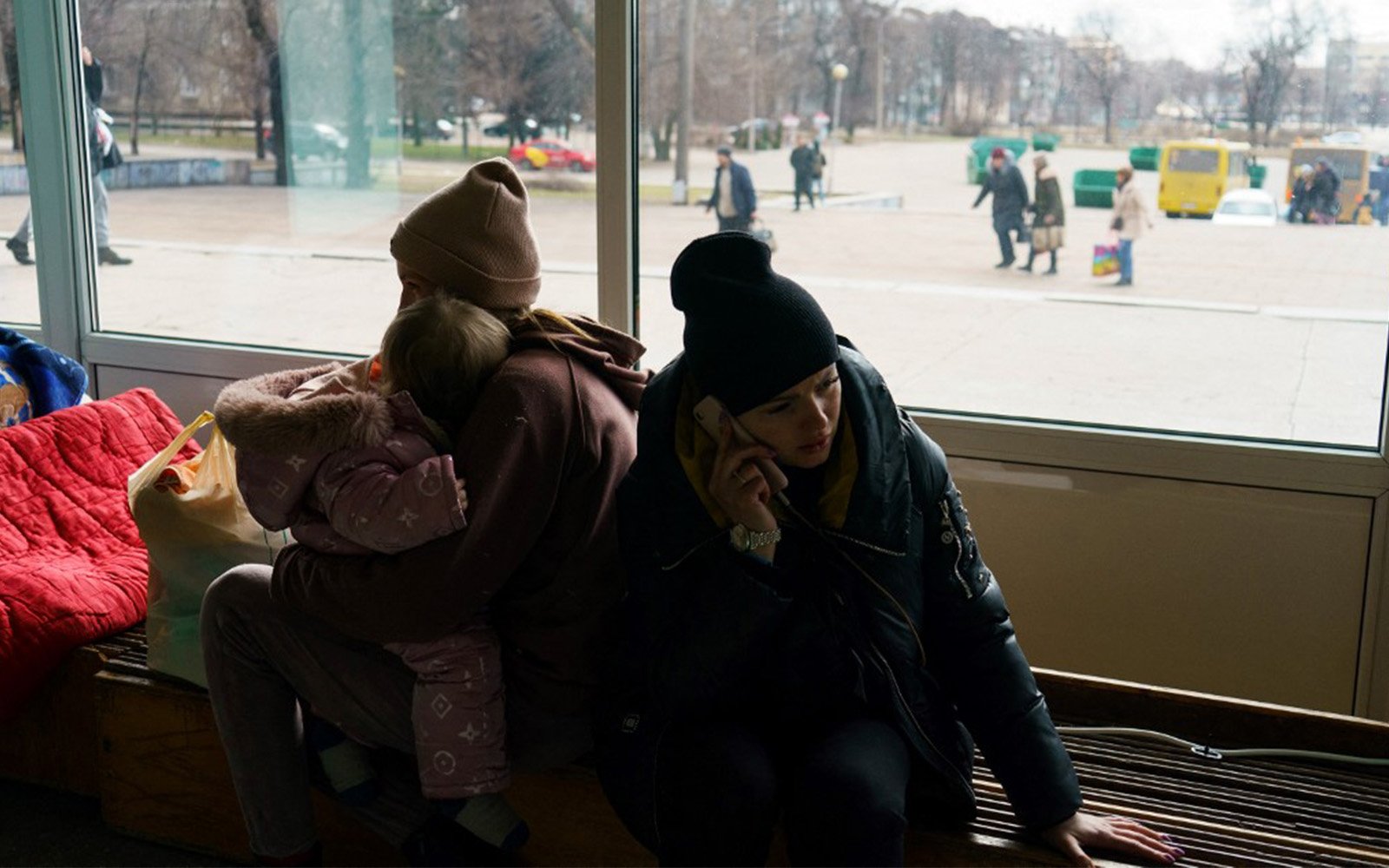
Daria, another civilian who fled, said she lived in the cellar of her building with her baby daughter for 10 days.
“Every day, it got worse and worse,” she said, cradling her baby on her lap.
“We were left without light, without water, without gas, without means to exist. It was impossible to buy anything anywhere,” she added.
Marina, a Red Cross volunteer in Zaporizhzhia, said the fleeing residents arrived in a terrible state.
“They [were] tired, sick, in tears,” she said. The shopping center offers them shelter and the possibility of a shower.
“We take care of them,” she said. “Everything is provided for them.”
The only escape route is by private car. Many said they were unable to leave shelters due to sustained attacks and, with no phone or internet connection, found safe passage by chance.
For some, the drive to Zaporizhzhia — which usually takes around three to four hours — took a day and a half.
One father of two said he had turned the radio on and managed to find a weak connection, where he heard news of the corridor.
Clutching his young son, Dmitry said they spent “nine or 10 days” hiding in the theater — that Ukraine later said was destroyed by Russian forces — after their house collapsed.





The Times of Israel Community.