

‘Things can’t get any worse’: Iranian expats in Israel celebrate Khamenei’s downfall
Some express fears of a power vacuum and potential violence against Iran’s Jews after the US-Israel strike, but say news of the supreme leader’s death is like a dream
 Add ToI as a Preferred Source on Google
Zev Stub is the Times of Israel's Diaspora Affairs correspondent.
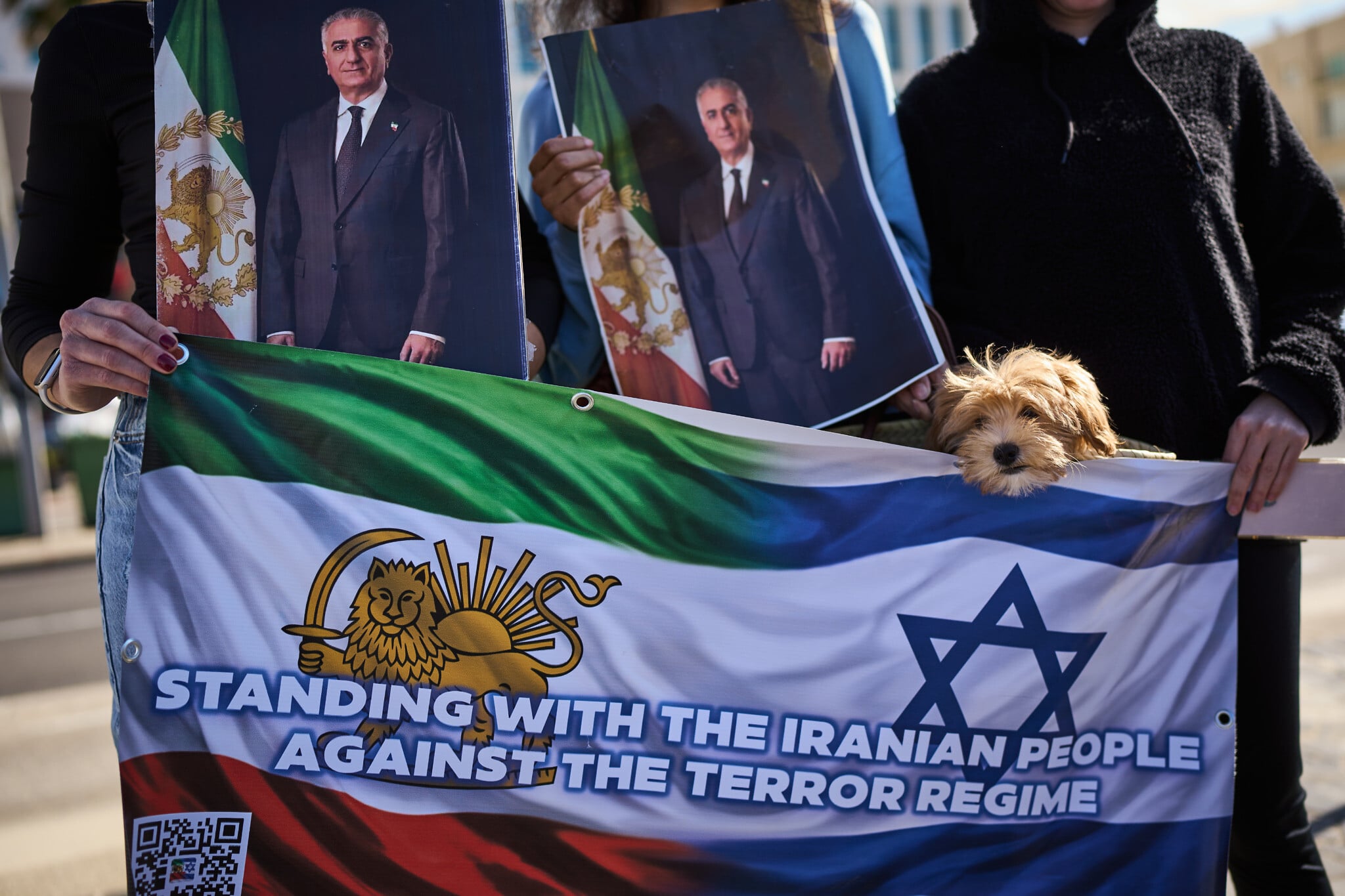
Expat Iranians in Israel expressed overwhelming happiness over the death of Iranian Supreme Leader Ayatollah Ali Khamenei after he was killed in American-Israeli strikes on Saturday morning.
Yasmin Shalom Mottahedeh, an activist who left Iran in 1990, painted a picture of a nation celebrating a new future.
“I’ve been in touch with many friends inside Iran, and everyone is very happy,” she said. “No one sounds worried about the future, because things can’t get any worse than they were.”
The Islamic Republic regime has ruined the country’s culture and economy, and doesn’t represent the nation, Mottahedeh said. “This is a nation with civilization and culture, and the people have never accepted the regime,” she said.
Mottahedeh said everyone she knows in Iran was out celebrating the news on Saturday evening. “The only people who are unhappy are the ones who were supported by the regime, and whose livelihoods are now in danger.”
Some expressed worry, however, that Israel and the US might leave the country in chaos if they don’t ensure that the 47-year-old theocratic regime is replaced with a stable democratic government in the future.
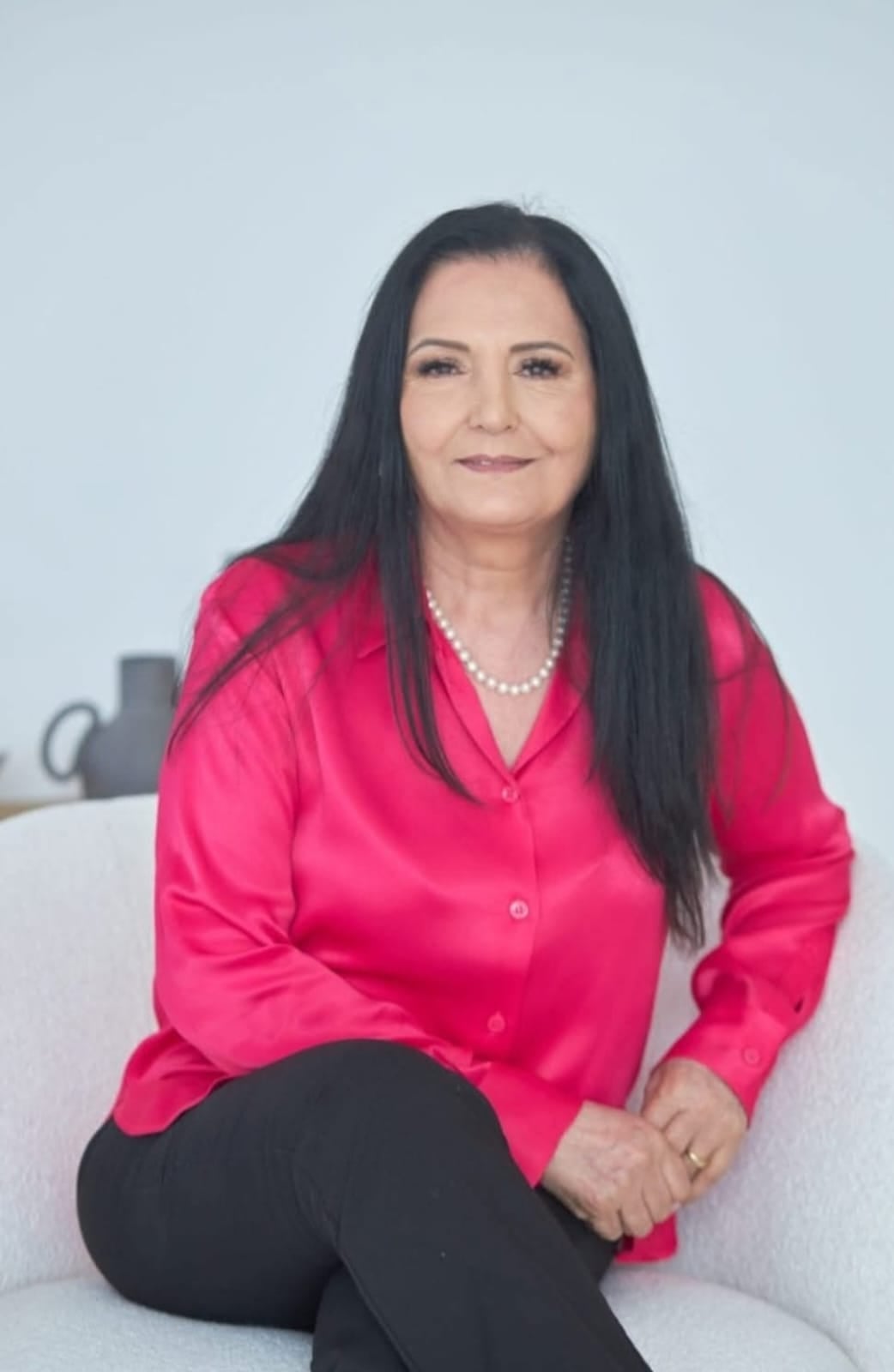
“The news coming out of Iran is like a dream you don’t want to wake up from,” said Dana Sameah, an independent researcher on Iranian society and founder of the Iranian Film Festival held last year in southern Israel. “The regime was a heavyweight on the entire Middle East, and this will provide a huge relief for everyone, not just Iran and Israel.”
Born in Beersheba to Iranian immigrants who arrived in 1978 and met at the city’s absorption center, Sameah said she developed a deep, complex love for Iran while studying in university. The film festival she organized last November in Sderot struck a chord with many as it sought to present many aspects of Iranian culture to Israelis for the first time.
“Our cultures have a lot in common,” she said.
Sameah said she feels a great relief after Khamenei was killed, but also a growing sense of apprehension.
“There’s a danger of things getting worse,” she said. “It’s a big, complex country with a lot of minorities that want to pull it in different directions. Building a democracy there isn’t going to be easy.”

She also expressed fears that the country’s Jewish community of some 10,000 could be targeted by Khamenei loyalists.
“Jews are always under close watch, and it is very possible that the 15% or so of Iranian society that supported him could attack Jews spontaneously,” Sameah said.
“It’s very easy to blame the Jews in Iran,” she noted, adding that Jews generally avoided taking part in the January 2026 protests against the regime for fear of reprisals. “They always have to be careful.”
Mottahedeh disagreed with Sameah’s portrayal of Iran’s Jews, saying they were unlikely to be targeted in the aftermath of the strike.
Because contact between Iran’s Jewish community and the outside world has been so sparse and subject to misinformation, very different pictures of the community’s level of safety and acceptance in society have emerged over the years, experts have said.
Prior to the Islamic Revolution in 1979, there were some 100,000 Jews in the country, compared to around 10,000 today. That still makes it the second-largest Jewish population of any country in the Middle East, after Israel.
Local tradition has it that the heroes of the story of the Purim holiday, Mordechai and Esther, are buried in a tomb in the city of Hamadan, said to be the ancient city of Shushan. However, that legend is generally not accepted outside the Iranian community.
Make the Mideast great again
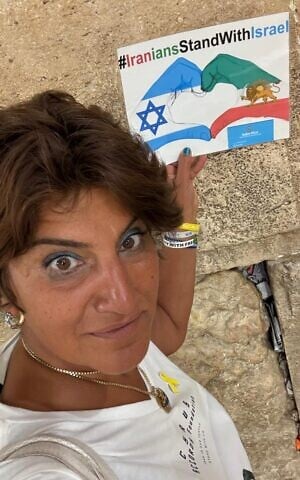
Saba Khoi, an Iranian-British journalist and researcher, was unabashed in her excitement over the news of Khamenei’s death.
“I’m so happy,” she exclaimed. “We have to thank Israel’s government, the IDF, the US, Donald Trump — everybody who made this happen.”
Khoi, who is based in London but has been living in Israel for several months, is the founder of the Cyrus Accords Foundation, which works to build bridges between Muslims and Jews.
She expressed optimism that a national “Lion and Sun” revolution, led by crown prince in exile Reza Pahlavi, alongside a secular government, could restore Iran’s national sovereignty and connection with the free world.
“Now, we need to do everything to support Israelis and Iranians working together,” she said. “We have so much in common. Together, we can make the Middle East great again.”









The Times of Israel Community.