

As hostage-deal lobby disbands, a new group forms to home in on long road to recovery
With almost everyone out of Gaza, “255 – The Hostages and Their Families Organization” takes up mission of addressing unmet needs of those abductedon October 7 and their families
 Add ToI as a Preferred Source on Google
Jessica Steinberg, The Times of Israel's culture and lifestyles editor, covers the Sabra scene from south to north and back to the center
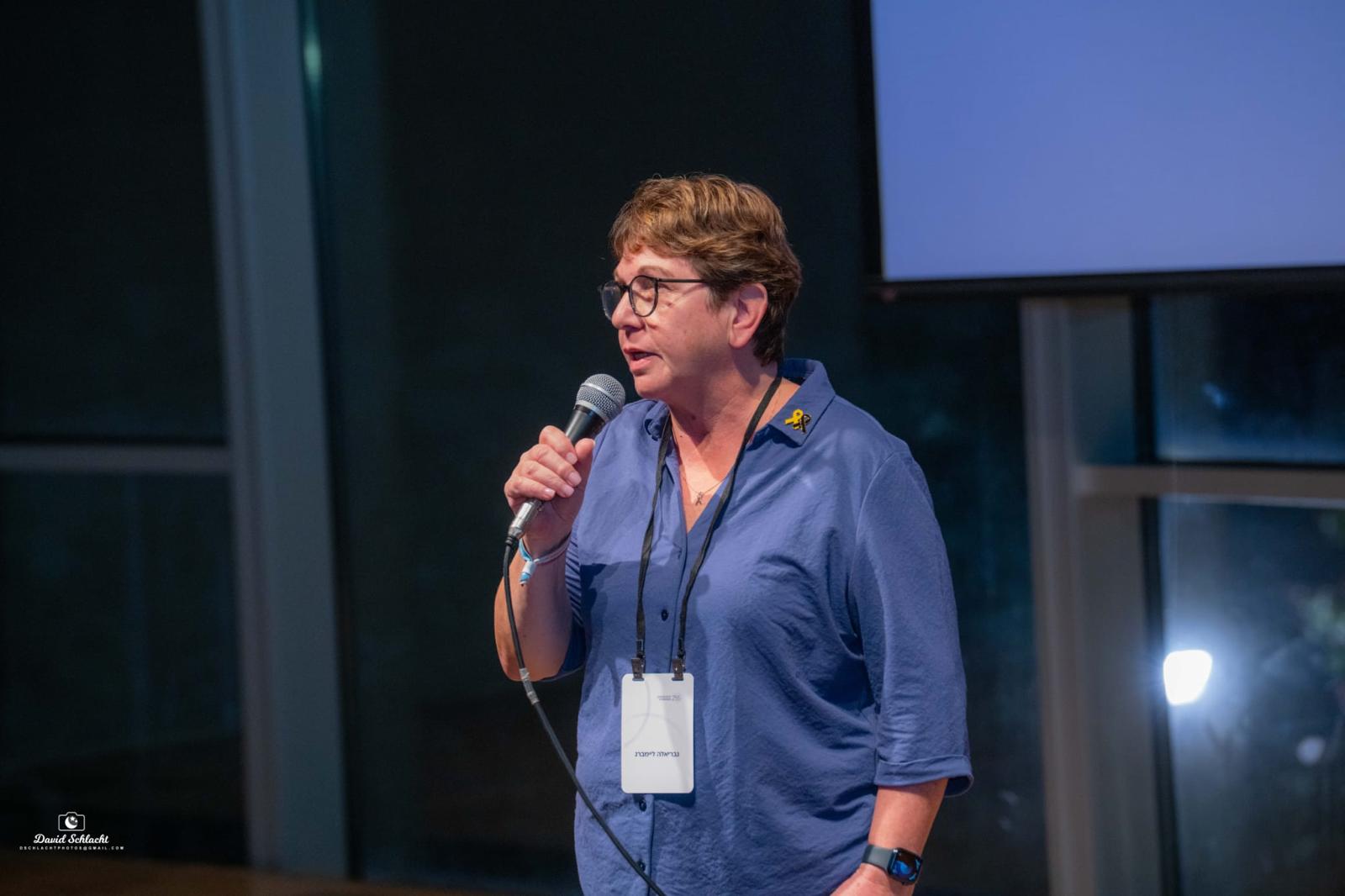
Gabriela Leimberg still hasn’t gone back to work.
Over 820 days ago, the Jerusalem social psychologist was one of 251 people taken hostage during the Hamas-led onslaught of October 7, 2023. In late November of that year, she was freed, along with dozens of other women, elderly, and children let go in an initial week-long ceasefire.
Like Leimberg, many of the 173 hostages who returned to Israel alive have struggled since to find a way forward, seeking to put the trauma behind them even as they continue to advocate for the release of the last remaining hostage held in Gaza, slain police officer Ran Gvili.
“This reality is for a long time, this story of ours isn’t over,” Leimberg, who worked with special needs adults before her abduction, told The Times of Israel. “Something happened to us, a one-time event that should never happen again, and it created a new category of society that needs a body that supports us.”
After being released, Leimberg joined the hostage advocacy movement, understanding that being with other hostages’ families provided a sense of power and community.
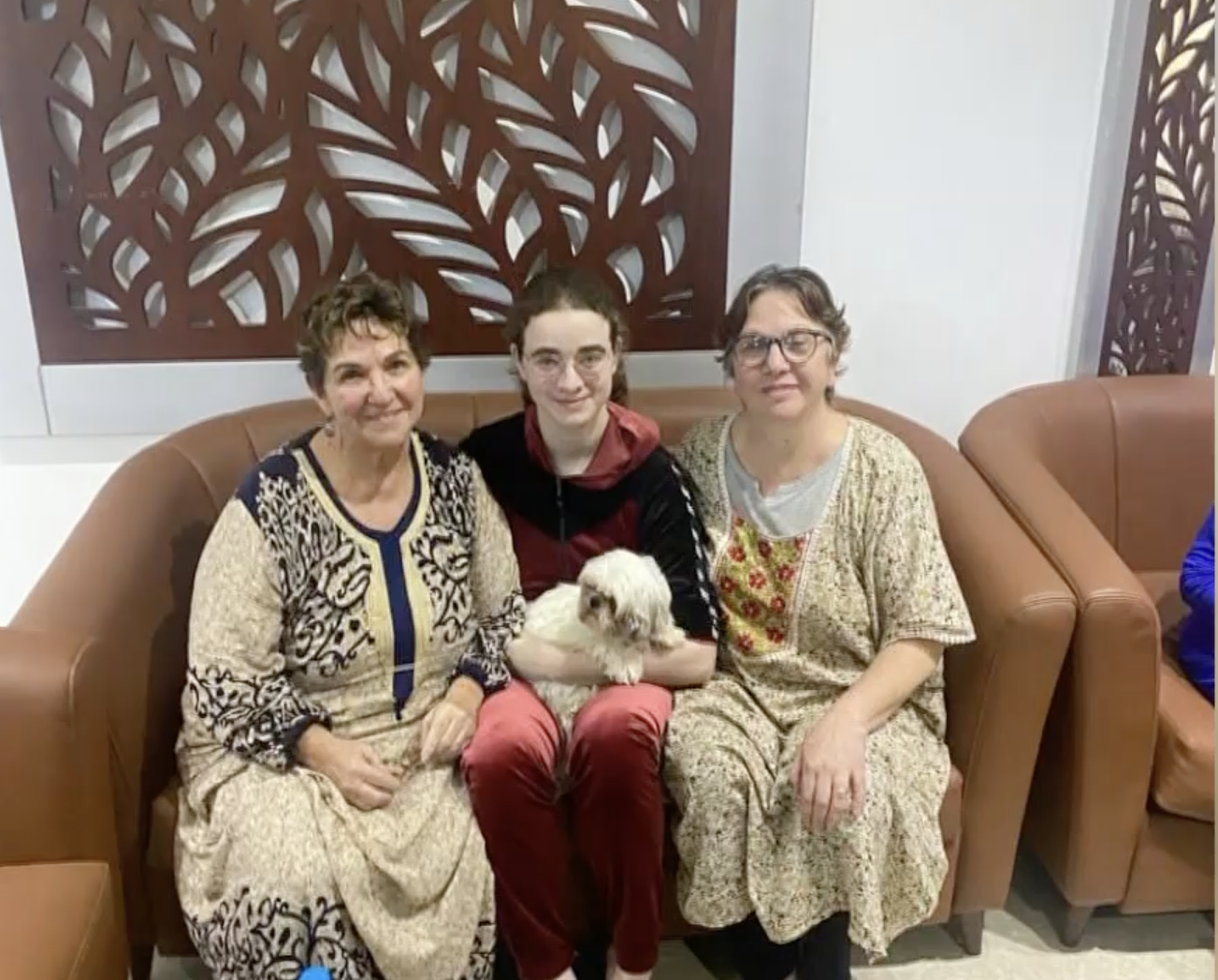
Leimberg was abducted from Kibbutz Nir Yitzhak, along with her teenage daughter Mia Leimberg, her brother Fernando Marman, their sister Clara Marman, and Clara Marman’s partner Luis Har.
The sisters and Mia Leimberg were released after two months of Hamas captivity, along with Mia’s dog, a Shih Tzu named Bella, who was hidden in her pajamas when the family was abducted. More than two months later, on February 12, 2024, Marman and Har were rescued by IDF forces and brought home to Israel.
“As a former hostage, I’m recognized as a terror victim, I have a government [stipend], and so does Mia,” said Leimberg. “But my husband? Not so much.”
For financial and other support, many hostages’ families relied heavily on the Hostages and Missing Families Forum, the ad-hoc organization organized in the days after the Hamas terrorist attack of October 7.
In December, the Forum closed its offices as funding to support the families dried up.
In its place has risen 255 – The Hostages and Their Families Organization, named for the number of hostages in Gaza as of October 7, including four who had been there since 2014 and 2015.
The organization, born of the recognition that the help sought by hostages and their families had shifted, is mapping their needs with funding from co-founder Shashua Family Foundation and several non-profits, including Jewish humanitarian organization The Joint and the Welfare and Social Services Ministry. They held their first conference in November, attended by hundreds of released captives and their families.
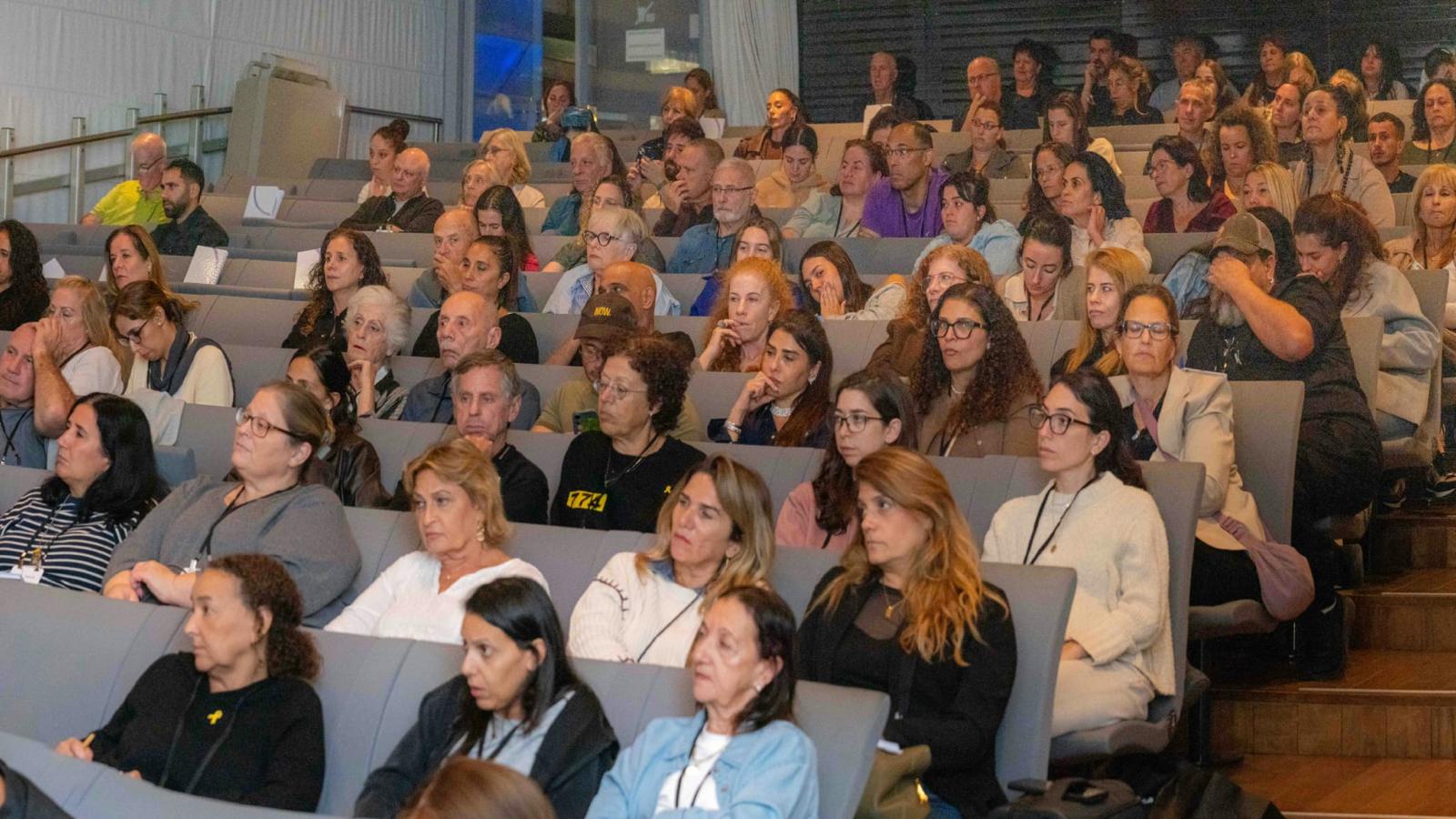
At the time that 255 was established, said Mor Peretz, the organization’s CEO and a former Hostages and Families Forum volunteer, “we were still in the middle of bringing back the hostages. No one knows how to work with released hostages, but we know we have to learn quickly and intensively, and it will take years to figure it out.”
Israel’s Welfare and Social Affairs Ministry had been coordinating a support package for the former hostages and their families, in cooperation with the National Insurance Institute, the Health Ministry, and other state bodies.
That support, which is continuing, includes financial aid, housing grants, medical and psychological services, and vocational and educational funds — yet many released hostages say that the government’s help doesn’t address their greater needs or those of their extended families who were part of the struggle to bring home the captives.
Peretz said that 255 wants to be able to offer what’s needed, and is looking ahead to long-term partnerships with Shashua, the Jewish Federations of North America, the Scheinberg Foundation, and IsraAid, as well as several government ministries.
The plan is for 255 to expand support to cousins, siblings, and any relative of a former hostage.
“We need to start to rehabilitate, and what the government doesn’t understand is that we can’t go back to our previous lives,” said Sharon Calderon, the sister-in-law of former hostage Ofer Calderon, and aunt to ex-captives Sahar and Erez Calderon. “The year-and-a-half struggle for Ofer changed my life in every possible way. We didn’t work; we only worked on getting him home.”
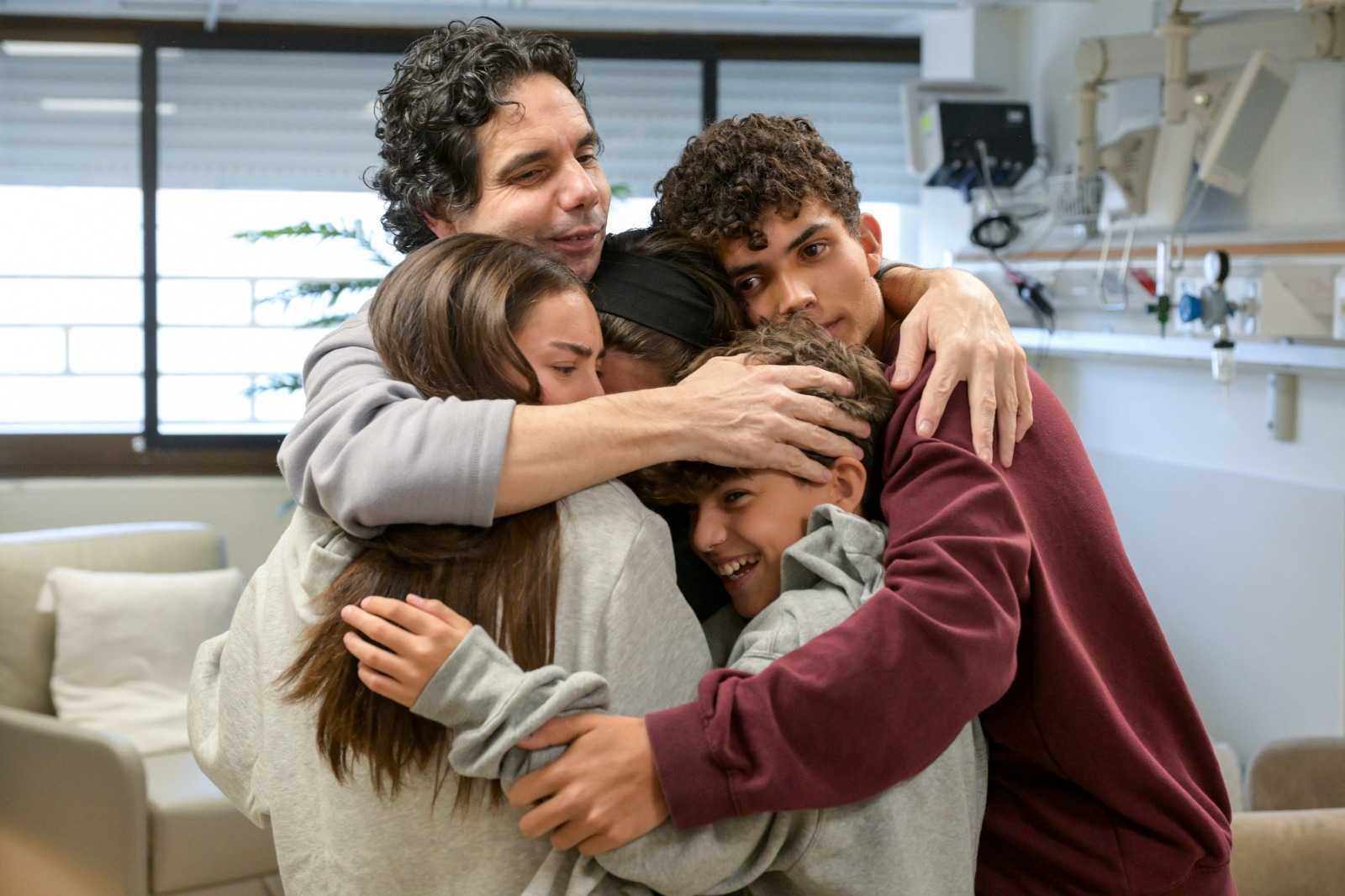
Calderon, her husband Nissim Calderon, and their children survived the October 7 invasion in their Moshav Tzofa home. After the massacre, they were evacuated to Ramat Gan, where they helped launch the struggle to bring home their family members from Hamas captivity.
They haven’t been able to return home or resume their regular lives, and they are part of the extended family circles that 255 wants to help.
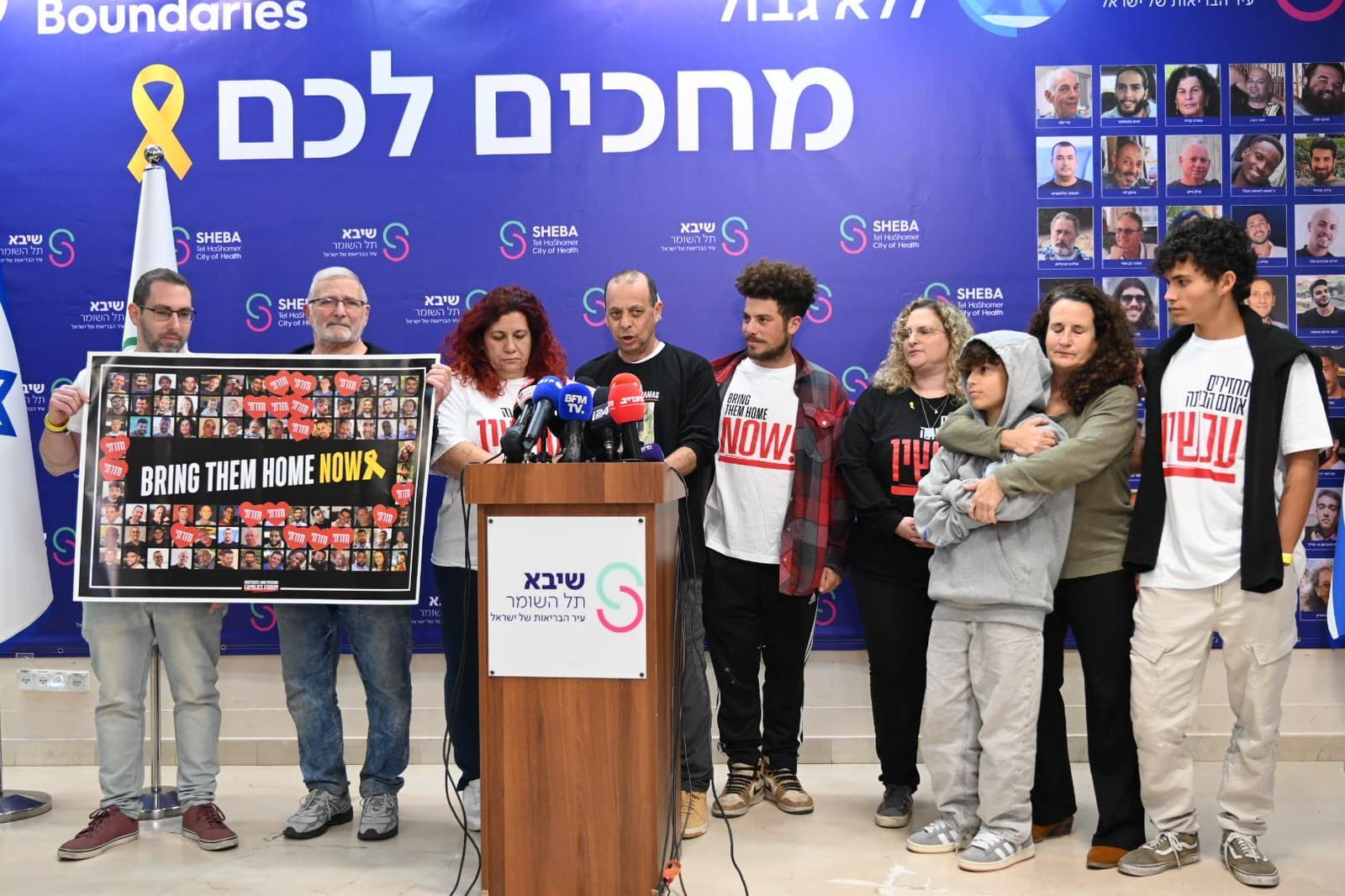
“We want to get to where the government doesn’t reach,” said Peretz. “We look at the cousins, the in-laws, we make sure the philanthropy reaches them. What will allow the rehabilitation of these Israeli families to succeed is this filling in of the blanks.”
For now, 255 counts more than 3,500 people as part of the hostage survivors’ extended families, including second and third circles of relatives.
Survivors and loved ones seek therapies
The organization works with a variety of nonprofits offering therapeutic activities for hostages’ families, including Lev Otef, a nonprofit that brings former hostages and their families to Eilat for therapeutic activities with dolphins and organizes movement workshops for hostages’ family members at the Dead Sea.
“We need years of work with them,” said Lev Otef founder Yael Turner-Grossman. “The surviving hostages are back, we can’t fix their lives, we can’t heal them, the traumatic experience isn’t going to go away, but we can help them learn to live with it, to help them create good lives for themselves.”

Turner-Grossman — who founded and runs GNT, a nonprofit that runs rehabilitative and educational programs based on bodywork for Israelis of all stripes, and Studio 6, a dance studio for women and girls in Jerusalem — worked with evacuees from the north and south at the start of the war.
“The government was in chaos then,” said Turner-Grossman, who consulted with everyone from Social Welfare Ministry staff to a former prisoner-of-war taken during the Yom Kippur War of 1973 to understand the continuing needs of the former hostages and their families.
“But it was clear that talk therapy wasn’t going to solve the captives’ issues; they needed something else,” she said.
Her nonprofit received a grant from the Jewish Federations of North America to build three-day programs at Eilat’s Dolphin Reef for the hostages’ families.
Working with psychotherapist Sophie Donio, who founded and runs Eilat’s dolphin-assisted therapy program, Turner-Grossman brought hostages’ families to Eilat earlier in the war, and later came back with released captives, to swim with the two trained mammals living in the Red Sea who come into the reef when Donio calls them.
“The dolphins just go to the survivors; they somehow know,” said Turner-Grossman.
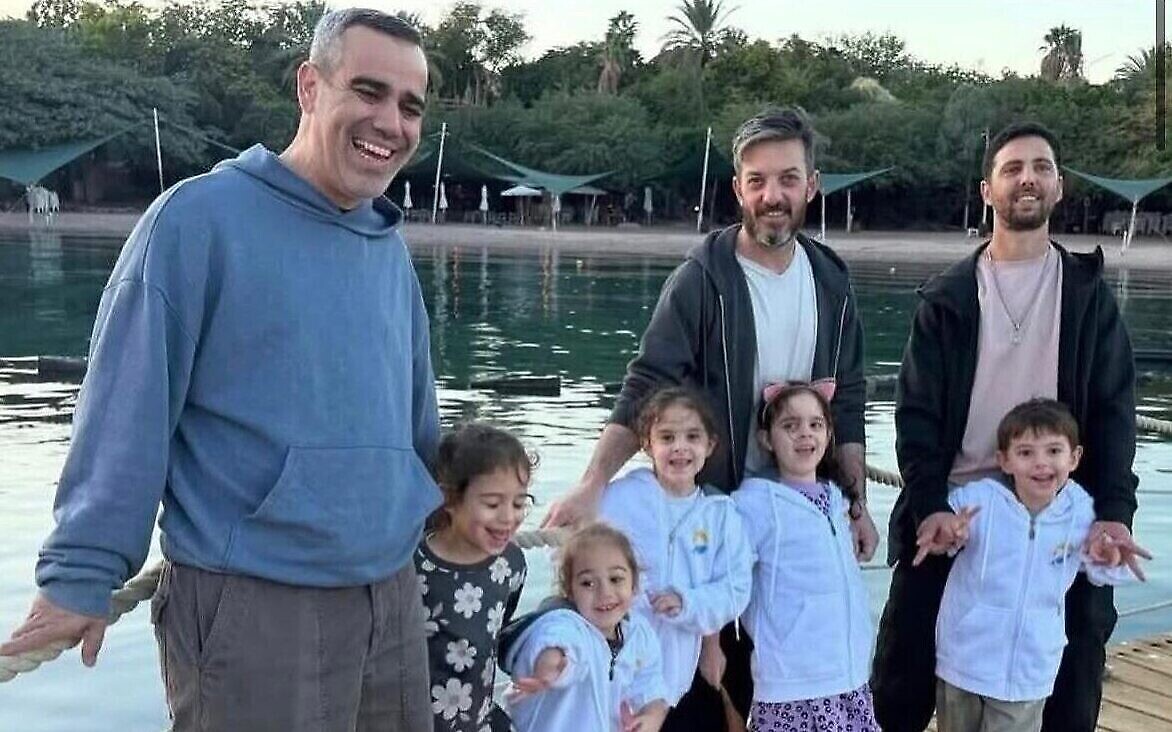
When former captives’ extended families asked for their own Dolphin Reef workshops, Turner-Grossman, working with 255, created another alternative, Shluk Neshama, or A Moment of Relief, two-day movement workshops at the Dead Sea for more distant relatives of the hostages.
These kinds of therapeutic care are all part of the 255 process, which aims to create an infrastructure to support the released hostages and their families, said Peretz.
“It’s only been a year that we’ve been putting this together,” said Leimberg, who is currently the only former hostage on the board of 255. “I give what I can from where I experienced this, and I can say what some of the needs are, but everyone has to give their voice; we all have to be part of this.”






The Times of Israel Community.