

Bennett names 2 female ex-senior officials as 1st members of party’s electoral slate
Former PM praises former Finance Ministry head Keren Terner and ex-Communications Ministry chief Liran Avisar Ben-Horin, rejects Likud accusations of terrorist affiliation
 Add ToI as a Preferred Source on Google
Former prime minister Naftali Bennett on Sunday named two highly regarded women as the first announced members of his party slate in the upcoming elections, which are set to take place by the end of October.
Bennett said Keren Terner, who resigned as director general of the Finance Ministry in 2021, and Liran Avisar Ben-Horin, who resigned as director general of the Communications Ministry in 2023, will run with his party, which is temporarily called “Bennett 2026.”
“In order to go back to running the state, we need the best managers and executives in the state,” Bennett wrote on X.
“Keren and Liran are the most professional and experienced women in management in Israel, with a deep love for our land and the citizens of Israel,” said Bennett, who has made outreach efforts in recent months to court female voters.
“The two of them successfully led courageous and complicated reforms in the economy, transportation, and media, and they will do it again, at an even greater scale,” he said. “Israel is stuck and unmanaged, and we have no time to waste.”
Prime Minister Benjamin Netanyahu’s Likud party assailed Bennett for adding Terner, pointing to her involvement with the Brothers in Arms protest movement — a reservist-led group that took part in demonstrations against the government’s judicial overhaul plans in 2023 and later helped organize civilian emergency response efforts after the October 7 Hamas attack.

“Bennett’s true face was once again exposed today when he added Keren Terner from the Brothers in Arms movement to his party — an organization that encouraged refusal to serve in the IDF, thereby weakening Israel and harming our security,” the party said, adding that Bennett would again “form a government with the left and the Muslim Brotherhood,” referring to his 2021-22 government with Yair Lapid, which included left-wing parties as well as Mansour Abbas’s Islamist party Ra’am.
Despite having previously courted Ra’am during coalition negotiations, Netanyahu has since threatened to outlaw the Arab party, claiming it is connected to the Muslim Brotherhood. Abbas has repeatedly denied any connection to the pan-Islamist movement, which spawned Hamas.
Bennett’s party rejected the claims as “a smear campaign by Likud’s poison machine,” noting Terner had previously served under Netanyahu as director general in both the transportation and finance ministries.
The party announced later on Sunday that it had sent a legal warning ahead of a possible lawsuit against Likud and a pro-Likud news outlet over their “defamatory” remarks against Terner.
“Keren Terner has never been a member of the Brothers in Arms organization and has never been involved in any way in calls for refusal to serve,” said a statement from the Bennett 2026 party.
The statement clarified that Terner only volunteered with the civilian emergency response hub established by the organization and others following the Hamas-led terror onslaught of October 7, 2023, to “assist tens of thousands of civilians, soldiers, and reservists when state systems collapsed.”
It added that the hub “did not engage in politics” and “received support from across the political spectrum for its vital work during one of Israel’s most difficult moments.”
The government has repeatedly attacked Brothers in Arms, attempted to block its members’ military promotions, and sought to restrict their participation in public life, over the group’s central role in the mass protests against the government’s judicial overhaul plans in 2023.
The current government has 24 ministers, of whom only five are women.

Though a government decision in 2020 set a goal of having women fill half of senior civil service roles by 2023, as of late 2025 only nine percent of the senior roles were held by women.
The two ultra-Orthodox parties represented in the Knesset — both of which are in Netanyahu’s governing coalition — do not allow women to serve as lawmakers.
Both were first women to serve in their roles
Terner (formerly Terner Eyal) began her career at the treasury, but soon transferred to the Transportation Ministry, where she climbed the ranks and was appointed director general in 2016 — the first woman to serve in the role.
There, she served under now-defense minister Israel Katz, before Miri Regev became transportation minister in 2020 and fired her.
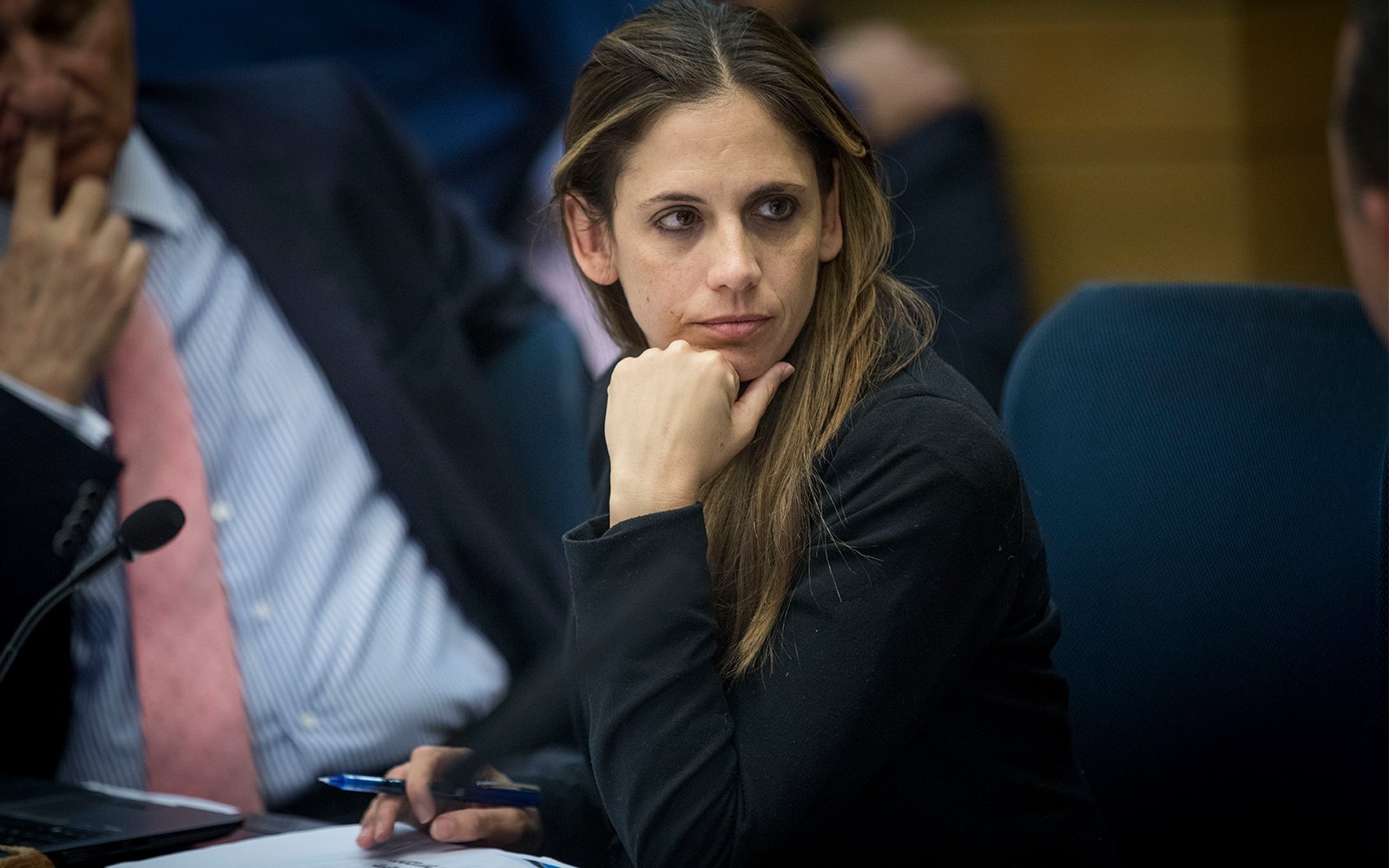
Shortly thereafter, she became the second woman ever appointed to serve as director general of the Finance Ministry, when Katz, then leading it, tapped her to help manage the country’s finances amid a steep economic downturn caused by the coronavirus pandemic.
Within months of her appointment, however, Terner publicly clashed with Katz when she came to the defense of her colleague Shaul Meridor, who resigned while leveling sharp criticism at the then-finance minister. After five months on the job, Terner also resigned, reportedly complaining of an unprofessional, incompetent leadership.
Avisar Ben-Horin, 43, is the former head of Masa, the Jewish Agency-affiliated company that funds semester- and year-long Israel programs for Diaspora youth.
She served in senior positions in the Prime Minister’s Office, as chief of staff to former director general Harel Locker, and as a legal aide to then-attorney general Menachem Mazuz.
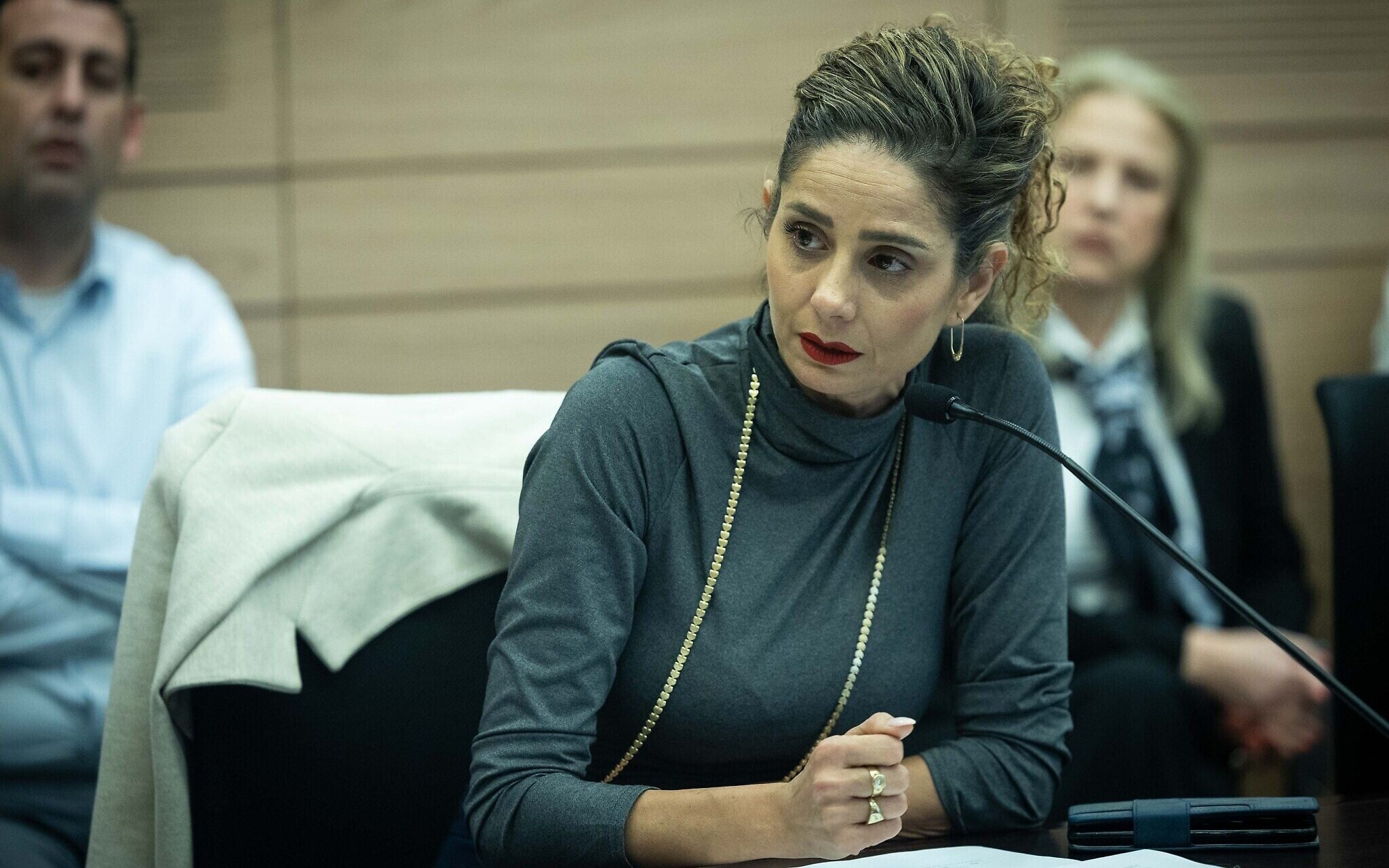
In 2020-2023, she was director general of the Communications Ministry, the first woman to hold that position. When she resigned, she lamented the lack of female representation in public service, saying, “I call on all women in the ministry, and in the civil service and government, to climb up the ranks to senior leadership.”
In 2022, Avisar Ben-Harin was named by Globes Magazine as one of Israel’s 50 most influential women.
In December 2025, she told a women’s outreach event for the Bennett campaign that for the past 18 months, she had been leading the former premier’s “100 Days” project — a plan to rehabilitate what she described as “everything that has been destroyed in government ministries in recent years.”

At that event, Bennett — a right-wing former lawmaker who has positioned himself as an umbrella candidate representing a broad swath of Israeli society — stressed that six of his party’s nine co-founders were women in senior positions, “not because they are women, but because they are excellent.”
Addressing the crowd, Bennett declared that any future government led by him would advance a move to fill 50% of all senior public service positions with women within five years.









The Times of Israel Community.