

Ex-hostage Keith Siegel hopes for the war’s end and the return home of all hostages
The Kibbutz Kfar Aza resident spoke about the torturous experiences in captivity, and his need to do anything he can to help the remaining hostages come home
 Add ToI as a Preferred Source on Google
Jessica Steinberg, The Times of Israel's culture and lifestyles editor, covers the Sabra scene from south to north and back to the center
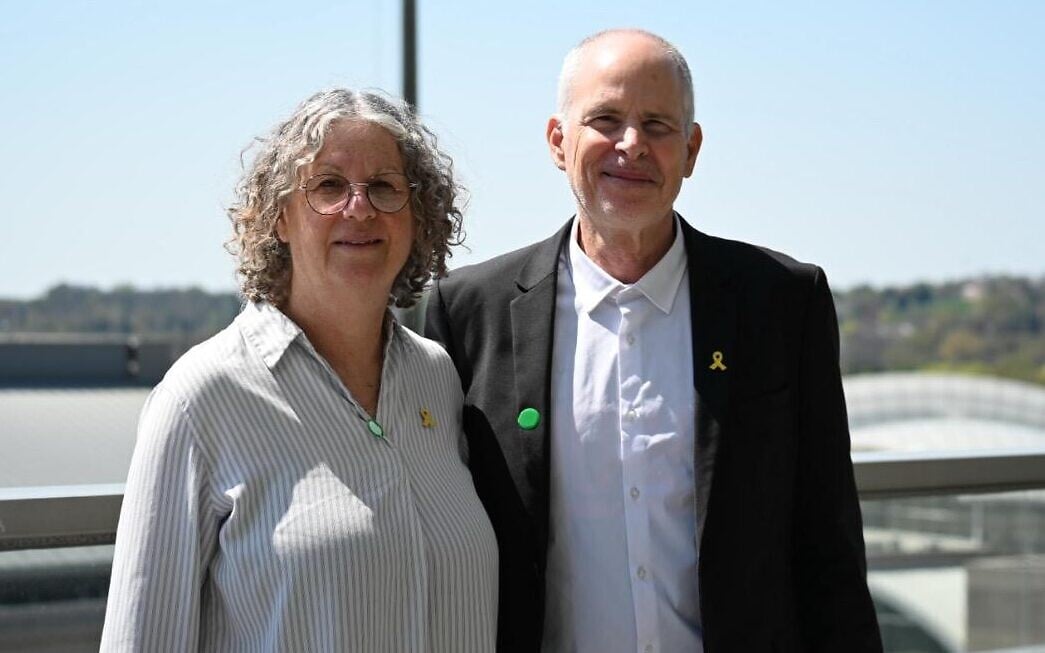
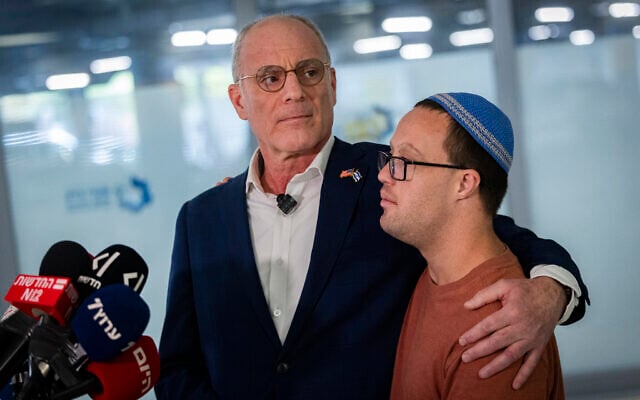
Former hostage Keith Siegel was released home from Hamas captivity on February 1, but hasn’t been able to think about much besides the 50 remaining hostages in Gaza.
“I don’t think I have an option to do anything else,” he told The Times of Israel during a Friday Focus podcast. “I’ll do whatever I can to get them back, I feel that way about all 50 hostages.”
Siegel was taken captive on October 7, 2023, with his wife Aviva in their car, from their home in Kibbutz Kfar Aza. She was released in November 2023; he wasn’t released until February 1, 2025.
He often thinks back on his time in captivity in terms of numbers:
He was held hostage for 484 days by Hamas terrorists, and spent six months alone during three different periods during the nearly year-and-a-half that he was held captive, sometimes with terrorists, sometimes completely alone.
He was relocated 33 times, spending the last two months of captivity alone, and his final two weeks of captivity were spent in a locked room. On January 19, he was told he was going to be released, and he was brought home on February 1.

“There were so many times in captivity when we would hear about negotiations, and it would seem like we might be released soon, and then it failed,” he said. “We worried about agreements that wouldn’t be fulfilled.”
Now, nearly six months after his release, Siegel spoke about Prime Minister Benjamin Netanyahu’s current visit to Washington, DC, his meetings at the White House, and the possible hope that a hostage deal and permanent ceasefire could be in the offing.
Those are the details of life that give Siegel hope right now: the possibility of a hostage deal and the end of the war in Gaza; the friendships he has made with fellow hostage families and the immense support shown to his family and the other hostage families by the Israeli public since October 7.
“I’m trying to be as optimistic as I can, and I’m calling upon President Trump and his administration and Prime Minister Netanyahu to make an agreement happen and make it happen as soon as possible,” said Siegel.
“‘[Bring them home] “Now’ is a figure of speech, but I really feel like every moment that passes, the hostages are there suffering — all the 50 hostages need to be released,” he said. “I urge them to release all 50 together, so I am hopeful and optimistic. I just hope so much that we’re on the verge of an agreement, and I worry about an agreement that’s going to decide who’s going to come back and who’s not.”
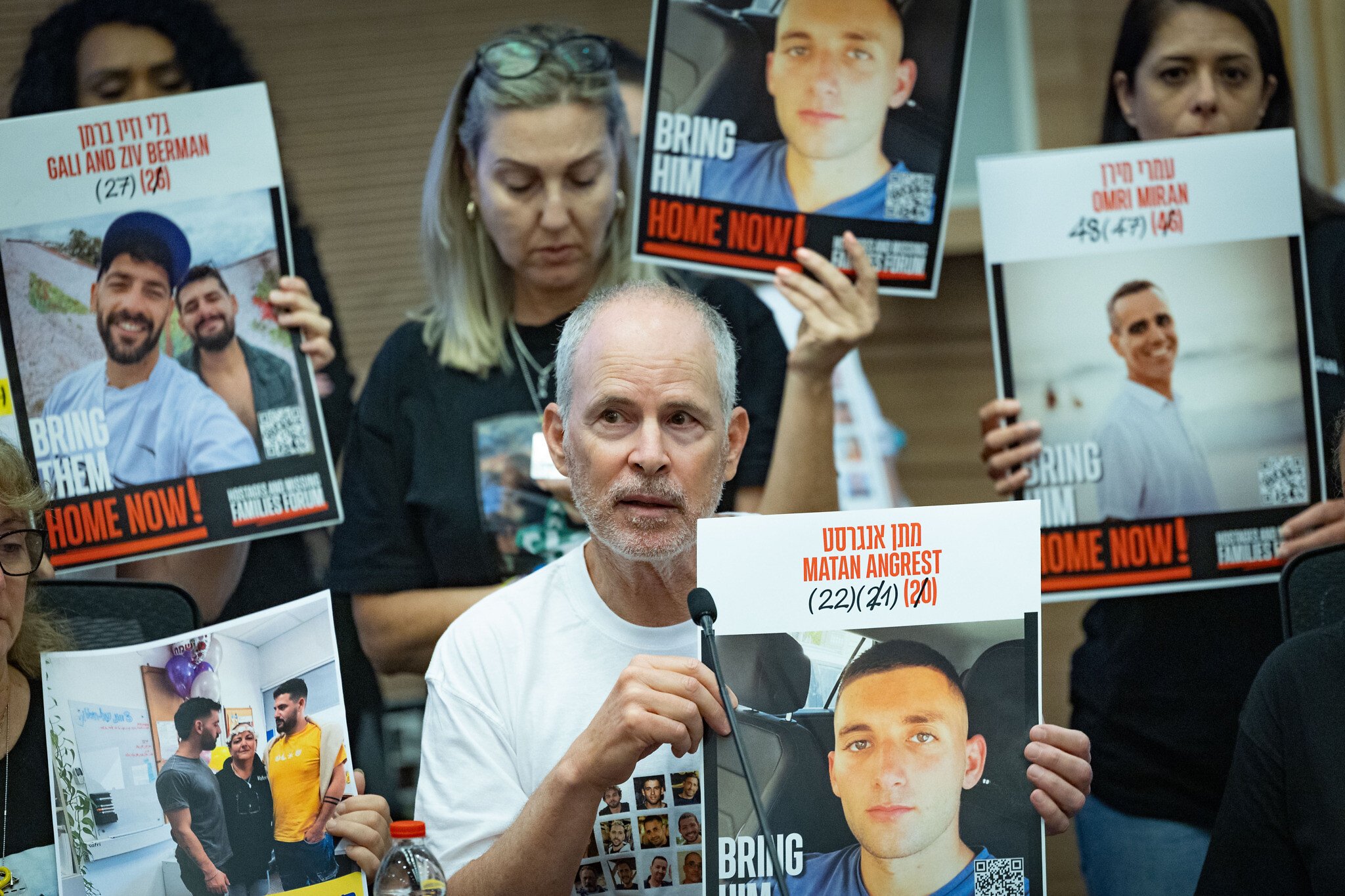
If that agreement does happen, Siegel hopes it will include all 50 hostages, not just a partial list of 10 living hostages out of the 20 thought to be alive and 18 deceased hostages.
He spoke about certain hostages repeatedly, specifically those with whom he was held hostage and who are still captive in Gaza.
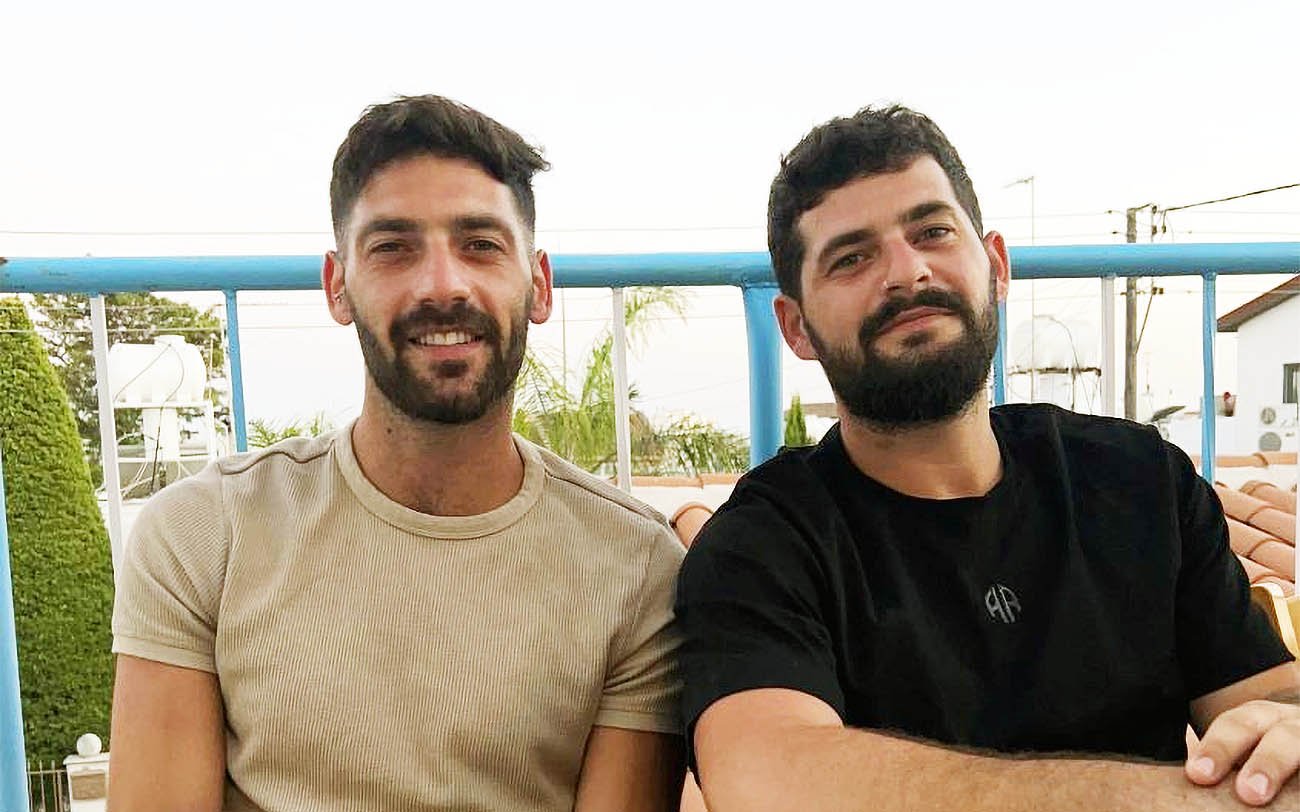
He mentioned twin brothers Ziv and Gali Berman — he was last held with Ziv before being held captive alone, and he had known the Bermans since they were babies, growing up in Kibbutz Kfar Aza with his children.
Siegel also spoke about Omri Miran and Matan Angrest, two other hostages with whom he was held hostage months ago, long before he was released home.
“I still feel like I am with them, I spent extended periods of time in captivity with them, even though it’s well over a year since I’ve seen either of them,” he said, as he recalled being with Miran and Angrest.
Siegel said it gets harder to discuss and convey the horrific conditions and torture that he and others experienced and witnessed in captivity. He repeated parts of what he told a Knesset committee earlier this week, about a woman hostage whom he watched being tortured by three terrorists.
Siegel didn’t name the female hostage, but described how the terrorists threatened her, holding a sharp, pointed metal rod to her forehead and applying pressure. The terrorists had called Siegel into the room to tell her to confess to her position in the IDF, one that she didn’t hold, he said.
“I don’t think I’ll ever be able to forget what I saw,” he said. “They held a loaded pistol to her head, told her to go down to her knees, and that she needed to confess or they would shoot her.”
“I wasn’t able to stop it,” said Siegel. “It’s more and more difficult for me to deal with the fact that I was in the situation and wasn’t able to stop it, the fact that I did not stop it is very difficult for me to deal with.”
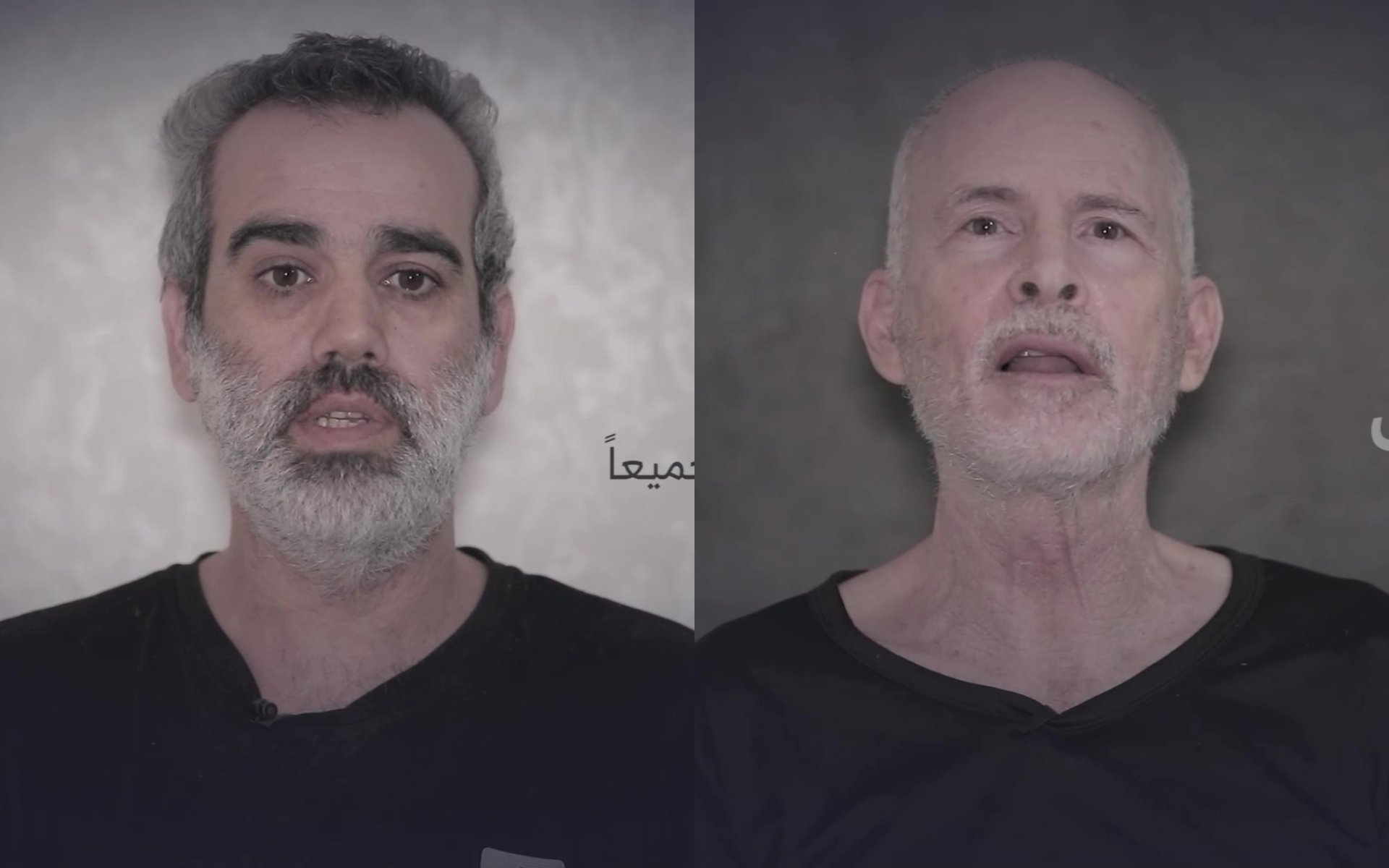
He described the injuries and abuse suffered by Ziv and Gali Berman, by Omri Miran, and the injuries and breathing issues that Matan Angrest suffered from as well, particularly in the Gaza tunnels.
Despite the terror and sorrow, Siegel also recalled moments of happiness as well, when he and fellow captives would discuss their mutual interests, the music they liked, the artists who were their favorites, their families and their favorite foods too.
“We had to survive and get through each day,” he said. “We talked about those things when we could within this abnormal and life-threatening situation. There were times when we weren’t allowed to talk.”
He shared those moments with the hostages’ families when he met them upon his release back home to Israel, trying to calm them and reassure them.
There is always a sense of urgency for Siegel as he speaks about the remaining hostages, both dead and alive, and the need to save them and bring them back home to Israel.
“It’s part of our religion,” he said. “We save lives and bring the deceased back for a proper burial.”
Listen to this conversation in full here:




The Times of Israel Community.