

How Holocaust survivors flocked to NJ to start a thriving poultry farming industry
Seth Stern’s new book ‘Speaking Yiddish to Chickens’ tells how his grandparents joined thousands of other Jews in a plucky venture as they rebuilt their lives in rural America
 Add ToI as a Preferred Source on Google
Reporter at The Times of Israel
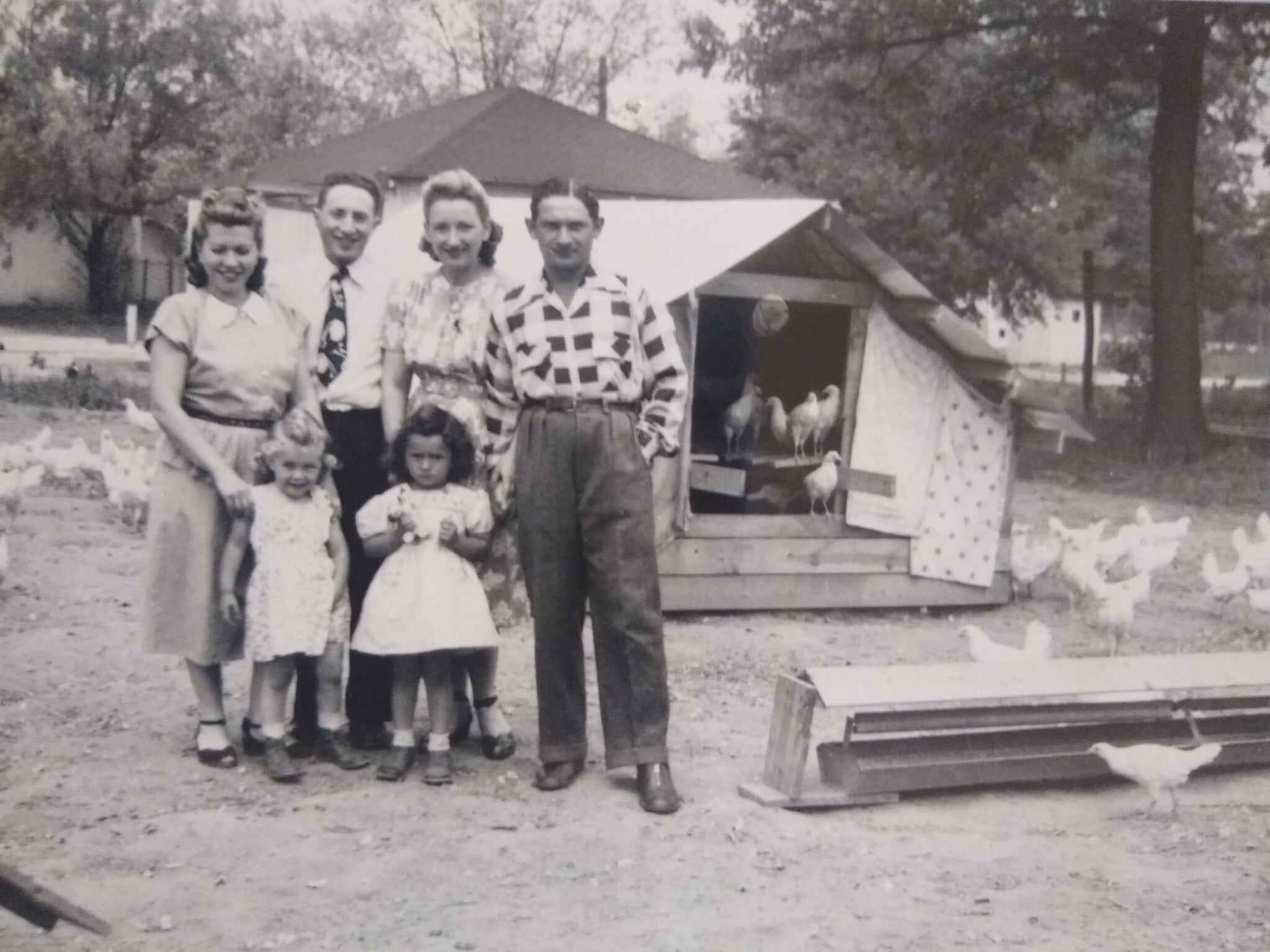
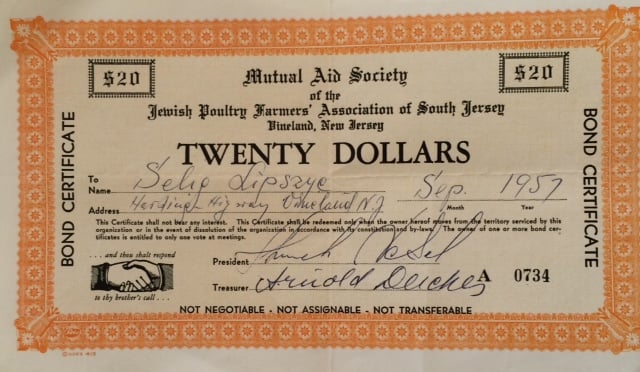
Starting over in America was a surreal experience for Nuchim and Bronia Green. During World War II, the Jewish husband and wife hid from the Nazis in a makeshift underground bunker. In the United States, they rebuilt their lives not in a big city, but on a small farm, raising chickens in the southern New Jersey community of Vineland.
Unconventional? Yes. Rare? No. Of the 140,000 Jewish displaced persons who came to the US in the decade following WWII, the Greens were among the roughly 3,000 who became chicken farmers, with an estimated 1,000 settling in South Jersey. Their new profession was anything but easy, and the novice farmers had varying levels of success. Now Nuchim and Bronia’s grandson, Bloomberg journalist and editor Seth Stern, is sharing this complex story in a new, memorably titled book, “Speaking Yiddish to Chickens: Holocaust Survivors on South Jersey Poultry Farms.”
Stern remembers interviewing his late grandmother about her experiences in 1998. He was a Harvard Law School student back then, taking a break from preparing for finals.
“Part of the story that really fascinated me, that hadn’t really been told before, was her experience on the farm, her experience with the refugee survivors who ended up on farms in South Jersey more than anywhere else in the US,” he said.
Stern spent several decades researching the story. During that span, he co-wrote a biography of Supreme Court justice William Brennan. Yet he continued working on the more personal narrative of the chicken farmers, speaking with survivors and their children, going through phone directories and reading obituaries. His research included accessing oral history interviews from the Lerman family. The chicken farmers included survivors Miles and Chris Lerman, who came to America on the same ship as Nuchim and Bronia. Miles ultimately played a key role in creating the US Holocaust Memorial Museum.
“He is a central part of the story,” Stern said.
There are many other parts: The Jewish Agricultural Society, a nonprofit with a long history of efforts to resettle endangered Jews around the world; the communities of more established Jews and non-Jews who lived in proximity to the new arrivals and responded to them with varying degrees of hospitality; and the world that the Grine — “a play on the Yiddish word for greenhorn,” per the book — built for themselves, from rural synagogues (or shtiblekh) to aid organizations-slash-social groups called landsmanschaftn. There’s an inspiring account of a record-setting hen named Meggi O’Day, and a gruesome murder case of a local youth, in which a Grine farmer was wrongfully accused. And there were the economic factors of the ’50s, including megafarms in the American South, that doomed small-scale chicken farming — and with it, the community.
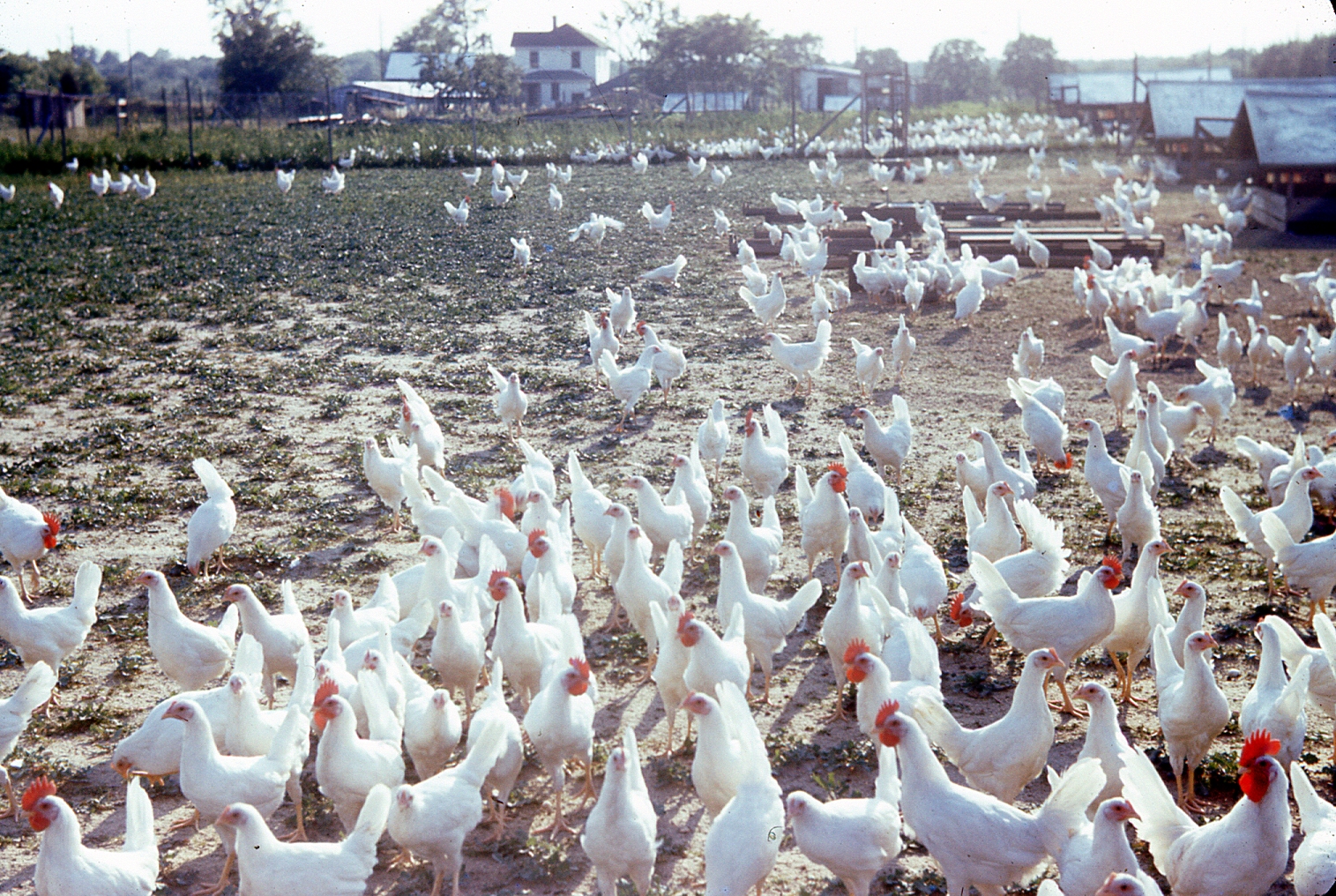
The chicken has a cherished place on the Ashkenazi menu. Chicken fat is synonymous with schmaltz, while chicken soup is nicknamed Jewish penicillin. Yet chicken farming was less familiar to the Grine.
“They didn’t know how hard it could be or what a tough business it was,” Stern said. “In theory, it sounded appealing — they did not have a lot of better alternatives.”
The Jewish Agricultural Society first proposed chicken farming to Jewish German refugees who came to the US in the late 1930s in the midst of the Great Depression.
At the time, Stern noted, “farming was a good way to settle Jewish refugees — not by taking jobs in the city. Chicken farming was good for older German Jews… who were not experienced farmers. It was easy to learn… they did not have to wait for crops to grow.” And, he said, “in South Jersey, farms were cheaper than Central or North Jersey or the Catskills.”
A decade later, the Greens, Lermans and fellow DPs left Eastern Europe for South Jersey, having suffered the horrors of the Holocaust. While on the run from the Nazis, Miles Lerman joined a partisan group that executed a Ukrainian man who betrayed a Jewish mother and daughter. Following the end of the war, he became a nightclub owner in Lodz, where he met Chris, née Rosalie, who lost her parents to the camps but survived Ravensbrück with her two sisters.
Stern noted the paucity of ways people could survive the Shoah, such as enduring a labor or extermination camp, hiding in a forest (as in the case of his grandparents), cities or the countryside, or fleeing to the USSR.
“These were some of the basic ways people survived the war,” he said. “Survivors in all of these categories wound up on farms.”
The top destination was a municipality that dated back to the Civil War era, founded by a speculator named Charles Landis.
“He visualized a planned community with a very neat street grid and farms and factories,” Stern said. “At first, he did not have a lot of success. Italian immigrants ultimately came in the [next] couple of decades,” followed by the “growth of the chicken farms.”
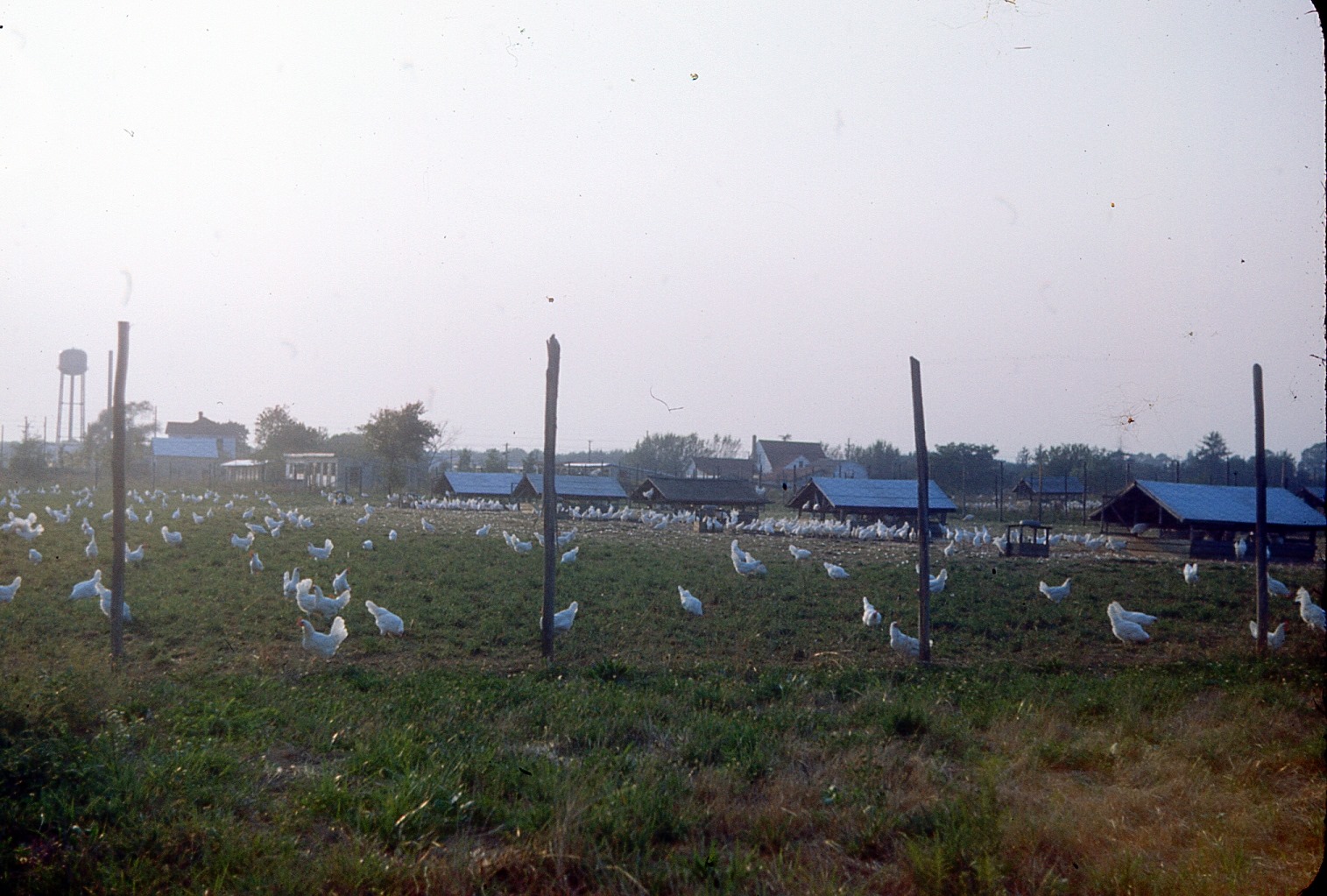
As the book explains, Bronia had encountered hens before, on pre-Shabbat market trips to Lublin growing up, but they were brown, not white with red combs and wattles, as was the case with the leghorn variety she and Nuchim raised. Chicken farming was smelly, messy, all-consuming work, and sometimes the birds were less cute than cruel, even cannibalistic. Still, the Grine did their best to raise chickens — and more importantly, their white eggs — for New York consumers.
Record-setting egg-layer Meggi O’Day — “a play on an ‘egg a day,’” the book notes — stole the spotlight during her remarkable run, which lasted 284 days, from 1956 to 1957. Her owner was Jewish, but not a survivor. Stern contrasts the hen’s extensive press coverage with the little attention given to the Grine.
“Outside South Jersey, no one knew about their role as producers,” he said. “At one point, Vineland prize eggs filled the New York market. [The Grine] were sort of invisible, even as Meggi O’Day got a lot of press.”
Although he documents the Grine as chicken farmers, he’s also interested in their wider social and cultural world. They created their own institutions such as the shtiblekh and landsmanschaftn, with the latter becoming known for the performances they sponsored.
There, Stern explained, “stars of the Yiddish stage and film who were now displaced persons performed… to sold-out crowds. It was a very robust-run Jewish community with few parallels anywhere in America at the time.”
Yet, he noted, “it was a complex relationship between the survivors [and the] existing Jewish community… the existing community did not necessarily feel so secure in their identity as Americans. Along come the survivors, with their funny accents. They feel insecure, they look down on survivors.
“Survivors have their own insecurities interacting with the more established Jews. The pattern repeats itself. German Jews, and then survivors, tend to keep to themselves, socializing chiefly with their own kind. German Jews with fellow German Jews, survivors with other survivors who speak the same language, pray the same way, had the same experiences during the war.”
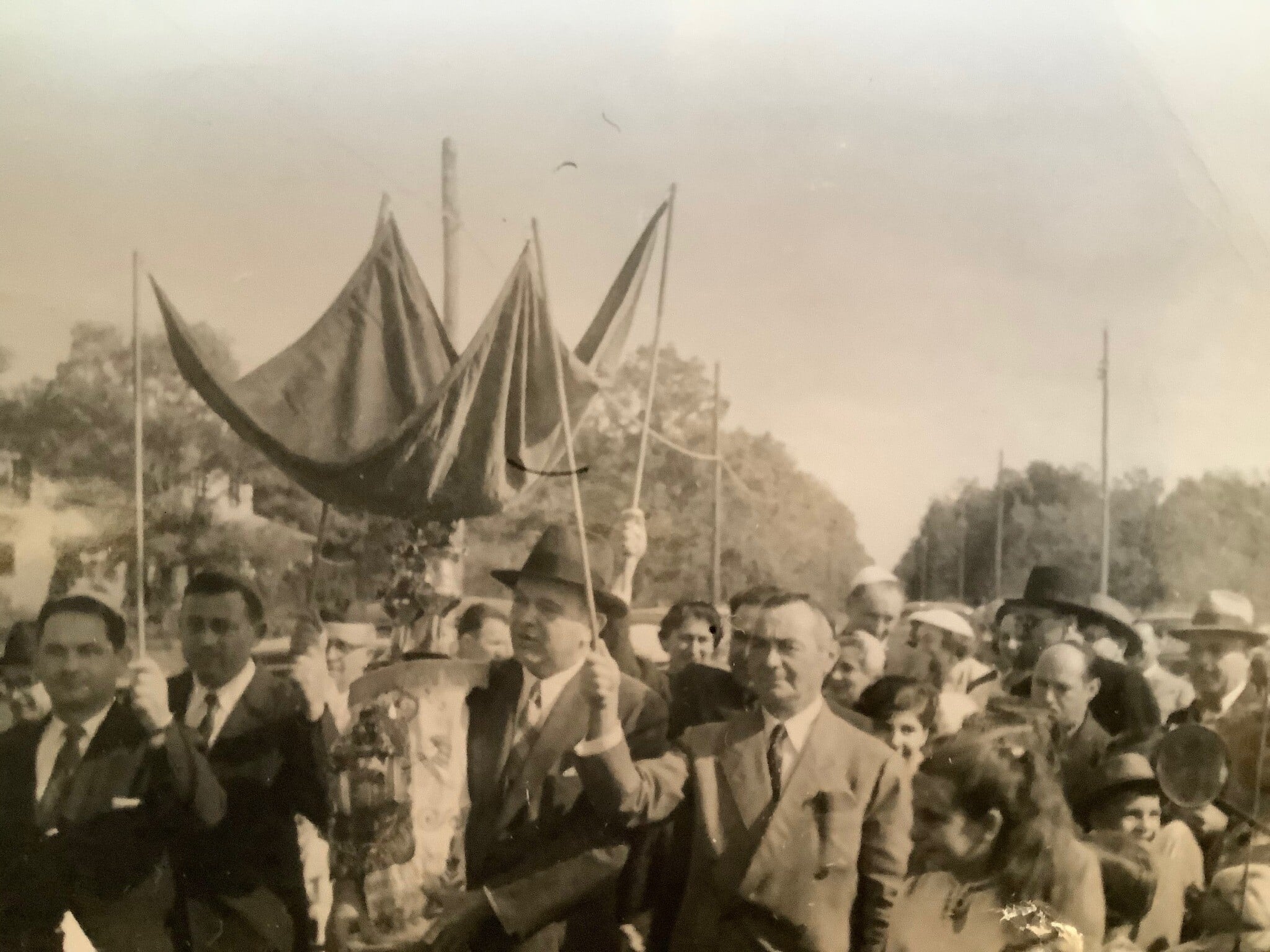
Ironically, warmer relationships sometimes sprang up between survivors and non-Jews, although there were also instances of antisemitism. Interfaith friendships included those between survivors and the Italian-American community, as was the case with Miles Lerman, who held a leadership position in an Italian-American relief fund to benefit Naples following an earthquake there in 1980.
By this time, Lerman had long since left the struggling chicken farmers’ ranks to found a home heating oil company. (In “The Golden Egg,” a 1957 memoir by a pillar of the non-Grine Jewish community named Arthur Goldhaft, the survivor farmers were portrayed unfavorably, with Lerman a rare exception, which displeased some of the Grine.) He went on to a career as a prominent businessman and philanthropist. His efforts toward the creation of the US Holocaust Memorial Museum included forging accords with crumbling communist countries to secure artifacts from concentration camps — even requesting inmates’ hair. In 1993, he was on hand for the museum opening, and then-president Bill Clinton appointed him to a leadership role.
Nuchim and Bronia did not have nearly the same level of success. The author wonders whether his grandfather’s glass-half-full outlook was unrealistic for his new profession in the US.
“Maybe he was too optimistic,” Stern said. “It’s a core part of who he was. He was somewhat disappointed by the frustration he experienced — losing everything, his family, the business he had in Europe, having to start over. It’s a part of all of the survivors. I don’t think any of them are a simple story.”






The Times of Israel Community.