

Iranians set to vote for new president with sole reformist on ballot
Masoud Pezeshkian faces off against conservative Mohammad Bagher Ghalibaf and former nuclear negotiator Saeed Jalili as Tehran replaces Raisi following deadly helicopter crash
 Add ToI as a Preferred Source on Google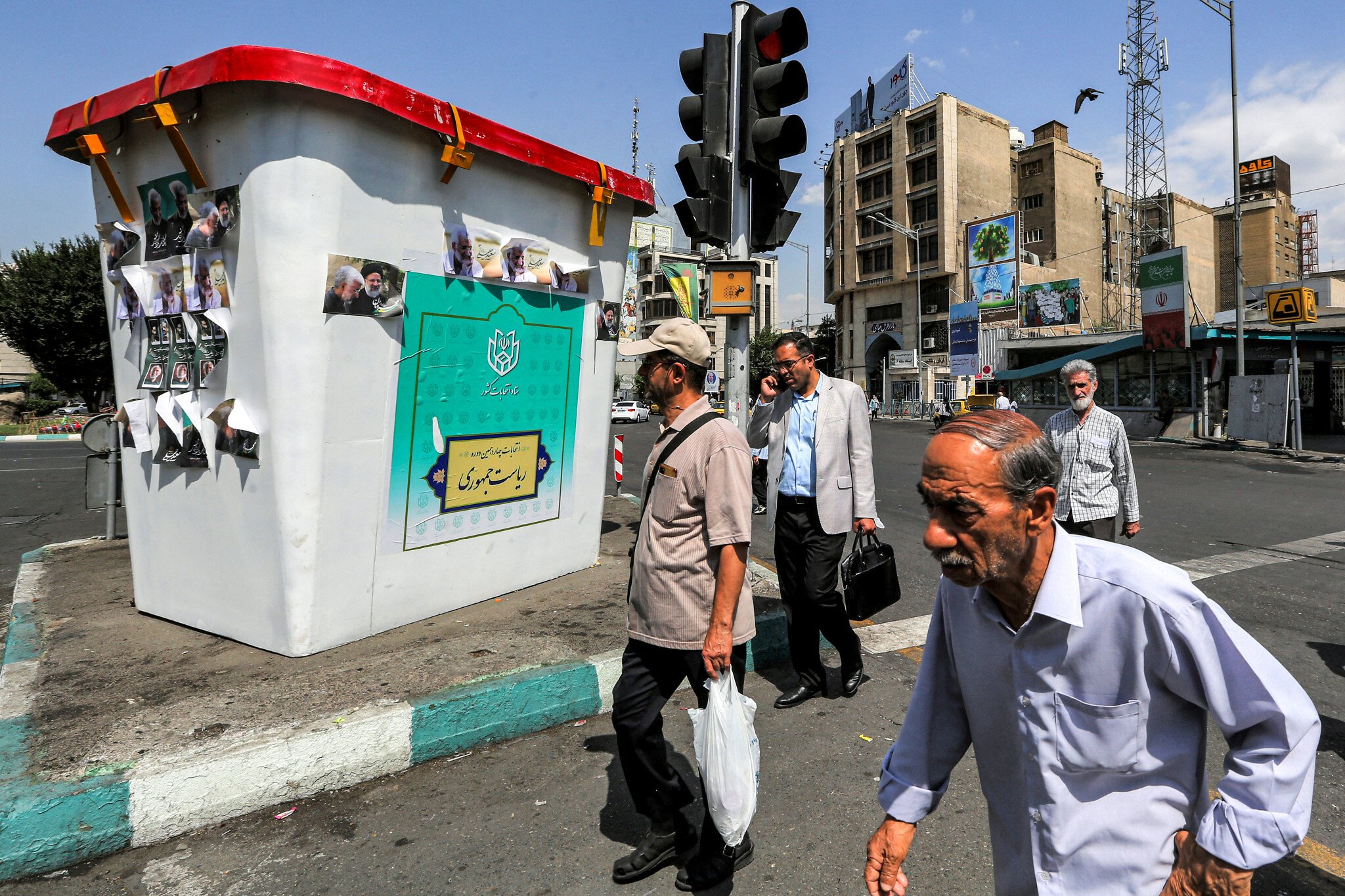
TEHRAN, Iran (AFP) — Iranians go to the polls Friday to elect a new president after ultraconservative Ebrahim Raisi was killed in a helicopter crash last month, with a sole reformist among the candidates.
The election in sanctions-hit Iran comes at a time of high regional tensions between the Islamic Republic and its arch-foes Israel and the United States as the Gaza war rages on.
Around 61 million eligible voters are called to the polls where reformist Masoud Pezeshkian, 69, hopes for a breakthrough win against a divided conservative camp.
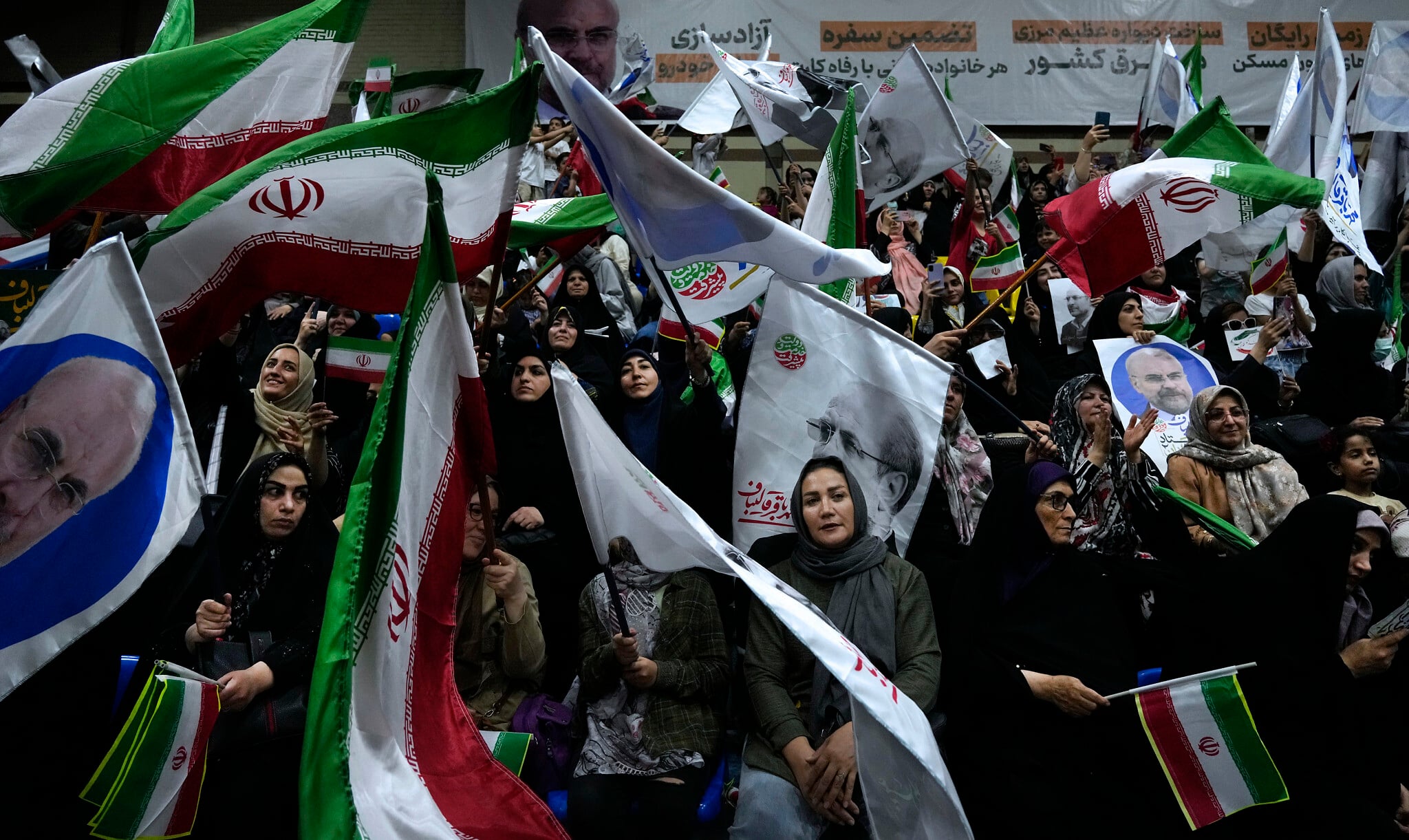
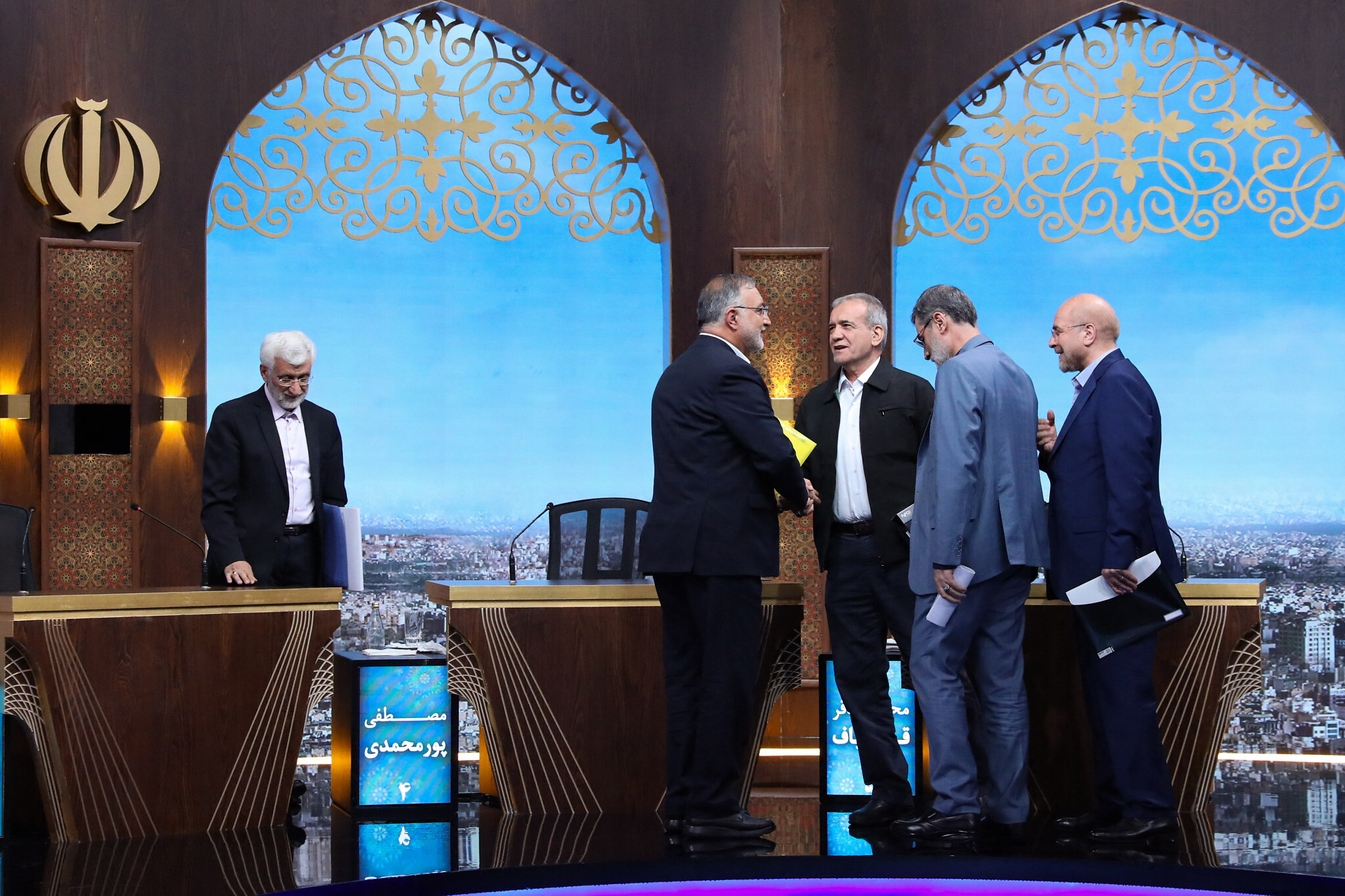
The Guardian Council, which vets candidates, allowed him to run against a field of conservatives now dominated by parliament speaker Mohammad Bagher Ghalibaf and former nuclear negotiator Saeed Jalili.
Also left in the race is cleric Mostafa Pourmohammadi after two ultraconservatives dropped out — Tehran mayor Alireza Zakani and Raisi’s former vice president Amir-Hossein Ghazizadeh Hashemi.
Polls open at 8:00 a.m. (7:30 a.m. in Israel) in 58,640 polling stations across the country, mostly in schools and mosques.
Polling stations are open for 10 hours, though authorities can extend voting time as in previous elections.
Early projections are expected by Saturday morning and official results by Sunday.
If no candidate wins 50 percent of the vote, a second round will be held on July 5, for only the second time in Iranian electoral history after the 2005 vote went to a runoff.
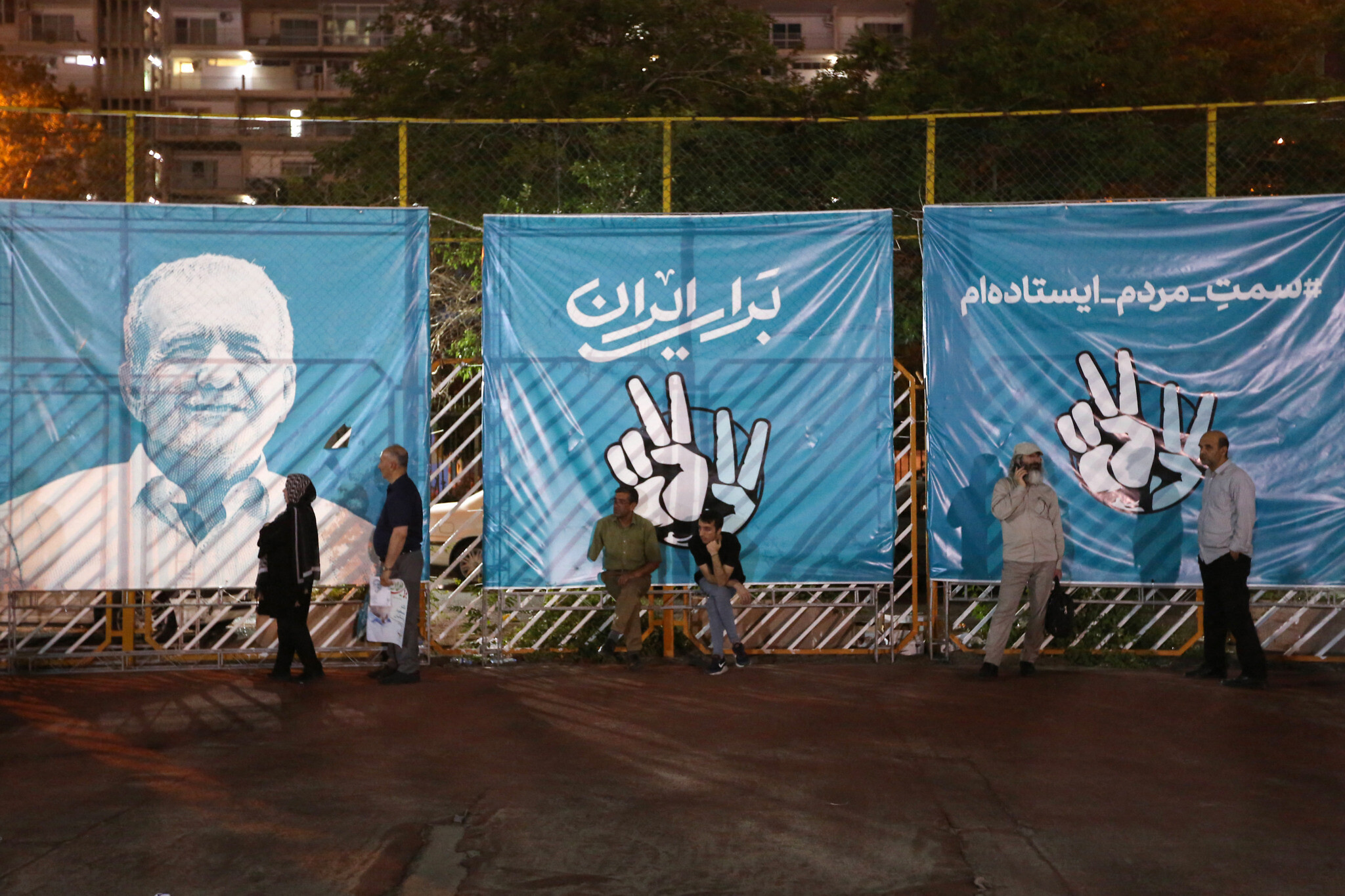
The candidacy of Pezeshkian, until recently a relative unknown, has revived cautious hopes for Iran’s reformist wing after years of dominance by the conservative and ultraconservative camps.
He has been praised as “honest, fair and caring” by Iran’s last reformist president, Mohammad Khatami.
Khatami, who served from 1997 to 2005, had also endorsed the moderate Hassan Rouhani, who won the presidency and sealed Iran’s nuclear deal in 2015 with Western powers before it was derailed three years later.
To secure a win, Pezeshkian would need a turnout higher than the 49% who cast their ballots last time, when no major reformist or moderate candidates were allowed to run.
The Iranian opposition, particularly in the diaspora, has called for a boycott of the vote.
Ultimate political power in Iran is held by the supreme leader, Ayatollah Ali Khamenei, whose political lines the president implements through the government apparatus.
Khamenei insisted this week that “the most qualified candidate” must be “the one who truly believes in the principles of the Islamic Revolution” of 1979 that overthrew the US-backed monarchy.
The next president, he said, must allow Iran “to move forward without being dependent on foreign countries.” However, Khamenei also said that Iran should not “cut its relations with the world.”
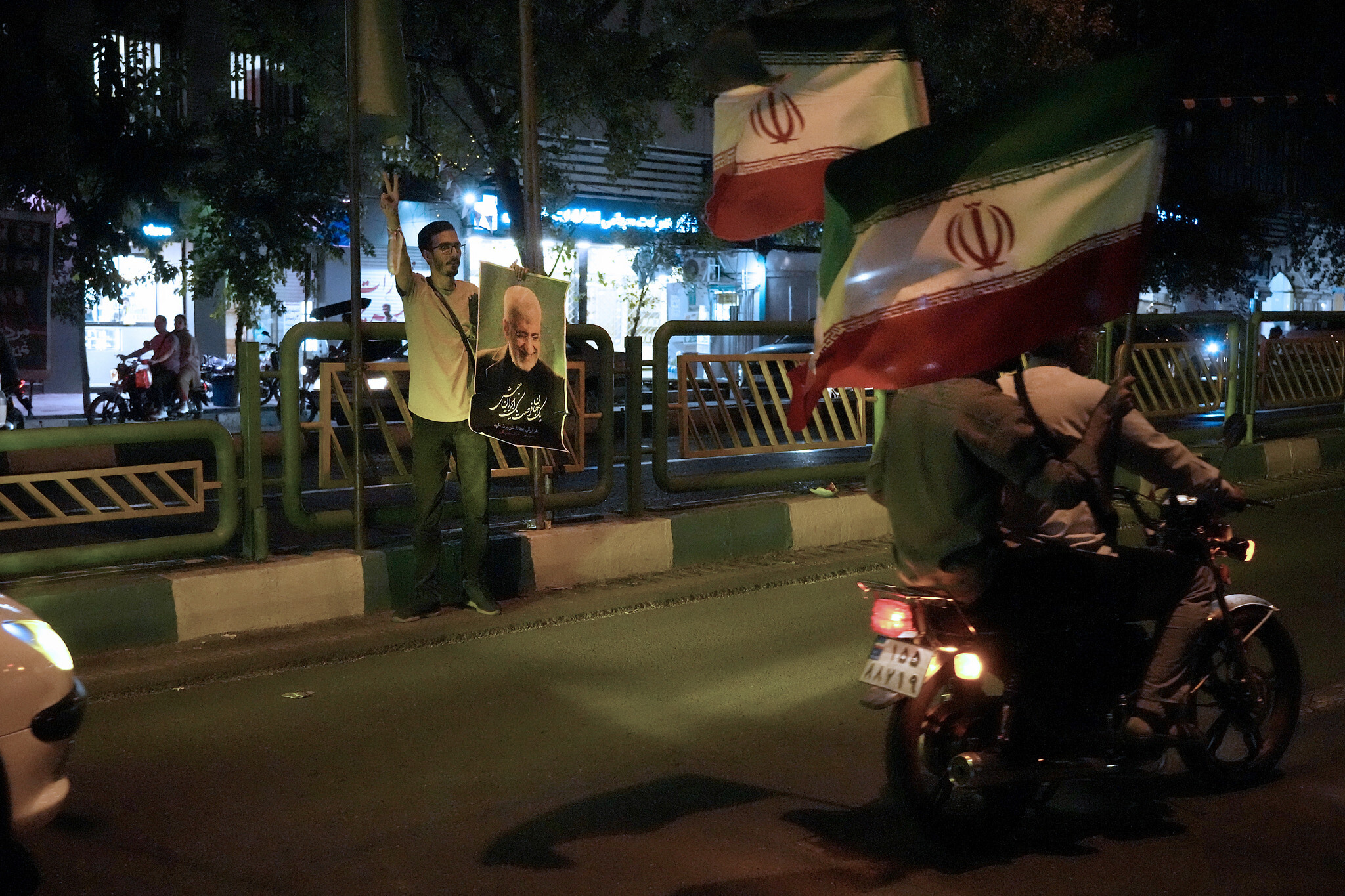
During campaign debates, Jalili criticized the moderates for having signed the 2015 nuclear accord which promised Iran sanctions relief in return for curbs on the program.
Jalili said the deal, which the United States withdrew from in 2018 under then-president Donald Trump, “did not benefit Iran at all.”
Pezeshkian has urged efforts to salvage the agreement and lift crippling sanctions on the Iranian economy.
“Are we supposed to be eternally hostile to America, or do we aspire to resolve our problems with this country?” he asked.
The contentious issue of the compulsory hijab also emerged during the campaign, almost two years since a vast protest movement swept the country after the death in custody of Mahsa Amini.
The young Kurdish woman had been arrested for an alleged violation of the country’s strict dress code for women.
In the televised debates, all candidates distanced themselves from the sometimes heavy-handed police arrests of women refusing to wear the hijab in public.
Pourmohammadi, the only clerical candidate, said that “under no circumstances should we treat Iranian women with such cruelty.”


The Times of Israel Community.