

 From
From King Abdullah warns incoming Israeli government not to cross Jordan’s ‘red lines’
 Add ToI as a Preferred Source on Google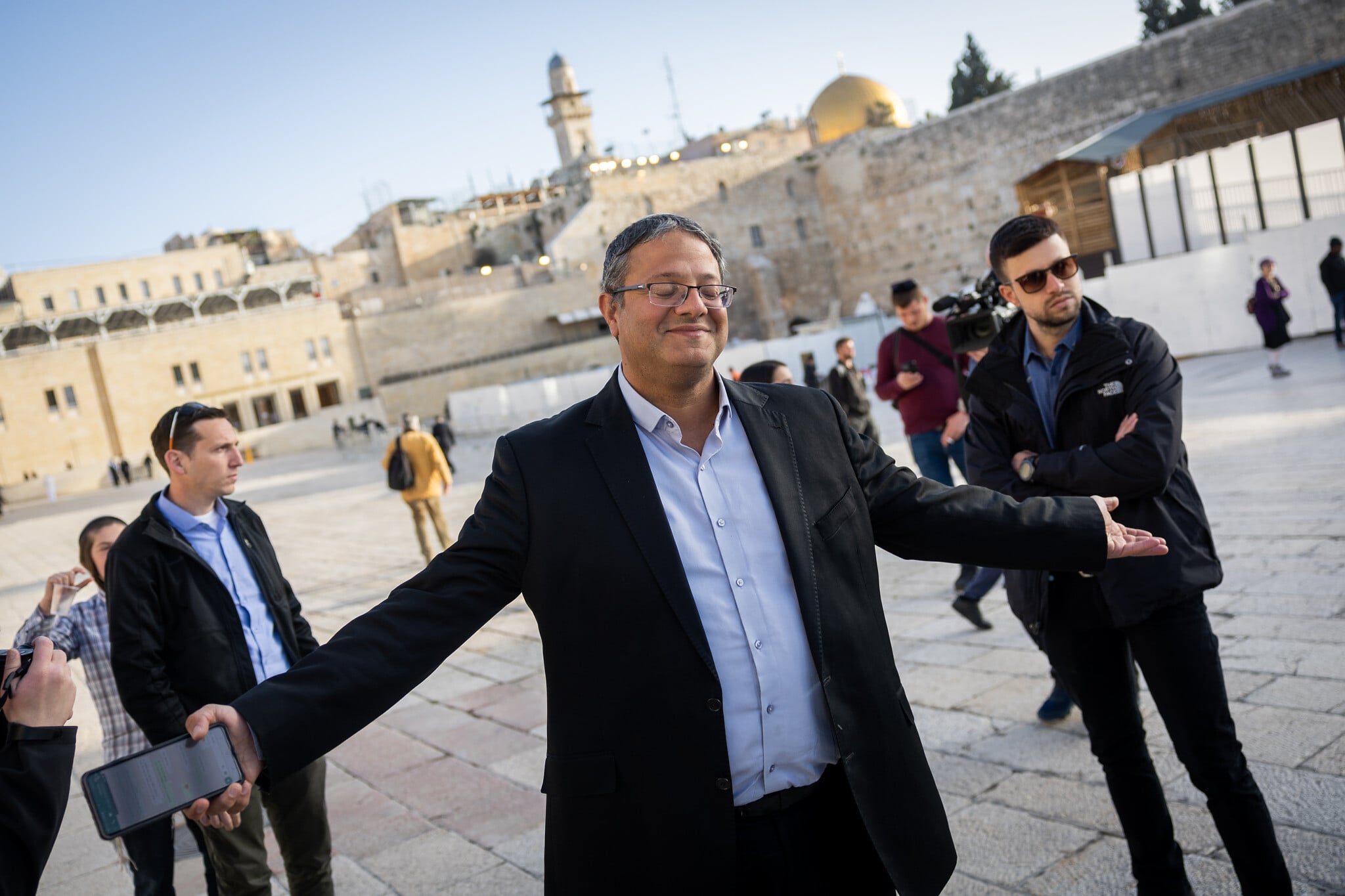
Jordan’s King Abdullah II warns the incoming Israeli government not to cross Jordan’s red lines with regard to Jerusalem’s holy sites.
In an interview with CNN, Abdullah is asked if he believes that the status quo in Jerusalem and Jordan’s role was threatened.
There is particular sensitivity around Israel’s ties with neighbor Jordan, which is a custodian of the Temple Mount, setting up a potential clash with hardline lawmakers from Netanyahu’s coalition like Otzmah Yehudit chair Itamar Ben Gvir who has pushed for Israel to assert its sovereignty over the Jerusalem holy site and allow Jewish worship at the site.
“You always have those people that will try and push that and that is a concern,” says Abdullah without mentioning names.
“If people want to get into a conflict with us, we are quite prepared. I always like to believe that let’s look at the glass half full, but we have set red lines and if people want to push those red lines then we will deal with that,” he says.
Abdullah notes that “there are a lot of people in Israel concerned as much as we are.”
הנה החלק הרלוונטי מהריאיון של מלך ירדן עבדאללה השני ל- @CNN
"תמיד יש אנשים שידחפו לשינוי במעמד המקומות הקדושים…
אם אנשים רוצים להיכנס לעימות איתנו – אנחנו מוכנים. אני רוצה להסתכל על חצי הכוס המלאה, אבל יש לנו קווים אדומים. אם יחצו אותם- נתמודד עם זה" https://t.co/Nhx0mR4Tz9 pic.twitter.com/SS1vadxspE— Shahar Alharal (@ShaharAl2) December 28, 2022
Jordan views itself as a custodian of the Temple Mount, a status Israel does not recognize, though it acknowledged the kingdom’s “special role” at the site in the countries’ 1994 peace treaty.
The Temple Mount is the holiest place in Judaism and the site of the third holiest shrine in Islam.
Israel captured the Temple Mount and Jerusalem’s Old City from Jordan in the 1967 Six Day War. However, it allowed the Jordanian Waqf to continue to maintain religious authority atop the mount.
Small changes at the site or to that arrangement are liable to spark protests which could snowball beyond Jordan or the Palestinians to the wider Muslim world.
Ben Gvir and others in the Religious Zionism-Otzma Yehudit alliance have long pushed for changes to the status quo, under which only Muslims are allowed to worship within the compound while Jews may visit Judaism’s holiest site, but not pray there.





The Times of Israel Community.