

Nearly 1 million Israelis called mental health hotline over three years of war
ERAN service says it handled 21,829 calls involving suicidality since October 7, 2023, such calls from teenagers and young adults nearly doubled; loneliness also surging
 Add ToI as a Preferred Source on Google
Reporter at The Times of Israel
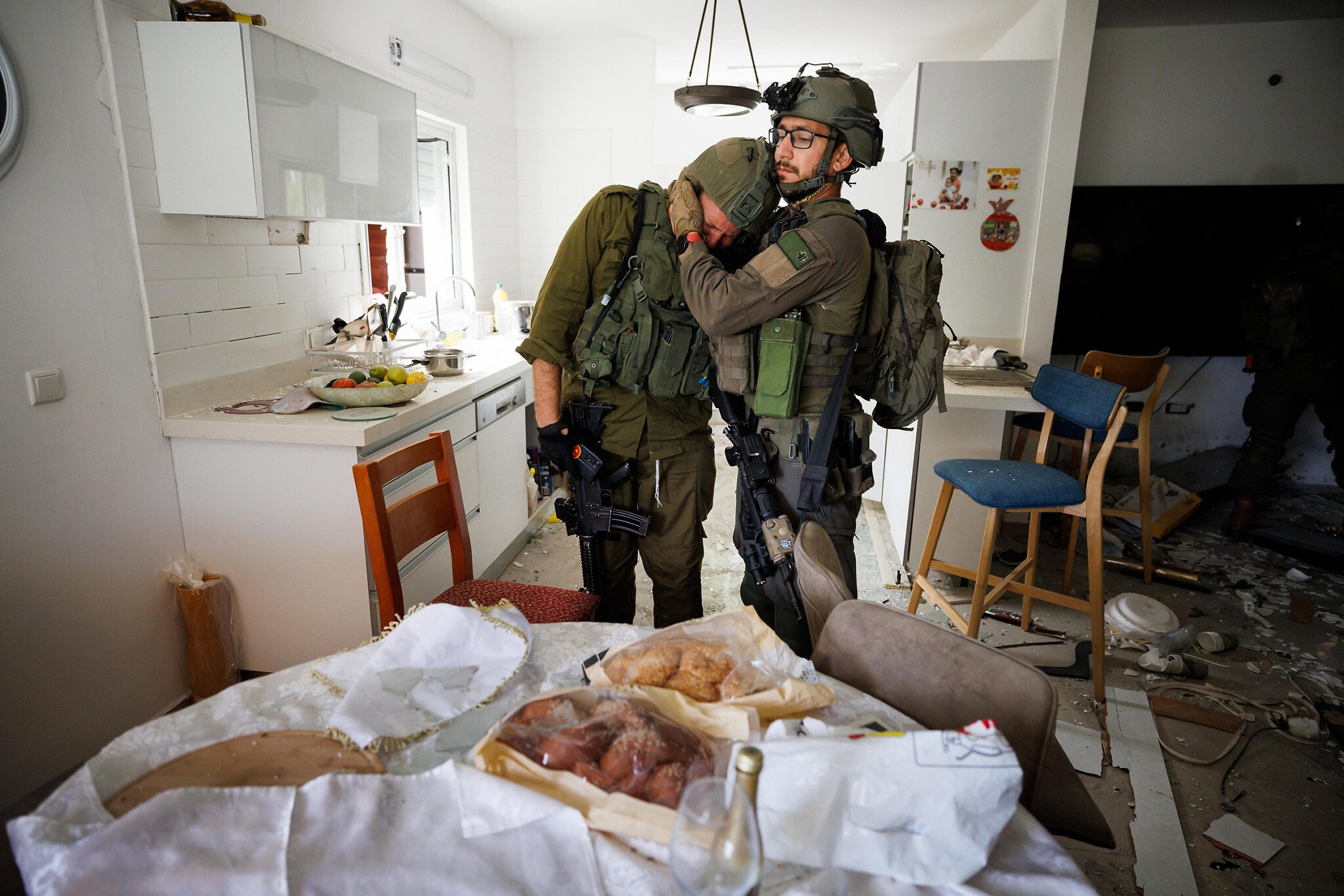
Nearly a million people have called the ERAN mental health support hotline for help since Hamas’s October 7, 2023 attack, the nonprofit emotional first aid service said in a report Tuesday.
Among teenagers and young adults, inquiries involving suicidal thoughts, intentions, or actions have skyrocketed in the three years since terrorists stormed southern Israel, killed 1,200 people, and kidnapped 251 people into Gaza.
“The three years of war have confronted us with a harsh and ongoing reality,” said David Koren, ERAN’s CEO. “Behind every call for help stands a person grappling with pain, loss, anxiety, loneliness, or burnout — and often a combination of these.”
While the volume of inquiries peaked during the first two years of the war, dropping slightly in the third, indicators point to continued emotional distress and increasing loneliness among the general population.
Over the past three years, ERAN’s network of 1,850 trained volunteers supported by mental health professionals responded to 928,911 inquiries — 774,604 phone calls and 154,307 digital contacts via WhatsApp, chat, SMS, and email.
In the initial months of the conflict, calls were dominated by acute trauma responses, panic, and grief. Over time, that immediate panic morphed into loneliness and chronic emotional distress.
Inquiries about loneliness surged across the general population, rising from roughly 28 percent of all calls in the first year to 41 percent in the third year, making it the service’s most common concern. ERAN professionals noted that this reflected the compounding psychological toll of prolonged uncertainty, family strain, and fractured social routines.
Calls for help from children, teenagers, and young adults up to age 24 climbed steadily over three years, eventually accounting for nearly a quarter of all contacts received by the organization. Among this demographic, the proportion of calls involving suicidal thoughts, intentions, or actions jumped from 2.6 percent in the first year to 4.4% in the third.
Across the entire population, ERAN handled 21,829 suicide-related contacts over the three years, representing about 2.35% of all inquiries.
The rate of inquiries involving suicidality, intentions, or actions increased from 2% of total calls in the first year to 2.2% in the second year and 2.83% in the third year.
ERAN officials stressed that this figure represents only the proportion of contacts to the help hotline where suicidal content was expressed, and that it is impossible to draw concrete conclusions about changes in actual suicidal behavior in Israel.
Suicidal distress develops from a complex combination of risk factors, life circumstances, and personal or social traits, rather than a single isolated cause, the officials said. However, they noted that the steady rise since the start of the war highlights the continued need for long-term, accessible help.
The strain on military personnel
The findings also captured the emotional and mental strain on military personnel. ERAN answered 160,000 calls from active-duty soldiers and reservists over the course of the war, with men accounting for 60% of those contacts.
Soldiers reported a dramatic jump in feelings of isolation, with loneliness accounting for 41% of military inquiries in both the second and third years.
ERAN professionals noted that soldiers can struggle to bridge the gap between their intense military experiences and life at home, often experiencing severe isolation. Additionally, reports of sexual abuse and violence among military service members rose from 5% in the first year to 10% in the second, and then dropped slightly to 8% in the third year.
A decrease in inquiries regarding anxiety, trauma, and loss
The percent of inquiries regarding psychological pain, depression, and acute mental distress declined from a spike of 26.6% in the first year to roughly 20% in each of the subsequent two years.
The proportion of inquiries regarding anxiety, trauma, and loss also decreased, from 18.4% in the first year to 10.6% in the second year and 9.6% in the third year.
The drop in these percentages does not necessarily indicate that mental distress has diminished or that the impact of the war has passed, ERAN professionals warned. Rather, it merely reflects a shift in the issues brought to the hotline.
Among adults aged 35 to 44, a group comprising many parents and active reservists, the number of those seeking assistance grew each year consistently. Women accounted for 56% of overall general public inquiries.
“The report reminds us that precisely within the illusion of routine, it is vital to notice those who are struggling and identify signs of distress,” Shiri Daniels, ERAN’s national professional director, said. She urged the public to “ask people directly about suicide” when concerns arise.
“Listen closely,” Daniels said. “That way, we can offer help before their distress deepens.”




The Times of Israel Community.