

Sex, drugs and anti-Zionism fuel this new woke novel about a Jewish summer camp experience
In ‘Lake Burntshore,’ far-left Jewish-Canadian author Aaron Kreuter explores the increasing Israel dissonance felt by North American Jewish youth, even in the most utopian of settings
 Add ToI as a Preferred Source on Google
Reporter at The Times of Israel
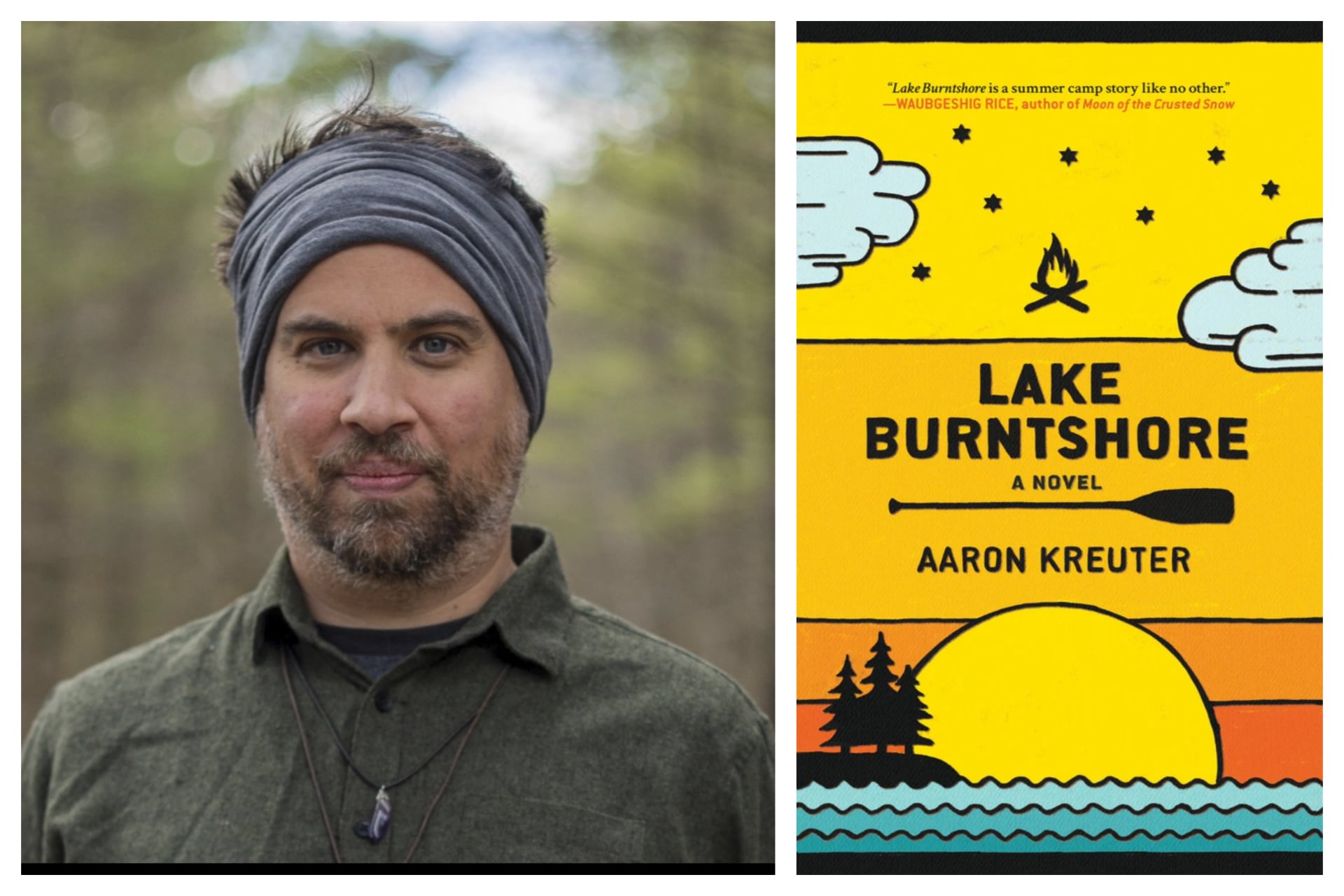
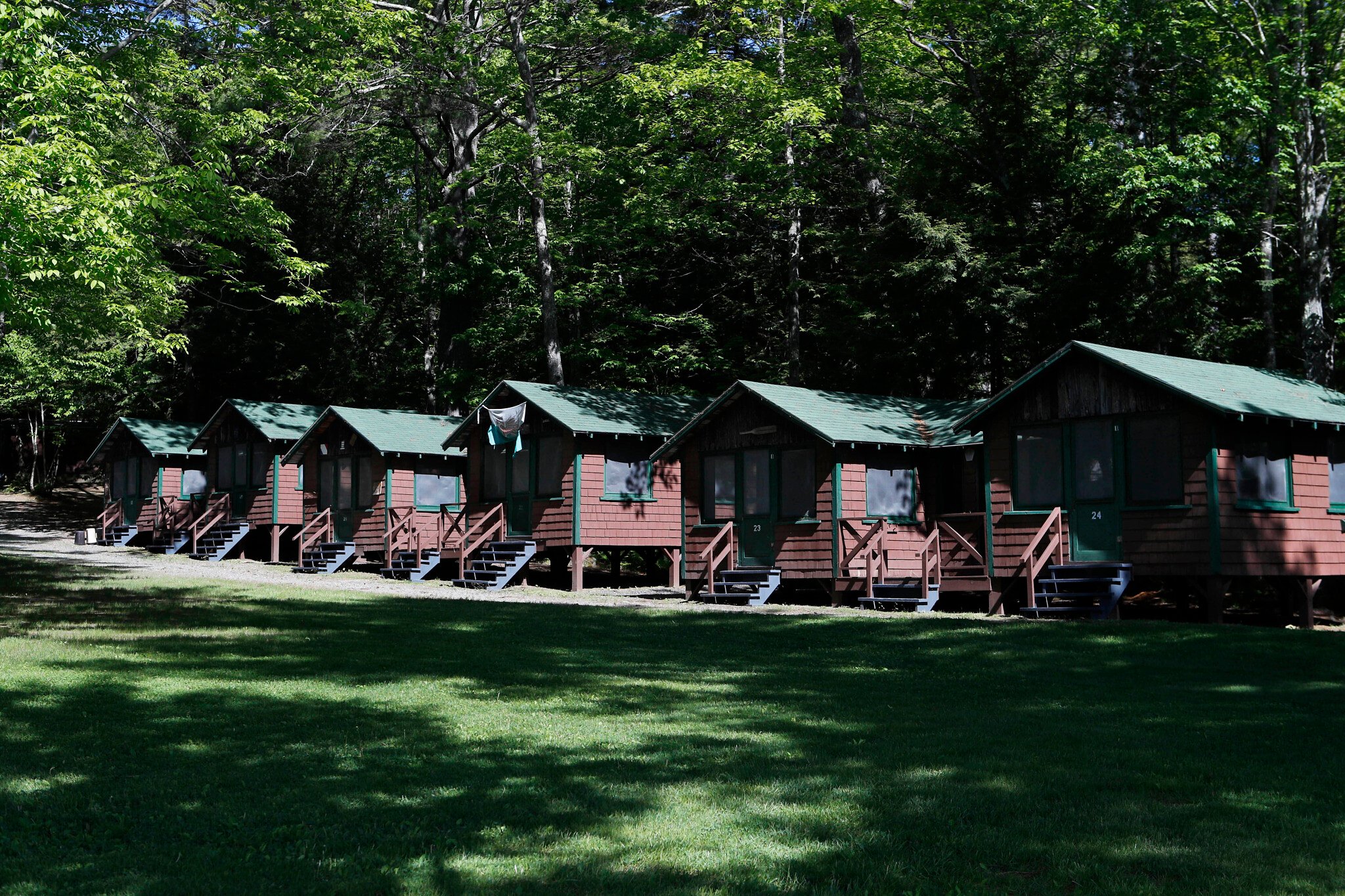
Set in the woods of Ontario, Camp Burntshore is a bacchanal of sex, drugs and rock ‘n roll. The counselors at this Jewish summer camp hook up in their cabins, smoke pot on the down-low and strum guitar tunes by the campfire. Yet this mainstay for North American Jewish youth is about to be interrupted by a concern from the wider world: The Israeli-Palestinian conflict.
Get ready for a camping trip like no other in “Lake Burntshore,” the new novel by Jewish-Canadian author Aaron Kreuter. Himself a former camper, Kreuter now brings a novelist’s eye to the experience, using it to explore not only a popular lifecycle event for many American and Canadian Jews, but also the growing diversity of views on Israel and Palestine.
“Jewish summer camp in North America is a very unique phenomenon,” Kreuter told The Times of Israel. “There are hundreds of camps, on all parts of various spectrums: Upper-class; more community-oriented; working-class camps; more [or less] religious, more [or less] Zionist … They’re a way into some of the major crises and chasms in the current Jewish world, especially in the Diaspora.”
The book’s main character is Ruby, a 21-year-old anti-Zionist camp counselor. A veteran at helping kids bond over activities like arts and crafts or walks through the wilderness, she also appreciates the summer break from the political battles over Israel and Palestine at her Toronto university.
That changes after an unexpectedly large number of fellow counselors get fired for smoking pot. The camp owner’s Zionist son, Brett, plugs the gap with an unexpected source: Five soldiers from the Israel Defense Forces. Ruby, who spends her college semesters taking anti-colonial courses and going to protests with her Palestinian bestie, Seema, is outraged that the “occupiers” are coming to her camp as replacement counselors. Here’s the plot twist: She has a Hot Anti-Zionist Summer with Etai, the one soldier of the five who also opposes the occupation. He’s even been jailed for refusing to serve in the West Bank.
“Ruby and Etai have an on-again, off-again relationship,” Kreuter said. “They teach each other a lot about their views in the world, their place in the world.”
“The relationship is one of the ways the novel makes this connection between settler-colonialism here in Canada, North America [or Turtle Island] and in Palestine,” Kreuter explained, using a Native American name for the North American continent.
They have a lovers’ quarrel when Etai tells Ruby he can’t completely disavow Israel, and that Canada has its own settler-colonial sins to atone for. Yet he later gives key support to Ruby when she learns another piece of shocking news. Brett is planning to enlarge the camp by covertly buying 10,000 acres of adjacent land that is owned by the government, but is the home of the Black Spruce First Nations community. In addition to using this land for the camp, Brett plans to lease it to mining companies.
Kreuter has crafted an ambitious plot, and he pulls it off in style. Nature plays a role throughout: The author said that the lake of the title is one of the characters, and that one of his favorite parts of the narrative incorporates the Earth’s core. “Lake Burntshore” shows what happens when young people of diverse political viewpoints are compelled to coexist within the same shared space. This mainly happens within the camp, including as counselors prepare for an annual staff talent show that becomes a bit too Zionist for Ruby’s taste, and as she debates the occupation and settler-colonialism in smaller settings, including the arts and crafts table, where she makes a Palestinian flag keychain for Seema.
“I was very much focused on representing various viewpoints in the Jewish world — in the Diaspora and in Israel itself,” Kreuter said.
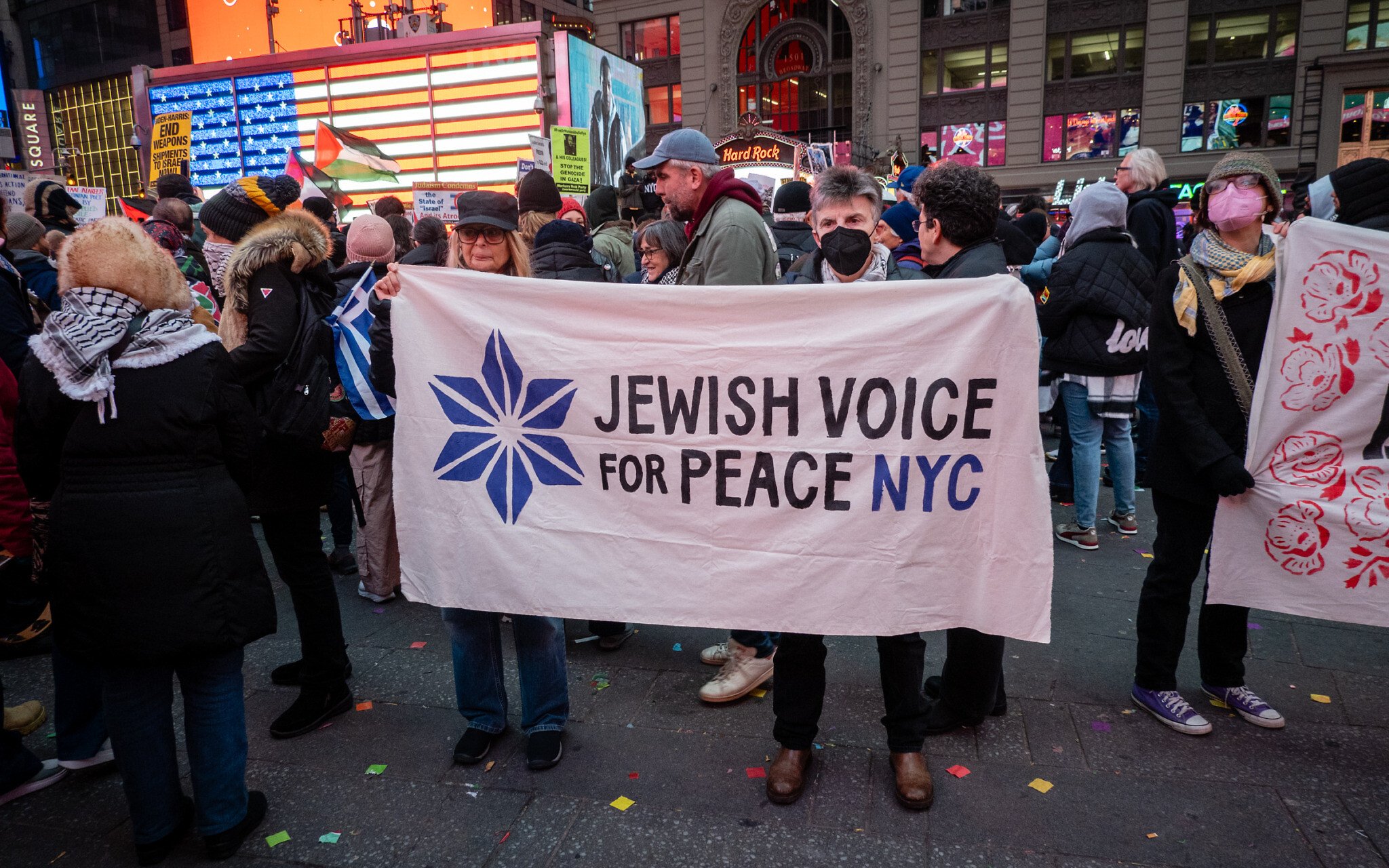
The author is no stranger to the theme of “two Jews, three opinions.” That includes “Rubble Children,” a short-story collection about a fictional Reform synagogue in a Toronto suburb and its opinionated congregation. (By day, Kreuter is an English literature professor at Trent University.) In “Lake Burntshore,” he brings his own memories as a former camper to the narrative, plus chats with family and friends about their experiences, and findings from the academic subdiscipline of — who knew? — Jewish summer camp studies.
“There’s a lot of material behind the fictional camp,” he noted.
The Times of Israel asked Kreuter if the sex, drugs and Phish were as prominent in his camp days as they are in “Lake Burntshore.”
“The short answer is yes,” he replied, adding that “some [Jewish summer camps] have way more partying, drugs and sex, and some less.”
One thing that’s changed the longtime camp dynamics is the war between Israel and Hamas in the wake of the October 7, 2023, Hamas invasion of Israel. While “Lake Burntshore” gives a nuanced look at the longtime practice of IDF soldiers serving as camp counselors, Kreuter has grown concerned about this practice.
Earlier this summer, Kreuter — who wrote in a follow-up email that “what the Israeli government and IDF are doing in Gaza is quite obviously a genocide” — penned an article for the anti-Zionist news website Mondoweiss about IDF members working as counselors in the current climate. Researching articles on the Jewish Agency for Israel website, he found that almost 1,500 Israeli soldiers were counselors across 158 North American camps in 2023.
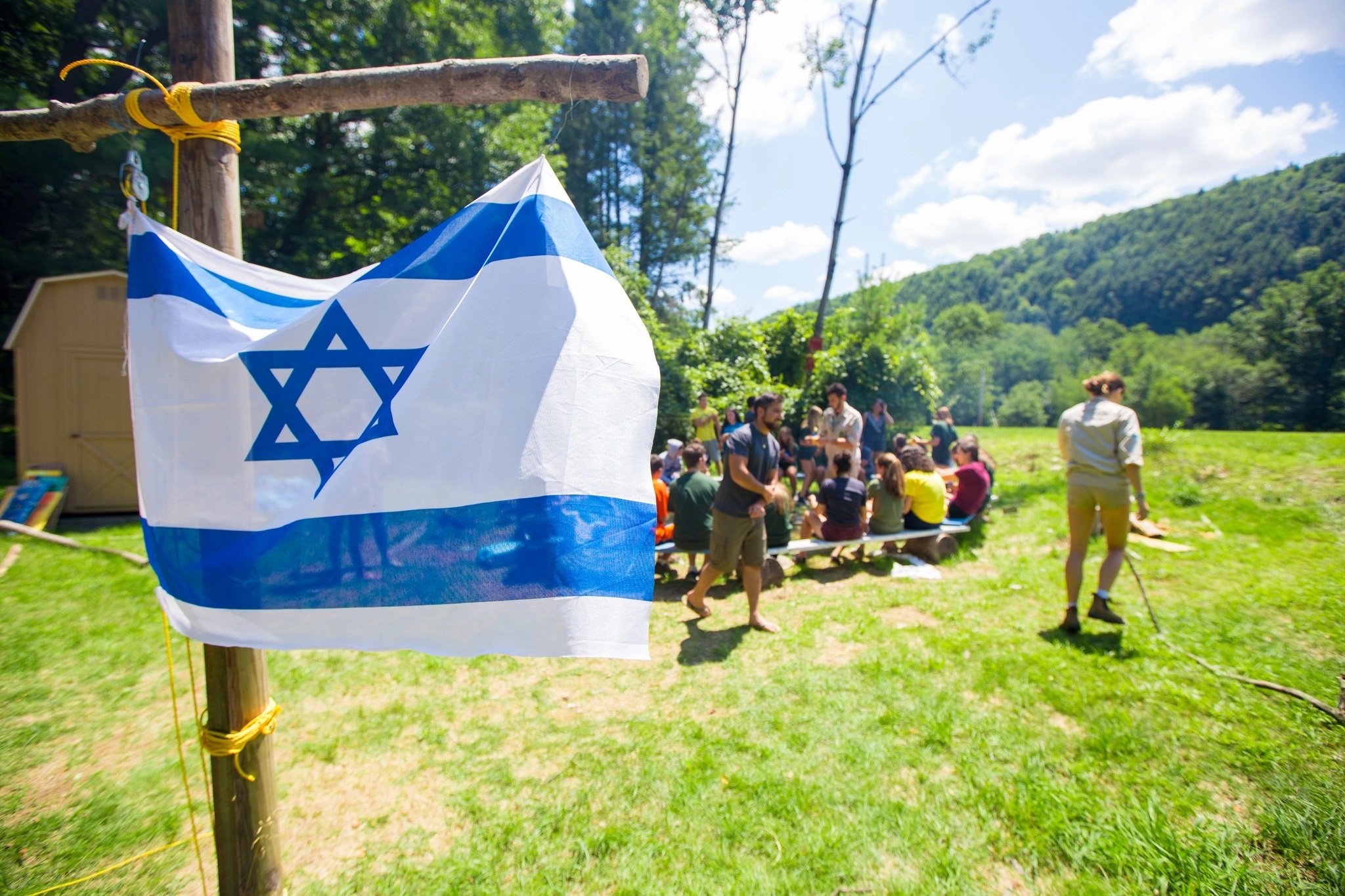
“The novel itself is about Israeli soldiers at a Jewish summer camp, which is a very real phenomenon,” Kreuter said. “They’re seen very much as cultural Zionist ambassadors, Zionist representatives, strengthening ideological connections between Israel and the Diaspora. It’s official Israeli government policy.”
“I was curious how the phenomenon shifted … since October 7,” he said. “I started Googling. It required reading a shockingly vast amount of articles … Basically, it can be confirmed that soldiers — many of them fresh from Gaza — were coming to summer camps, both last summer and this summer.” And, he said, “there is some pushback against having these summer camps be sites of Zionist indoctrination.”
This might be a good place to point out that while there are a lot of serious themes in “Lake Burntshore,” the author also has a lot of fun within the pages.
He dreams up a fictitious Hamilton-style musical about Zionism with catchy tunes that the campers and (some of) the counselors sing. Inspired by Theodor Herzl’s last novel, “Altneuland,” which imagined a Jewish homeland in what was then Ottoman Palestine, this made-up musical becomes the theme of the summer staff show. (It was so lifelike that it convinced this reporter that it was an actual Broadway show.) In the book, there’s also a fictitious band called Grizzly, which an assortment of camp affiliates go to see at a concert in Toronto.
“In the second half,” Kreuter said, “there are themes of characters leaving the camp — either to a cottage for a day off, on a camping trip, or to the city to see the concert. Leaving the camp and going to other locations helps make the camp much more real and lived-in, I hope.”
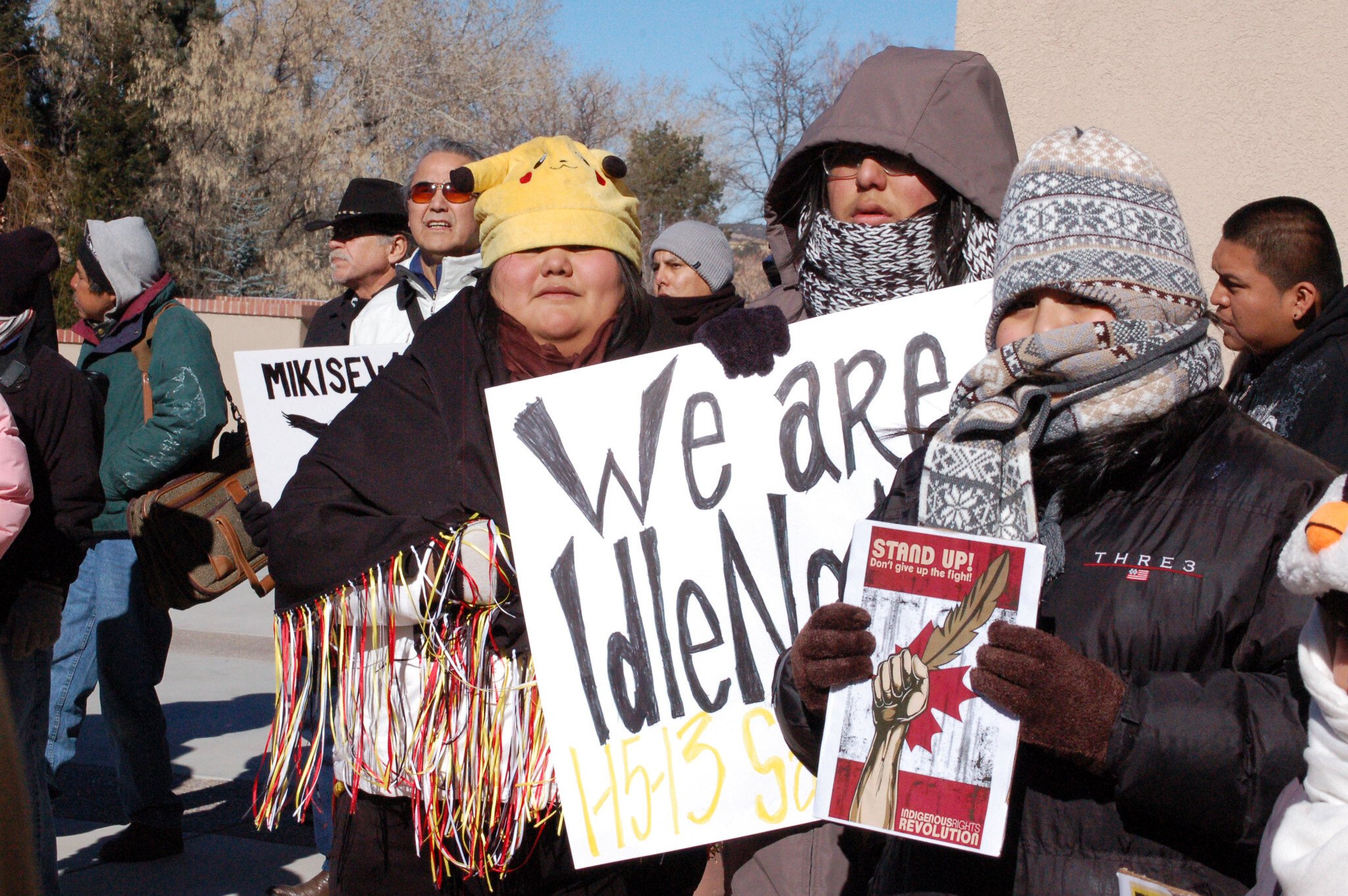
The plot coincides with what was an eventful real-life summer of 2013 in Canada, marked by the Idle No More protests on behalf of indigenous rights. The novel presents Camp Burntshore as having historically good relations with its Black Spruce neighbors, some of whom work at the camp — including head chef Cindy and her son Geoff, who is a talented musician and friend of Ruby. Tensions rise once Brett’s land grab is revealed. Cindy organizes indigenous protests outside Camp Burntshore. As for Ruby, after some counsel with Cindy and Etai, she must decide how far to take her own personal stand for the Black Spruce.
“Ruby, in trying to fight for what she thinks Camp Burntshore should be, brings to the fore all the questions about the land and how do we relate to the land,” Kreuter said.
With this summer’s Jewish camp season still in the rear-view mirror, consider picking up a copy of “Lake Burntshore.” While reading it, you may feel like you’ve completed an eight-day canoeing trip, strummed some guitar chords by the campfire, or gone skinny-dipping in a lake. By the end of the book, Kreuter has immersed readers in the life of the camp, while raising uncomfortable questions about the wider world beyond its gates.
Lake Burntshore by Aaron Kreuter
This article contains affiliate links. If you use these links to make a purchase, The Times of Israel may earn a commission at no additional cost to you.







The Times of Israel Community.