

UK to lower voting age to 16 in landmark electoral reform
Labour government says proposed changes are part of an effort to boost public trust in democracy; Conservatives say move is rushed and ‘hopelessly confusing’
 Add ToI as a Preferred Source on Google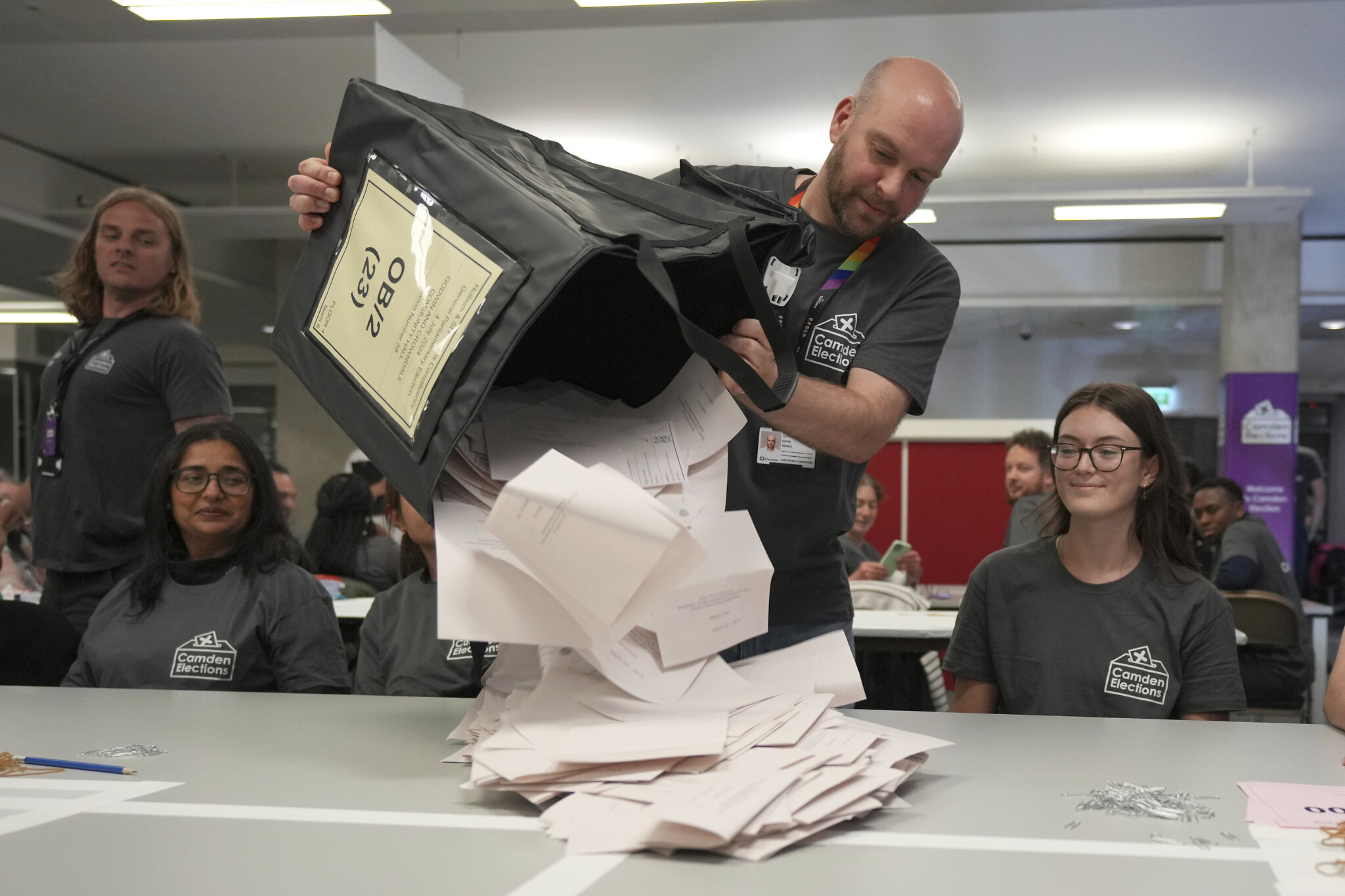
LONDON (Reuters) – The British government said on Thursday it planned to give 16- and 17-year-olds the right to vote in all UK elections, in a major overhaul of the country’s democratic system.
The government said the proposed changes were part of an effort to boost public trust in democracy and would align voting rights across Britain, where younger voters already participate in Scottish and Welsh local and parliamentary elections.
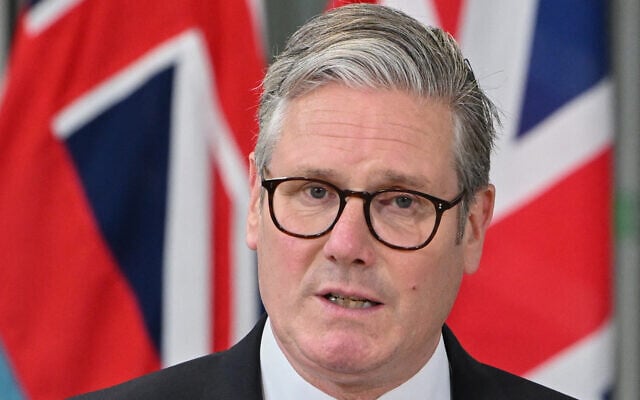
“They’re old enough to go out to work, they’re old enough to pay taxes… and I think if you pay in, you should have the opportunity to say what you want your money spent on, which way the government should go,” Prime Minister Keir Starmer told ITV News.
Globally, most countries have a voting age of 18. However, in last year’s European Parliament elections, European Union members could allow people as young as 16 to vote, a step taken by Germany, Belgium, Austria and Malta.
The change in Britain will require parliamentary approval, which is unlikely to present an obstacle because the policy was part of Starmer’s election campaign last year, which delivered his Labour Party a large majority.
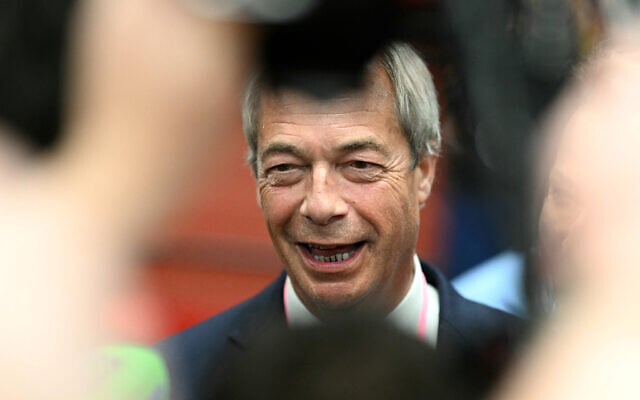
Following his victory, however, Starmer’s popularity has fallen sharply after a series of missteps set against a difficult economic backdrop. His party sits second in most opinion polls behind Nigel Farage’s right-wing Reform UK party.
A poll of 500 16- and 17-year-olds conducted by Merlin Strategy for ITV News showed that 33% said they would vote Labour, 20% would vote Reform, 18% would vote Green, 12% Liberal Democrats and 10% Conservative.
There are about 1.6 million 16- and 17-year-olds in the UK, according to official data. Just over 48 million people were eligible to vote in the last election, in which turnout fell to its lowest since 2001. The next election is due in 2029.
Britain’s Conservative Party — which is the second largest in parliament but is polling poorly — said the reforms were being rushed without proper consultation, and created an inconsistent set of laws for young people.
“Sixteen-year-olds will be able to vote in an election but not stand as candidates, and they will be able to vote but not permitted to buy a lottery ticket, consume alcohol, marry, or go to war. This is a hopelessly confusing policy,” said lawmaker Paul Holmes, the Conservative spokesman on community matters.
Research from other countries has shown that lowering the voting age had no impact on election outcomes, but that 16-year-olds were more likely to vote than those first eligible at 18.
“Voting at 16 will also help more young people to cast that all-important, habit-forming vote at a point when they can be supported with civic education,” said Darren Hughes, chief executive of the Electoral Reform Society.
In addition, to tackle foreign interference in the UK’s democracy, the government plans to tighten rules on political donations, including checks on contributions over 500 pounds ($670) from unincorporated associations, and to close loopholes used by shell companies.
“By reinforcing safeguards against foreign interference, we will strengthen our democratic institutions and protect them for future generations,” democracy minister Rushanara Ali said in a statement.










The Times of Israel Community.