

Wildcat labor strike brings Ben Gurion Airport to halt on busiest travel day of year
Airport back to full staffing but crowding and delays continue hours later; check-ins, arrivals were halted as workers protest personnel shortage; Netanyahu boots labor union’s leader out of Likud
 Add ToI as a Preferred Source on Google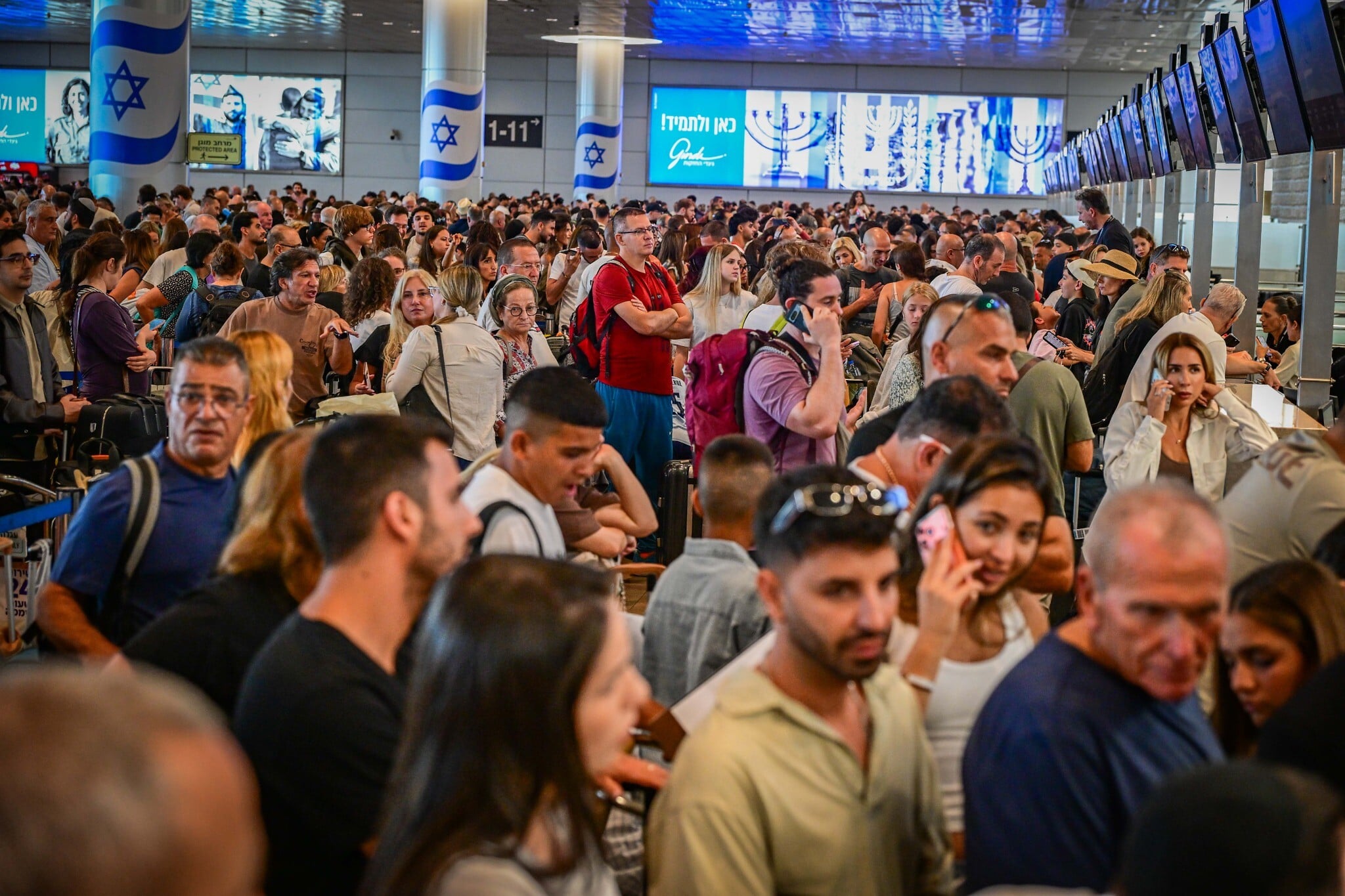
Ben Gurion Airport was thrown into chaos on Thursday after a wildcat labor strike shut down both check-ins and arrivals for more than an hour on what had been shaping up to be the busiest travel day of the year.
Staff left check-in counters unmanned and incoming flights were halted, causing massive delays after the Israel Airports Authority said the wildcat strike was called over workers’ complaints of insufficient personnel to handle the influx of passengers during the August vacation rush.
But the country’s umbrella labor union, the Histadrut, denied calling a strike and blamed the turmoil on persistent staffing shortages.
Employees had fully returned by 4 p.m., the airport said, though delays and crowding in the main terminal continued hours later, affecting tens of thousands of passengers, according to Hebrew media reports.
Prime Minister Benjamin Netanyahu weighed in on the dramatic developments, issuing a statement Thursday afternoon that “Ben Gurion Airport will continue to be open and operate as usual. Anyone who stands in the way will be sent home.”
The ruling Likud party said later Thursday night that Netanyahu ordered the termination of the party membership of the Ben Gurion Airport workers’ union chief, Pinchas Idan, over the strike.
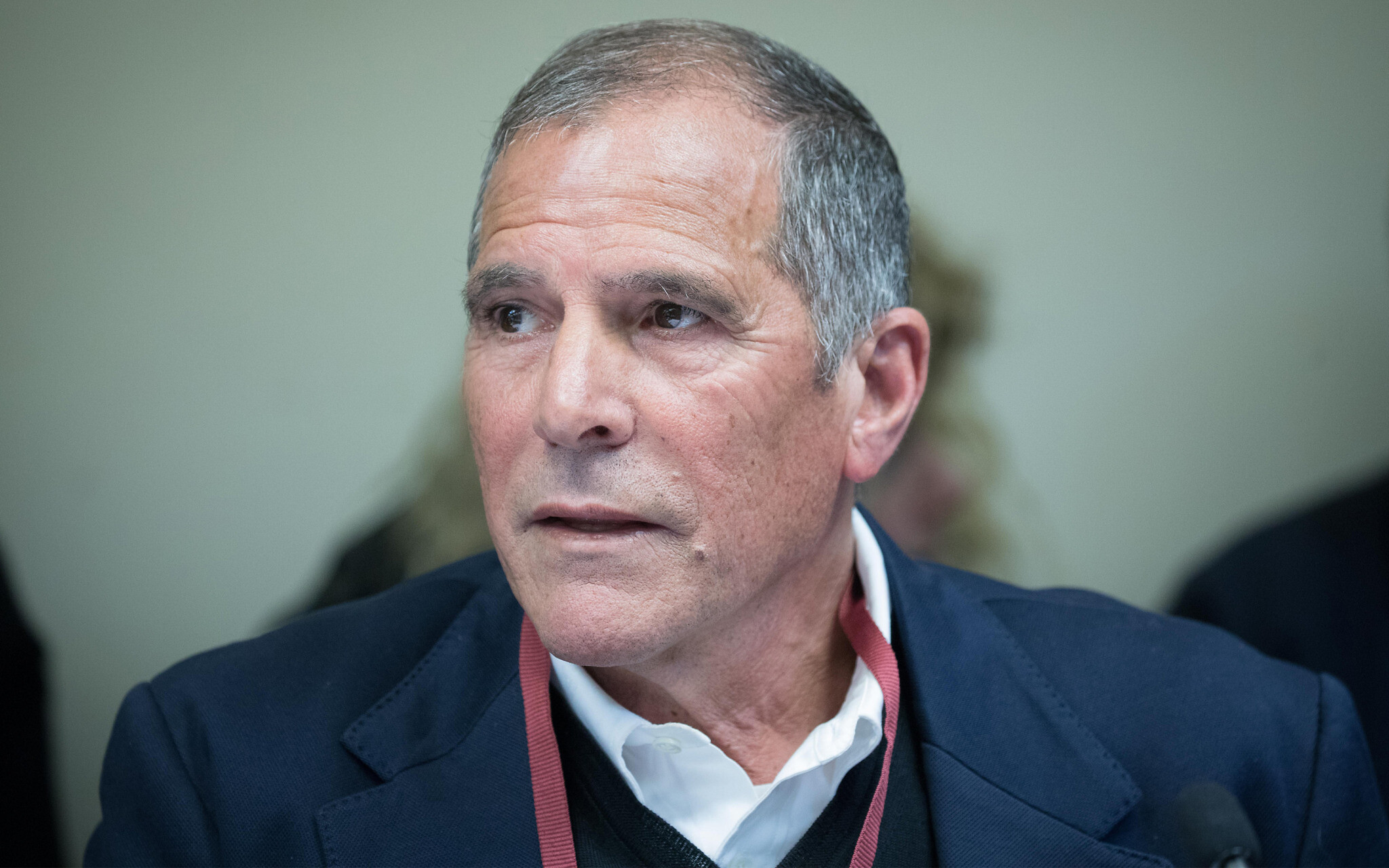
The statement said that the decision was made “due to the wild and illegal strike at the airport that harmed citizens and damaged the economy.”
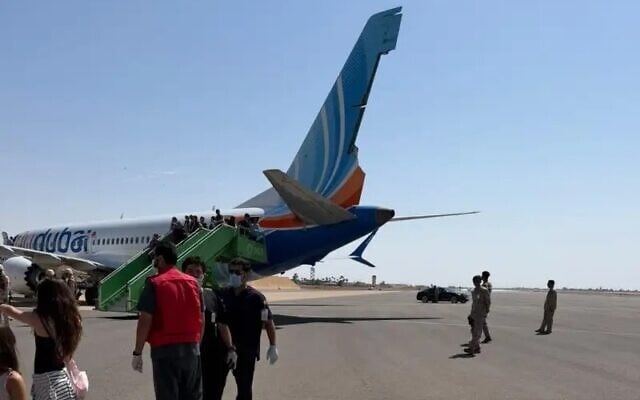
The stoppage went into full force at 2 p.m. on Thursday after large crowds had already endured delays and uncertainty for several hours. The airport had been plagued for weeks by flight delays, lengthy waits at baggage claim, and other issues caused by the annual travel surge that the summer months bring. The situation at the airport has been further compounded by the presence of US refueling tankers, which have been parked there due to the conflict with Iran, taking up space usually used by commercial jets.
At 12:30 p.m., the Israel Airports Authority said in a statement that it was dealing with worker disruptions that were affecting operational activity and threatened to appeal to the Labor Court to prevent further work stoppages. At 2 p.m., however, the IAA announced that all arrivals would be halted and that departures would be slowed down due to a strike ordered by the labor union.
“Shutting down operations at Ben Gurion Airport at the height of the summer season is an extreme, difficult and unnecessary step, which primarily harms the public,” the IAA wrote in a statement. “Thousands of passengers, including children and families who planned their summer vacations for months, may find themselves without the possibility of going abroad or returning to Israel.”
הכאוס בנתב"ג: הנחיתות וההמראות יחודשו החל מ-15:00@AnnaPines_ pic.twitter.com/wubkzKI3OZ
— כאן חדשות (@kann_news) August 20, 2026
The IAA then announced that operations were slated to resume gradually beginning at 3 p.m. An hour later, the IAA said that employees had “returned fully to work” following a conversation between the IAA chairman and the worker’s labor union, noting that ongoing delays were still likely throughout the day.
In addition, the IAA and labor union “agreed that a significant effort will be made to increase the scope of the workforce and respond to operational needs,” the airports authority said.
Many airline companies informed passengers that most flights will take off without their checked baggage loaded on in order to make up for the delays on Thursday.
The Finance Ministry said the strike caused estimated damage totaling NIS 25-30 million ($8.3-10 million).
Thursday was expected to be the busiest travel day of the past 12 months, with some 107,000 passengers expected to flow through the airport, and more than 600 scheduled takeoffs and landings.
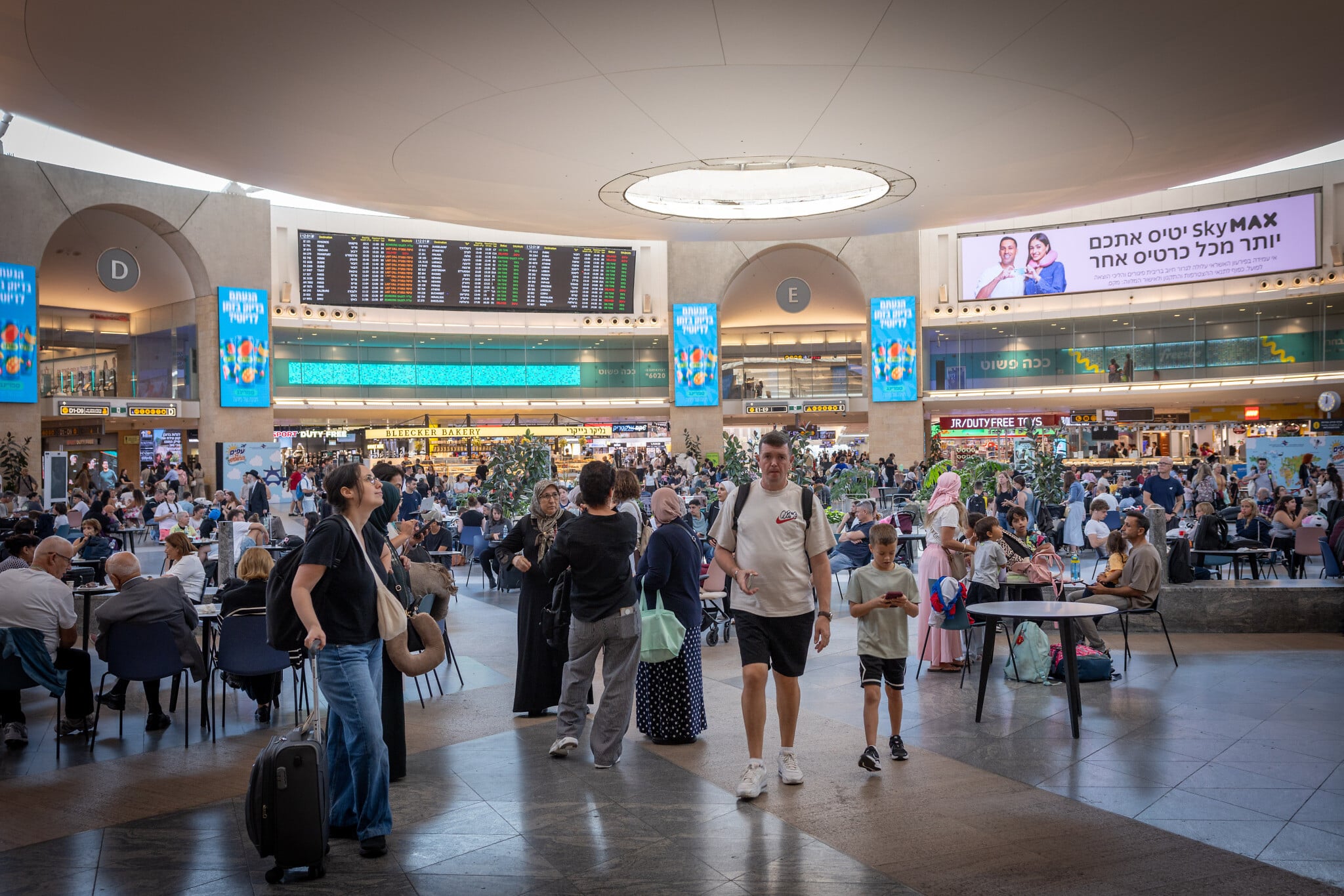
According to Channel 12, workers were told to shut down the check-in counters at Ben Gurion’s main terminal, Terminal 3, and commence the strike after hours of operational difficulties, including the airport’s luggage handling facilities reaching capacity, meaning checked baggage could no longer be processed.
Would-be passengers interviewed on TV news talked about debating how much of their belongings they could stuff into carry-on bags.
Before the IAA announcement, Hebrew media reported that an Air France flight had turned back while en route to Israel, with dozens of other planes expected to follow suit.
בלגן בנתב"ג. אלפים תקועים שם כבר שעות ארוכות לפני או אחרי טיסות, המזוודות נעלמות ופנחס עידן חוגג אבל אל דאגה. ברגע שהשרה רגב חוזרת ממרוקו ודקה אחרי שהיו"ר יפתח רון טל מסיים פאנל לקקני בערוץ המשטר, הם יטפלו במשבר. סמכו עליהם. pic.twitter.com/VJRnMrH1kQ
— יוסי מזרחי Yossi Mizrachi (@yosimiz1) August 20, 2026
Despite the shutdowns at the airport, the transportation division of the umbrella Histadrut labor union denied issuing a work stoppage directive at Ben Gurion Airport and sought to redirect attention to personnel shortages there.
“The attempt to present the chaos at Ben Gurion Airport as the result of a ‘surprise strike’ misses the truth and diverts attention from the real failure: the grave personnel crisis and lack of sufficient preparation for the summer,” the union said.
“The writing was on the wall, warnings went unheeded and now the public is paying the price,” it continued. “Ben Gurion Airport workers are doing their utmost to keep the system running, but you can’t make a national airport run on the unending burnout of its workers.”
Transportation Minister Miri Regev, who is in Morocco on a “private” seven-day trip with top ministry officials that started Wednesday, said in response to the work stoppage that she had instructed the Airports Authority to immediately petition the Labor Court against the workers’ union “to force them to stop the illegal, bullying strike.”
“Anyone who decides to take tens of thousands of Israeli citizens hostage will pay a heavy price,” she said.
Regev, Netanyahu and top ministry officials had been at the airport on Wednesday, where they met with workers and passengers and were briefed on the airport’s operations during the busy summer travel season.
יחד ראש הממשלה בנימין נתניהו ביקרנו היום בנמל התעופה בן גוריון, סיירנו במגדל הפיקוח ונפגשנו עם עובדי נתב״ג ונוסעים.
במהלך הביקור הוצגה לראש הממשלה הפעילות המבצעית והתפעולית של נתב״ג, לצד עבודתם של אלפי העובדים הפועלים מדי יום לשמירה על רציפות תפקודית ושירות מיטבי לנוסעים, בעונת… pic.twitter.com/PgYdFq9CDT
— מירי רגב (@regev_miri) August 19, 2026
Channel 12 news reported that the strike was originally planned for Wednesday in order to disrupt Regev’s flight, but was delayed because of Netanyahu’s visit.
The report, which cited unnamed senior officials in the Israel Airports Authority, said Idan decided it would be “too much” to disrupt the premier’s visit.
The report claimed workers were eventually ordered to disrupt the baggage transfer to Regev’s flight, but that this only resulted in a minor delay.
The IAA officials were said to claim that Idan, who normally has a good relationship with Netanyahu and Regev, decided to blow up talks on potentially extending his tenure in exchange for the reorganization of employees’ working conditions, which he opposes.
Idan denied the report.








The Times of Israel Community.