

IDF admits Israel overestimated damage to Hezbollah, believes Iran can keep firing missiles as long as war continues
Maj. Gen. Rafi Milo acknowledges ‘gap’ between post-2024 expectations and Hezbollah’s current capabilities; top intel officer assesses Iran still has over 1,000 ballistic missiles
 Add ToI as a Preferred Source on Google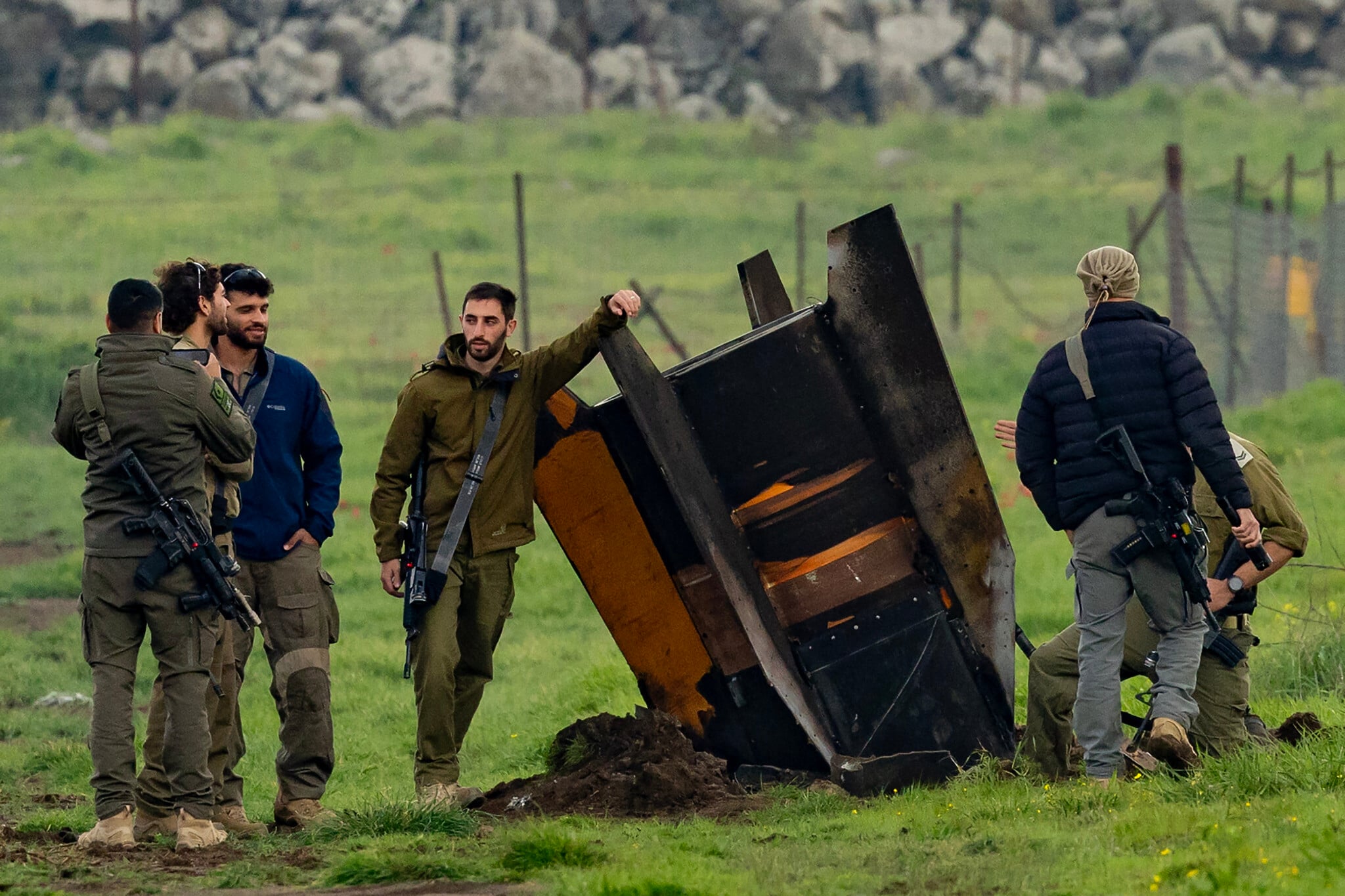
The head of the Israel Defense Forces’ Northern Command has acknowledged that the military overestimated the damage done to Hezbollah’s capabilities during the 2024 ground offensive in Lebanon, as evidenced since the terror group returned to attacking Israel in recent weeks amid the fighting with Iran.
Separately, a senior Israeli Air Force intelligence officer assessed that Iran will be able to continue launching ballistic missiles at Israel for as long as the war continues, and estimated that the regime still has more than 1,000 ballistic missiles capable of reaching Israel.
Regarding Hezbollah, Maj. Gen. Rafi Milo met on Tuesday with a group from Misgav Am after one of the northern kibbutz’s residents, 60-year-old Ofer Moskovitz, was mistakenly killed by IDF artillery shelling last month.
In recordings aired by Channel 12 on Saturday evening, Milo could be heard apologizing to the residents, acknowledging that the lethal incident “shouldn’t have happened.”
He then admitted that there was a “gap” between the IDF’s assessment of damage caused to Hezbollah’s offensive capabilities during the 2024 ground operation in southern Lebanon, and the force with which the terror group has been striking Israel’s northern communities in recent weeks.
His comments came more than a month after Hezbollah, which is backed by Iran, renewed its rocket and drone fire on Israel amid the US-Israeli war with the Islamic Republic.
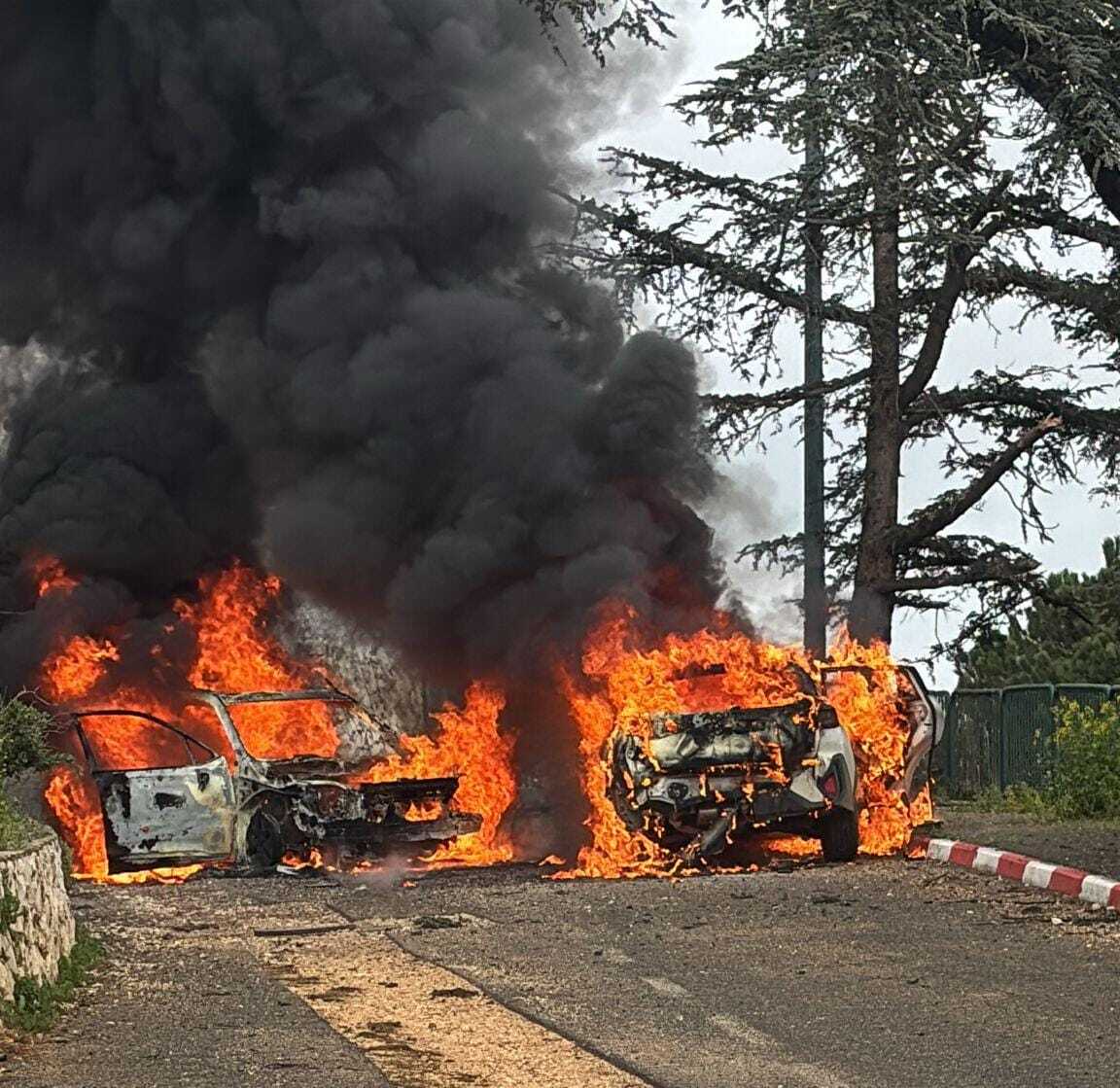
Since then, Hezbollah has been firing hundreds of rockets a day, according to the IDF. The vast majority of the daily rocket fire has been directed at Israeli forces operating in southern Lebanon, with several dozen projectiles crossing the border into Israel.
“There is a gap between how we finished [Operation] ‘Northern Arrows’ and what we understood and thought, and how suddenly, we still find Hezbollah [active], Milo said to residents.
“What I’m sure is concerning you all is the steep-trajectory [rocket] fire,” he said, moving to reassure them that the terror group had yet to launch rockets in “very, very large amounts,” and that most of those they did fire were aimed at IDF troops.
Despite his attempts to calm residents’ nerves, Channel 12 reported that a day after Milo’s meeting, the IDF shifted its assessment of Hezbollah’s current capabilities, understanding the terror group to be stronger still than estimated.
The change came in the wake of the heavy rocket barrages launched by Hezbollah at Israel over the course of the Passover holiday, which began Wednesday evening.
Now, officials reportedly estimate that the terror group has hundreds of launchers and tens of thousands of rockets at its disposal.
Before the outbreak of the war triggered by the October 7 Hamas-led attacks in southern Israel, estimates in 2023 put Hezbollah’s arsenal at around 150,000 rockets and missiles.
But the stockpile was widely believed to have been significantly reduced by IDF raids on Hezbollah’s munition storage and production facilities during the year of fighting that ensued after it began attacking Israeli communities and military targets on October 8, 2023.
The group’s ability to smuggle in weapons and parts was also significantly hampered by the loss of Syria as a viable transport route following the overthrow of the Bashar al-Assad regime in late 2024.
And in 2025, in accordance with the terms of the US-brokered ceasefire, the Lebanese army also began confiscating weapons from Hezbollah as it deployed across southern Lebanon. Just weeks before the new round of fighting began, it declared that the area between the Israeli border and the Litani River had been demilitarized.
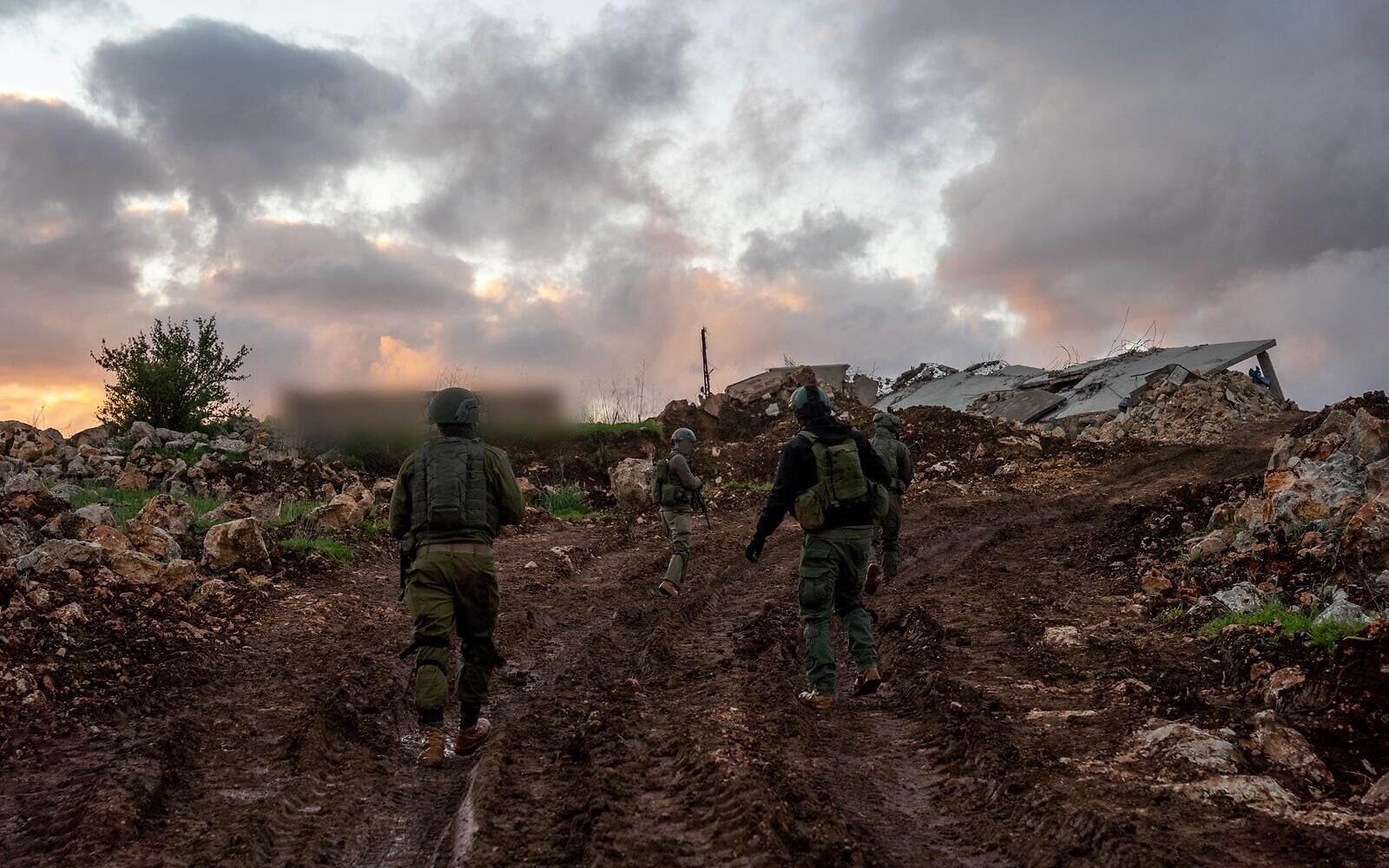
But Israel, which at that point was maintaining a troop presence in five key locations in southern Lebanon to defend the border, was skeptical about the Lebanese claim, maintaining that Hezbollah was rearming faster than it could be disarmed.
With this in mind, the IDF had estimated that 70-80 percent of the terror group’s rocket fire capabilities had been destroyed in the months of open warfare against the group in the fall of 2024, and damaged further in regular strikes following a ceasefire in December of that year.
At the start of the renewed fighting last month, the IDF believed Hezbollah still possessed thousands of short-range rockets, along with hundreds of longer-range projectiles — a far cry from the tens of thousands it now allegedly believes the group to have access to.
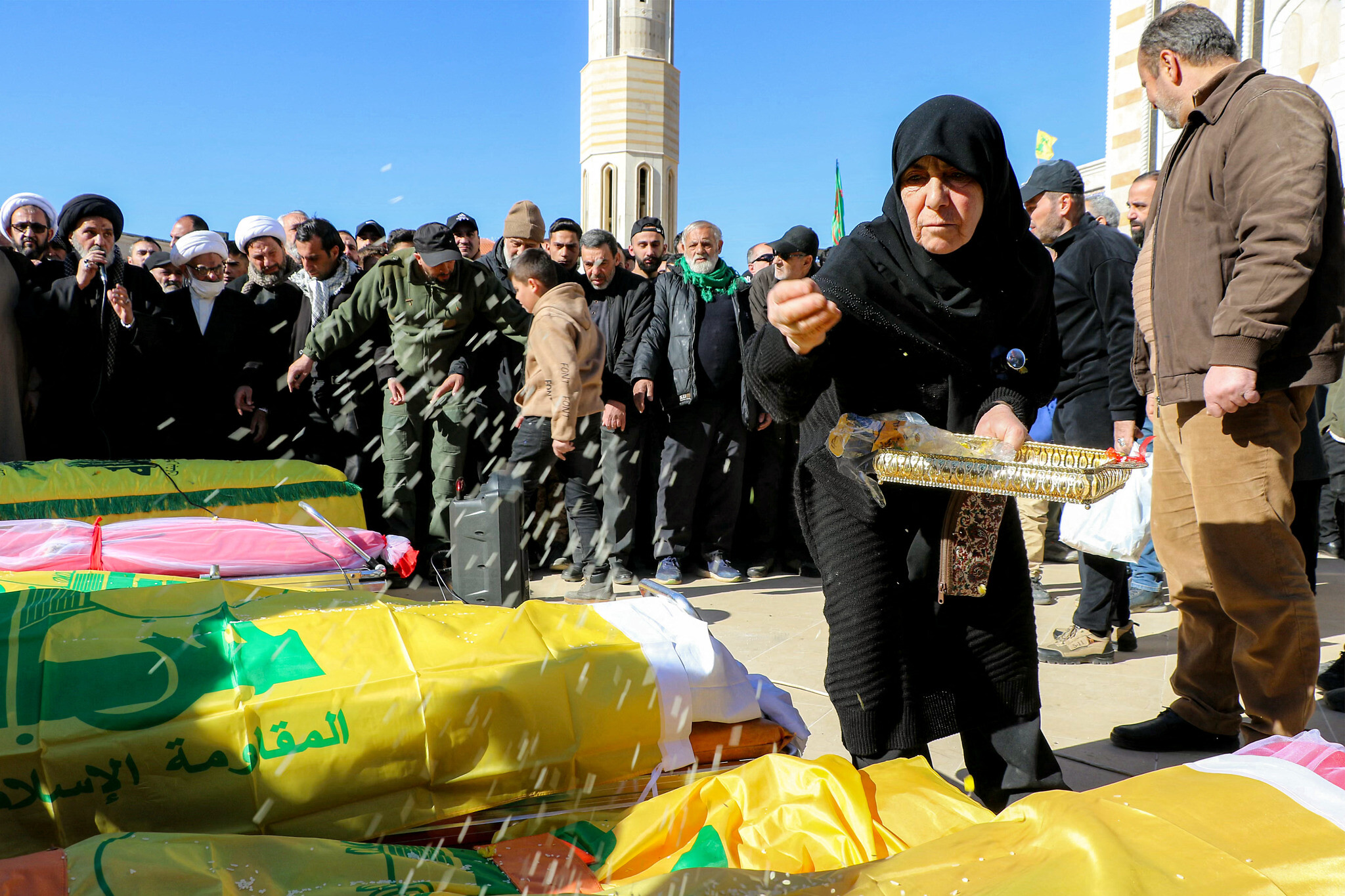
Since March 2, the IDF has said it has killed some 1,000 Hezbollah operatives, including hundreds of members of the terror group’s elite Radwan Force.
More than 3,500 Hezbollah targets in Lebanon have also been struck, including hundreds of command centers, weapon depots, and rocket and missile launchers, according to the IDF.
In the same period, eleven IDF soldiers were killed in southern Lebanon, two civilians were killed by Hezbollah rockets, and Moskovitz was mistakenly killed by Israeli shelling.
Iran thought to still have large stock of ballistic missiles
Separately on Saturday, an Israeli Air Force intelligence officer told Channel 12 news that the IDF believes Iran still has more than 1,000 ballistic missiles capable of reaching Israel.
“The Iranians have more than 1,000 missiles that are capable of reaching Israel,” said Lt. Col. “Tet,” who leads the research on Iran’s missiles and drones in the Air Intelligence Group, the IAF’s intel unit.
At the start of the war, the IDF assessed that Iran had 2,500 ballistic missiles. Iran has since fired over 500 missiles at Israel, as well as hundreds at other countries in the Middle East, and potentially hundreds of missiles were destroyed in strikes.
Missile fire from the Islamic Republic on Israel has slowed to around 10-15 missiles a day in recent weeks, down from around 90 on the first day of the war on February 28.
A senior Western official told the New York Times in a report published Friday that Iran has been firing around 15-30 ballistic missiles across the region each day.
Since the start of the conflict, the military assessed that attacks from Iran would continue as long as the war is active, and the rate of missile fire could even increase.
“In all honesty, I assess it will not reach zero [launches a day],” the officer told Channel 12 news in an interview.
“I think they will continue to launch ballistic missiles. I don’t think it will be significantly more than what we have seen,” he said.
On Friday, The New York Times reported that US intelligence has assessed that Iranian personnel are digging out bombed underground missile bunkers and silos from the rubble, bringing them back into service within hours after being struck by the US and Israel.
The report came after CNN also cited a US intelligence assessment that around half of Iran’s ballistic missile launchers are still intact despite over a month of US and Israeli strikes across the country.
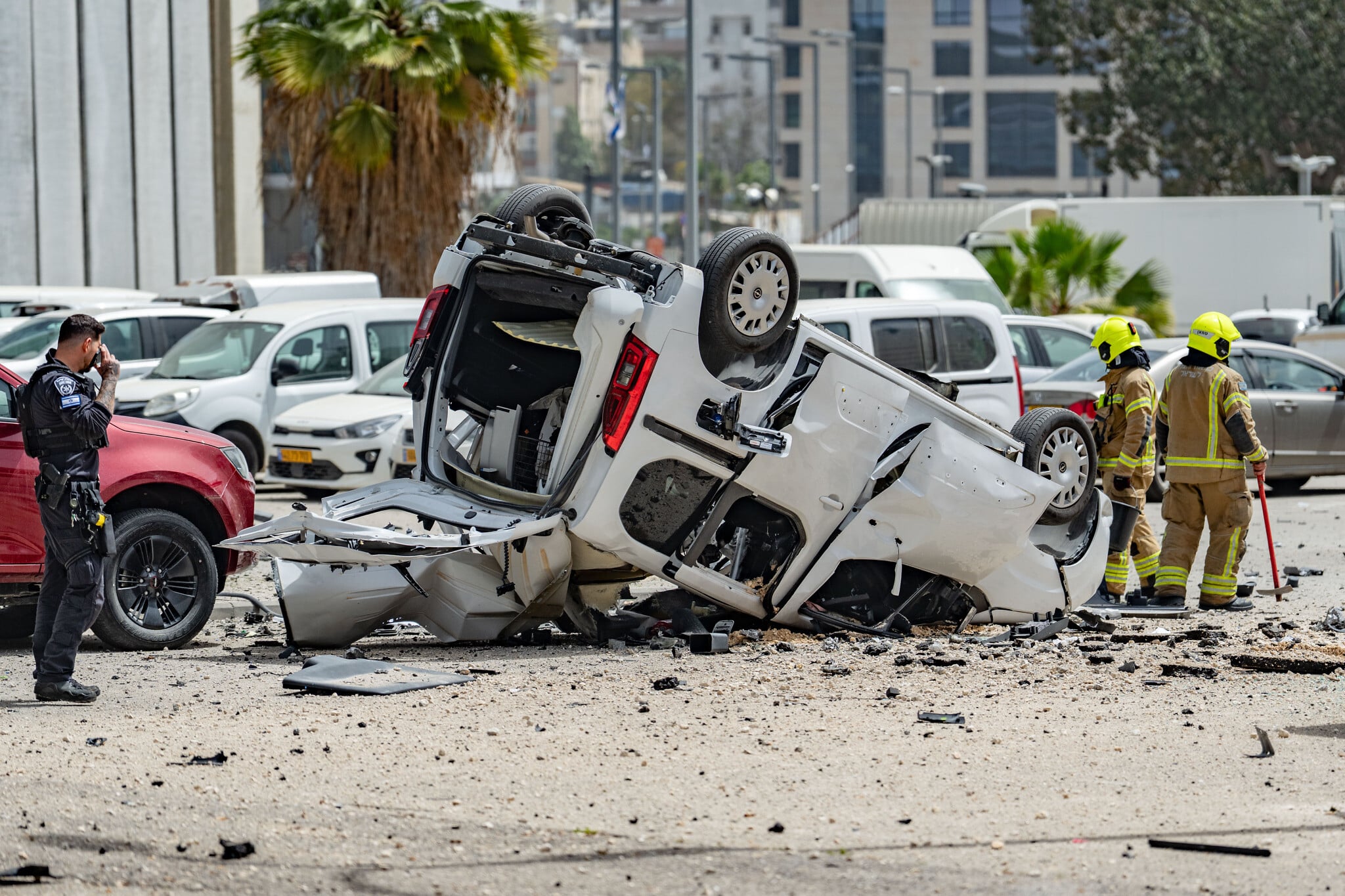
Of the more than 500 ballistic missiles launched at Israel from Iran since February 28, 12 carrying conventional warheads with hundreds of kilograms of explosives have struck populated areas in Israel, causing extensive damage. There have also been more than 30 incidents of missiles carrying cluster bomb warheads hitting populated areas, with over 200 separate impact sites.
The military has reported an interception rate of 92% against attacks heading for populated areas and key infrastructure.
Sixteen Israeli civilians and foreign nationals have been killed in Israel in Iranian ballistic missile attacks, along with four Palestinians in the West Bank.
The Israeli Air Force has conducted hundreds of waves of strikes in Iran in the same period, dropping over 13,000 bombs on Iranian regime and military sites, including air defense systems, ballistic missile launchers, weapon production sites, nuclear facilities, and various headquarters.
The IDF has estimated that some 5,000 Iranian soldiers have been killed in Israeli strikes, along with tens of thousands more wounded, many of them members of the internal security forces and Basij paramilitary force.
Emanuel Fabian contributed to this report.









The Times of Israel Community.