

Iran diplomacy stalls as Hormuz becomes focal point of mediation efforts
Trump says although Iran ‘offered a lot’ in most recent proposal, it was still ‘not enough;’ Tehran tries persuading Oman to support mechanism to collect tolls in strait
 Add ToI as a Preferred Source on Google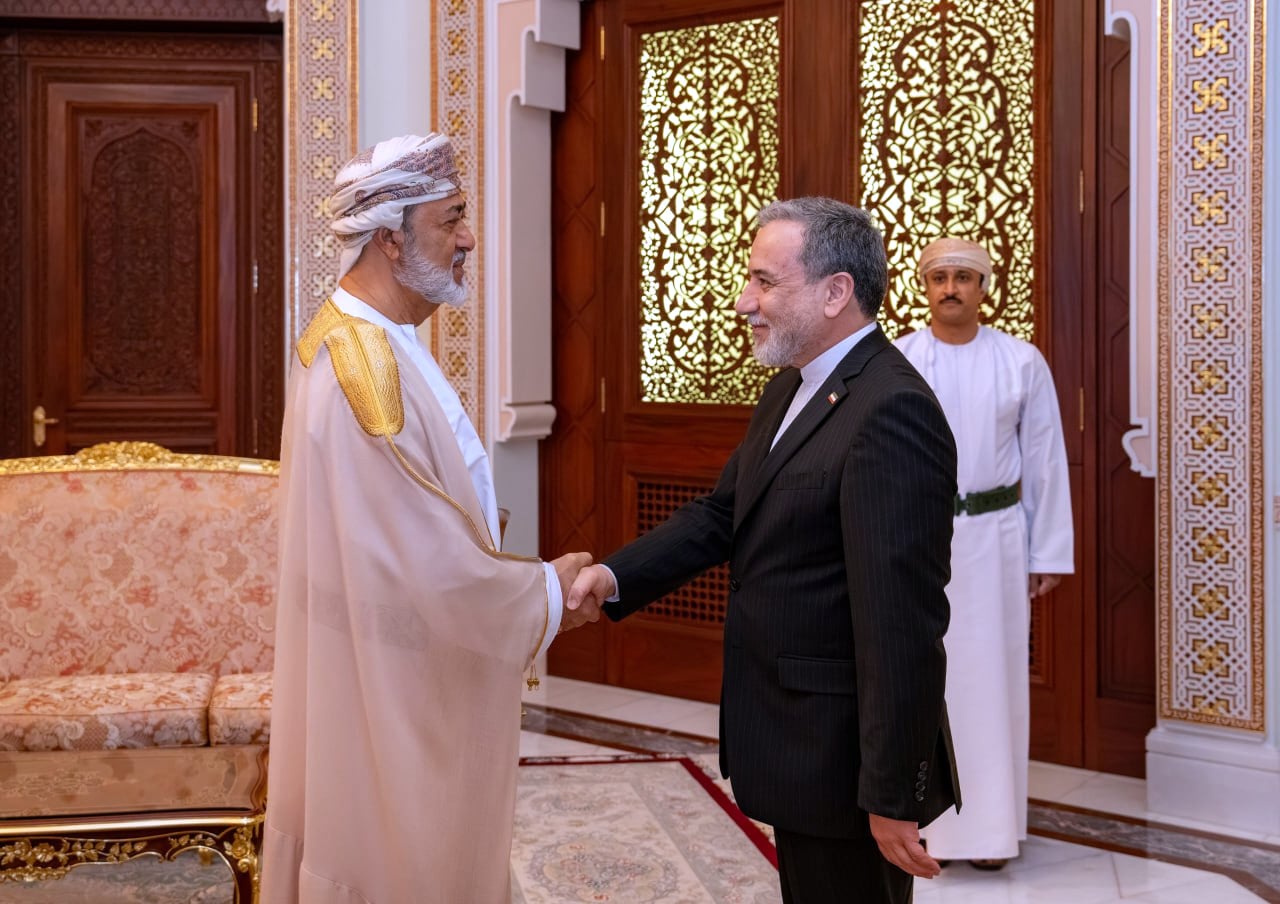
Hopes of a diplomatic breakthrough in the US-Israeli war with Iran appeared to retreat further on Sunday, as efforts to revive talks stalled and both Tehran and Washington showed little sign of softening their positions.
US forces removed security equipment from the Pakistani capital of Islamabad on Sunday, Pakistani government sources said, signaling that any US delegation was unlikely to return for talks soon.
Two US Air Force C-17s carrying security staff, equipment and vehicles used to protect US officials flew out of Pakistan, two Pakistani government sources told Reuters on Sunday.
Iranian Foreign Minister Abbas Araghchi, however, returned to Islamabad for more consultations on Sunday, despite US President Donald Trump calling off his envoys’ planned trip a day earlier.
According to the Iranian news agency ISNA, Araghchi was to sit down with Pakistani officials to convey “Iran’s positions and views on the framework of any understanding to completely end the war” in the Middle East.
The minister had already been in Islamabad only the day before, after which he traveled to Oman, while other Iranian envoys went to Tehran “to consult and obtain the necessary instructions on issues related to ending the war,” according to the agency.
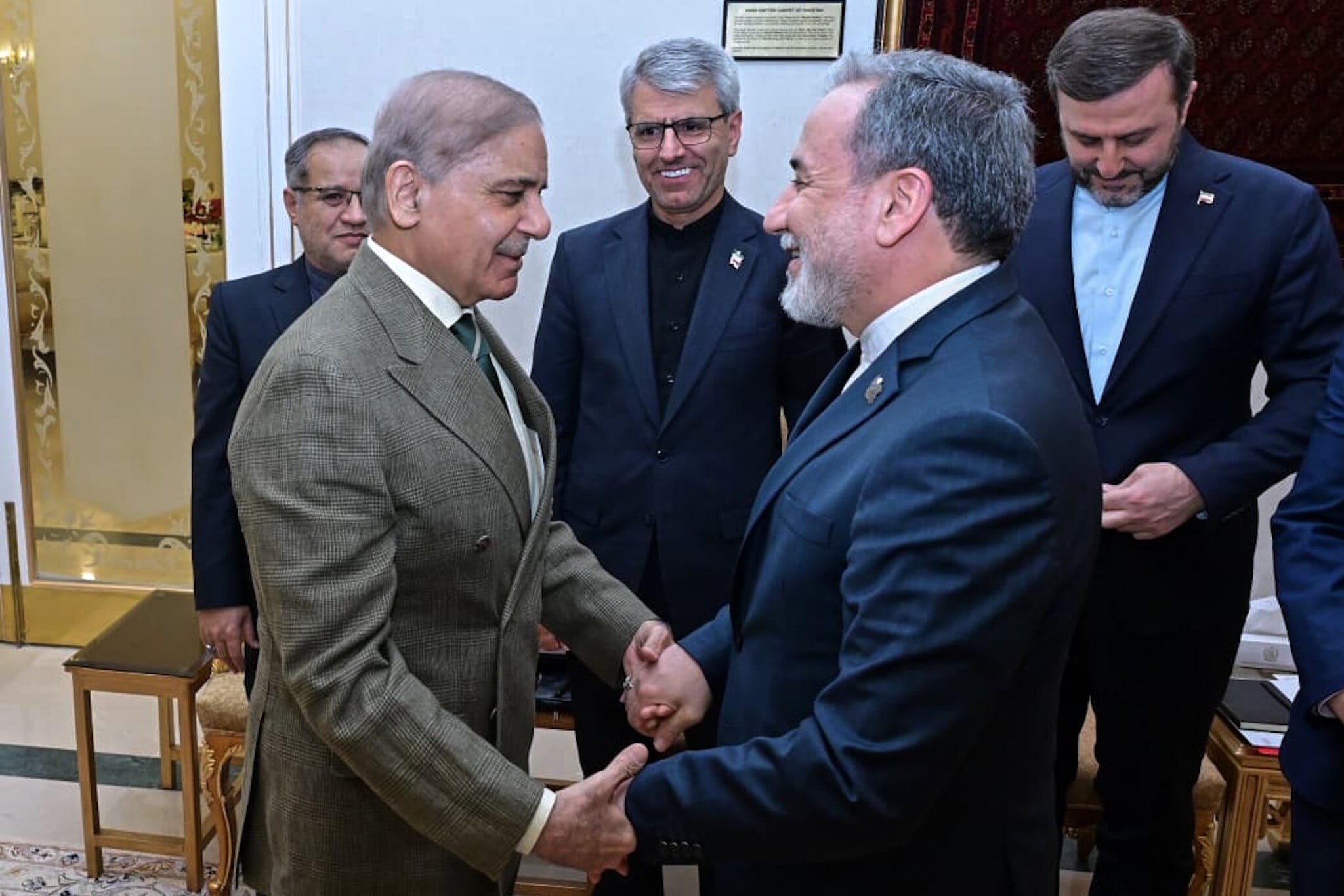
He is expected to go to Moscow after the talks in Pakistan.
In Oman, Araghchi met with Prime Minister Haitham bin Tariq al-Said on Sunday, and they discussed security in the strait. Araghchi called for a regional security framework free of outside interference, according to Iran’s foreign ministry.
Iran wanted to persuade Oman to support a mechanism to collect tolls from vessels passing through the strait, according to a regional official who spoke on condition of anonymity because he was not authorized to discuss the matter.
The official, who is involved in mediation efforts, said Iran insists on ending the US blockade before a new round of talks and that Pakistan-led mediators are trying to bridge significant gaps between the countries.
He added that Araghchi’s talks in Oman have focused on issues surrounding the Strait of Hormuz.
Oman’s response wasn’t immediately clear. Araghchi also spoke by phone with counterparts in Qatar and Saudi Arabia on Sunday.
Even before Saturday’s developments, Iran’s foreign ministry said any talks would be indirect and Pakistani officials would act as go-betweens, reflecting Tehran’s wariness after rounds of indirect talks last year and earlier this year ended with Iran being attacked by the US and Israel.
Trump said Saturday that he had called off sending envoys Steve Witkoff and Jared Kushner because of a lack of progress with Iran. “They can call us anytime they want,” he said.
Trump last week indefinitely extended the ceasefire that the US and Iran agreed to on April 7, which has largely halted the fighting that began with joint US-Israeli strikes on February 28. But a permanent settlement remains elusive in the war that has shaken the global economy.
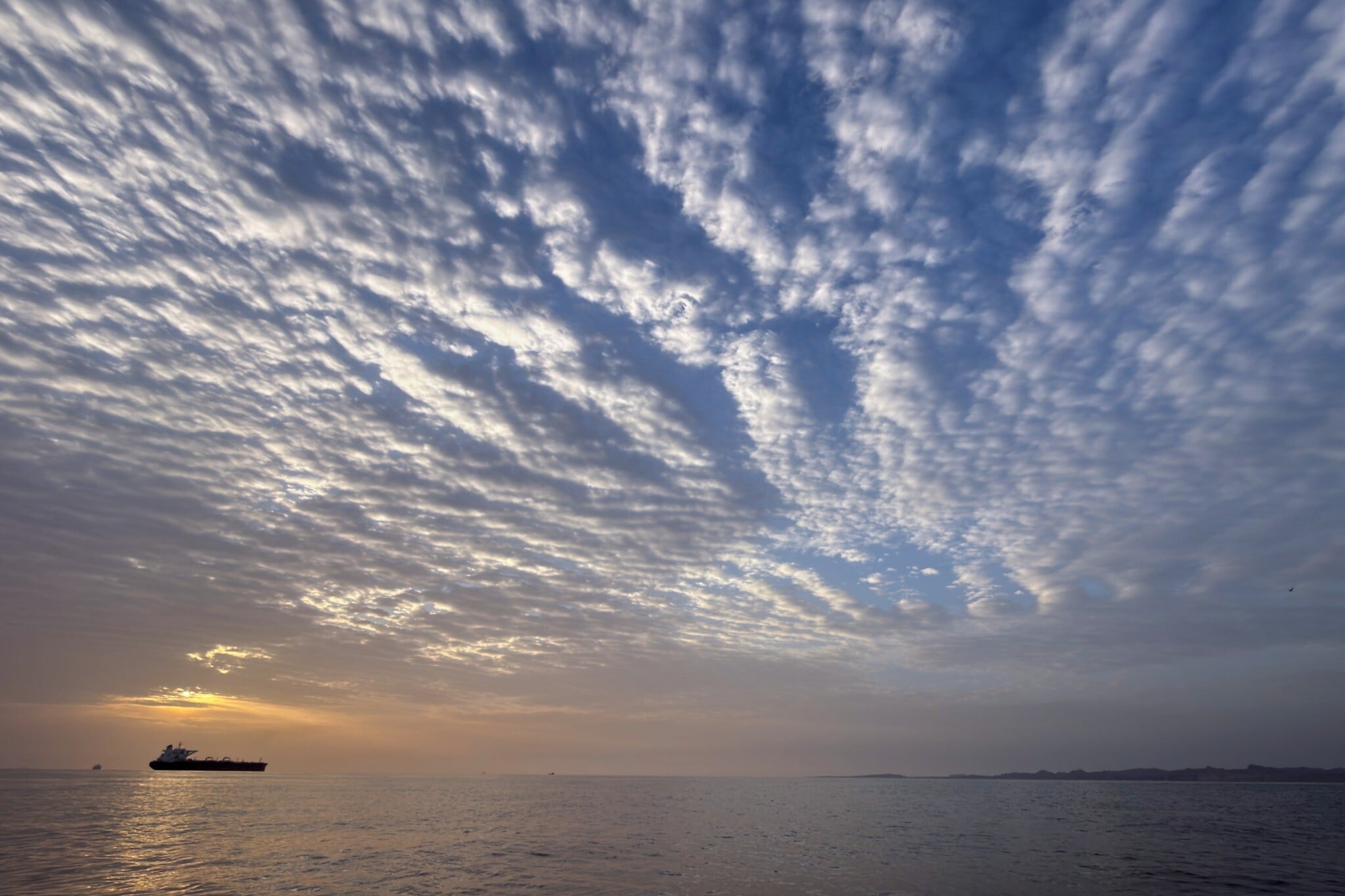
Tehran has largely closed the Strait of Hormuz, which normally carries a fifth of global oil and liquefied natural gas shipments, while Washington has imposed a blockade of Iran’s ports.
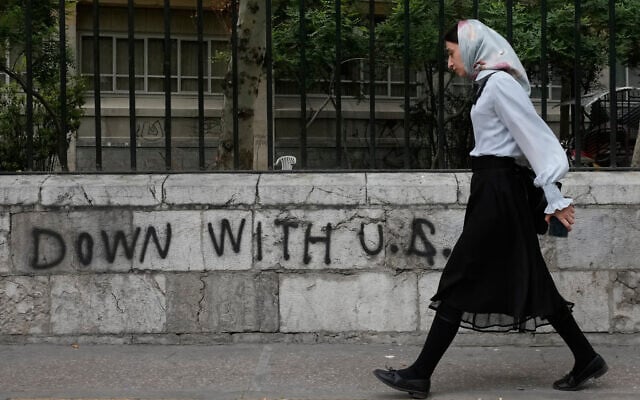
Iranian President Masoud Pezeshkian told Pakistani Prime Minister Shehbaz Sharif by phone that Tehran would not enter “imposed negotiations” under threats or blockade, according to a statement from the Iranian government.
He said the United States should first remove obstacles, including its maritime blockade, before negotiators could begin laying the groundwork for a settlement.
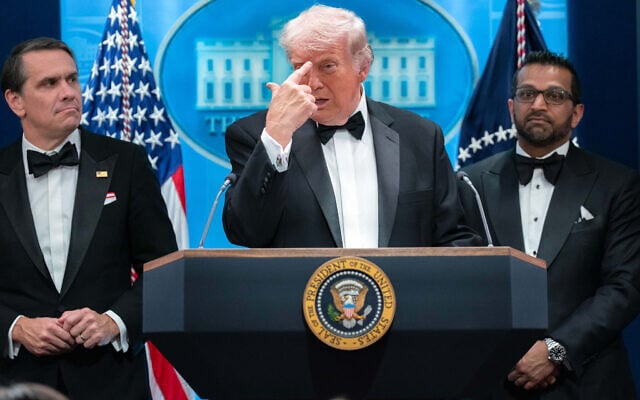
Trump told journalists on Saturday, before a security incident at the White House Correspondents’ Dinner, that within 10 minutes of him canceling Witkoff and Kushner’s trip to Islamabad, Iran sent a “much better” proposal.
Iran “offered a lot, but not enough,” Trump said.
He did not elaborate, but stressed that one of his conditions is that Iran “will not have a nuclear weapon.” The status of Iran’s enriched uranium has long been at the center of tensions. Tehran has 440 kilograms (972 pounds) of uranium enriched to 60 percent purity, a short, technical step from weapons-grade levels, according to the UN nuclear watchdog agency.
Asked separately whether halting the trip meant a return to open hostilities, Trump said: “No, it doesn’t mean that. We haven’t thought about it yet.”
Syed Mohammad Ali, an independent political analyst in Pakistan, said the delay in the talks must not be seen as a setback and that indirect talks were progressing. He said tensions between Washington and Tehran cannot be eased overnight and the negotiation process requires patience.
“But the good thing is that the ceasefire is holding, and both sides have a desire to end the conflict in a way that does not backfire at home,” Ali said.
On Truth Social, Trump wrote that there was “tremendous infighting and confusion” within Iran’s leadership.
“Nobody knows who is in charge, including them,” he posted. “Also, we have all the cards, they have none! If they want to talk, all they have to do is call!!!”
Pezeshkian said last week there were “no hardliners or moderates” in Tehran and that the country stood united behind its supreme leader.


The Times of Israel Community.