

Iranian Israelis mark Nowruz, the Persian New Year, as an act of solidarity and resistance
Their ‘Haft-sin’ tables set with symbolic items and Persian dishes, those with roots in Iran focus on brethren back home as the Islamic regime clamps down amid war with the US and Israel
 Add ToI as a Preferred Source on Google
Jessica Steinberg, The Times of Israel's culture and lifestyles editor, covers the Sabra scene from south to north and back to the center
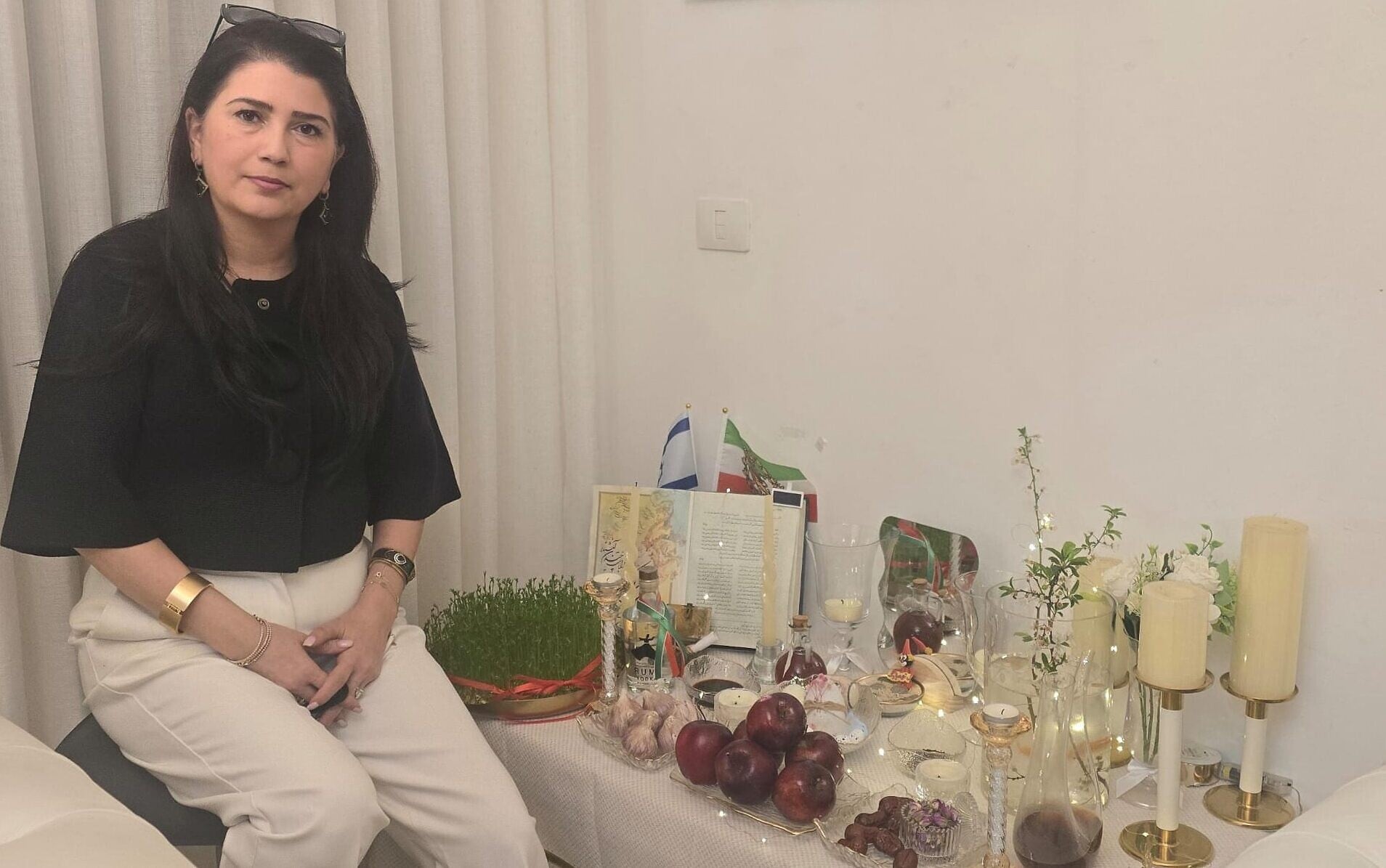
Until April 2, a table in the corner of Sahar Saidian’s living room in the northern Jerusalem neighborhood of Pisgat Zeev will be set with “Haft-sin,” the careful arrangement of seven symbolic items for Nowruz, the Iranian New Year, which also marks the start of the spring season.
The Haft-sin includes wheat sprouts and an apple, bowls of vinegar, dishes of garlic and sumac, as well as more modern additions, including a mirror and candles, painted eggs, goldfish and coins, flowers and a book of poetry by Persian poet Hafez.
Nowruz, which means “new day,” is celebrated on the vernal equinox on March 21 and continues for 13 days. This year, the Haft-sin table serves as the main expression of the festivities.
“We usually do more, we celebrate with music and dancing, but this year, because of the massacre and the war, we decided to cancel all the plans,” said Saidian.
While the Iranian government says 3,117 people were killed in widespread street protests in December and January, many estimates put the number at over 36,000, with tens of thousands more injured.
US President Donald Trump offered help to the anti-regime protesters and began airstrikes on regime and military targets together with Israel on February 28, launching the ongoing war with Iran.
Saidian is the editor and main presenter for the Kan television channel’s Persian programming. She immigrated to Israel from Shiraz with her brother in 1998 when she was 18, followed by their parents eight years later.
“All of the Persians live here [in Pisgat Zeev] or in Holon,” said Saidain, who doesn’t have any relatives left in Iran, but still keeps in touch with childhood friends.
“Once in a while, I send a message, and I see a check mark, and when I see the two check marks, I erase it,” said Saidian, referring to the messaging app’s way of signifying whether a message has been read. “I haven’t gotten the second check mark on the last message I sent, but I’m still hoping.”
It’s a particularly painful year for Israelis of Iranian descent, whether they immigrated themselves or their parents immigrated before they were born.
“When the massacre happened, it entered a place deep in my heart,” said food personality Rotem Lieberson, whose father emigrated from Iran as a young man. “People tell Israelis that we have such strength after 1,200 were killed on October 7, and there, they had tens of thousands who didn’t come home after going out to protest.”
Lieberson doesn’t usually mark Nowruz in a traditional sense, but she finds lately that all she wants to do is cook Persian food, one of her culinary passions, as a way to honor their struggle.
“Food is strength, it’s happiness, it’s everything,” she said.
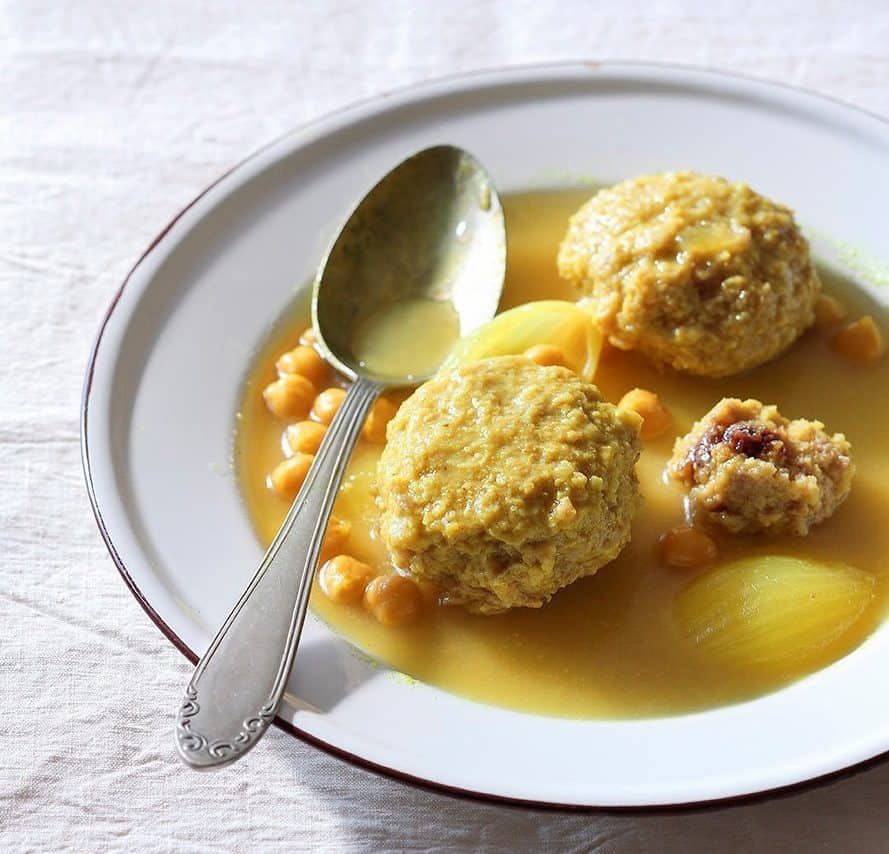
For Lieberson, that means preparing her herbaceous tahdig rice dish, or gondi, a Persian Jewish chicken soup that consists of delicate, spiced chicken meatballs simmered in a rich chicken broth.
“It’s immediate solace for me,” she said.
The Zoroastrian holiday of Nowruz has ancient roots and has survived for centuries, despite Iran’s current Islamic regime, said Dana Sameah, who was born in Beersheba to Iranian immigrants who arrived in 1978 and met at the city’s absorption center.
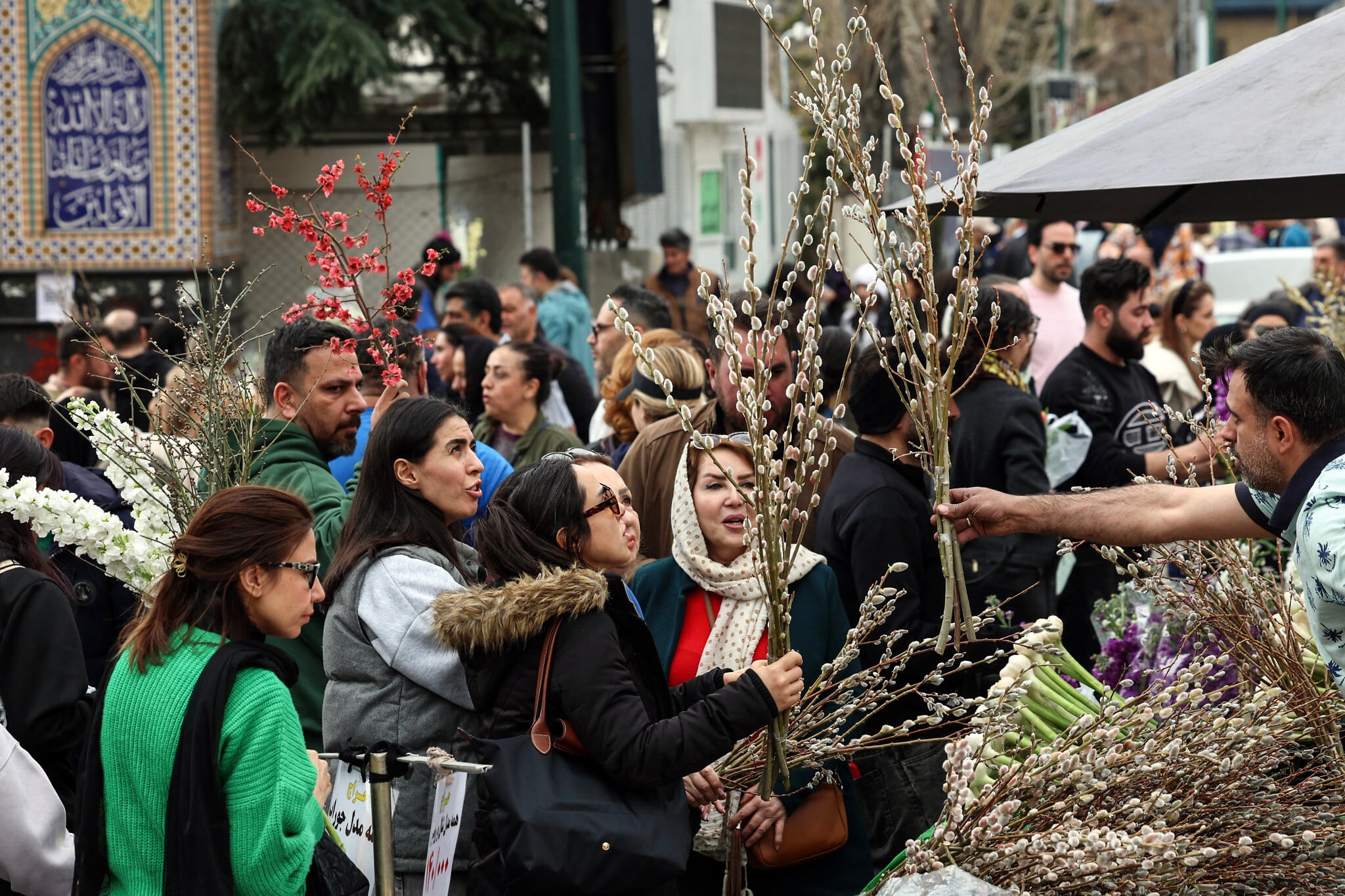
“The regime tried to get rid of Nowruz, but the Iranians hold on tight to their customs,” said Sameah. “The signs of it are in the streets and in the markets, despite the police regime. There’s a lot of hope and prayer that the darkness will be overcome.”
Sameah has a deep, complex love for Iran, despite never having visited her parents’ place of birth. She also keeps in touch with contacts in Iran, despite their constant internet blackouts.
“We were more Iranian at home and more Israeli outside the house,” said Sameah, recalling that during Nowruz, which often falls during Passover, her mother would put the symbols of the holiday on the seder table, including the goldfish, a mirror, a pomegranate, and candles.
Sameah initiated and produced a Persian film festival in November in Sderot and was planning a Nowruz night with Persian music and a lecture about mythology, which has been postponed to March 29 due to the ongoing war.
These days, she still keeps in touch with Iranians, many of whom see the current situation “as a kind of blessing that will bring them to a new day, a victory of light over darkness,” said Sameah.
“Everyone I speak to is happy about the war; they are happy about the United States and Israel and what they’re doing to attack and take out all the people who carried out the regime attacks, they’re waiting for Pahlavi to call to them,” said Sameah, referring to Reza Pahlavi, the exiled son of the former shah of Iran.
Even in Persian Jewish communities in the US, this year’s Nowruz is a subdued one, said Tannaz Sassooni, a food writer whose family came to the US from Iran in 1979 when she was a year old, during the Islamic Revolution.
Half of Sassooni’s family is in Israel, and the other half emigrated to the US.
“We’re classic Persian Jews,” said Sassooni. “Since this all began, it’s a rollercoaster of emotions, primarily about my 80-year-old uncle who’s rushing to get into the safe room in Ramat Gan.”
Sassooni usually marks Nowruz with her parents or with friends. This year, she’s thinking about the aspect of togetherness.
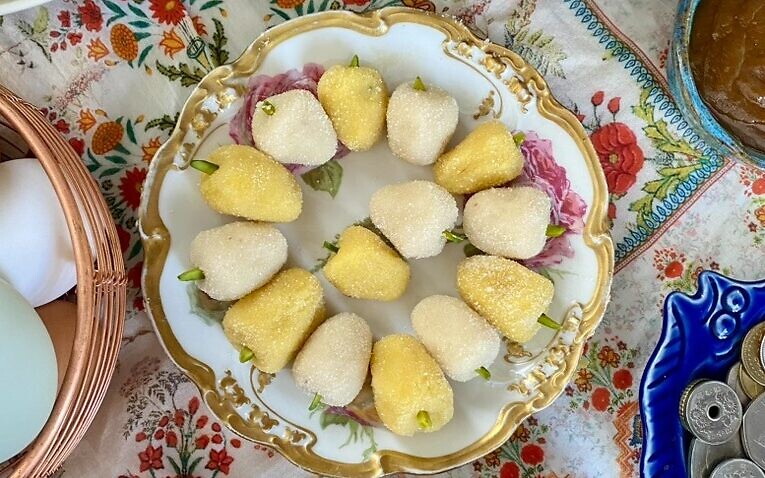
She’s forcing herself to take out her aunt’s samovar tea kettle and will make a simple confection called “toot” — marzipan shaped like mulberries and topped with a sliver of almond, and invite friends over for tea.
“I feel like with war and political factioning and with the hard times that we’re in, and the rise of tech and AI, I think Nowruz is a kind of an ancient remedy to the loneliness epidemic,” said Sassooni. “It’s an effort to be together in someone’s home or in nature, all as a small act of resistance, a demonstration of continuity, because these things are bigger than any current regime.”
Toot, or marzipan mulberries
1 cup almond flour (made from peeled almonds)
1 cup powdered sugar
pinch of salt
~3 tbsp rosewater
24-30 slivered pistachios or almonds
¼ cup granulated sugar
optional: ⅛ tsp ground saffron (see note)
In a large bowl, stir together almond flour, salt and powdered sugar until fully mixed. Gradually add in rosewater, about ½ tsp at a time, until mixture comes together in a dry dough. Continue to mix/knead for about two minutes, until all ingredients are fully incorporated.
Place granulated sugar on a plate. With your hands, roll a teaspoon of the almond mixture into a sphere, and make one end slightly pointy. Roll in granulated sugar to coat, then poke a slivered pistachio or almond in the wide end of the toot to form a stem.
Note: You can vary the color of these by adding saffron to the rose water. To make half of the batch yellow and half white, mix saffron into 1 Tbs of the rose water about 20 minutes before preparing the toot to allow it time to steep. Prepare the dough in two batches, adding regular rose water to one, and saffron-steeped rosewater to the other.
Yield: 24-30 bite-sized pieces.







The Times of Israel Community.