

Memorial to Shiri Bibas and her sons erected at kibbutz where husband Yarden grew up
Zvika Pasternak’s somber work comprises footprints surrounded by circles; ‘Footprints usually represent a route,’ says the artist. ‘Here, they are trapped, frozen in time’
 Add ToI as a Preferred Source on Google
Sue Surkes is The Times of Israel's environment reporter
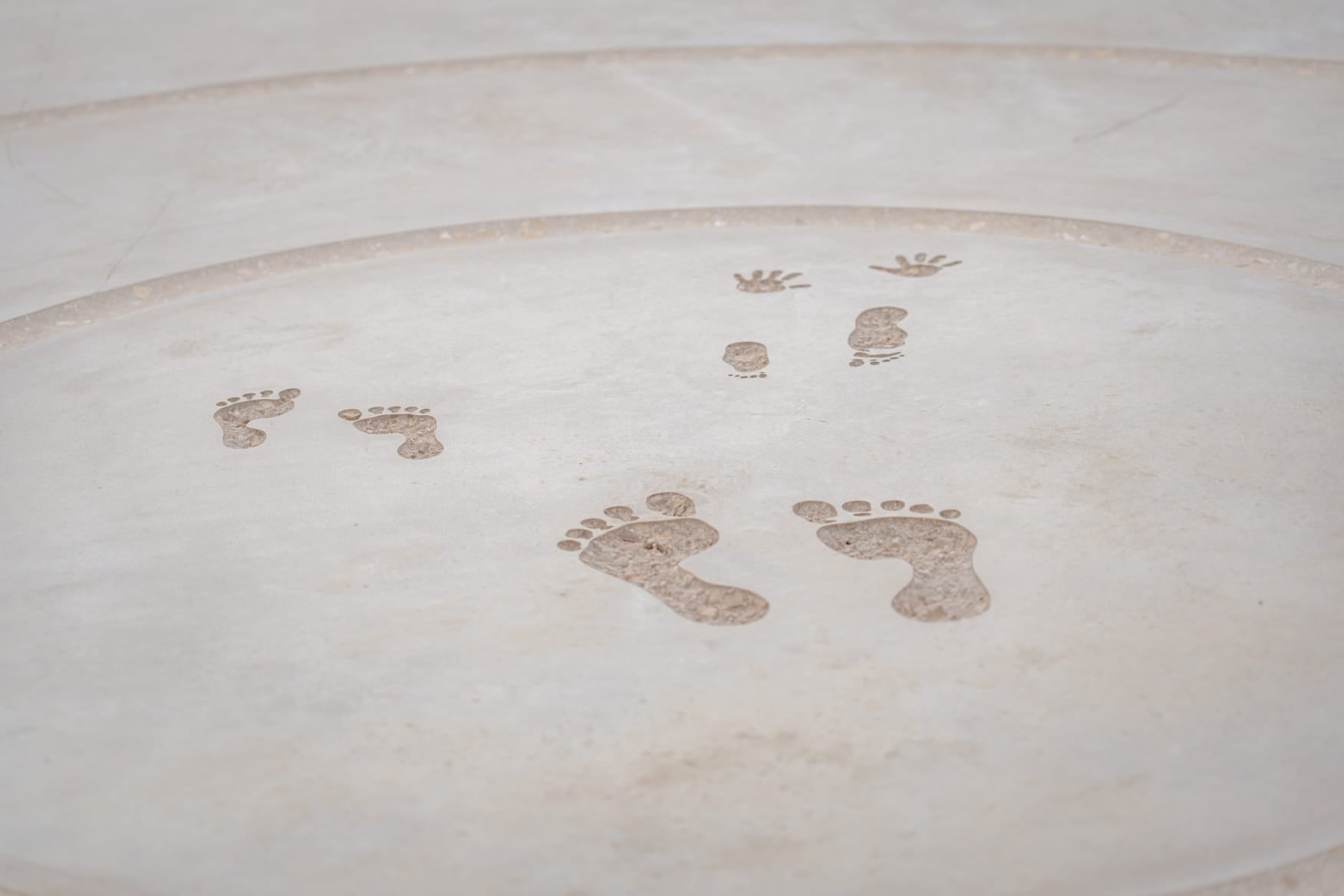
A stark memorial to the three members of the Bibas family who were kidnapped from Kibbutz Nir Oz on October 7, 2023, and later murdered by Hamas terrorists, will open to the public next month at Kibbutz Tzeelim in southern Israel.
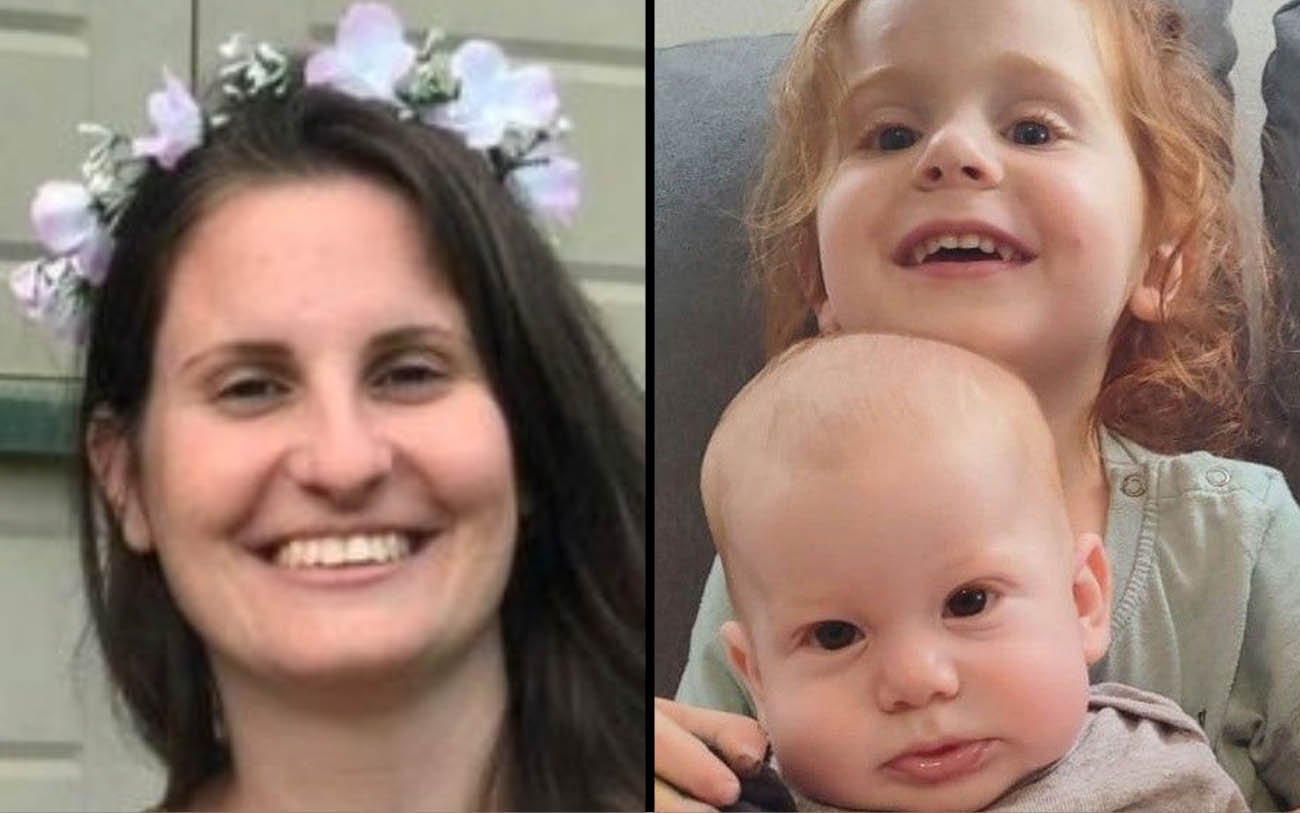
Shiri Bibas, 32, Ariel, 4, and 9-month-old Kfir came to symbolize the horrors of the terrorist attack and its aftermath. Their bodies were returned from Gaza in February and buried in a single casket at the regional cemetery in Tzohar.
Yarden Bibas, then 34, who was kidnapped on that day separately from his family and released on February 1 this year after 484 days in captivity in Gaza, was born and grew up on Kibbutz Tzeelim, and his parents still live there.
The austere memorial — an environmental installation created by Zvika Pasternak — consists of six cement circles embracing a seventh, within which are the “footprints” of Shiri and Ariel, and the tiny footprints and handprints of Kfir.
Pasternak told The Times of Israel that the inspiration for the footprints came during a martial arts session, when his instructor asked him to let all his strength pass down through the soles of his feet and into the earth.
Footprints, he said, were something personal. “Usually, they suggest a route. Here, they are trapped, frozen in time.”
“I was stuck over the footprints for Kfir,” he explained. “Then my daughter Mika said, ‘Dad, Kfir would have been crawling.’ So I visited a kindergarten sandbox, waited for the children to leave, and measured their little hands and feet.”
He added, “The simplicity of the installation is the most important thing. It’s just footprints and circles and one material, cement.”
There are just two plaques at the memorial, set among trees just beyond Tzeelim’s fence.
One carries the memorial’s name, “Bibas Footprints,” in yellow, the color most associated with the campaign to secure the hostages’ release. The rest of the writing is in black, in a nod to Ariel Bibas’s love of Batman.
The second, cement plaque carries the names and ages of the three Bibas victims, the fact that they were kidnapped from Nir Oz and murdered in October 2023, and a brief verse.
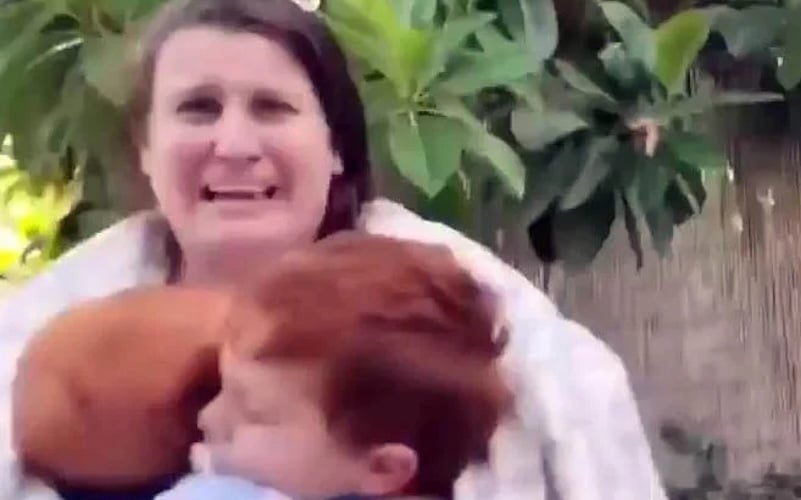
Some suggested Pasternak should add the iconic picture of a terrified Shiri Bibas clutching her small boys while surrounded by gunmen. “I said no,” Pasternak recalled.
“This project only gives hints. Nothing is written about the story. You go through the woodland, you know the names, you come to the footprints. You don’t need any more. They were here, they are no longer here, but they are with us.”
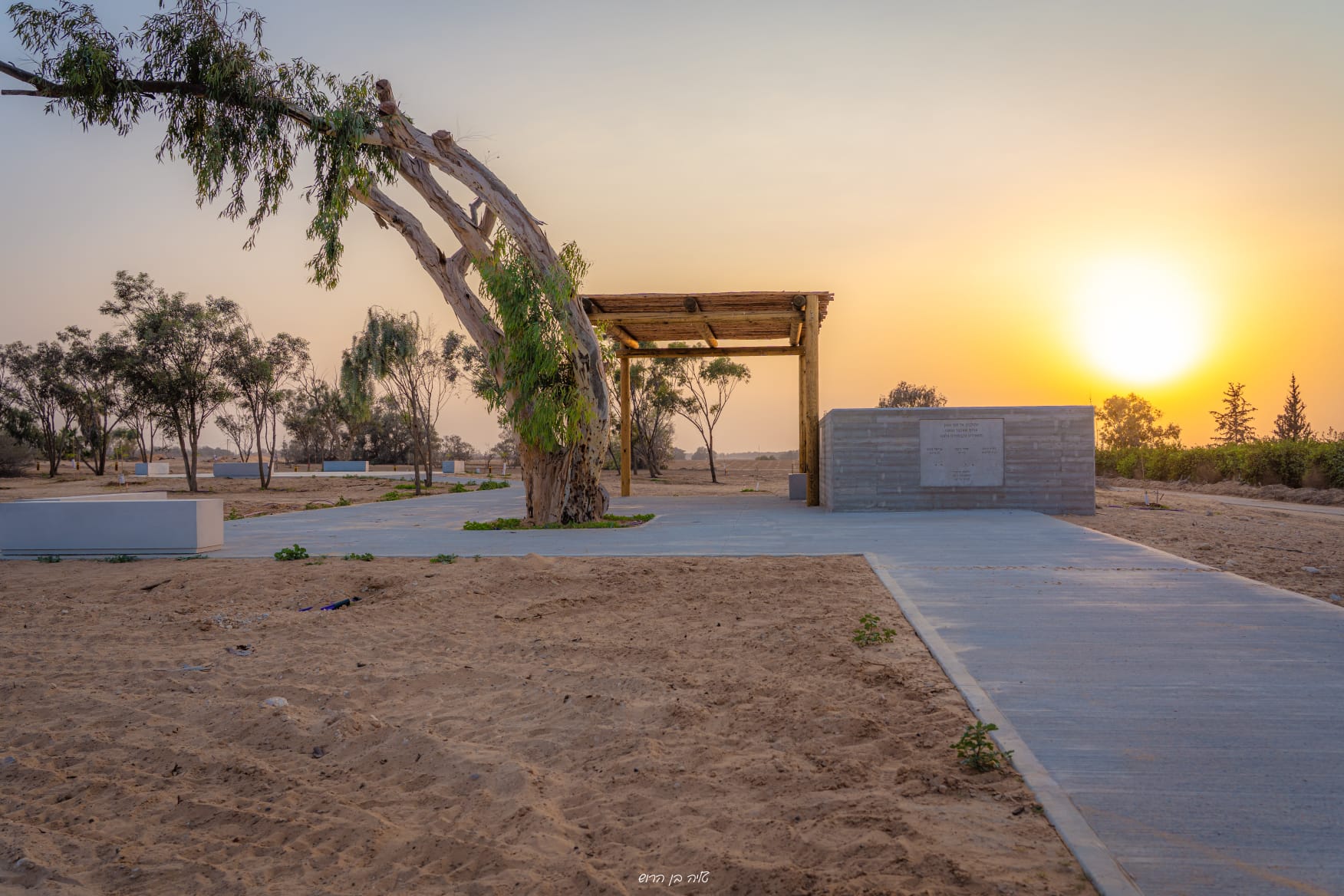
After some discussion, a decision was made to keep an existing, crooked eucalyptus tree. Said Pasternak, “It’s crooked, as if it’s crying. It has three main branches, one each for Shiri, Ariel, and Kfir. And one branch started to sprout leaves, suggesting revival.”
The Bibas family was kept informed throughout the project, although Pasternak only met Yarden Bibas’s father, Eli, in person.
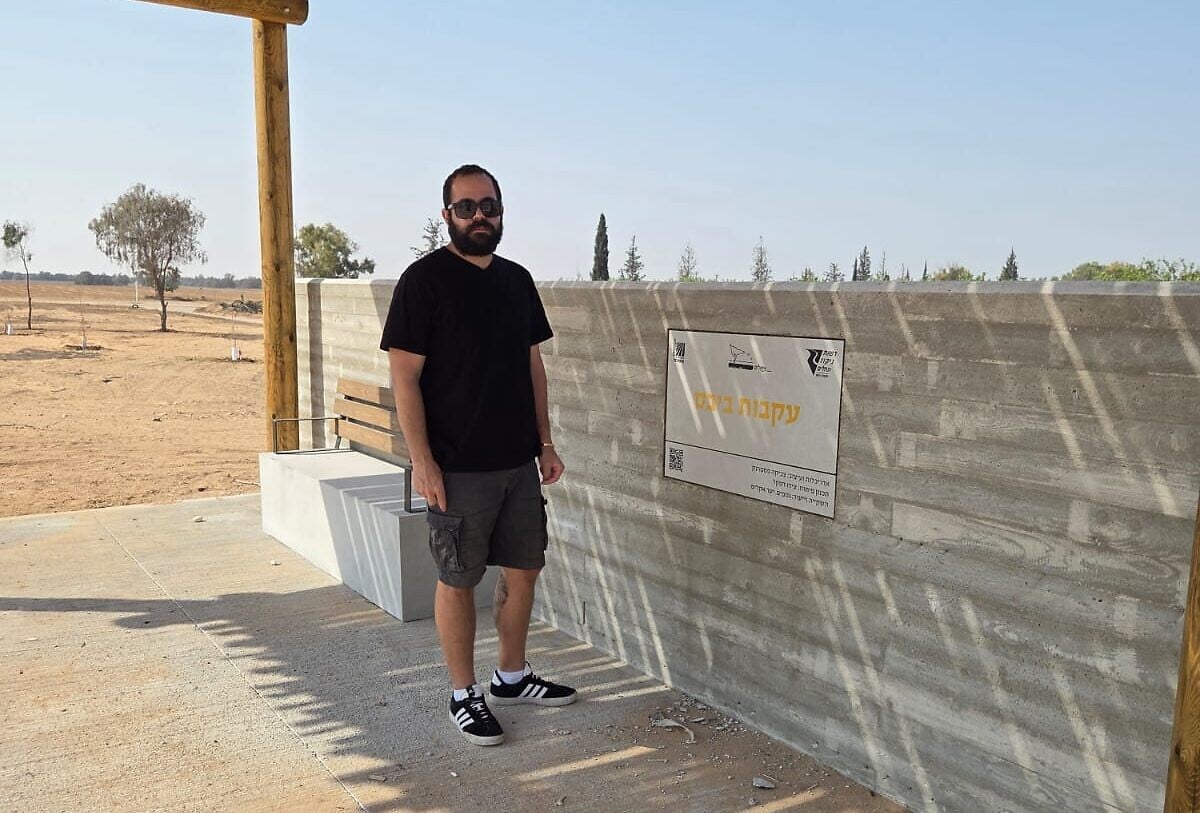
Earlier this month, Yarden Bibas visited the site with his family and approved opening it to the public.
The idea for the memorial at Tzeelim came from kibbutz member Boaz Kretschmer. The Shikma Besor Drainage Authority provided the funds.
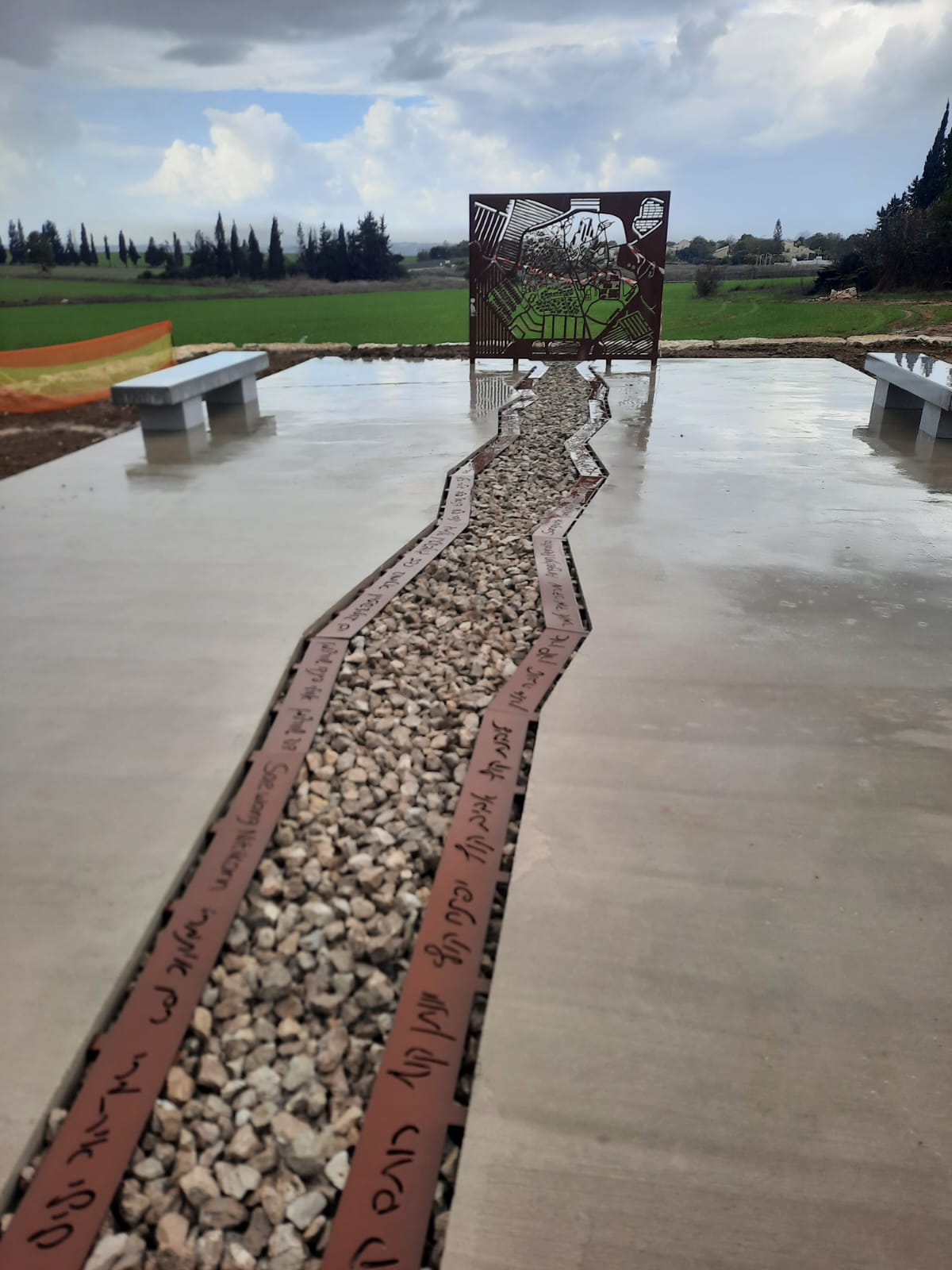
Kretschmer had seen “Ketav Vashem,” (“writing and name”), a memorial Pasternak created for the 64 residents and security team members murdered at Kibbutz Kfar Aza during the October 7, 2023, Hamas onslaught.
With the Bibas family’s permission, he invited Pasternak to create a work at Tzeelim.
The circles were carved using a specially built compass equipped with a disk.
Shiri Bibas’s parents, José Luis (Yossi) Silberman and Margit Shnaider Silberman, were murdered during the Hamas attack on Kibbutz Nir Oz, which saw terrorists enter all but six of the over 200 homes in the small community and either slaughter or kidnap one in every four residents — 117 people out of some 400.










The Times of Israel Community.