

Netanyahu shrugs off charges of ‘fascism’ as leftist rhetoric
PM hits back at criticism of culture minister’s policies, even though it was a fellow Likud minister who criticized Regev; Labor leader claims to be true heir of Ze’ev Jabotinsky
 Add ToI as a Preferred Source on Google
Raoul Wootliff is a former Times of Israel political correspondent and Daily Briefing podcast producer.
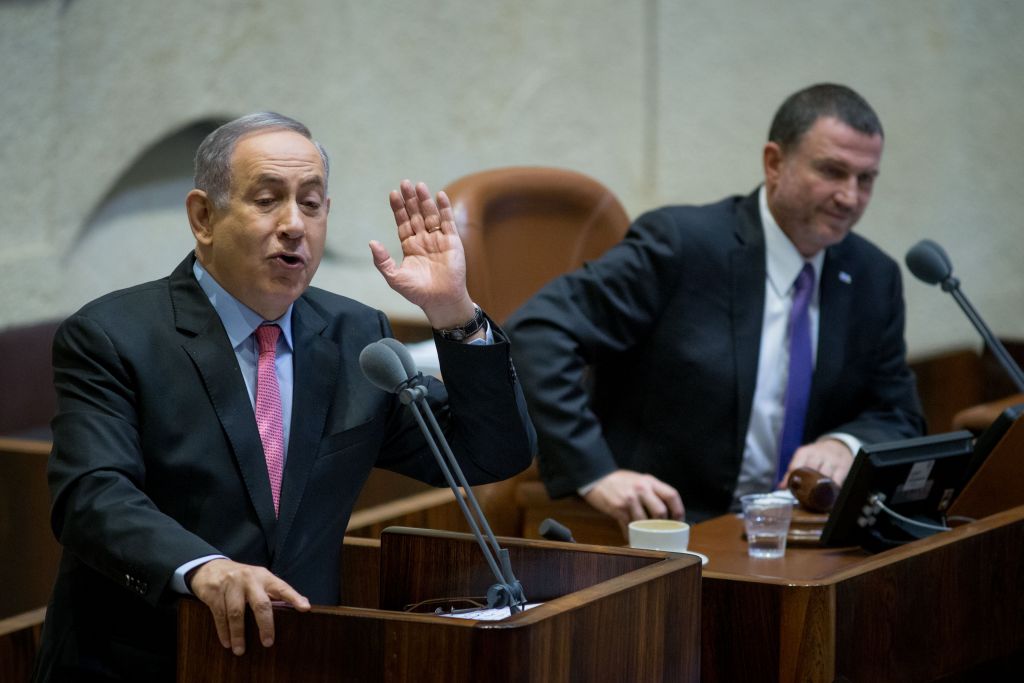
Prime Minister Benjamin Netanyahu on Wednesday lashed out at critics of Culture Minister Miri Regev who was accused this week of making borderline fascist remarks, rebuffing the designation as a “derogatory term of the left for its enemies.”
“They said Jabotinsky was a ‘fascist’ — does that sound familiar? I suggest my colleagues read the Encyclopedia Hebraica entry on fascism,” Netanyahu said. “There’s a sentence by the author that states that ‘there was a tendency within the left to denigrate opponents as fascist.’ It is a derogatory name [used] by the left for its enemies.”
In May, former prime minister Ehud Barak warned that the “seeds of fascism” had infected Netanyahu’s Likud party in a Channel 2 interview, doubling down on the accusation a month later in a speech at the annual Herzliya Conference. Since then, opposition leader Isaac Herzog has also used the phrase on multiple occasions.
But this week’s allegation of fascism came from fellow Likud party member and Social Equality Minister Gila Gamliel, who openly criticized Regev on Sunday for employing language “bordering on fascism” in a cabinet discussion on a bill to found a new public broadcasting company. In a tempestuous cabinet session on Sunday, in which ministers sparred over plans to establish the new broadcasting company, Regev insisted that there would be no point to the broadcaster going on air “if we don’t control it.”
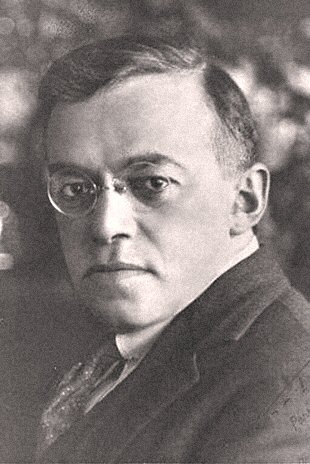
The prime minister spoke during a special plenum for Jabotinsky Day, marking the anniversary of the death of Vladimir Jabotinsky, the revisionist Zionist leader who is often cited as the father of Netanyahu’s Likud party.
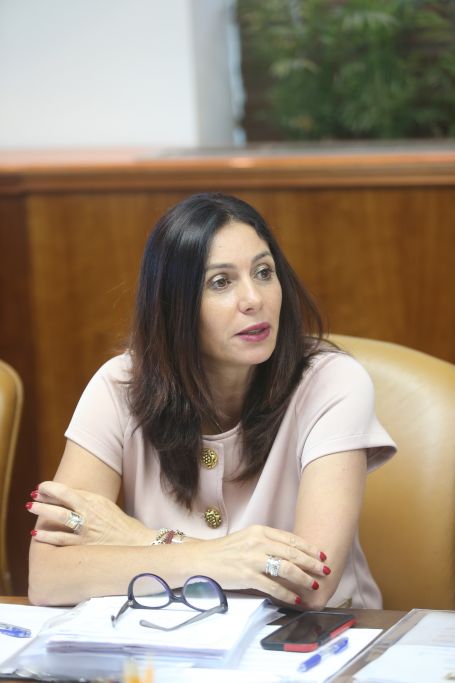
Netanyahu used his speech at the annual event to defend his recent decision, saying as communications minister he sought only to break the monopoly of Israel’s media and open the market to greater competition.
”One of the things Jabotinsky believed in is the idea of a free market and the choice of the citizen. While applying Jabotinsky’s doctrine, we implemented it in all fields. There is a determined struggle to prevent competition in the media market,” he said. “All over the world there is competition, with some newspapers supporting one side and other newspapers supporting another, and no one says anything. In Israel there was an outlook different from Jabotinsky’s; there was immense concentration in the economy, media, and all other aspects of life. We are trying very hard to open these monopolies to competition, and this is the basic principle of democracy.”
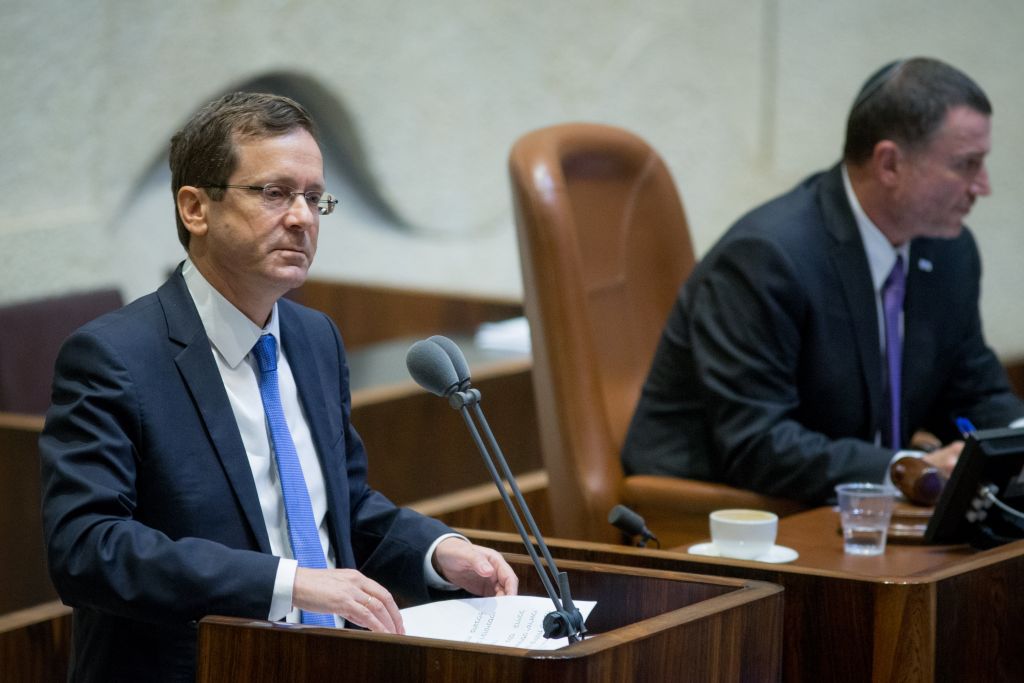
Opposition leader Isaac Herzog responded by saying his Zionist Union party was “protecting the democratic legacy” of Jabotinsky more effectively than Likud. The statement by the leader of the Labor party, which along with Hatnua makes up the Zionist Union faction, is a strong departure from its founding leader David Ben-Gurion, who famously referred to the revisionist thinker as “Vladimir Hitler.”
“I stand here and can’t help but think about the irony that today we, both I and the members of the Zionist Union, have more in common with Ze’ev Jabotinsky’s democratic doctrine than the Likud party, the ruling party, and its leader,” he said. “And that we are the ones protecting his democratic legacy from those who claim and boast of being his successors — while they harm the values he believes in.”
”We need more Jabotinskys who would be Zionist patriots in their heart and soul; who understand and recognize the fact that it is only natural that in the State of Israel ‘From the wealth of our land there shall prosper the Arab, the Christian, and the Jew,’” he said.
Herzog charged Monday that Netanyahu was “trying to become the Israeli Fidel Castro and wants to create a media that is submissive, degraded… to turn Yedioth Ahronoth into Yedioth Netanyahu, to turn Army Radio into Netanyahu Radio.”









The Times of Israel Community.