

Little to show for Boko Haram a year after joining Islamic State
Despite fears that linking of deadliest terror groups would bring foreign fighters and arms into Lake Chad region, Nigerian jihadis seen to have weakened since move
 Add ToI as a Preferred Source on Google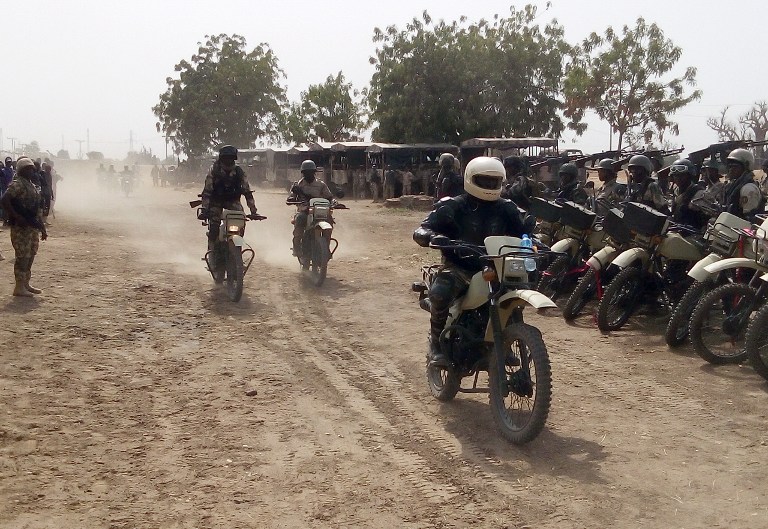
LAGOS, Nigeria — When Boko Haram pledged allegiance to the Islamic State group in Iraq and Syria last year, there were fears the deadly insurgency in northeast Nigeria would take on an international dimension.
The world’s deadliest designated terrorist organizations — notorious for the indiscriminate slaughter of tens of thousands of people — were now officially linked.
Speculation and concern mounted about a potential influx of foreign fighters to the countries surrounding Lake Chad and an escalation of a previously localized conflict.
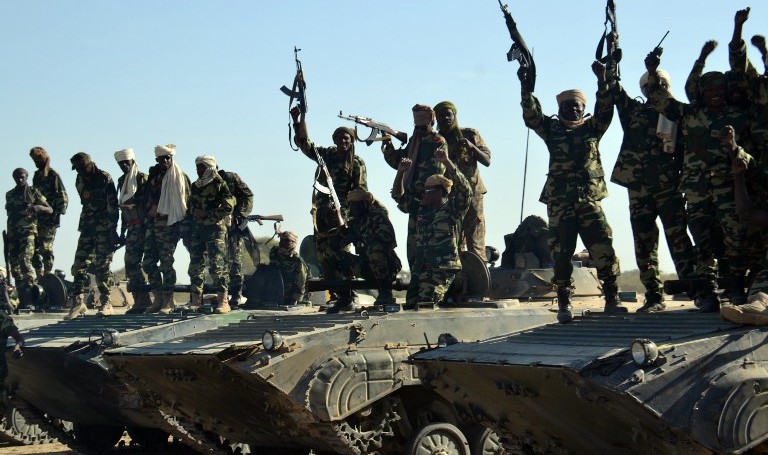
But 12 months on that hasn’t happened. If anything, Boko Haram appears a considerably weaker force and apparently in disarray after a year-long military counter-offensive.
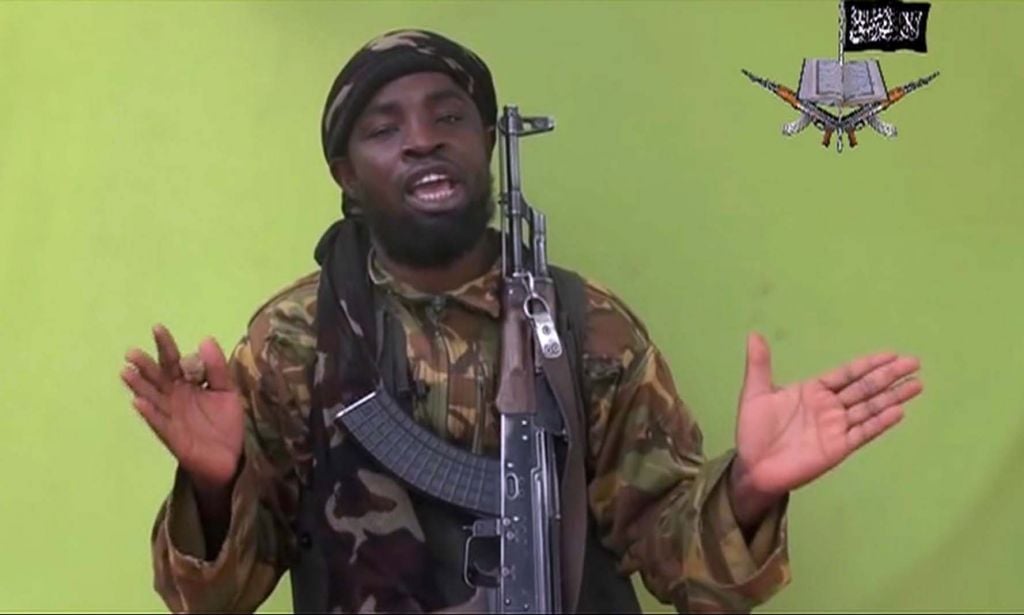
Boko Haram leader Abubakar Shekau has only been heard from twice since his audio message published on March 7, 2015 pledging an oath to his IS counterpart Abu Bakr al-Baghdadi.
Nigeria’s army has since then increasingly claimed crushing blows against the militants and their strongholds plus the liberation of thousands living under Boko Haram control.
This week, dozens of rebels reportedly surrendered because of hunger. Nigeria now wants many of the two million people internally displaced by the conflict to return home.
Many analysts have long viewed the announced tie-up as propaganda for both sides. Boko Haram was at the time struggling against regional forces and IS suffering setbacks to its territorial ambitions.
“Nothing has changed in the Boko Haram camp since Shekau’s declaration,” Nigerian security analyst Abdullahi Bawa Wase told AFP.
“It has failed to bring in IS fighters. It has not attracted IS weapons and cash, which many feared would happen.
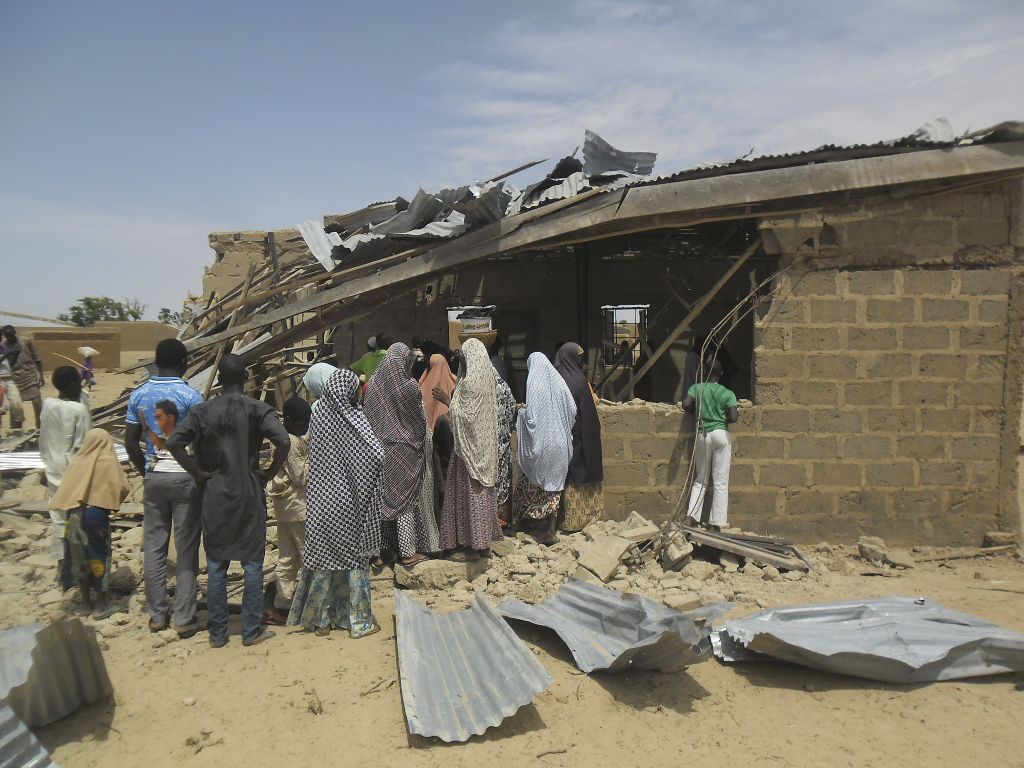
“On the contrary, Boko Haram is weaker than it was before the declaration, which is evident from the drastic drop in deadly attacks. Even the rate of suicide bombings has slowed.”
A Nigerian security source said IS was “only a marketing label which Boko Haram wants to use to deceptively project itself as a formidable terrorist group”.
Shekau’s declaration and the subsequent re-branding of Boko Haram as “Islamic State West Africa Province” or ISWAP caused a reported rift in the Boko Haram hierarchy.
Few, if any, wanted to go against his word but dissenters have reportedly explored closer ties with other jihadi groups in the wider Sahel region.
Active threat
Some security consultants predict Boko Haram in Nigeria could this year be reduced to a largely criminal, regional threat along the lines of the Lord’s Resistance Army in central Africa.
But with the United States this week including Nigeria on its updated “Worldwide Caution” list, Western governments clearly still view Boko Haram as a serious threat.
US military drones recently began operating from a base in northern Cameroon while the Pentagon is considering sending military trainers to northeast Nigeria.
Nigeria’s secret police meanwhile announced the arrest of seven members of Ansaru, the Boko Haram offshoot that kidnapped several Westerners and which is more aligned ideologically to Al-Qaeda.
The Department of State Services said it had also arrested an IS recruiter, two “ISIS agents operating in Nigeria and the West African sub-region” plus four others heading to join IS.
Six of those detained were said to be heading or preparing to go to Libya, where Nigerians are said to be in the IS ranks in territory it controls.
Nigeria’s President Muhammadu Buhari, who has claimed Boko Haram is “technically” defeated, has increasingly pointed to lawless Libya as a potential security “time bomb” for Europe and Africa.
Yan St-Pierre, of the Modern Security Consulting Group (MOSECON), said there was no doubt that Boko Haram had been reaching out to other jihadi groups for “business and logistics” in the last year.
Since West African and sub-Saharan fighters operating in Libya are now thought to have dispersed, different groups in the region have been working together to provide funding, equipment and personnel, he added.
“Hence the belief that AQIM (Al-Qaeda in the Islamic Maghreb) and some BH constellation groups are increasing their collaboration despite BH having officially pledged to IS,” he said in an email.
But despite such apparent links, the focus does not appear to be on Nigeria for now, said Africa security specialist Ryan Cummings.
“I firmly believe that if operational links between Boko Haram and Al-Qaeda in the Islamic Maghreb was happening, there would be more clear evidence of this,” he said.
“It was quite telling that in a recent ISIS communique, the group’s leadership had allegedly requested that its adherents in the Sahel and Maghreb travel to Libya, and not to ISWAP in the Lake Chad basin, to assist in combat operations.”




The Times of Israel Community.