

1 in 3 companies blacklisted by US commodities watchdog is Israeli
Commodity Futures Trading Commission say 75% of regulator’s ‘red list’ are binary options firms, which have become a growing problem in US
 Add ToI as a Preferred Source on Google
Simona Weinglass is an investigative reporter at The Times of Israel.
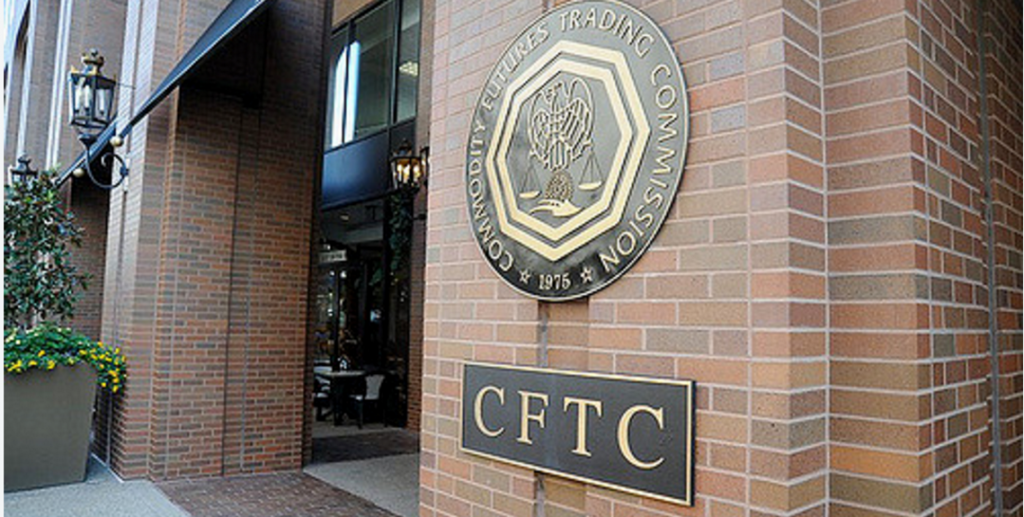
More than one-third of the investment companies on the “red list” of the US Commodity Futures Trading Commission (CFTC) for illegally soliciting US customers are operating from Israel.
The red list of the CFTC — an independent US government agency that regulates futures and option markets and protects US investors — warns about foreign entities that are operating in the US by soliciting through the Internet without having registered with US regulators, a CFTC source told The Times of Israel. In other words, these entities are breaking US law and it is unlikely that they uphold regulations intended to protect US consumers.
The source, who is high-placed in the CFTC, only spoke to The Times of Israel on condition of anonymity.
“The red list serves as a warning to consumers,” the source said. “If we had started this list four years ago, most of the companies would have been forex-related. But there’s been a decline in forex. Then we saw a lot of abuse from metals companies, which were actually US-based. Now we’re seeing binary options.”
The Times of Israel has been exposing and detailing Israel’s binary options and forex scams in a series of articles in recent weeks, beginning with an article entitled “The wolves of Tel Aviv.” Thousands of people work in the fraudulent industry here — including many immigrants and Israeli Arabs — duping and stealing from clients the world over.
Times of Israel Editorial. Binary options: An Israeli scam that has to be stopped
Cumulatively, the Israeli binary options industry is estimated to turn over hundreds of millions of dollars a year, if not billions. A large portion of the industry engages in deceptive and fraudulent practices, from lying about their names and locations to allegedly rigging the trading platforms to refusing to allow customers to withdraw their money under any circumstances.
Of the 40 companies on the CFTC’s red list, the source said that about 30 are binary options firms.
Of these 30, The Times of Israel has confirmed that at least 14 operate or have operated from Israel. These include BeeOptions, BinaryBook, BTGOption, IvoryOptions, LBinary, NRGBinary, OptionsXO, TitanTrade, UKOptions, Tradequicker, BigOption, Bloombex Options, IHOpoptions and YesOption.
The CFTC, said the source, is “aware that binary has an Israeli presence.”
Ironically, many binary options companies in Israel, even unregulated ones, refrain from soliciting US customers for fear of US enforcement actions. Numerous binary options employees and ex-employees interviewed by The Times of Israel have related that their companies cheat customers in Canada, France, England and Australia, but steer clear of Americans and Israelis.
But apparently not all.
Recently, the agency filed a court action against two Israeli companies, Vault Options, Ltd. (Vault) and Global Trader 365.
The two firms were charged in February with soliciting more than $1 million from at least 50 US customers, and defrauding their customers “by, among other things, misrepresenting and omitting the likelihood of profit and loss that customer make trading binary options, falsely claiming that customer funds were insured against losses, fraudulently inducing customers to send them more money before initial funds could be returned, and misappropriating customer funds,” read a CFTC press release.
“According to the complaint,” continued the press release, “while Vault and GT 365’s websites touted large profits, many customers lost nearly all of their funds sometimes within days or a few weeks.”
A problem with Google
Last month at the IFX Expo, a vast, booze-laden conference/extravaganza in Limassol, Cyprus, celebrating the forex and binary options industries, one industry insider explained that it is common practice for binary options companies to bury warnings from respected government regulators under mountains of SEO spam.
“France has become one of the more aggressive regulators,” Ron Finberg, an Israeli executive with a company that offers a regulation compliance solution for binary options brokers, told a panel on the future of regulation for online trading platforms.
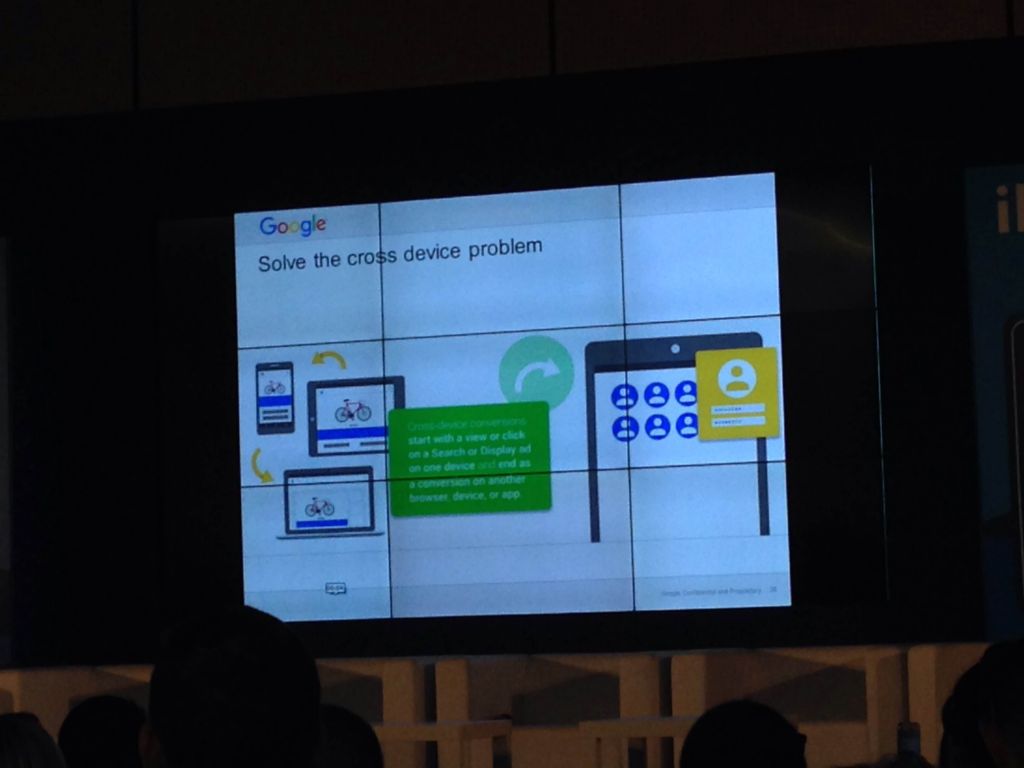
“They say ‘this broker is not allowed to market in France,’ but how many people read those warnings? The broker can change his name the next day. Or do good SEO work and push down the results on Google,” he said, suggesting that regulators themselves are not doing everything within their power to crack down on binary options abuse.
Without in any way confirming that such practices are taking place, the CFTC source said he is aware that CFTC warnings don’t get prominence on Google.
“We’re aware of that and we are taking steps to address it,” he said.
As for Google, the search engine giant was an active participant at last month’s forex and binary options conference, even going so far as to offer, during a keynote address, tips and insights into which countries had the most Google searches for “forex” and “binary options.”
The CFTC has thanked the Israeli Securities Authority, the Cyprus Securities and Exchange Commission, and the Ontario Securities Commission for their assistance in the case against Vault Options and Global Trader 365.
The CFTC source declined to comment on the methods used by Israeli law enforcement in combatting this type of fraud.
In response to the news that one in three CFTC red-listed companies operate from Israel, the Israel Securities Authority once again told The Times of Israel, as it has in the past, that it is not its responsibility and not within its jurisdiction to rein in this phenomenon of large-scale theft and fraud.
“The applicability of Israel Securities Law depends on which public a trading platform targets,” the ISA said in a statement, “as is customary among other securities authorities abroad. It is very easy to offer this kind of Internet activity outside the borders of the country and therefore the test of whom the securities law applies to is who is being targeted. For this reason, a foreign company that targets Israelis is required to receive a license from the ISA even if it is incorporated and located in a foreign country. This is how it works in most countries of the world and therefore a company that targets Americans or Europeans, for instance, must obtain an American or European license, even if it is operating abroad or from Israel.”
The ISA added: “We wish to emphasize that the ISA’s investigations department is devoting considerable resources and conducting investigations in cooperation with foreign securities authorities.”
Hunter Stuart contributed to this report.








The Times of Israel Community.