

A play tells the Ethiopian Israeli experience through the trauma of a Nova survivor
‘Stolen Dance’ brings together theater and dance in an original production for the Hullageb Israeli-Ethiopian Arts Festival
 Add ToI as a Preferred Source on Google
Jessica Steinberg, The Times of Israel's culture and lifestyles editor, covers the Sabra scene from south to north and back to the center
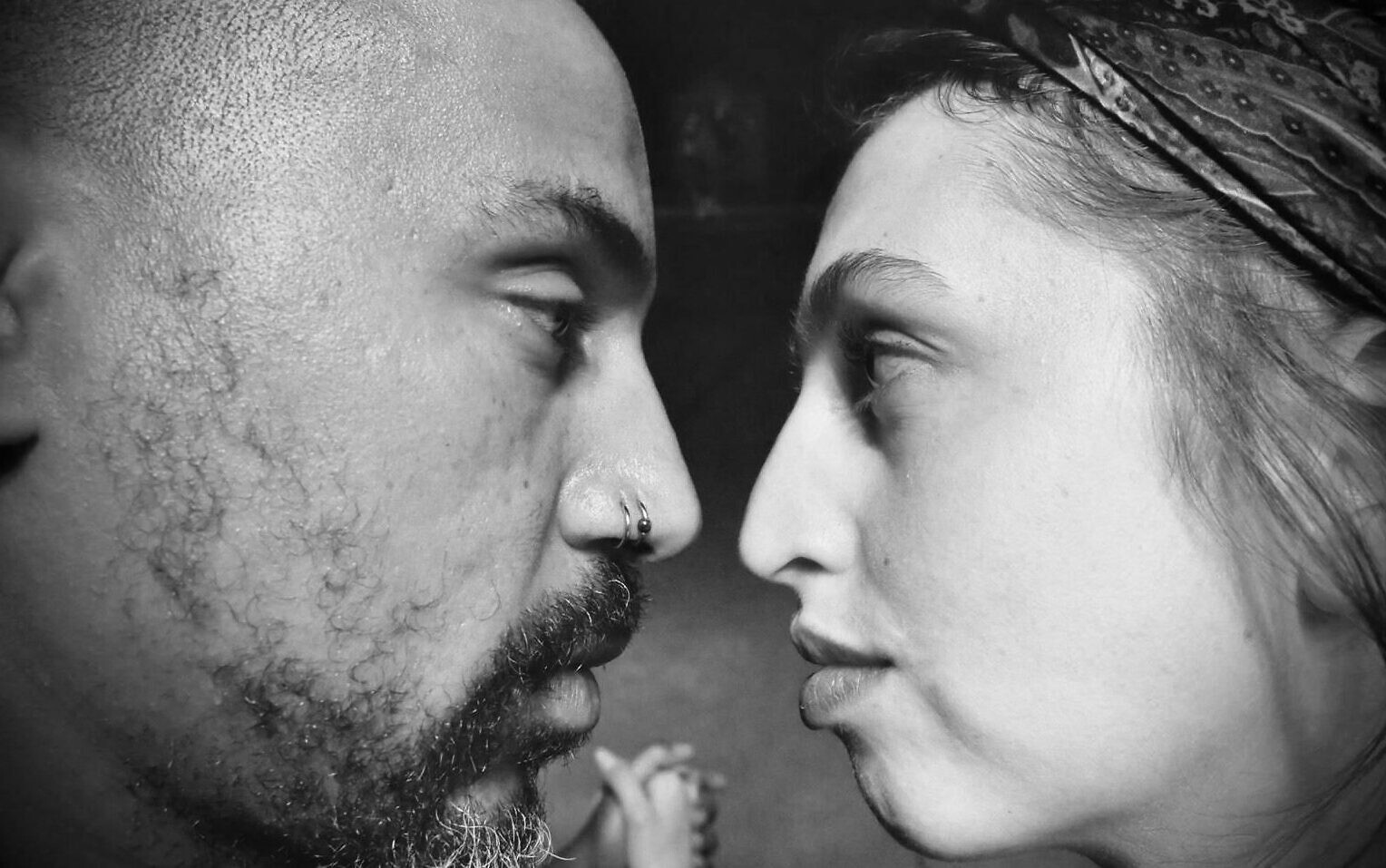
When Tzvika Iskais and Yael Simon take the stage Sunday night for the Hullegeb Israeli-Ethiopian Arts Festival, the two actors and dancers will be working out some of their demons, of the distant past and more recent present.
The combination play and dance performance, “Stolen Dance,” was written and directed by Moshe Malka and choreographed by Iskais. It tells the adapted story of Iskais’ early life as a young Ethiopian-Israeli immigrant. It is part of this original festival, December 21 through 24, that includes plays, conversations and musical performances about the Ethiopian journey to Israel.
Iskais’ mother died during the family’s trek to Israel from Ethiopia, and his surviving father couldn’t offer a stable environment.
Iskais was removed from his father’s home as a child and then bounced around different institutions. He turned to crime as a teen but eventually discovered dance through the help and support of various people who came into his life.
Iskais and director Malka decided to stage the story as a combination performance for this year’s Hullageb, and Iskais wanted Simon for one of the roles after the two had met years earlier while working at a Tel Aviv bar.
Simon got the part and they were scheduled to begin rehearsals on November 1, 2023. She first had plans to travel to Sinai, to visit her sister in Amsterdam, and to attend the Nova desert rave that opened on October 6.
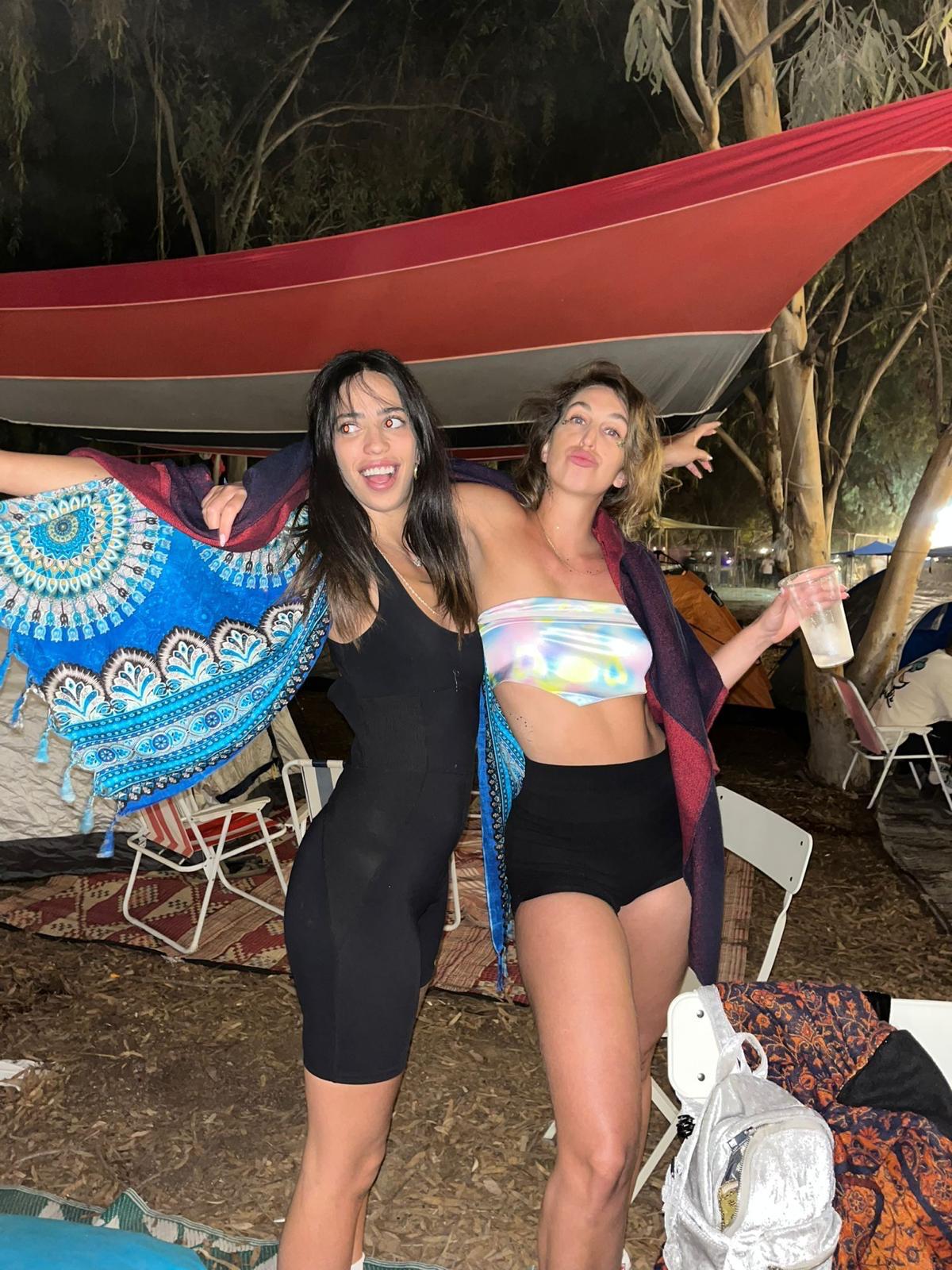
“I had it all planned out,” said Simon, “and then October 7 happened.”
Simon said she thinks back now to that horrific day, when thousands of Hamas terrorists invaded southern Israel, killing some 1,200 people and taking another 251 hostages, and believes that because she had a goal, a role in the play, it may have helped her survive.
“I was running and hiding and all was chaos and people were screaming and when I would find a moment I would look at the sky and say, ‘There’s no way I’m not returning home because I have so many dreams, and I finally have a role after so many auditions,'” said Simon.
Simon’s retelling of that day includes, like so many, not fully understanding the size of the Hamas attack.
In the early hours of October 7, 2023, about 4,000 civilians were attending the open-air Nova music and dance festival near Kibbutz Re’im in southern Israel when hundreds of Hamas-led terrorists burst through the border from Gaza and rampaged murderously, slaughtering 364 people amid other atrocities, including gang rape and mutilation of victims. Another 40 festival participants were taken hostage.
During the Hamas ambush on the outdoor rave, festival attendees were forced to act quickly; some escaped by running away, while others hid for hours to survive.
She and her friends reached their car shortly after 6:30 a.m. and were blocked by the massive traffic jam that formed at the exit of the parking lot.
They ran, hiding inside a pipe and then in bushes, but somehow, miraculously, made it back to their car, taking a total of 11 people out of the scene of the massacre.
Their jeep wasn’t shot at by the terrorists and by late morning, they were back in the country’s center.
The following week brought every kind of difficult, heartbreaking news, as they learned of all the friends who were killed and taken hostage that day.
Simon said she didn’t eat or sleep for close to a month, and it was her November 1 rehearsal date that pushed her back into a semblance of living.
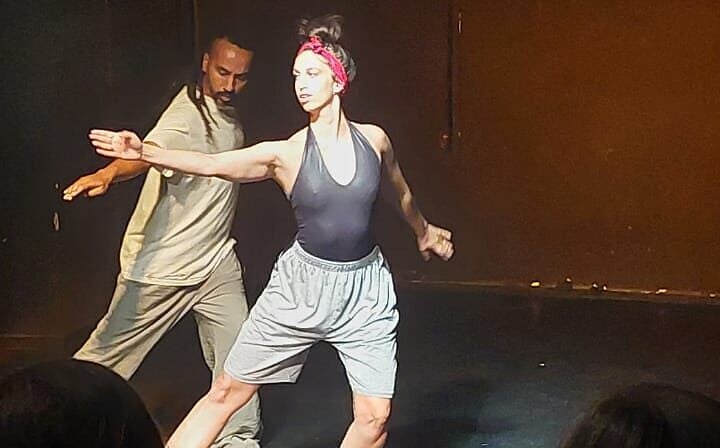
She exhausted herself with workouts and rehearsals until she ripped a muscle, which made Simon pause and start working on finding relief for her trauma.
“Looking back, I can say that the acting helped me, and the way we work is like nothing I’ve ever done before,” said Simon. “I live with a kind of wound and that makes me act better.”
It was only after October 7 that Iskais heard from Simon and learned that she had been at the Nova rave. Iskais and his pregnant partner were at home with their two young children in Petach Tikva on that day, their third child born just last week.
During their rehearsals, Iskais said he felt like he was experiencing what Simon was telling them about that day, about the traumas of October 7.
“People came back alive but their souls were gone and through Yael, I understood we have to envelop them because a person can’t imagine what they went through,” he said.
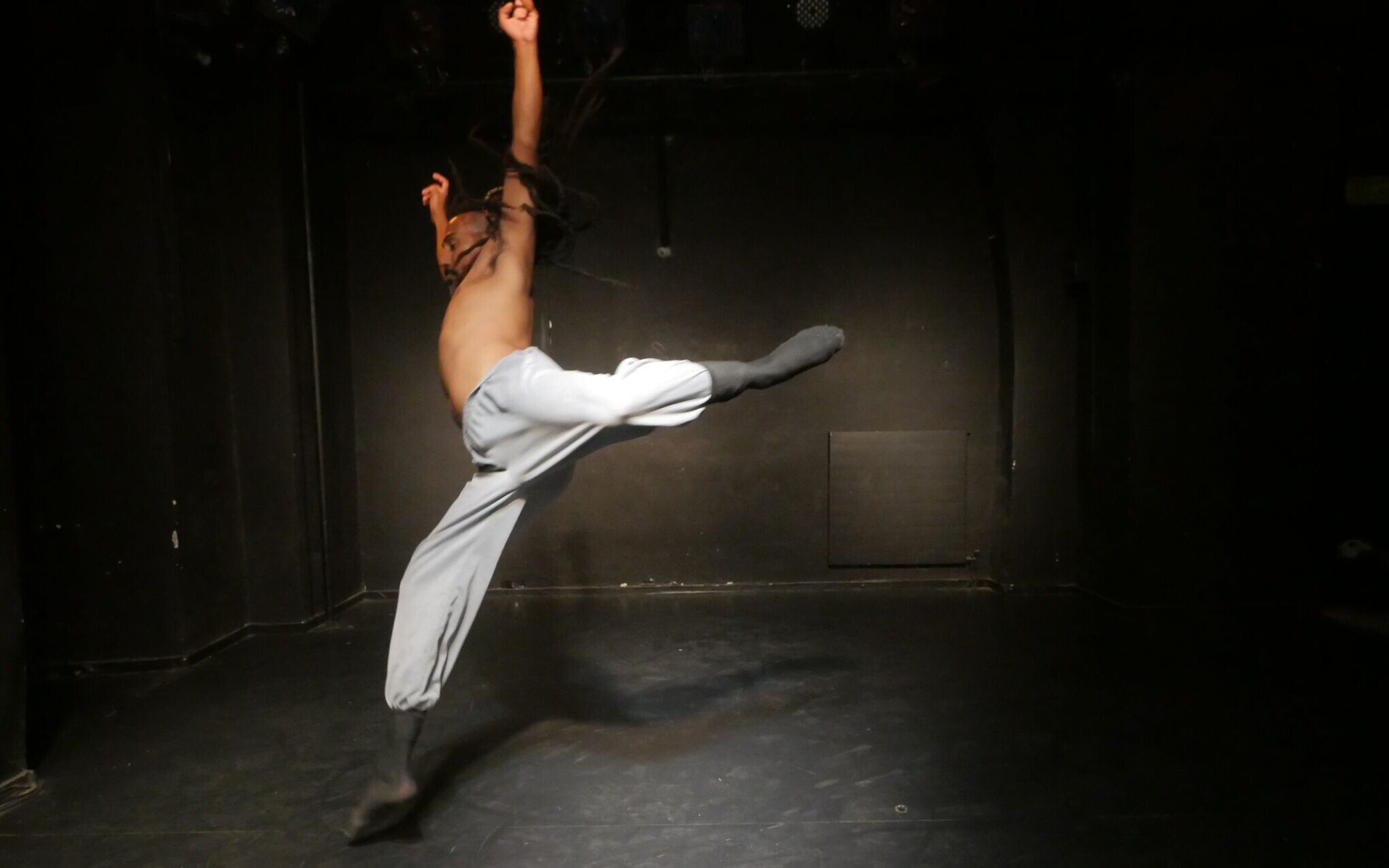
It’s a story that aligns with the play, which tells Iskais’ own story and his continuing path with both his partner and his best friend.
“Her story met my story,” said Iskais.
“Digging down deep is hard,” he said. “You feel naked every time, but through Yael’s story I’m reminded how strong I am as well as that I’m a fighter, just like she is.”
Iskais is a firm believer in remembering his traumas, including the one that aligns with the difficult absorption stories of Ethiopian-Israelis but also a trauma from which he emerged. He wants to figure out what he can give to society as someone who gained from what others offered him, showing him the way to dance and to theater and to the life he lives now.
“Stolen Dance” will be performed on Sunday, December 22 at Jerusalem’s Confederation House, under the direction of Effie Benaya, as part of the Hullegeb Israeli-Ethiopian Arts Festival.







The Times of Israel Community.