

Ban on media access to Gaza should stay in place, government tells High Court
State argues that allowing foreign press to enter Strip could disturb efforts to locate the remains of Ran Gvili, the final hostage in Gaza
 Add ToI as a Preferred Source on Google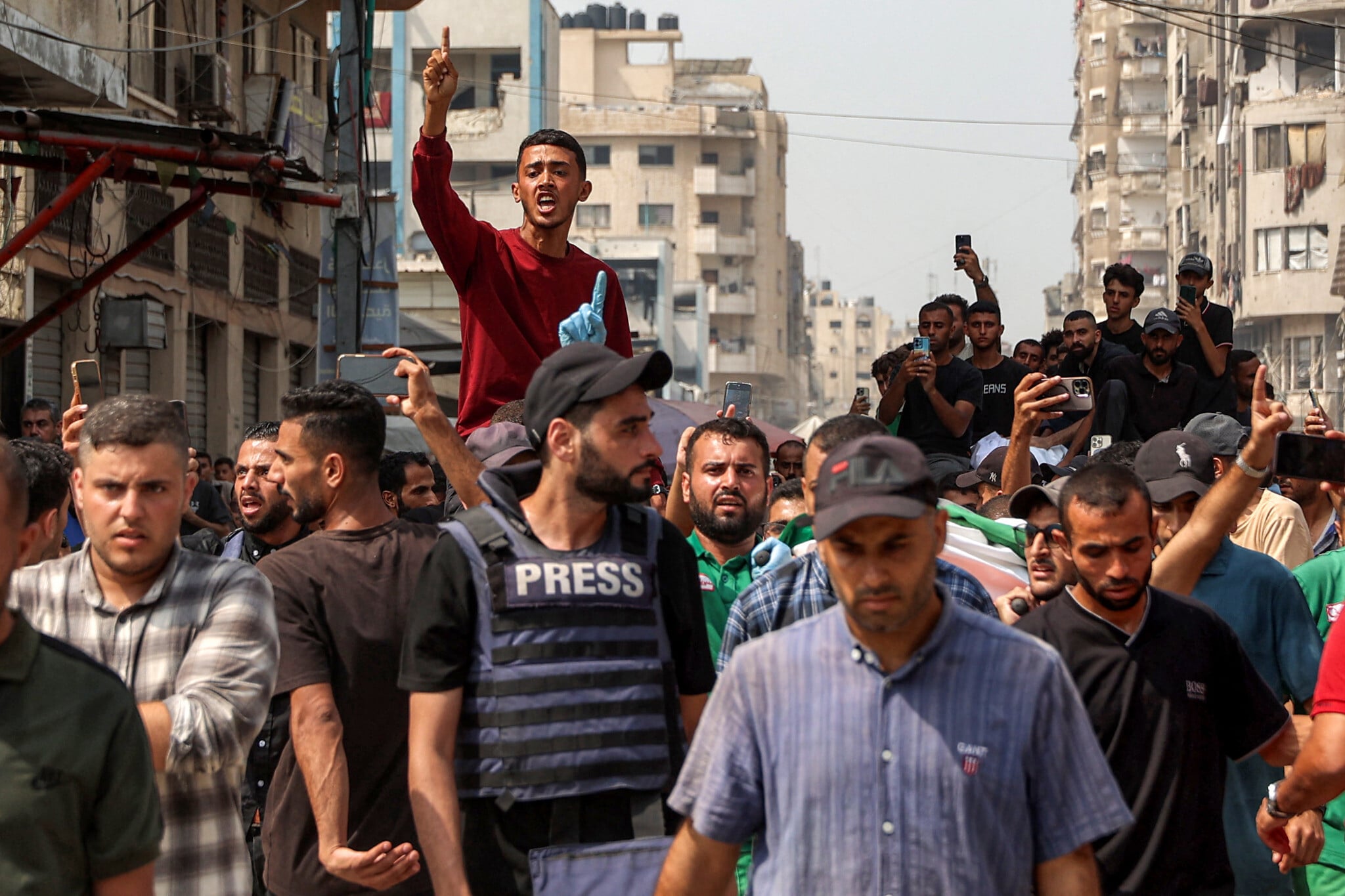
Israel’s government has told the Supreme Court that a ban on international media access to Gaza should remain in place due to security risks in the enclave, according to a court submission.
Since the outbreak of the war in Gaza, triggered by the Hamas-led massacre in Israel on October 7, 2023, Israeli authorities have barred foreign journalists from independently entering the devastated enclave.
Instead, Israel has allowed only a limited number of foreign reporters to enter Gaza on a case-by-case basis, embedded with its military forces operating inside the Strip. While Israeli journalists have been granted more opportunities to enter the enclave, they too must be embedded with troops to go in.
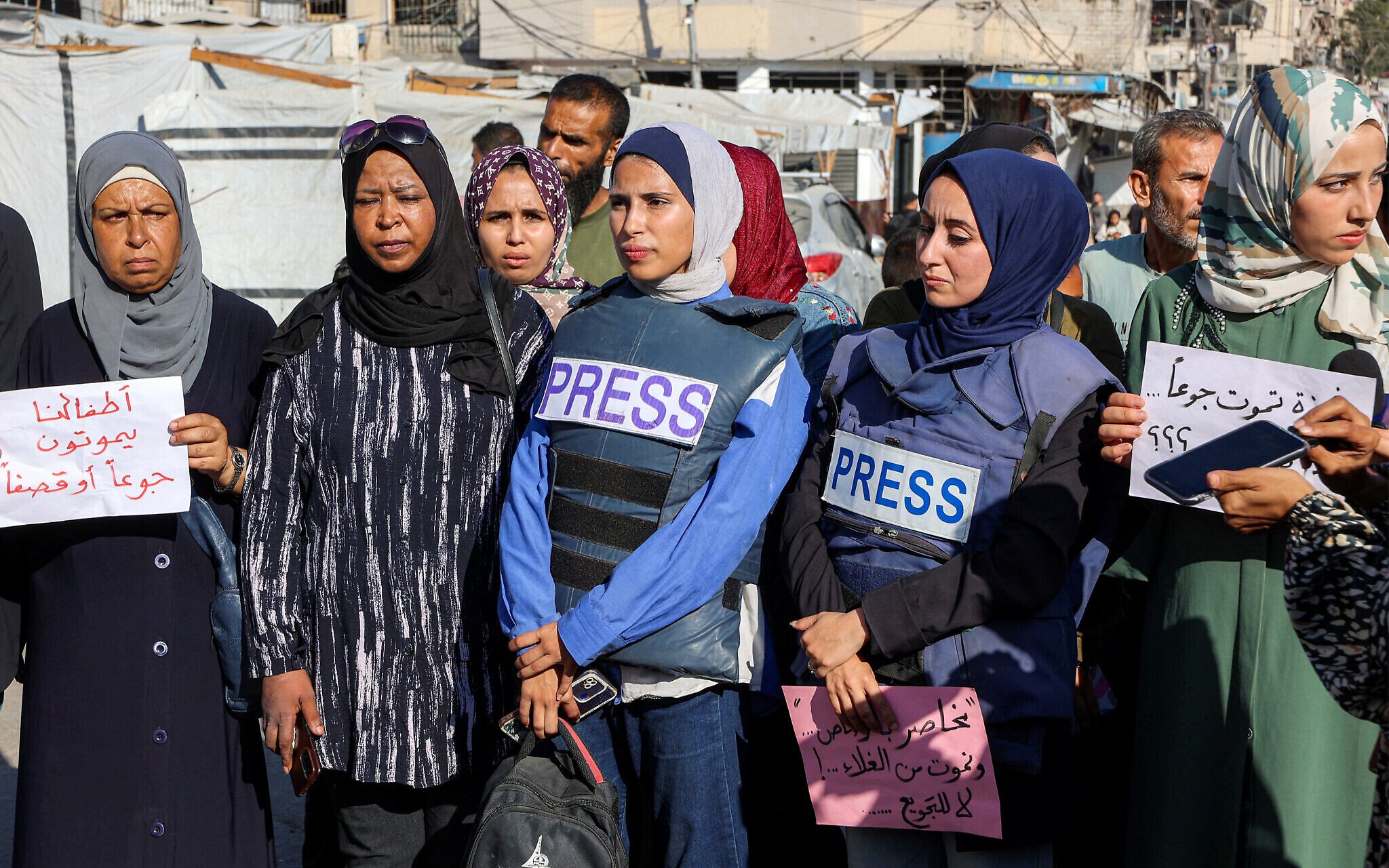
The Foreign Press Association (FPA), which represents hundreds of foreign journalists working in Israel, the West Bank and Gaza, filed a petition with the Supreme Court in 2024 seeking immediate and unrestricted access to the Gaza Strip for international media.
Since then, the court has given several extensions to the Israeli authorities to come up with a plan, but at a hearing last month, it set January 4 as a final deadline.
The court warned then that it would issue its decision regardless of whether the state filed its position by the deadline.
Late on Sunday, the Israeli government filed its response with the court, a copy of which was obtained by AFP.
In the submission, the government said the ban on media access to Gaza should continue, citing security risks in the territory.
“Even at this time, entry of journalists into the Gaza Strip without escort, as requested in the petition, should not be permitted,” said the government submission.
“This is for security reasons, based on the position of the defense establishment, which maintains that a security risk associated with such entry still exists.”
The government said the ceasefire in Gaza, which came into effect on October 10, continues to face regular threats.
Gaza’s Hamas-run health ministry says that at least 420 Palestinians have been killed by Israeli forces since the ceasefire took effect, although this number cannot be independently verified and does not differentiate between combatants and civilians.
Three IDF soldiers have been killed in the same period.

In its petition, the FPA argues that the blanket ban on independent access to Gaza for journalists “contravenes the foundational principles of the state as a democratic country, and represents a severe, unreasonable and disproportionate injury to the freedom of the press, freedom of expression, and freedom of employment for journalists and the right to information.”
The FPA further contends that the IDF has granted limited opportunities for embeds to foreign reporters compared to Israeli reporters, that it has chosen which reporters can enter mostly without consulting the FPA, and that the embeds are tightly controlled and do not allow for full and proper coverage of the war.
Last month, Defense Minister Israel Katz told the Knesset that the military’s swift responses to ceasefire violations by Hamas could endanger journalists.
The government said in its submission that the search for the remains of police Master Sgt. Ran Gvili, the last hostage held in Gaza, is ongoing, suggesting that allowing journalists into the war-torn enclave at this stage could hinder the operation.
The Supreme Court is expected to issue a ruling on the matter, though it is unclear when a decision will be handed down.
Jeremy Sharon contributed to this report.








The Times of Israel Community.