

Files thought to show Germany knew Eichmann’s location will stay hidden
Newspaper had sought release of passages that allegedly indicate that West German authorities knew in 1952 where Nazi had fled
 Add ToI as a Preferred Source on Google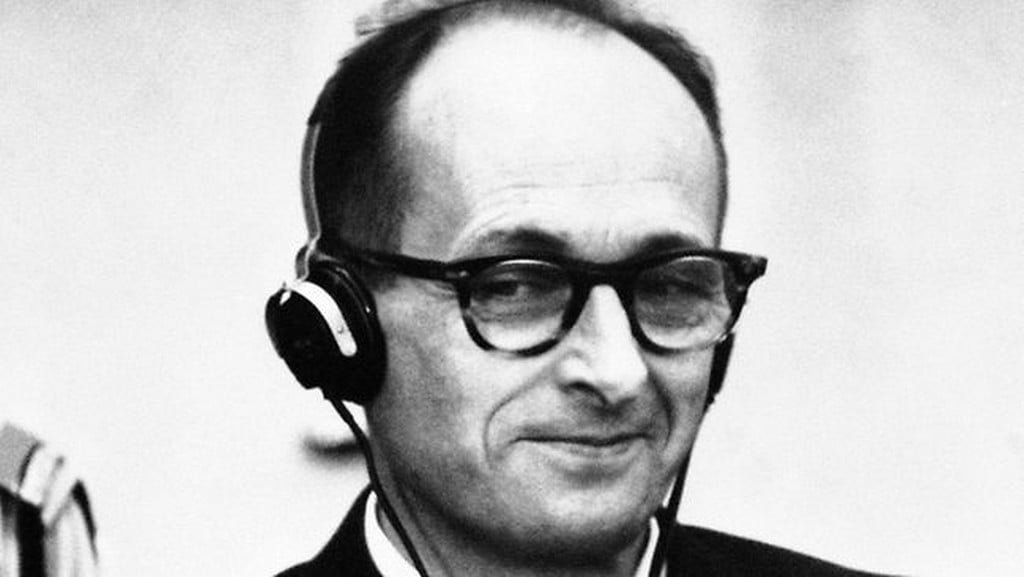
BERLIN (AP) — Germany’s foreign intelligence agency can keep secret some of its records on Adolf Eichmann, the man known as the architect of the Nazi Holocaust, a court ruled Thursday.
The Federal Administrative Court ruled that the intelligence agency was within its rights to black out passages from the files sought by a journalist attempting to shed light on whether West German authorities knew in the 1950s where Eichmann had fled after World War II.
Thursday’s ruling followed a decision last year in which the court said the Federal Intelligence Service had to release some files it had previously kept secret.
Israeli agents grabbed Eichmann in Buenos Aires in 1960 and brought him to Jerusalem for trial. Eichmann, who helped organize the extermination of Europe’s Jews as the head of the Gestapo’s Jewish affairs office during the World War II, was found guilty of war crimes, sentenced to death and hanged in 1962.
The mass-circulation Bild daily, whose reporter sued for the files’ full release, has reported that West German intelligence knew as early as 1952 that he was in Argentina.
In 2006, the CIA released documents showing that it wrote to its West German counterpart in 1958, saying it had information that Eichmann “is reported to have lived in Argentina under the alias ‘Clemens’ since 1952” — both his correct whereabouts and only a slightly different alias, which was actually Ricardo Klement.
The German intelligence service said in an emailed reaction to the ruling that most of the files it holds on Eichmann are already public and only a small portion still needs to be blacked out. It said that the need to do so stems from laws on “protecting state security interests” and data protection laws.
A lawyer for Bild’s publisher, Axel Springer, said after Thursday’s ruling that it reserved the right to take the case to Germany’s highest court. Christoph Partsch said in a statement that Germany’s interests would be harmed by redacting the files, not by releasing them.
Copyright 2013 The Associated Press.






The Times of Israel Community.