

Haniyeh seeks to pay Hamas ‘military personnel’ with Qatar’s money
Senior official in Gaza attacks unnamed ‘parties’ who he says believe $31 million should only go to terror group’s civilian employees
 Add ToI as a Preferred Source on Google
Dov Lieber is a former Times of Israel Arab affairs correspondent.
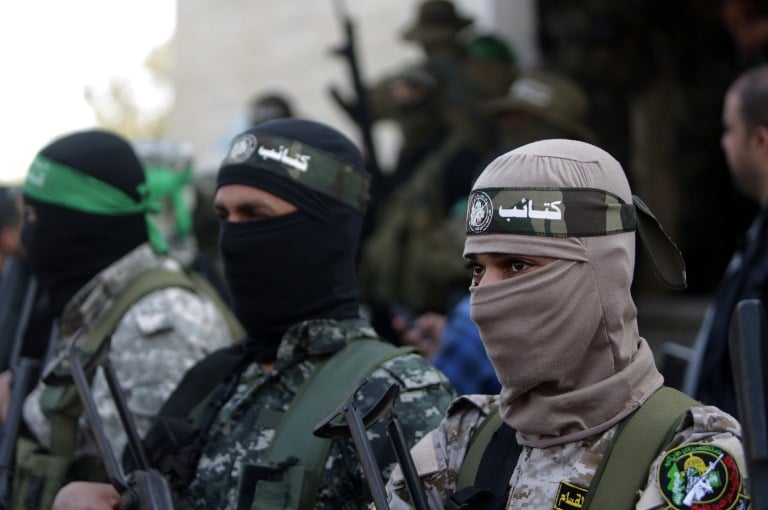
Senior Hamas leader in Gaza Ismail Haniyeh said Sunday he is working to ensure money sent to the terror group by Qatar will be used to pay “military personnel” alongside civilian government employees.
The Times of Israel reported recently that Qatar agreed to transfer some 113 Saudi riyal ($31 million) to Hamas in order to pay the salaries of the group’s employees in the Strip. Over the past three years, Hamas employees have generally been receiving a third to half of their salaries.
According to a statement published on Hamas’s website, Haniyeh is in contact with various “government agencies” in Gaza to support the payment of the group’s “military personnel” with the Qatari money.
In the statement, the senior Hamas leader lashed out against “parties” in Gaza who attempt to distinguish between the military and civilian branches of the organization. Haniyeh demanded that both military and civilians are considered “legitimate” employees who are “appointed by the decision of a legitimate government.”
Haniyeh did not indicate which “parties” had called for there to be a difference between the two branches of Hamas, or indeed whether those parties were strictly Palestinian or international officials present in the Strip.
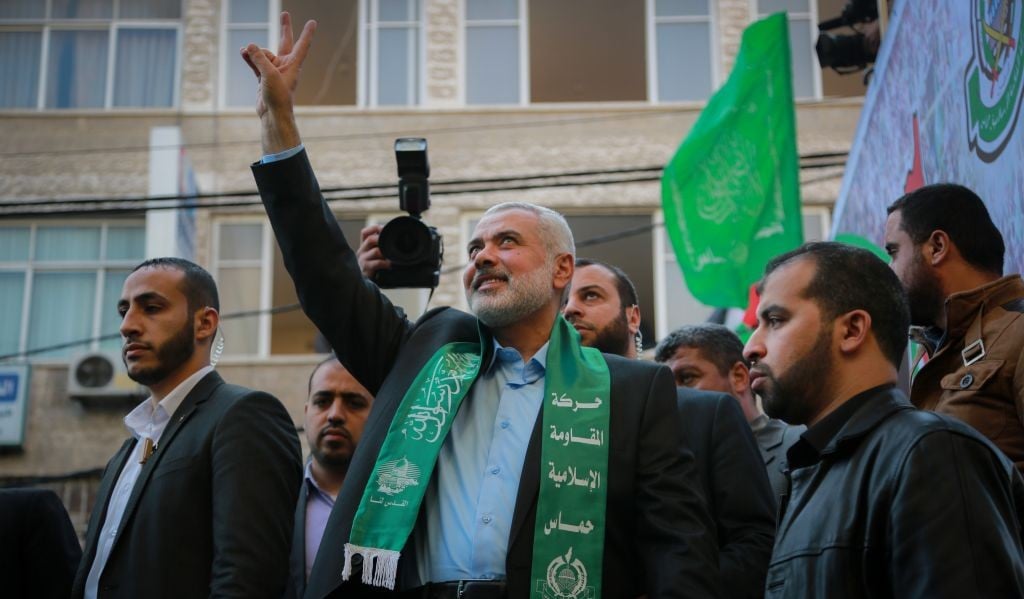
Israel and most Western governments consider Hamas a terror organization. The UN, however, has attempted to differentiate between the Islamist group’s political and military wing, known as the Izz ad-Din al-Qassam Brigades.
According to the Palestinian daily al-Quds, the Qatari payment came after Israel agreed to the emirate’s request to pay Hamas employees. This was a drastic shift in policy from 2014, when a similar plan presented by then-UN envoy to the region Robert Serry was struck down.
Avi Issacharoff contributed to this report.



The Times of Israel Community.