

IDF says dozens of top Iranians killed within seconds of Khamenei as CIA role emerges
Report says US spy agency tracked supreme leader’s location and handed intel to IDF; deaths of military chief of staff, defense minister and top IRGC commander also confirmed
 Add ToI as a Preferred Source on Google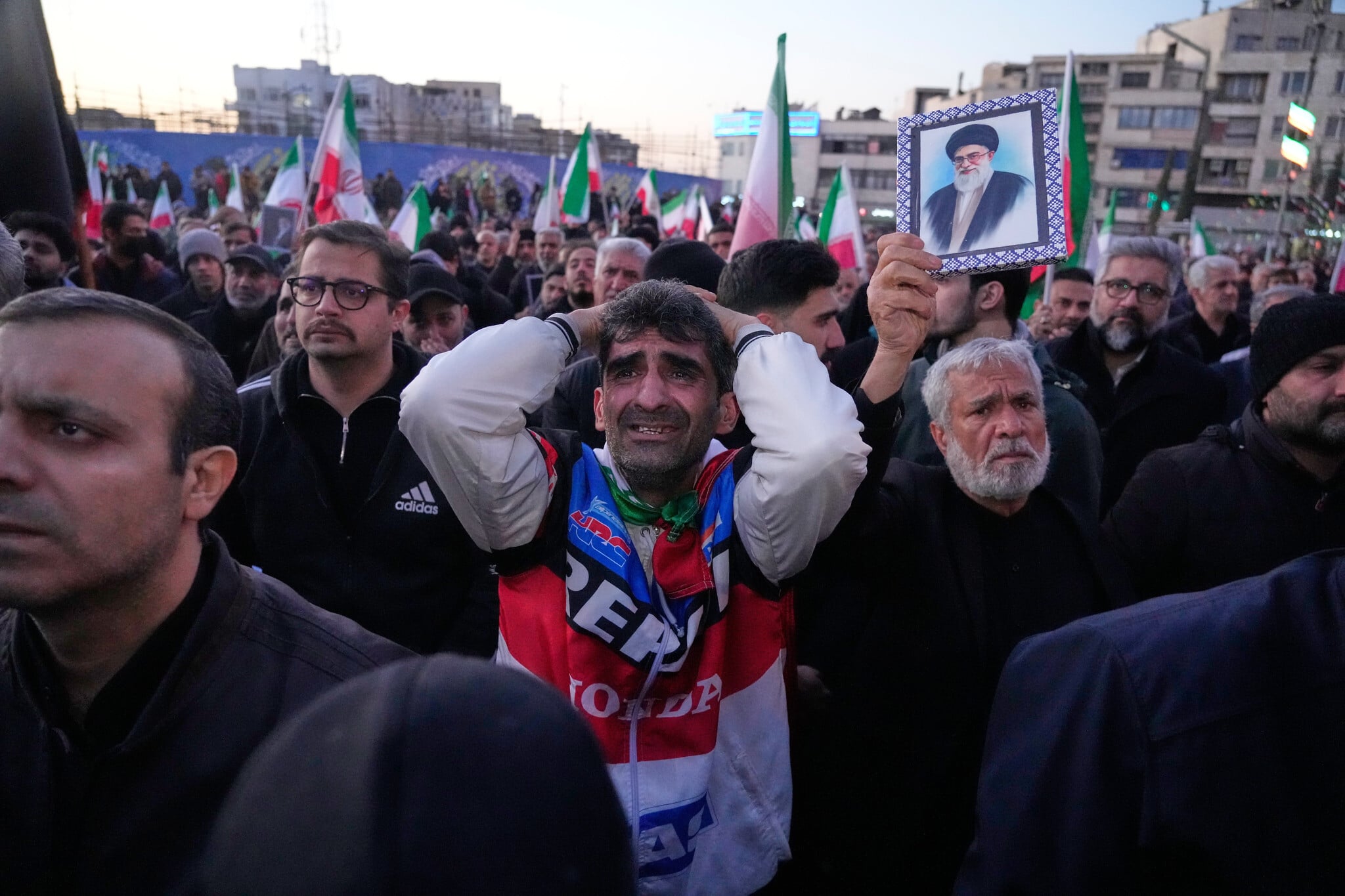
Iranians awoke Sunday morning to confirmation that Supreme Leader Ali Khamenei had been killed after 36 years of ruling the country with an iron grip, as new details emerged about the stunning Israeli-US attack and the identities of some of the top officials killed alongside the country’s top ruler.
Iranian state television reported Khamenei’s death in the early hours of Sunday, broadcasting archive images with a black banner, sparking celebrations but also mourning. The death of the cleric also threatened to plunge the country into deeper chaos amid major questions over its future.
Khamenei was killed in a strike on a Tehran compound Saturday morning, marking the opening salvo of a US and Israeli military campaign aimed at destroying the country’s nuclear and weapons programs and toppling the regime.
The IDF said Sunday it had killed 40 “key” Iranian military commanders, including Iran’s chief of staff Abdolrahim Mousavi, within a minute of striking Khamenei.
According to The New York Times, the CIA had tracked Khamenei’s location and knew of a meeting of top Iranian officials slated for Saturday morning in central Tehran.
The American intelligence agency had been tracking Khamenei for months, the Times reported, citing people familiar with the operation, and learned that a meeting of top Iranian officials was set for Saturday morning at a leadership compound in the heart of Tehran.
Washington and Jerusalem originally planned to launch strikes on Iran at night, but officials adjusted the plan based on the CIA intelligence, according to the Times.
The US gave the information to Israel, which planned to carry out the attack on Iranian leadership, the newspaper reported.
The operation began about 6 a.m. in Israel, and long-range missiles fired by Israeli Air Force jets struck the compound about two hours later, the Times said.
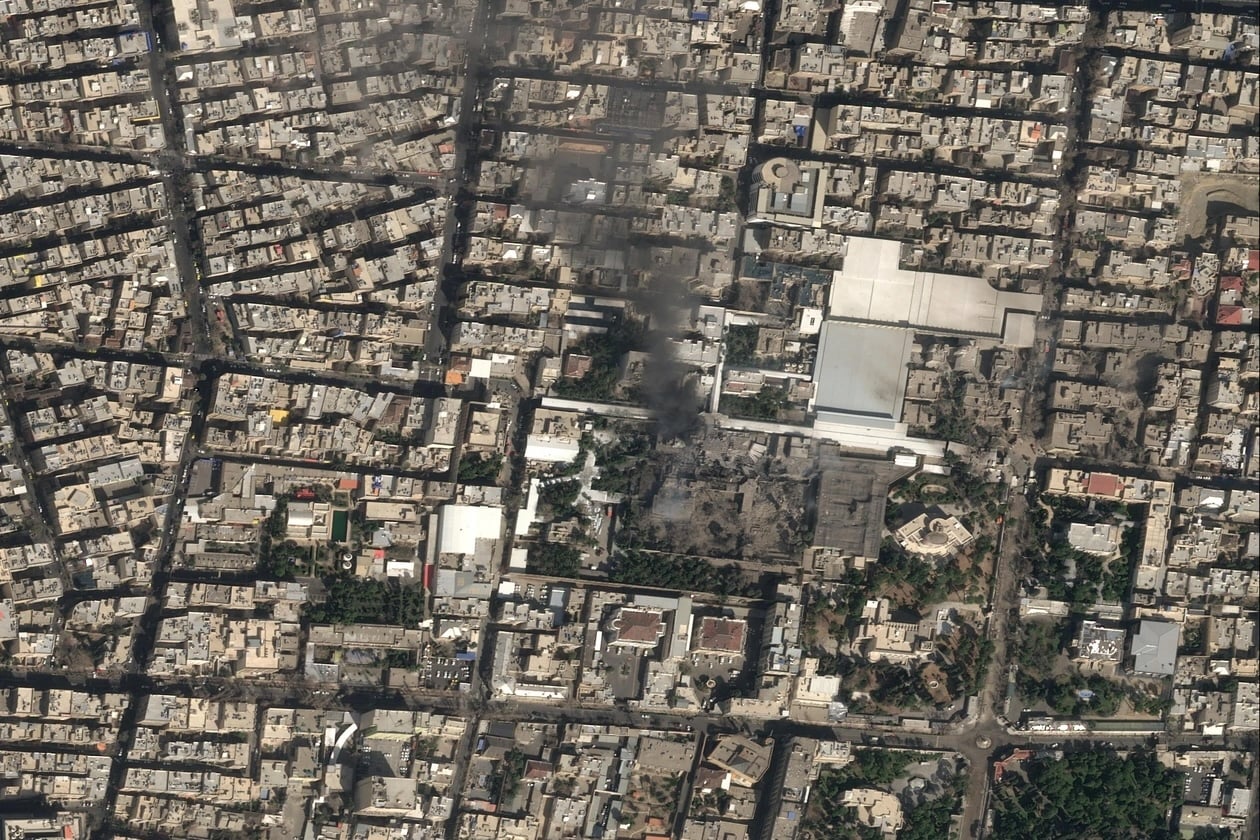
Senior Iranian national security officials were in one building at the compound, and Khamenei was in a nearby building.
The Wall Street Journal reported that 30 bombs were dropped on the compound where Khamenei was meeting with senior leadership.
The IDF said Sunday that Khamenei was killed in “a precise, large-scale operation carried out by the Israeli Air Force, guided by accurate IDF intelligence,” without mentioning any US role.
Iranian media also reported the deaths of the leader’s daughter, son-in-law and granddaughter in the strikes.
Among others killed, Iranian state TV listed the name of Mousavi along with Defense Minister Aziz Nasirzadeh, the head of Islamic Revolutionary Guard Corps Maj. Gen. Mohammad Pakpour, and senior adviser Ali Shamkhani.
The IDF said that “the majority of the highest-ranking senior military officials of the Iranian security leadership have been eliminated by the IDF.”
As reports trickled out about Khamenei’s death, eyewitnesses in Tehran told The Associated Press that some residents were rejoicing, cheering from rooftops, blowing whistles and letting out ululations.
SEE IT: Iranians celebrate the death of the Iranian Supreme Leader Ali Khamenei in the streets of Besat Town, a suburb of Karaj, Iran. pic.twitter.com/NpEwVpb0kf
— Fox News (@FoxNews) March 1, 2026
Mourners raised a black flag over the Imam Reza shrine in Mashhad and the Iranian government declared 40 days of public mourning and a seven-day nationwide public holiday to commemorate Khamenei’s death.
Iran’s President Masoud Pezeshkian said Sunday that the killing was a “declaration of war against Muslims.”
“The assassination of the highest political authority of the Islamic Republic of Iran and a prominent leader of Shiism worldwide… is perceived as an open declaration of war against Muslims, and particularly against Shiites, everywhere in the world,” Pezeshkian said in a statement carried by state TV.
The killing of Khamenei after decades in power appeared certain to create a significant leadership vacuum given the absence of a known successor and because the supreme leader had final say on all major policies.
Iran had already seen intense speculation on a successor to Khamenei, given his age. Upon his death, many observers expected greater power for the Revolutionary Guards, which are deeply entrenched in the Iranian economy.
Khamenei reportedly last week arranged a line of succession for his leadership and that of senior military, security and political leaders if they were “martyred.”
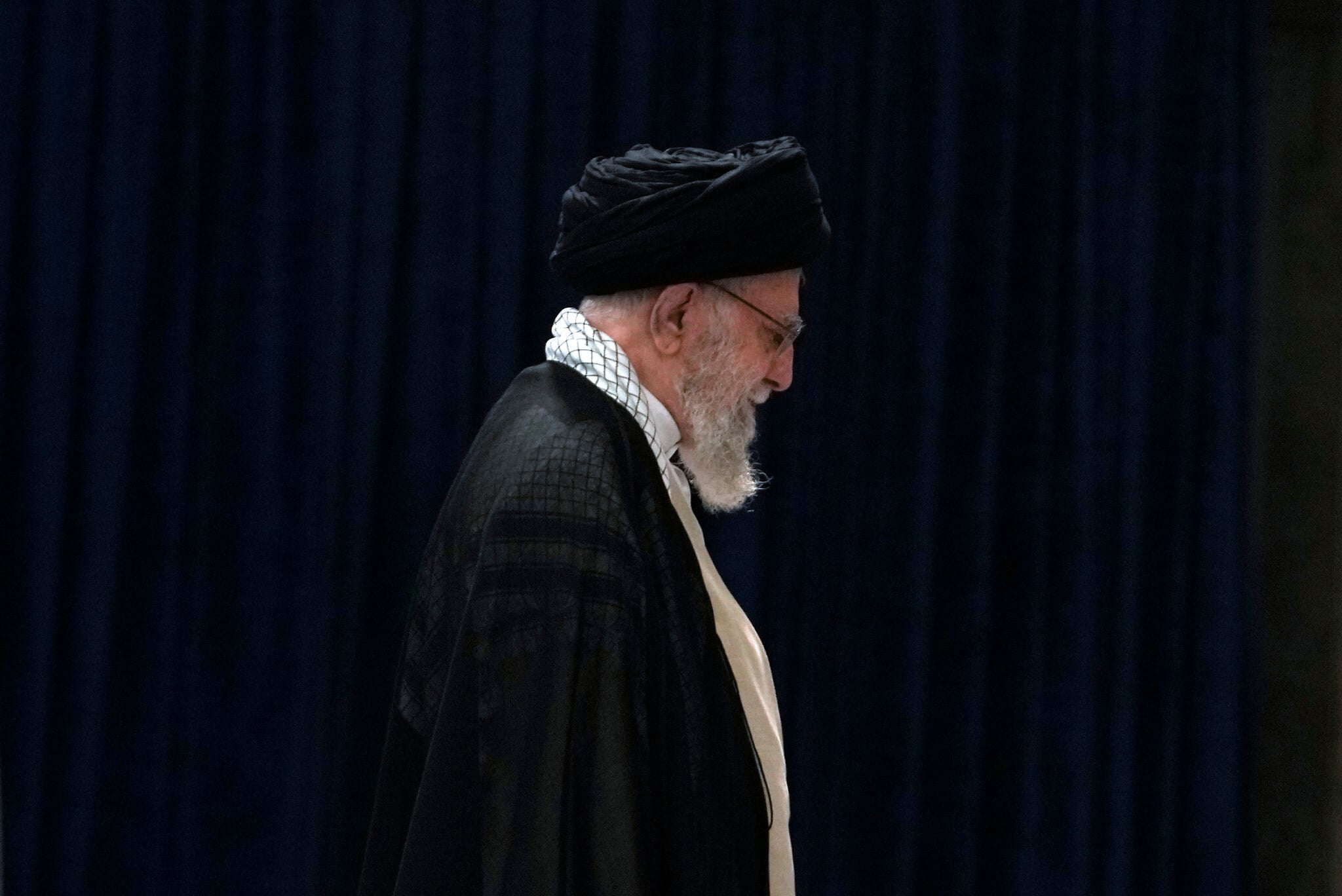
Pezeshkian and two other top officials would lead Iran in the transitional period following Khamenei’s death, state television reported on Sunday.
Iran named Ayatollah Alireza Arafi to the interim leadership council that will helm of the country following the killing.
“The Expediency Discernment Council has elected Ayatollah Alireza Arafi as a member of the interim leadership council,” said expediency council spokesman Mohsen Dehnavi in a post on X on Sunday.
The interim council, which will also include the president and the head of the judiciary, will lead the country until the Assembly of Experts “elects a permanent leader as soon as possible.”
Reza Pahlavi, the son of the late pro-Western shah deposed in the 1979 Islamic revolution, said that any successor within the system would be illegitimate.
Iran’s top security official, Ali Larijani, accused the United States and Israel of trying to plunder and disintegrate Iran and warned “secessionist groups” of a harsh response if they attempt action, state television said.
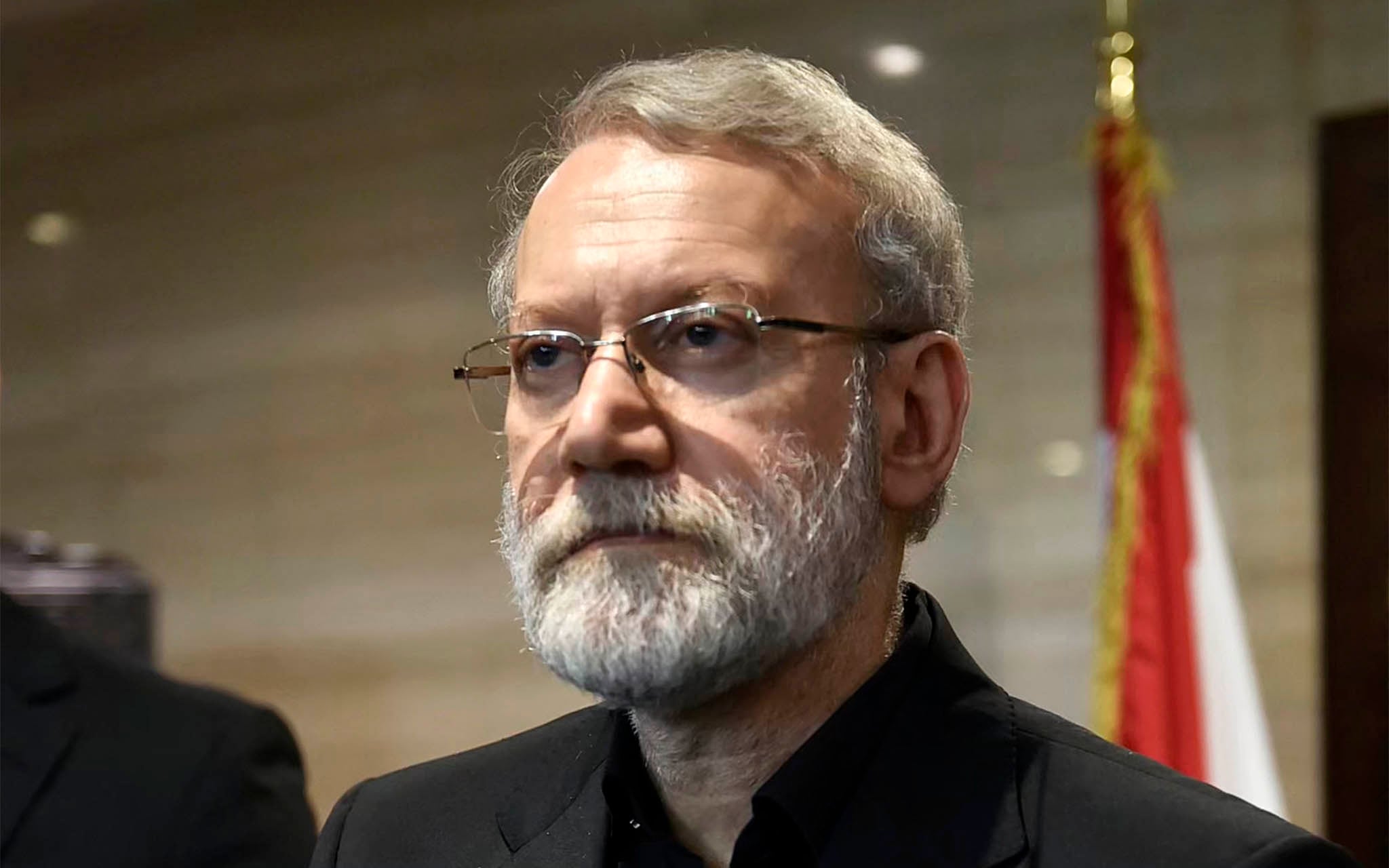
Larijani reemerged last year as one of the most powerful figures in the security hierarchy. He has been managing a broad portfolio from nuclear negotiations to Tehran’s regional ties to its violent suppression of internal unrest.
An establishment insider who hails from one of the country’s leading clerical families, Larijani had been overseeing Iran’s efforts to reach a nuclear deal with the United States — just a month after Washington sanctioned him in January for allegedly directing a deadly crackdown on anti-government protests.






The Times of Israel Community.