

In new tapes, Barak calls Netanyahu weak, indecisive, pessimistic
Ex-defense minister says PM ‘clouded in a sort of deep pessimism,’ and ‘prefers to be fearful’; also recounts his own bid to oust Olmert
 Add ToI as a Preferred Source on Google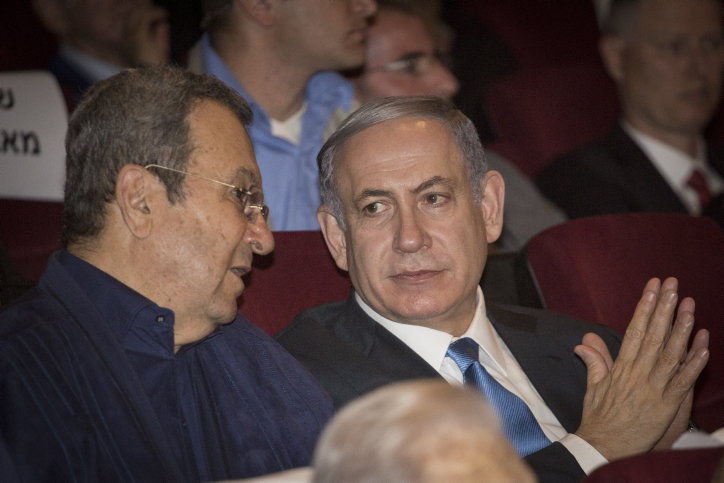
In new recordings made by Ehud Barak aired by Channel 2 TV on Sunday, the former defense minister described Prime Minister Benjamin Netanyahu as weak, indecisive, pessimistic and fearful.
In other recordings released earlier Sunday, Barak said he, along with Kadima party lawmakers, had plotted to oust party leader and former prime minister Ehud Olmert.
The material comes from conversations related to a new biography of Barak being written by Danny Dor and Ilan Kfir. The former defense minister, who was also previously prime minister and chief of staff, attempted to prevent the Friday broadcast of earlier such recordings in which he discusses Israel’s ultimately abandoned plans to attack Iran, but the military censors allowed Channel 2 to play them.
Speaking in the tapes aires Sunday about Netanyahu’s appointment of Avichai Mandelblit as cabinet secretary after the former chief military advocate general was linked to the Harpaz affair (an IDF appointments scandal), Barak said Netanyahu found it hard to make decisions.
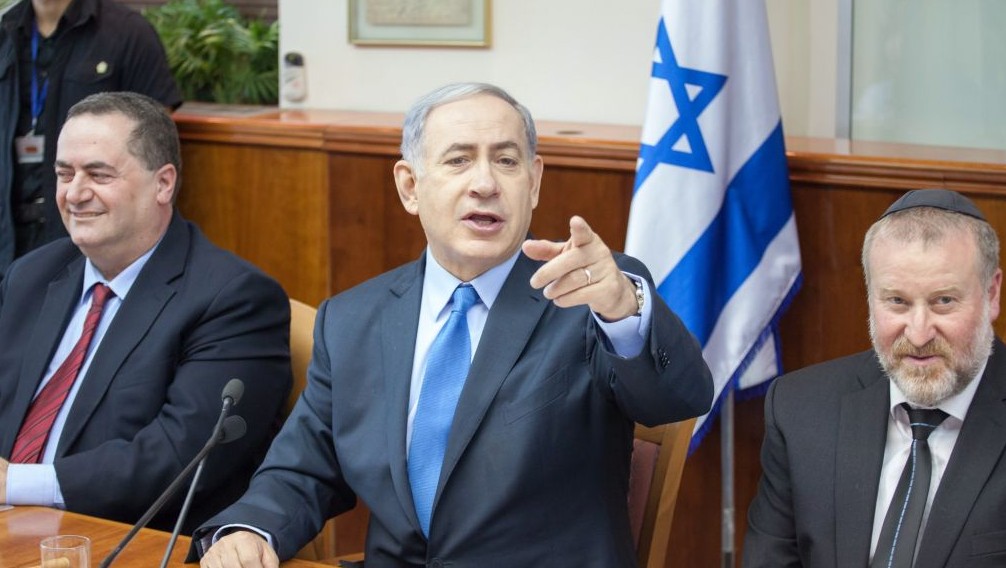
“Bibi [Netanyahu] is weak, he doesn’t want to take difficult steps unless he is forced to,” Barak said. He recalled telling the prime minister that Mandelblit was “as loyal as a dog,” but in the end “serves himself” and was seeking to be the next attorney general.
While his comments on Netanyahu’s ostensible weakness were directly related to the appointment of Mandelblit, Barak also made more general comments about Netanyahu’s overall worldview in the new set of recordings. “Bibi himself is clouded in a sort of deep pessimism, and … in the balance between fear and hope, he generally prefers to be more fearful, he once called it worried,” Barak said.
With regard to an attempt to oust Olmert, Barak said he sat down with then Kadima (now Likud) politician Tzachi Hanegbi and other Kadima Knesset members to outline a plan. In the tapes, Barak is heard threatening to break up the government if the MKs don’t back his plan.
Barak said he wrote out a plan with Hanegbi, in his home. “He [Hanegbi] sat down and wrote out how we replace Olmert, within Kadima, how it’s done,” Barak said.
“There was immense internal opposition to this,” he added.
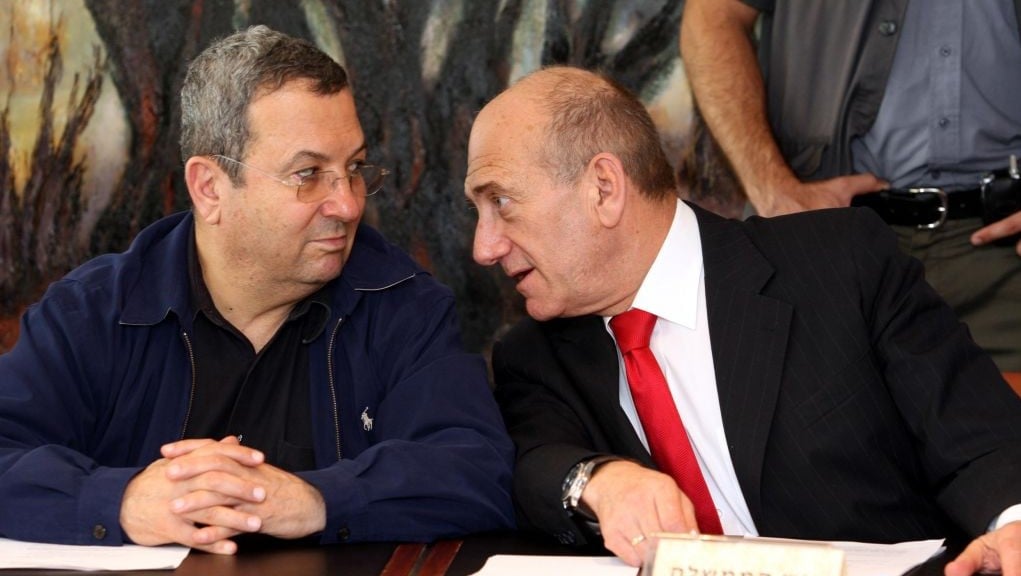
Referring to unnamed Kadima members, Barak said: “I told them, if you don’t do this, I’m breaking up the government. Without elections, that’s right, without elections. I told them, if you don’t… So they said, what? But how do we do this? So I sat them down. We told them exactly how it can be done. Ten steps to take, one after the other.”
“Me, him and Tzipi [Livni], we had this ongoing conversation. He would sit with Tzachi Hanegbi and process it. I’m sure he has all sorts of papers from then,” Barak said. It was not immediately clear who the “he” was. The ex-defense minister is later heard telling his interviewers that he would find them “juicy” pieces of handwritten notes from those plans.
The TV report did not note to which year Barak was referring regarding the efforts to oust Olmert. Olmert was prime minister from 2006-2009, and stepped down over corruption allegations. Barak had served as defense minister between 2007-2013, under Olmert and later Netanyahu. Barak was never a member of Kadima, heading the Labor party from 1996-2001 and again from 2007 to 2011, when he broke away to form the short-lived Independence party.
Hanegbi did not respond to a request for comment, according to Channel 2.
Earlier Sunday, Hanegbi said he would summon the military censor to explain why Channel 2 TV received the go-ahead to broadcast the recordings regarding Iran.
“I am going to summon IDF censor officials to speak to us and to the Foreign Affairs and Defense Committee,” the Likud MK told Army Radio. “For years, we’ve been following the censor’s activities.”
Channel 2, which broadcast the bombshell Iran-related recordings made by Barak on Friday night, said Saturday that “anger” at the former defense minister was widespread among the Israeli leadership, and that numerous senior political and security officials were also privately intimating that Barak’s version of events was not entirely accurate.
In the tapes, Barak claims that he and Netanyahu wanted to attack Iran in 2010, but that then-IDF chief of staff Ashkenazi indicated that there was no viable plan for such an operation; that they were thwarted in 2011 by the opposition of fellow ministers Moshe Ya’alon and Yuval Steinitz; and that a planned 2012 strike was aborted because it happened to coincide with a joint Israel-US military exercise and Israel did not want to drag the US into the fray.









The Times of Israel Community.