

Iran officials reply coldly to truce offer, as US warns of harsher strikes if rejected
Iranian official says ceasefire conditional on ‘right’ to control Hormuz, end of war on proxies; White House says talks are ‘productive,’ reports on proposal not entirely accurate
 Add ToI as a Preferred Source on Google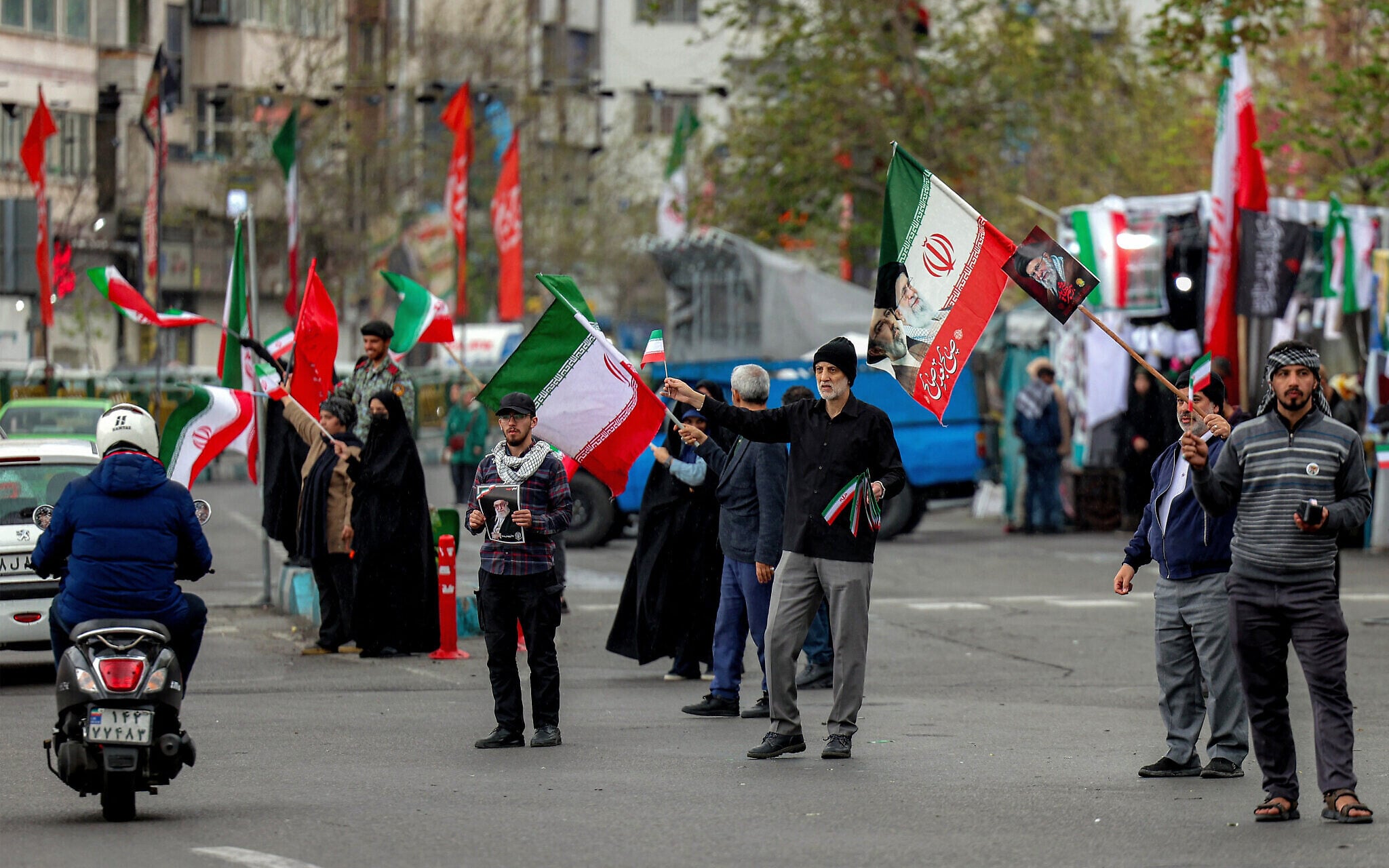
Iranian officials on Wednesday gave a cold reception to the current US proposal to reach a ceasefire, as the White House warned Tehran it would be hit harder than before if it did not accept the offer to end the conflict.
A “senior political-security official” told Iran’s state-owned television Press TV that the war will only stop “on Tehran’s own terms and timeline,” while another senior Iranian official was less strident, telling Reuters that Iran’s initial response to the US proposal to end the war has not been “positive” and adding that Tehran is still reviewing it.
The official who spoke to Reuters said that Tehran’s official response to US President Donald Trump’s 15-point proposal was sent through their mediator, Pakistan, to be conveyed to Washington.
According to The New York Times, citing anonymous officials, the American 15-point plan touches on Iran’s contested nuclear and missile programs, as well as “maritime routes.”
The official who spoke to Press TV laid out five Iranian conditions — recognition of Tehran’s “natural, legal right” over the Strait of Hormuz; the end of the war against Iran and all of its proxies; “guaranteed” war reparations; concrete guarantees to prevent the resumption of hostilities; and “an end to aggression by the enemy.”
Iran has also reportedly demanded the closure of all US bases in the region and the removal of all sanctions against it, and an end to fighting against Hezbollah, and rejected limitations on its missile program.
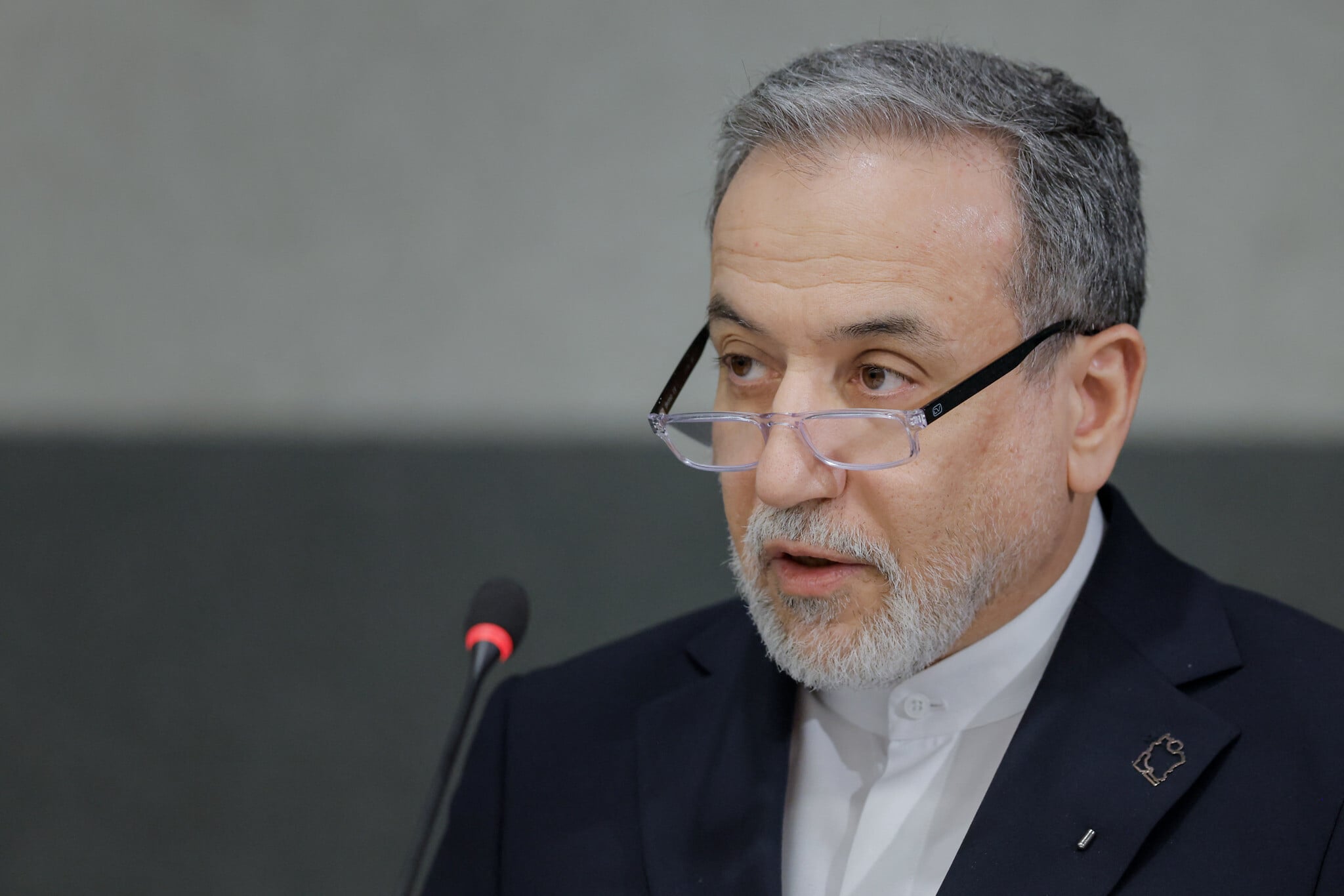
Iranian Foreign Minister Abbas Araghchi said later Wednesday that the US proposal to end the war was being reviewed by top authorities in Tehran, but the exchange of messages through mediators “does not mean negotiations with the US.”
“At present, our policy is the continuation of resistance,” Araghchi said on state TV, adding: “We do not intend to negotiate — so far, no negotiations have taken place, and I believe our position is completely principled.”
“Speaking of negotiations now is an admission of defeat,” he said, in reference to the US proposal.
Meanwhile, White House press secretary Karoline Leavitt denied that talks with Iran had hit a dead end following the chilly response from Iranian officials.
“Talks continue. They are productive… and they continue,” Leavitt said during a Wednesday press briefing.
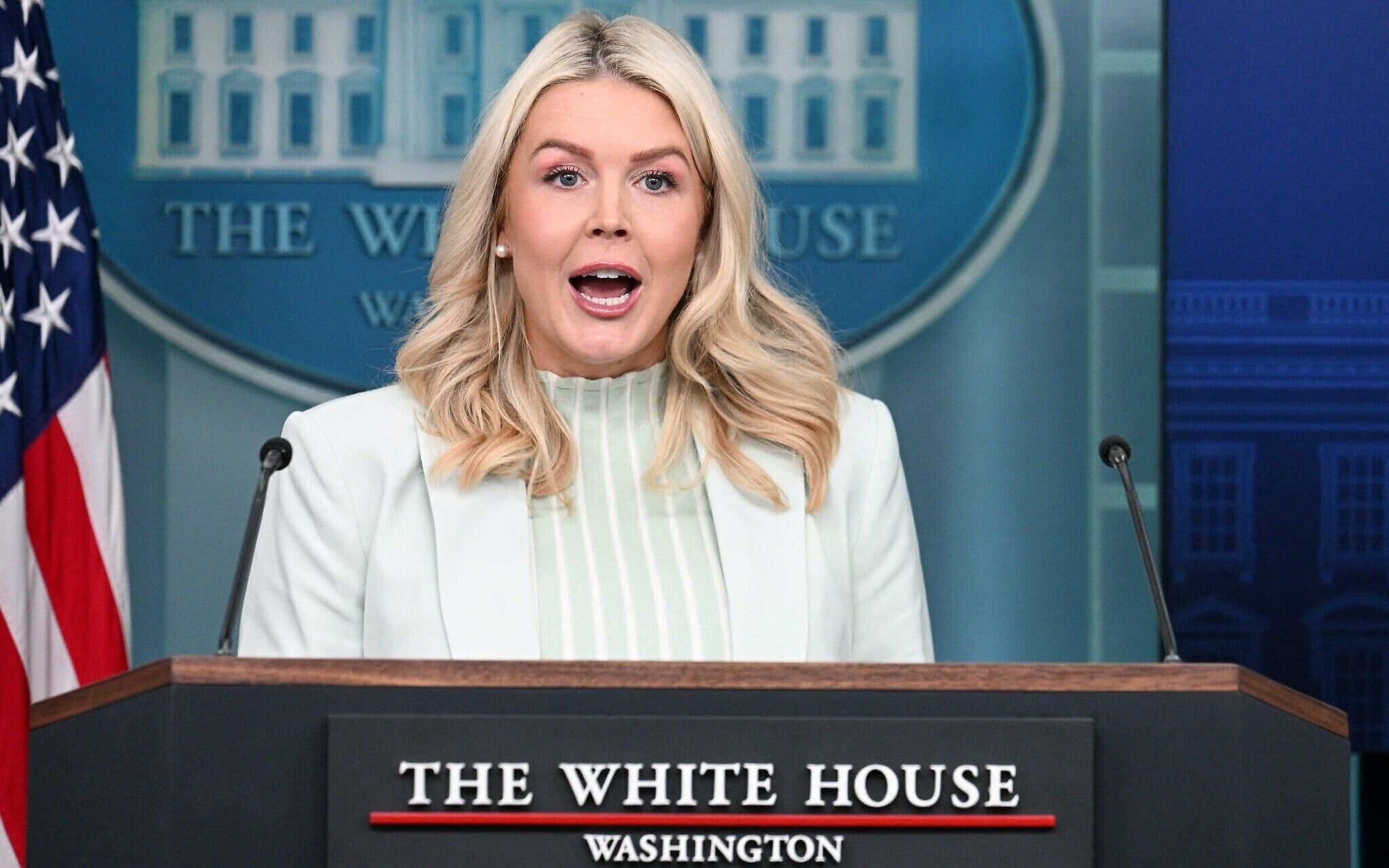
She went on to caution against media reports purporting to reveal the 15-point US proposal: “There are elements of truth to it, but some of the stories I read were not entirely factual.”
Leavitt recalled Trump’s decision to push back his threat to bomb Iranian power plants, after “it was made clear to the United States that Iran wanted to talk. President Trump is willing to listen.”
“The remaining elements of the Iranian regime have another opportunity to cooperate with President Trump, permanently abandon their nuclear ambitions and cease actively threatening America and our allies,” Leavitt said.
“If Iran fails to understand that they have been defeated militarily and will continue to be, President Trump will ensure they are hit harder than they have ever been hit before,” she added.
Trump has in recent days repeatedly claimed progress in talks with Iran, even as Tehran denied any formal negotiations were taking place. But there have been increased signs of tentative diplomatic efforts, with mediators in the region saying work was ongoing behind the scenes to relay messages.
“There is hope, but it’s too early to be optimistic,” said a diplomatic source in the region, who requested anonymity to discuss sensitive issues. Both sides need to be able to climb down without losing face, the source noted.
The New York Times reported Wednesday that Israel is ramping up its airstrikes on Iran amid fears that Trump could call a ceasefire suddenly, halting the war. And according to Channel 12 news, Israeli officials are concerned an end to the war could come as early as Saturday, and has drawn up a plan prioritizing targets in Iran accordingly.
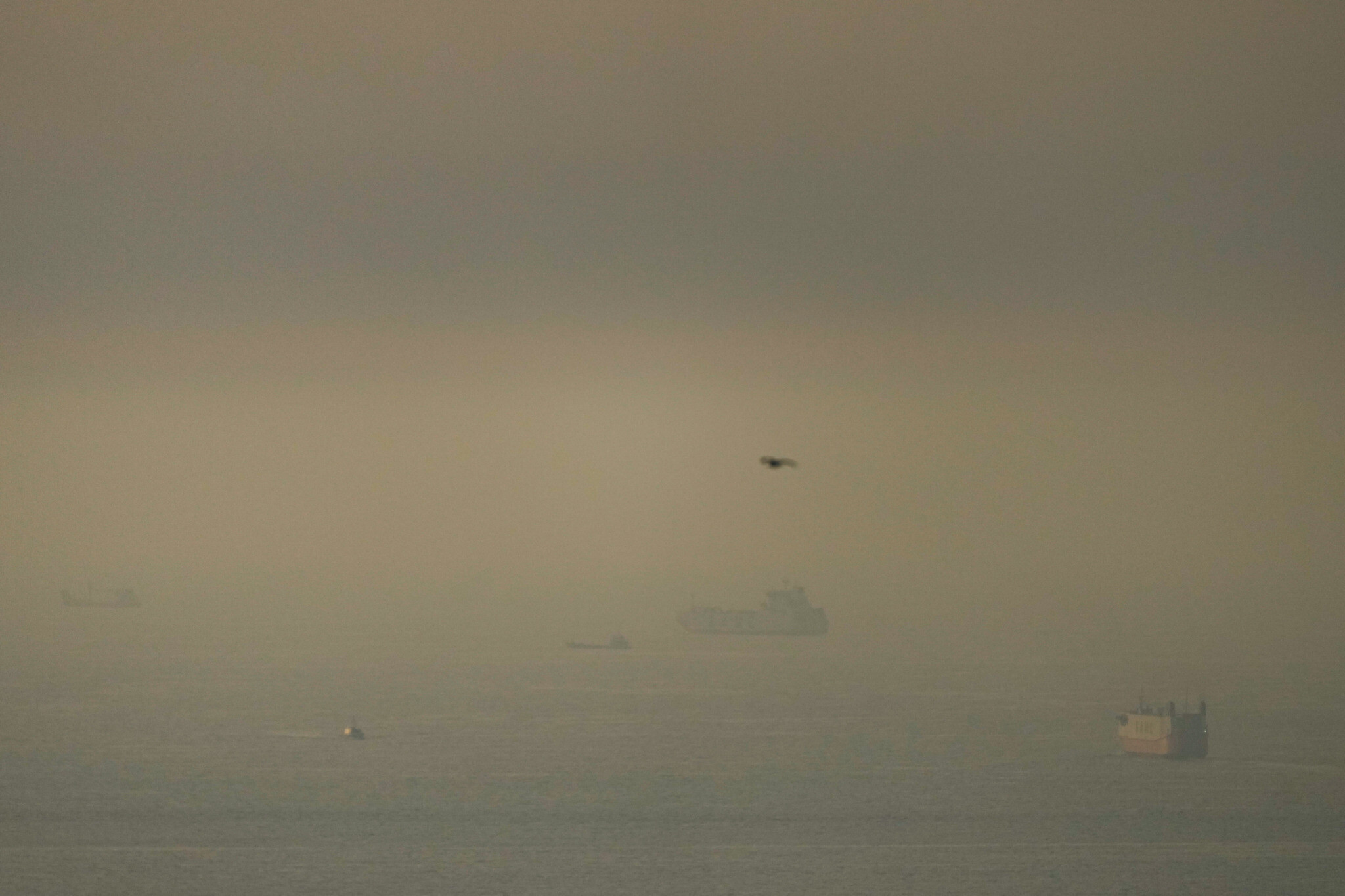
Tehran has largely blocked the vital Strait of Hormuz oil route in retaliation for the US-Israeli attacks, pushing up global energy prices.
In trying to explain his decision to pursue talks with Iran, Trump on Tuesday told reporters that Tehran “did something yesterday that was amazing — they gave us a present…worth a tremendous amount of money… [it] arrived today.”
That “present” was allowing the safe passage of a number of fuel tankers through the Strait of Hormuz in recent days, a senior Arab diplomat and a US official told The Times of Israel.
Meanwhile, British Ambassador to Israel Simon Walters said the United Kingdom is discussing plans with global partners to secure maritime traffic in the Strait of Hormuz, following reports that London plans to lead a coalition for reopening the strait amid Iran’s efforts to block it.
The UK is “working closely with international partners to develop a viable plan to safeguard international shipping in the Strait of Hormuz,” Walters told Israeli reporters in Tel Aviv.
The ambassador did not address the reports or add further details about the UK’s plans.
As the human and economic cost of the fighting mounts, UN Secretary-General Antonio Guterres said Wednesday that the war was “out of control.”
“The conflict has broken past the limits even leaders thought imaginable,” he told reporters. “The world is staring down the barrel of a wider war, a rising tide of human suffering, and a deeper global economic shock. This has gone too far.”
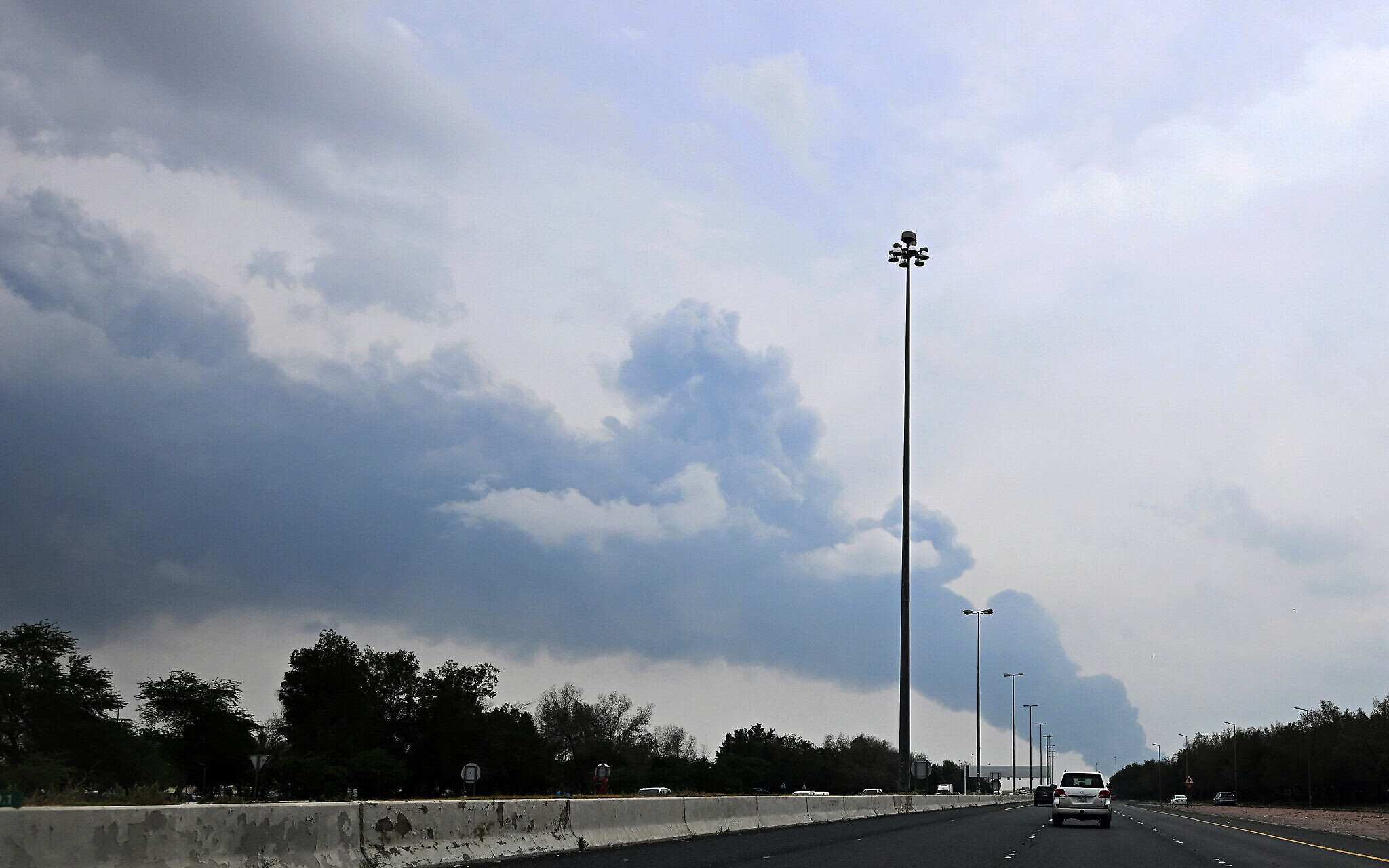
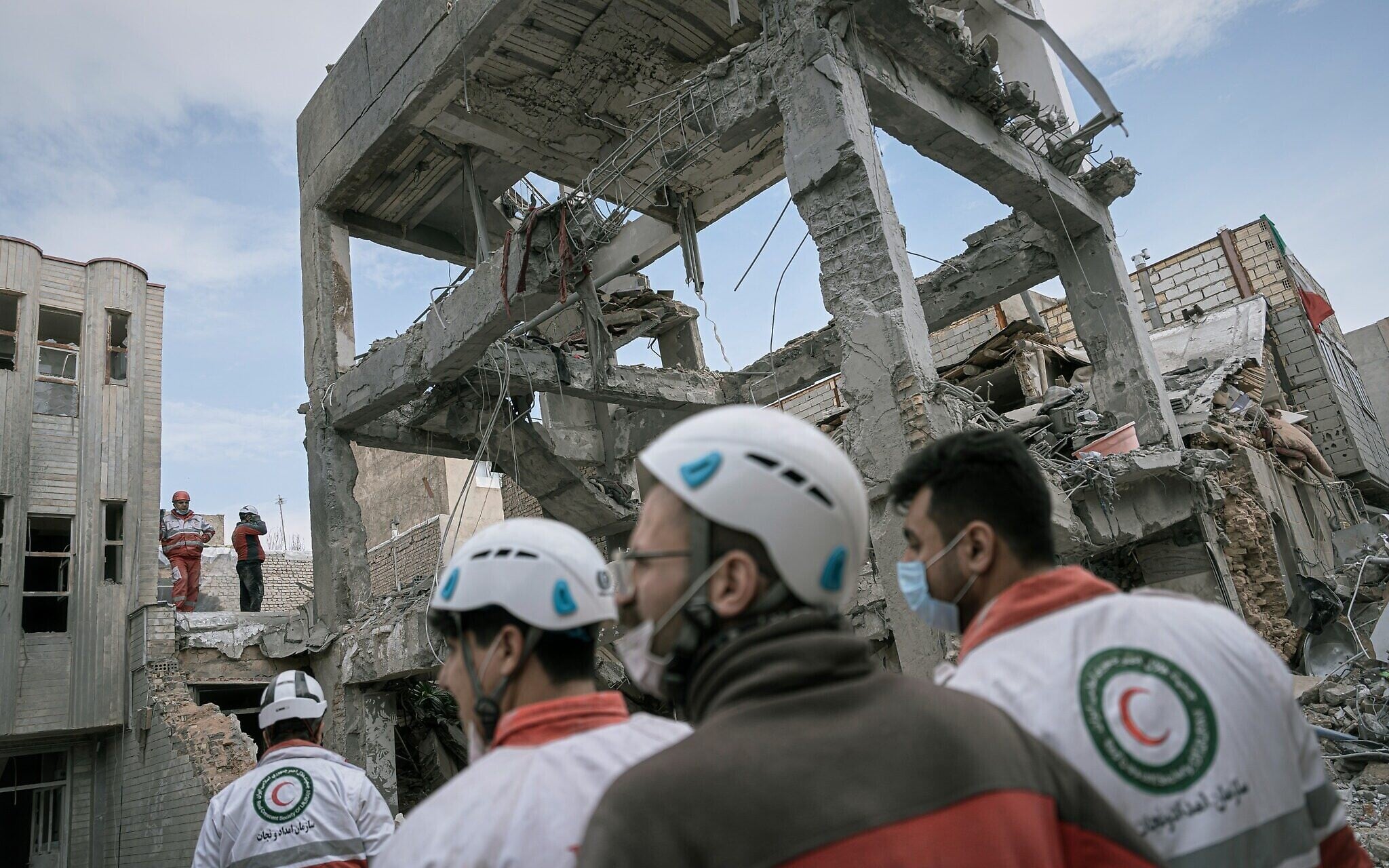
On the ground, there was no let-up in the hostilities, with targets in Iran, Israel, Lebanon, Bahrain, Kuwait, Jordan and Saudi Arabia all coming under fire.
Israel launched its campaign against Iran, alongside the US, to degrade the Iranian regime’s military capabilities, distance threats posed by Iran — including its nuclear and ballistic missile programs — and “create the conditions” for the Iranian people to topple the regime, the military and other Israeli leaders have said.
Since the war began on February 28, 15 Israeli civilians and foreign nationals have been killed in Israel in Iranian ballistic missile attacks, along with four Palestinians in the West Bank.
The IDF has estimated that some 5,000 Iranian soldiers have been killed in Israeli strikes, along with tens of thousands more wounded, many of them members of the internal security forces and Basij paramilitary force.
An analyst on Iranian state TV said Wednesday that the country could seize Bahraini and Emirati territory if the US “makes any mistakes.”
“Iran’s forces are fully prepared,” said Morteza Simiyari on Islamic Republic of Iran Broadcasting. “If the Americans make any mistake in the region, we will seize the coastlines of Bahrain and the UAE.”
The military has trained for the operation, he said, and seizing the coastlines “is on the agenda of our armed forces.”
If Iran tried such an operation, it would be doing so with almost no air cover or warships.
An Iranian military source told the IRGC-affiliated Tasnim that a new front could be opened in the Bab el-Mandeb Strait if the US tries to open the Strait of Hormuz by force, the opposition Iran International reported.
The Iranian-backed Houthis in Yemen attacked international shipping around the Red Sea after the Hamas invasion of Israel on October 7, 2023, and suspended their attacks when the Gaza ceasefire went into effect in October 2025.
Agencies contributed to this report.





The Times of Israel Community.