

 From the Liveblog of
Friday, November 27, 2026
Eisenkot seeks B’Yachad deal ‘soon,’ accuses Likud of blocking progress on unity government
 Add ToI as a Preferred Source on Google
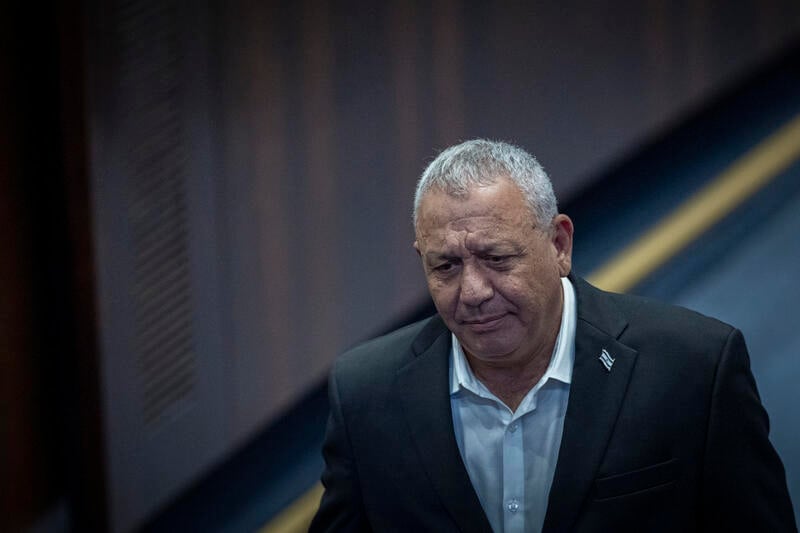
Yashar chairman Gadi Eisenkot says he is working to reach a coalition agreement with Naftali Bennett’s B’Yachad party “soon,” after the two leaders reportedly postponed a meeting scheduled for yesterday until Sunday.
“This week we made significant and important progress, signing coalition agreements with Yisrael Beytenu and The Democrats,” he says in a statement, adding that he is “working to sign an agreement with B’Yachad soon as well.” Eisenkot says he sees “great importance” in working together as “a solid foundation for the next government.”
Walla reported that the meeting between Eisenkot and Bennett was postponed at Bennett’s request after Eisenkot’s team failed to present a detailed framework addressing the needs of military service members. Bennett had demanded such a plan as a condition for advancing talks, amid a potential draft agreement between Yashar and the ultra-Orthodox United Torah Judaism.
Eisenkot also says negotiations with Likud have made little progress.
“Over the past two weeks, the negotiating teams for Yashar and Likud have met five times,” he says, adding that Likud repeatedly refused to schedule meetings as frequently as his side proposed. “Two weeks and five meetings is enough time to have reached an agreement by now, if there had been a desire to do so,” he says.
“Likud, to date, has shown no willingness to make progress on any substantive issue,” Eisenkot says. “It is convenient to focus the discussion on a rotation, but the rotation is only the tip of the iceberg of stubborn refusal on issues at the heart of our lives,” he says about the proposed rotating premiership in a unity government with Likud.
Eisenkot claims his bloc was willing to make “real and substantive” compromises, including on establishing a state commission of inquiry into the failures surrounding Hamas’s October 7, 2023, attack and on repealing the judicial overhaul. He accuses Likud of refusing to compromise or put “any concrete proposal on the table” during the two weeks of talks.
“Unity, for me, is an expression of shared values and a means of strengthening Israel,” Eisenkot says, “not a political arrangement for appearances’ sake.”





The Times of Israel Community.