

 From the Liveblog of
Thursday, March 5, 2026
From the Liveblog of
Thursday, March 5, 2026
House to vote on Iran war powers resolution, with GOP expected to narrowly defeat it
 Add ToI as a Preferred Source on Google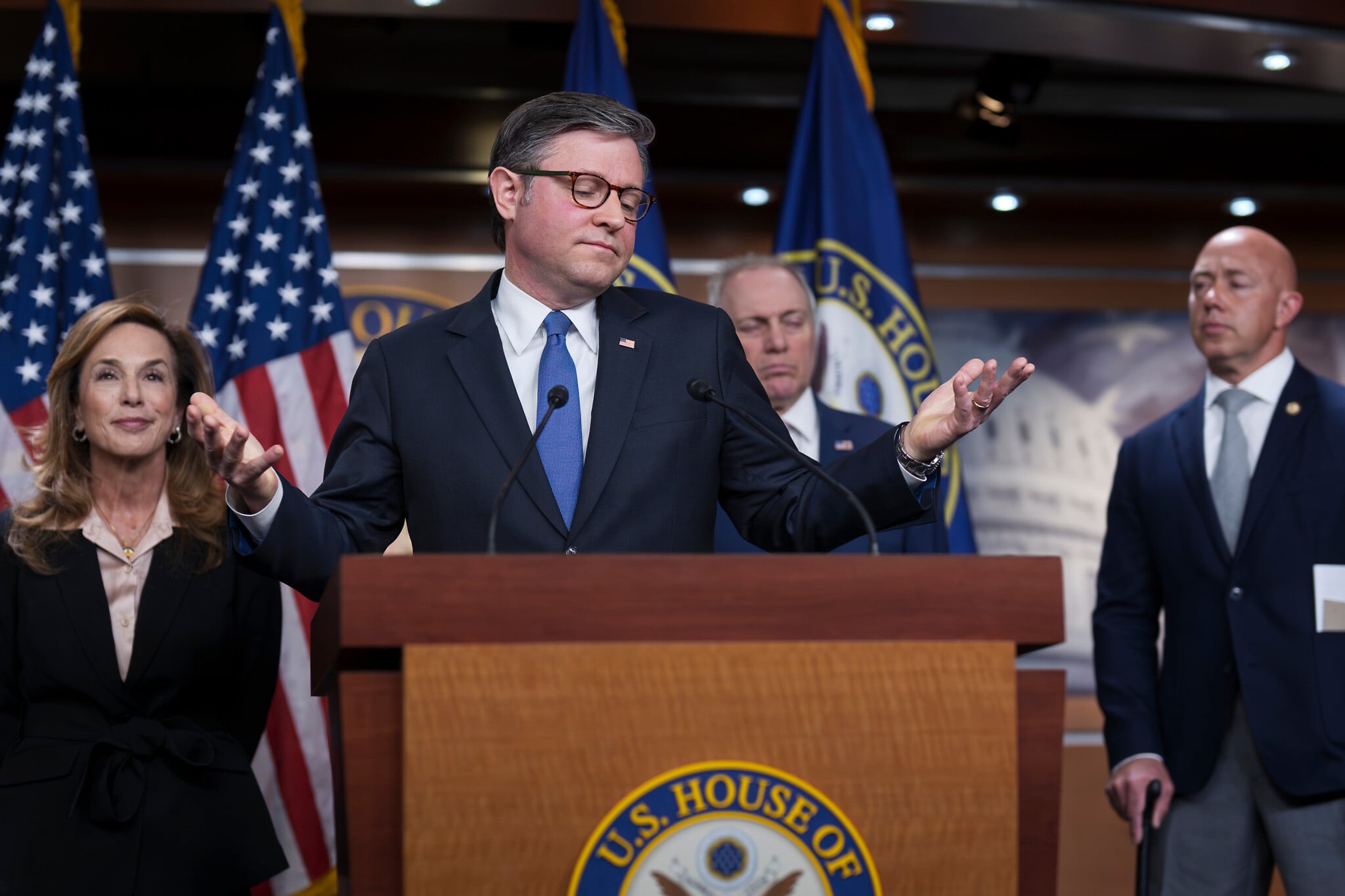
The House is preparing to vote today on a war powers resolution to halt US President Donald Trump’s attack on Iran, a sign of unease in Congress over the rapidly widening conflict that is reordering US priorities at home and abroad.
It’s the second vote in as many days, after the Senate defeated a similar measure along party lines. Lawmakers are confronting the sudden reality of representing the American people in wartime and all that entails — with lives lost, dollars spent and alliances tested by a president’s unilateral decision to go to war with Iran.
The tally in the House is expected to be tight, but will likely see a similar result to the Senate vote, given that Republicans narrowly control both bodies of Congress.
The outcome will provide an early snapshot of the political support, or opposition, to the US-Israel military operation and Trump’s rationale for bypassing Congress, which alone has the power to declare war.
The roll calls are a clarifying moment for the president and the parties just days into the overseas conflict that has quickly carried echoes of the long US wars in Afghanistan and Iraq. Many veterans of those wars have since run for office and now serve in Congress.
Trump’s Republican Party largely sees the conflict with Iran not as the start of a new war, but the end of a regime that for decades has long menaced the West. The operation has killed Iran’s supreme leader ayatollah Ali Khamenei, which some view as an opportunity for regime change, though others warn of a chaotic power vacuum.
For Democrats, Trump’s war with Iran, influenced by Prime Minister Benjamin Netanyahu, is a war of choice that is testing the balance of powers in the US Constitution.
While views in Congress are largely falling along party lines, there are crossover coalitions. Both the House and Senate resolutions were bipartisan, and are drawing bipartisan support and opposition. The House is also voting on a separate resolution affirming that Iran is the largest state sponsor of terrorism.
The war powers resolution, if signed into law, would immediately halt Trump’s ability to conduct the war unless Congress approved the military action. The president would likely veto the measure.
As an alternative, a small group of Democrats has proposed a separate war powers resolution that would allow the president to continue the war for 30 days before he must seek congressional approval. It is not expected to come yet for a vote.







The Times of Israel Community.