

 From the Liveblog of
Monday, November 3, 2025
From the Liveblog of
Monday, November 3, 2025
Tel Aviv to get new chief rabbi in January after eight years without one
 Add ToI as a Preferred Source on Google
Rossella Tercatin is The Times of Israel's archaeology and religions reporter.
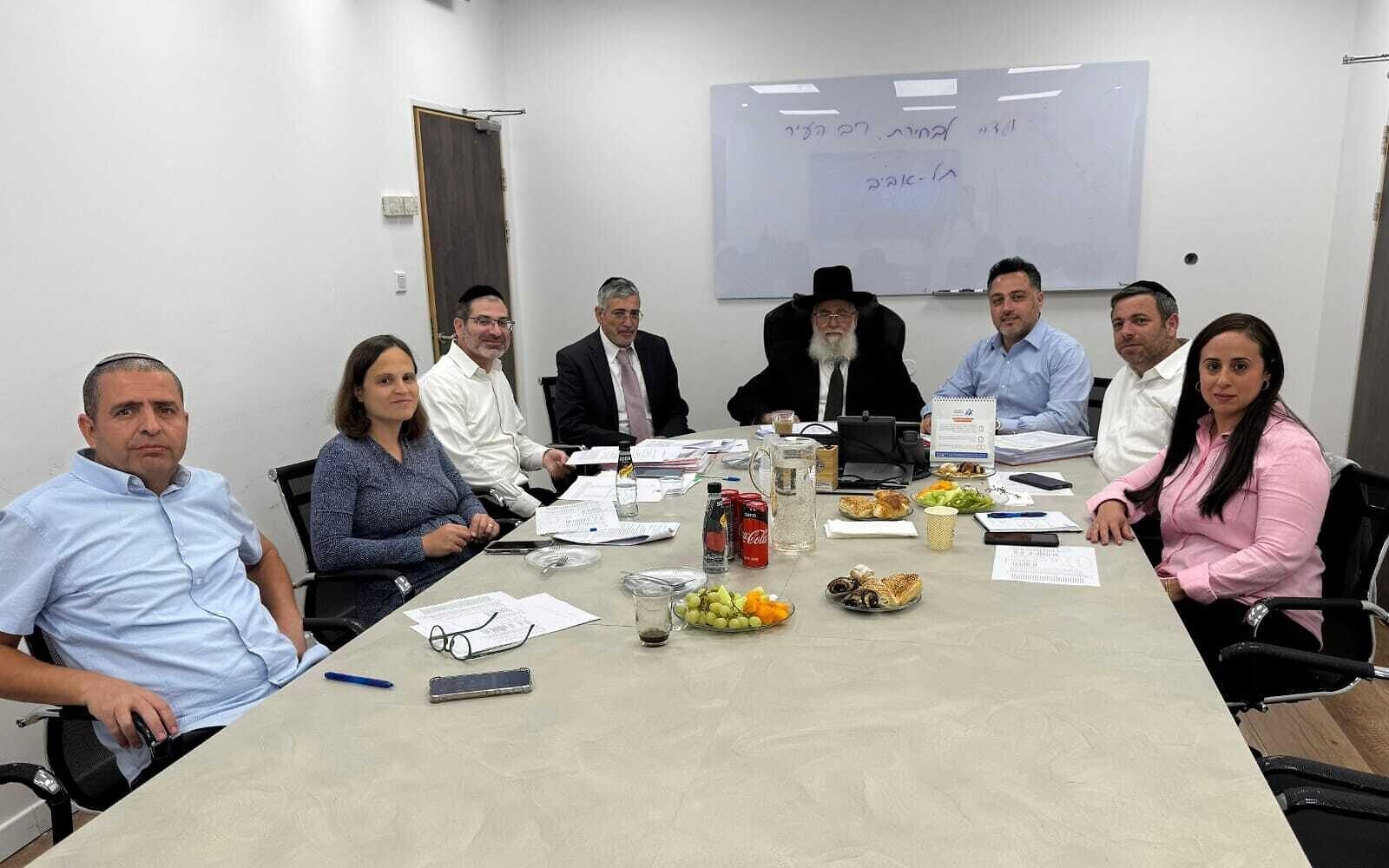
Tel Aviv is set to finally get a new chief rabbi in January after being without one for the past eight years.
The committee to appoint a new chief rabbi for the city meets today for the first time at the Religious Services Ministry, and agrees to hold a vote on the next chief rabbi on January 6, 2026, according to the ministry’s spokesperson.
Like dozens of Israeli cities, Tel Aviv has been without a chief rabbi since 2017, when Rabbi Yisrael Meir Lau, who previously also served as Israel’s Ashkenazi chief rabbi, ended his mandate.
In March, then-religious services minister Michael Malkieli (Shas) rolled back a set of regulations that effectively gave his ministry control over the appointment of city rabbis in Israel and had been criticized by the opposition and religious rights groups.
Municipal rabbis are meant to serve as the direct religious authority for the Jewish residents of their city or town, signing off on things like marriage licenses and kosher certificates for local restaurants.
To select a candidate, a committee is formed in each city. Members of the committee include representatives of the city council, appointees of the Religious Services Ministry and the head of the local religious council.
According to the statement, former rabbinical judge Rabbi Yaakov Zamir, who also served as a judge in the Great Rabbinical Court, will head the committee for Tel Aviv. Other members include Rabbi Yitzhak Levy, chief rabbi of Nesher in northern Israel, Rachel Dayan and Tal Tnaami, public officials from the Tel Aviv Municipality, and Yonit Gispan from the Religious Services Ministry.
“This is a significant step that restores to Israel’s central city its spiritual leadership,” says Yehuda Avidan, the ministry’s director general.
Avidan thanks Tel Aviv Mayor Ron Huldai and the members of the city council for their cooperation.
“The entire process is being conducted in an atmosphere of partnership, mutual respect, and a shared vision for the benefit of all residents of the city — religious and secular alike,” he adds.





The Times of Israel Community.