

 From the Liveblog of
Friday, October 24, 2025
From the Liveblog of
Friday, October 24, 2025
UN official says rebuilding Syria vital for regional stability; could cost $216 billion
 Add ToI as a Preferred Source on Google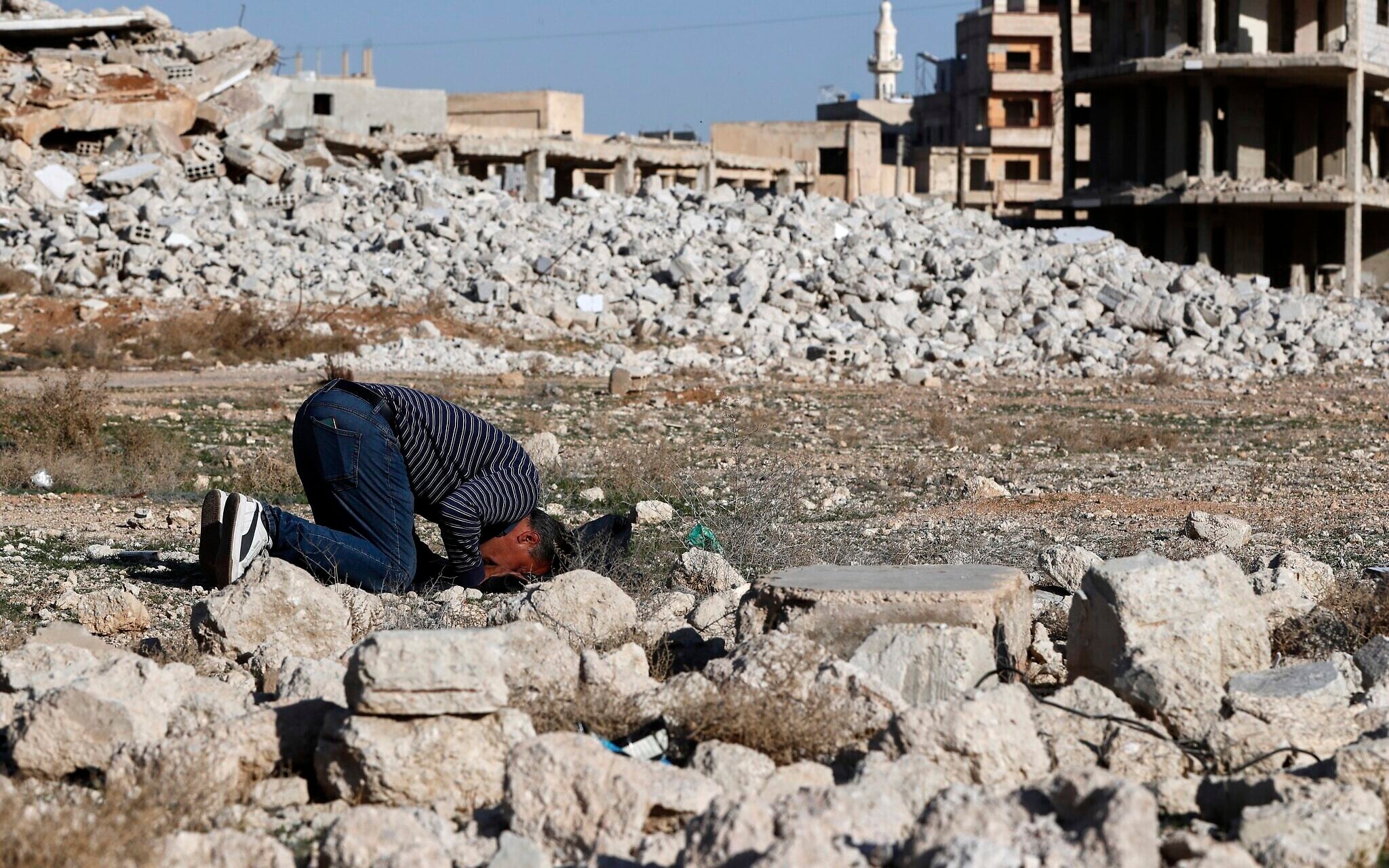
After 14 years of destruction, Syria must be swiftly rebuilt to bring stability to the country and the wider region, a top UN official in the war-ravaged nation tells AFP.
Reconstruction is one of the most significant challenges facing Syria’s new authorities after the overthrow of longtime ruler Bashar al-Assad last December.
“The international community should definitely rush into rebuilding Syria,” Rawhi Afaghani, the UN Development Program’s deputy representative in Syria, tells AFP this week during a visit to Geneva.
“Being able to help the country to rebound and come out of this war and come out of this destruction is for the Syrians themselves, but also for the stability and the good of the whole region,” he says in the interview.
The Syrian civil war, which erupted in 2011 with Assad’s brutal repression of anti-government protests, killed over half a million people and devastated the country’s infrastructure.
The World Bank this week estimated that Syria’s post-war reconstruction could cost up to $216 billion.
Afaghani says he could not put a price tag on rebuilding Syria, but describes the needs as “massive.”
Across the country, he says that governors had told him about the massive need for housing, schools, and health centers, as well as electricity and water.
Complicating the clean-up efforts are the vast quantities of unexploded ordnance littering the entire country, including within mountains of rubble that need to be cleared, he says.
At the same time, he says the lack of infrastructure, services and jobs is dissuading many Syrians who want to return home from doing so.
“We thought there would be a much higher rate of return,” he acknowledges, pointing out that most of those who have returned from abroad had often left difficult conditions in neighboring Jordan and Lebanon.
From Europe, “we don’t see that massive return,” he said.










The Times of Israel Community.