

 From the Liveblog of
Friday, June 12, 2026
From the Liveblog of
Friday, June 12, 2026
US official: Iran control of Hormuz slipped, robbing it of leverage in negotiations
 Add ToI as a Preferred Source on Google
Jacob Magid is The Times of Israel's US bureau chief
During the question-and-answer portion of a briefing that a senior US official is conducting with reporters on the emerging Iran deal, the top Trump aide is asked what changed in recent weeks that allowed Washington to now feel good about the MOU on the table.
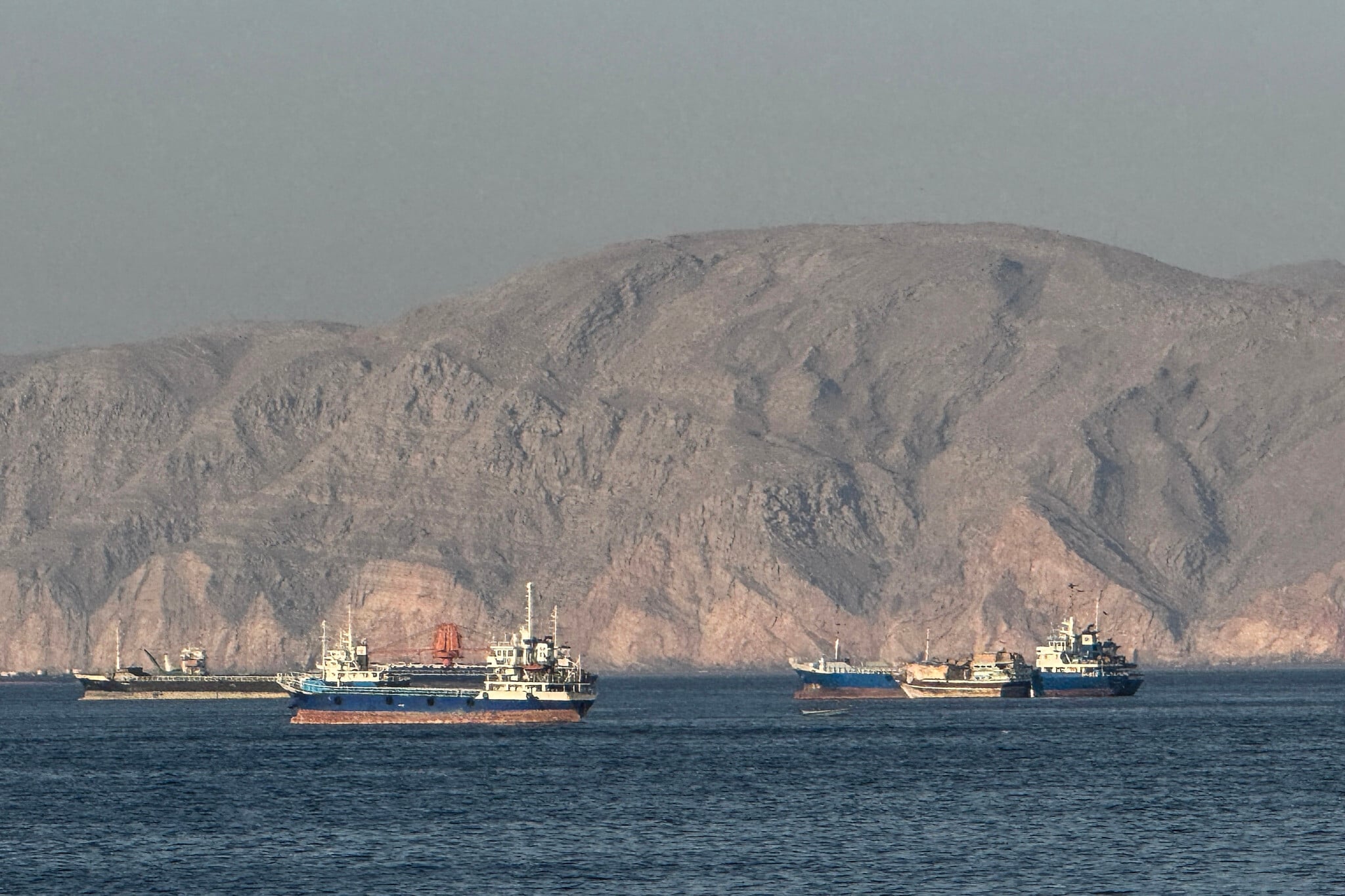
The senior US official says two things have moved substantially in recent weeks: Iran’s control of the Strait of Hormuz weakened, in that the US managed to quietly get a lot more oil out of the channel than it did earlier in the conflict. Accordingly, Iran’s leverage took a hit and the US negotiating position improved, the official says.
Accordingly, the US managed to secure stronger wording regarding the disposal of Iran’s highly enriched uranium, the official says, without getting specific. The MOU is not understood as requiring Iran to immediately hand over its material, rather to hold subsequent discussions on the matter.
“It’s something we were proposing a couple of weeks ago… [and] the Iranians have gotten consensus on their system over the last couple of days,” the senior US official says, regarding the MOU’s language on Iran’s nuclear material.
He claims that some hardliners in Iran oppose the deal but that internal dissent in Tehran to the MOU is “quite minimal.”
The senior US official clarifies that there is still a great deal of mistrust between the sides, but he says that the deal is structured in a way that doesn’t rely on trust, rather performance.
The US official confirms that the subsequent nuclear talks that will kick off after the MOU is signed will last for 60 days.
Asked whether Iran Supreme Leader Mojtaba Khamenei supports the emerging deal, the senior US official says those in touch with him have attested that he is “comfortable with where we are in the negotiation.”
“In their system, they can’t do anything without the sign off of the supreme leader,” he adds.









The Times of Israel Community.