

Non-profit offers free ‘tzimmer’ stays to cancer patients
With 7,000 bed-and-breakfasts in Israel and lower mid-week occupancy rates, owners turn generous with their accommodations
 Add ToI as a Preferred Source on Google
Jessica Steinberg, The Times of Israel's culture and lifestyles editor, covers the Sabra scene from south to north and back to the center
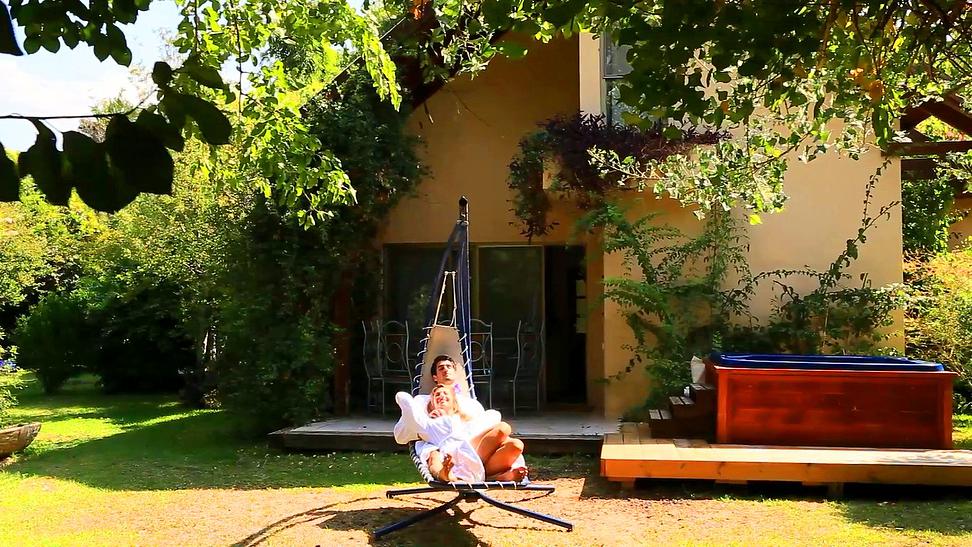
Villa Vitrage, a tzimmer in Moshav Beit Hillel in the Golan Heights, almost always gets four and a half stars on Trip Advisor reviews.
Guests wax on about the lush, flower-filled gardens and warm, caring hospitality. They don’t, however, tend to mention the soup.
The homemade soup, explained Yuval Olshinski, who helps his parents, Iris and Gili Olshinski, run the place, is offered to guests for NIS 10 a bowl. All proceeds fund the free nights that the Olshinskis offer regularly to cancer patients through Refanah, a non-profit organization that organizes free tzimmer stays to Israeli couples and families dealing with cancer.
“People tend to buy the soup,” said Olshinski. “First of all, they want soup. But it’s always a better feeling to donate something and receive something in return, even if it’s something small and symbolic like a bowl of soup.”
The money from the soup helps defray the cleaning and food costs the Olshinskis incur for overnight stays, and allows them to offer one vacation per month to Refanah.

With just ten cabins in their Moshav Beit Hillel holding, and an average occupancy rate of 70% to 80%, the family’s tzimmer is small but popular, said Olshinski.
“But there’s always times when we only have 50% occupancy during the week, so we’re happy to give it to those who need it,” he said.
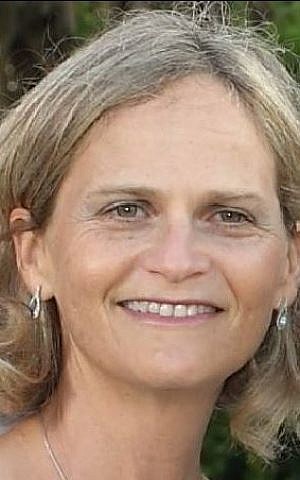
That’s the idea behind Refanah, a one-woman effort started by Jerusalemite Robyn Shames. She first heard about Cottage Dreams, a similar effort in Ontario, Canada, when a relative who suffered from breast cancer was sent on a vacation to a lake cabin, based on the owner’s availability to donate a night or two.
“I thought the idea was really interesting, especially with all the ghost apartments in this country,” said Shames. “I liked the idea of using available resources not fully utilized for the benefit of people who could really use it.”
Shames, formerly the executive director of ICAR, the International Coalition for Agunah Rights, protecting the rights of women whose estranged husbands don’t give them a Jewish divorce, initially created Refanah as her own, personal form of Jewish giving, her attempt to “do something good on a daily basis.” But she quickly found herself enmeshed in the logistics of organizing free vacations to cancer survivors, and later, patients, as well.
The idea of using ghost apartments, vacation homes owned by foreign owners that are only used a few times a year, didn’t work out for insurance reasons. If people were given a key to someone’s home and broke or stole items, insurance policies wouldn’t cover that kind of damage, explained Shames.
She then realized that Israeli tzimmers, the pastoral cabins and apartments operated like bed-and-breakfasts, were similar to the Canadian cabin model she was imitating.
She randomly called and emailed 100 tzimmer owners to see how many would say yes to the idea. Shames figured that if 5% to 10% said yes, she could move forward with the plan. So she was surprised when around 50% agreed and offered their cabins for multiple, repeat visits.
“People in general are very, very excited about having this opportunity to do something nice,” said Shames. “My great surprise is the number of places that give me carte blanche and say, ‘You keep sending us people and when it’s enough, we’ll tell you.'”
One of her regular hosts is Tova Hadad, a former resident of Gush Katif in the Gaza Strip who now lives with her family in Avnei Eitan, a moshav in the Golan Heights, where she operates several guest cabins for couples and families.
She heard about Refanah from another friend in the community who was working with Shames.
“It’s easy to do this kind of charity through our business,” said Hadad. “The cost to us isn’t that great, especially during periods when we don’t have a lot of reservations. And we gain a lot from the happiness we can bring to these couples and families.”
Hadad’s tzimmer is one of the few listed in Refanah that can accommodate large families, and she does, said Shames, often hosting families with as many as seven children.
“We have a big space,” said Hadad. “It’s the easiest way to help someone with what I have.”
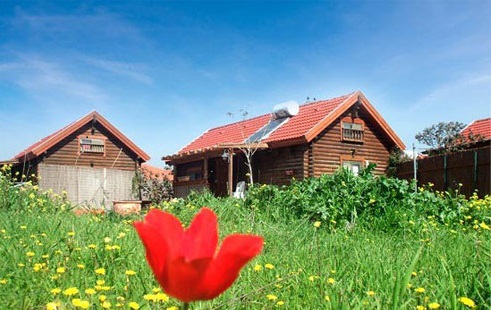
It was easier than Shames expected to find tzimmer owners willing to offer their space for free. With around 7,000 tzimmers in Israel, and with an average occupancy rate of 50% on weekends and 25% to 30% on weekdays, the owners are pleased to have the opportunity to do some good, she said. Most offer weekday vacations, and many don’t include breakfast.
Her pilot plan was to offer Refanah vacations for cancer survivors celebrating their recovery. She first received names from other cancer support organizations; they then suggested she offer it to people in treatment as well.
“For some, it’s the last holiday they are able to go on,” she said.
Shames operates the system through the Refanah website, which includes a page of tzimmer listings, available by entry code only to those Refanah participants who have obtained the necessary doctor’s note verifying their illness and availability to travel.
Most of the tzimmers offer a two-month window of available dates, but have an agreement with Refanah that they can reschedule if they receive a paid booking for the same time.
“I tell them that if they need to move us, they can,” said Shames. “I don’t want to ruin their income.”
There’s also a NIS 100 deposit that Refamah participants must pay, a cushion for Shames and her tzimmer donors in case a guest doesn’t show up.
There have been those rare occasions when Refanah recipients don’t fully appreciate the gift they’re receiving. There was the family with eight kids who didn’t take no for an answer when the proprietors couldn’t accommodate them, and ended up making a mess in the rooms when she gave in. Or another Refanah guest who complained that the tzimmers available on the site weren’t luxurious enough for her.
“I’m not a travel agent,” said Shames, who pays herself nominally through the small donations she has gathered from several organizations, as well as family and friends. “I’d say 98%, even 99% of my donors are happy to offer their places and the same of those who get to go away.”
The tzimmer proprietors have also been flexible; one family with ten kids couldn’t fit everyone into the tzimmer they chose for a four-day stay. The owners allowed them to switch kids mid-stay. Others have offered similar packages for families with kids with special needs, or terror victims, and consider this gift to Refanah as part of their annual charity giving.
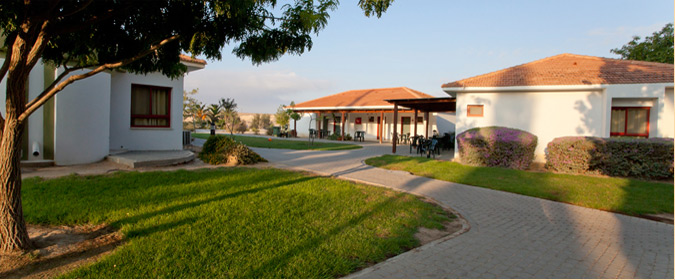
At Mashabim, the Mashabei Sade kibbutz guesthouse in the Negev which has 78 rooms, proprietor Leah Sorek said she doesn’t always pay much individual attention to her guests. She likes to leave them be, giving them time to rest and gather their energy.
“They always leave us a thank-you note,” she said. “We don’t do it when we’re at full occupancy, but if we have free rooms, we’re happy to do it and help someone.”







The Times of Israel Community.