

Shorter medical resident shifts go into effect in hospitals in country’s peripheries
Critics say agreement between Finance Ministry and Israeli Medical Center Association on trainees’ salary and hours should not be implemented without sufficient manpower in place
 Add ToI as a Preferred Source on Google
Renee Ghert-Zand is the health reporter and a feature writer for The Times of Israel.

Shorter shifts for medical residents working in hospitals in Israel’s northern and southern geographical peripheries went into effect Sunday, after the Finance Ministry and the Israeli Medical Association (IMA) came to a final agreement on salaries last week.
Medical residents, who have been required to work 26 hours at a time, have long fought for shorter shifts. The new plan reduces the length of shifts to 21 hours — for now only in hospitals outside the greater Tel Aviv area, Jerusalem, Ashdod, and Haifa.
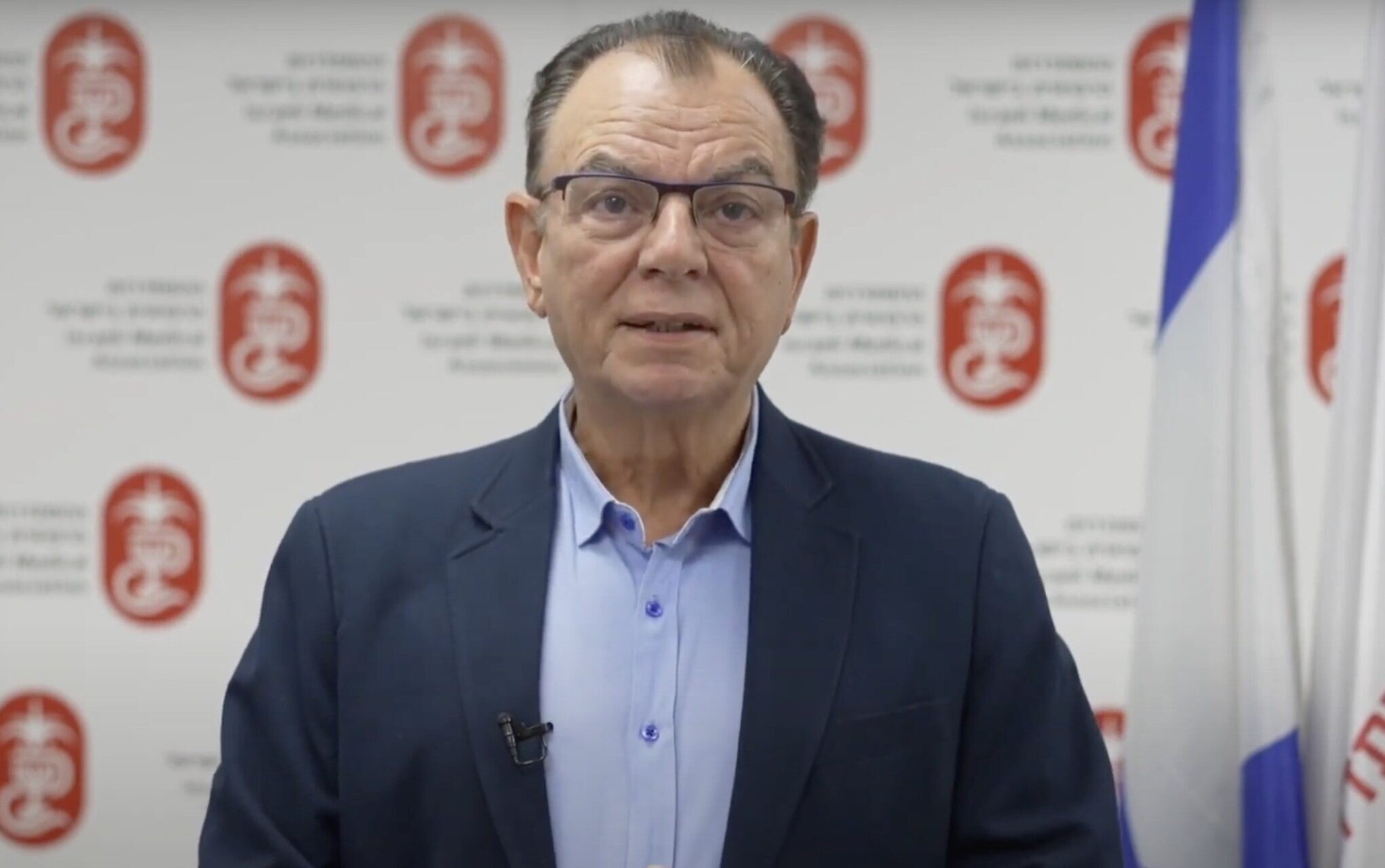
“This is a new historic step…This agreement protects the residents’ salaries and the quality of care for patients…We are embarking on a new and careful path while recognizing the shortage of doctors in Israel,” said IMA chair Prof. Zion Hagay.
News of the final agreement met with mixed reactions from the residents themselves, who, while pleased that the plan is being implemented, feel it does not go far enough in lightening their workload or benefiting all medical residents throughout the country.
In addition, some leaders in the medical community oppose the shortened shifts, believing that they will both damage the resident’s education and the public’s health. They called for a delay in cutting residents’ hours until more residents fill open positions in periphery hospitals.
By law, the maximum number of hours in a shift is 26, and the maximum number of weekly hours a medical resident can work is 71.5. The maximum number of shifts per month is six. (However, residents report that they often end up working more.)
Some other countries — excluding the US and Canada — require medical residents to work similarly long shifts, but they require only 48 hours put in per month.
According to the deal reached by the Finance Ministry and the IMA, the residents’ salaries will not be affected by the reduction in hours worked per shift. Information obtained by The Times of Israel from Mirsham, the Organization of Medical Residents in Israel, indicated that residents’ salaries range between NIS 42 and NIS 45 (roughly $11) per hour.
Under the agreement, residents who work four weekday shifts per month are eligible to do an additional monthly four-hour shifts that would earn them 300% of their usual pay rate. Sabbath shifts, of which residents usually do two per month, will remain 26 hours long each.
The shortening of shifts will be introduced gradually, beginning this month in internal medicine, geriatric medicine, and emergency departments. In March 2024, shifts will be shortened in neurology, imaging, psychiatry, oncology, rehabilitation, nephrology, and hematology. In June 2024, pediatrics will be added.
At a press conference Sunday morning, Mirsham chair Dr. Rey Biton expressed pride in residents holding their ground for years in their demand for shorter shifts. The organization did not achieve the 16-hour shifts it is ultimately aiming for, but it is pleased with what it views as an interim positive outcome.
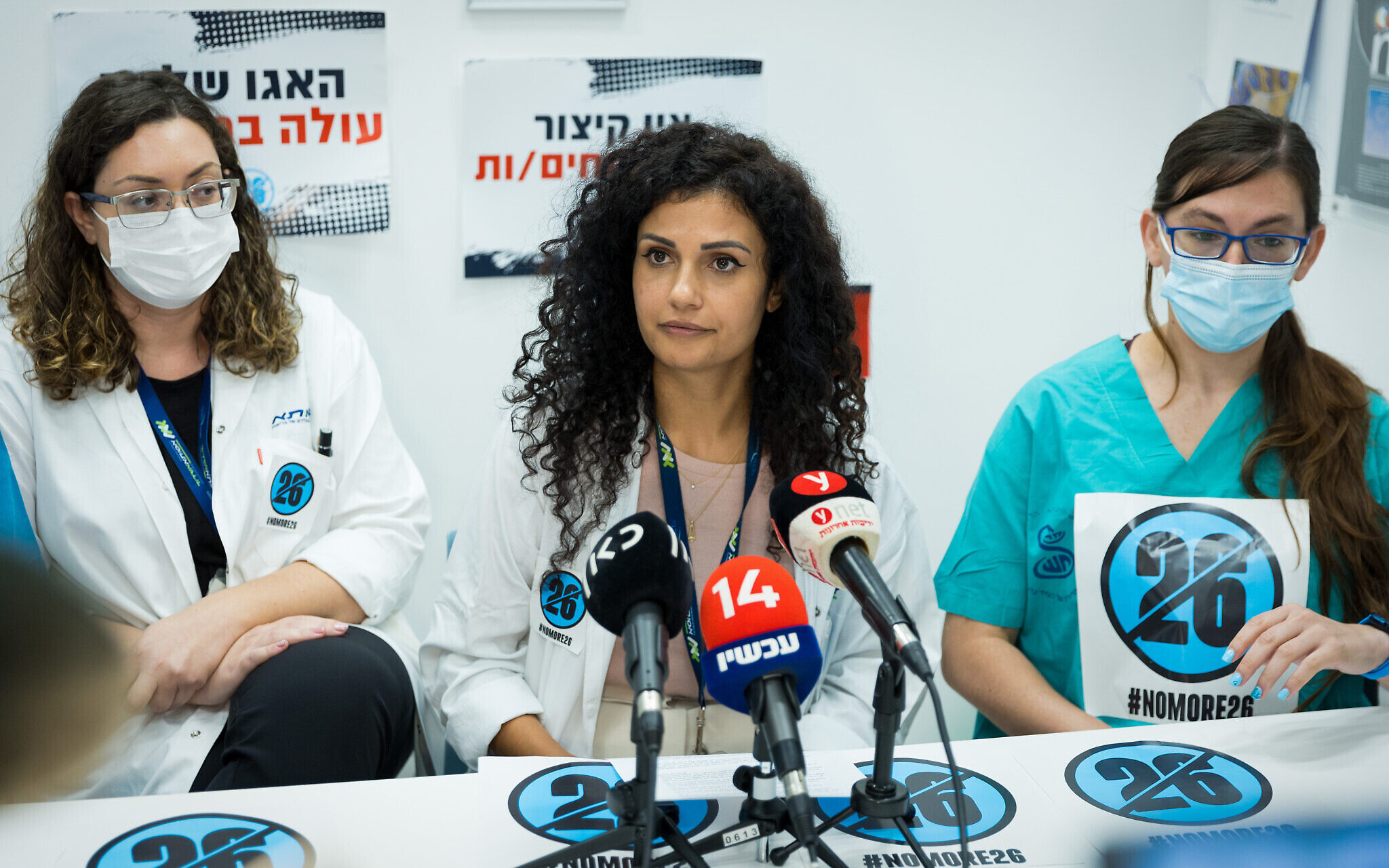
“Strong forces tried to sabotage our efforts. They told us that we were crybabies, they said that the [medical] system would collapse, and they threatened us in the hospitals.” Biton said.
“As we sit here this morning, medical residents are arriving for 21-hour shifts. They are arriving at 1 p.m. instead of 8 a.m. They were able this morning to take their children to kindergarten or school — a privilege they mostly never had. They got to rest, eat properly, get more hours of sleep, and arrive for their shift differently than they have in the past. This is the good news, and it is major, important, and historic,” she said.
The leaders of the Israel Society of Internal Medicine expressed their dismay at the change, calling it nothing less than “a march with eyes wide open toward the destruction of the health system in the Israeli periphery.”
While admitting that the shortened shifts will improve the individual lives of the medical residents, the society warned in an open letter to the public issued shortly before the agreement was reached between the Finance Ministry and the IMA that fewer residents will be on the wards during the morning hours when most of the patient care by doctors takes place.
“This will negatively impact patients’ health. In addition, the quality of the resident’s training will suffer because of less time and exposure in the wards. It is therefore impossible to ensure that they will have the necessary experience to develop into expert and quality doctors for the future,” the letter said.
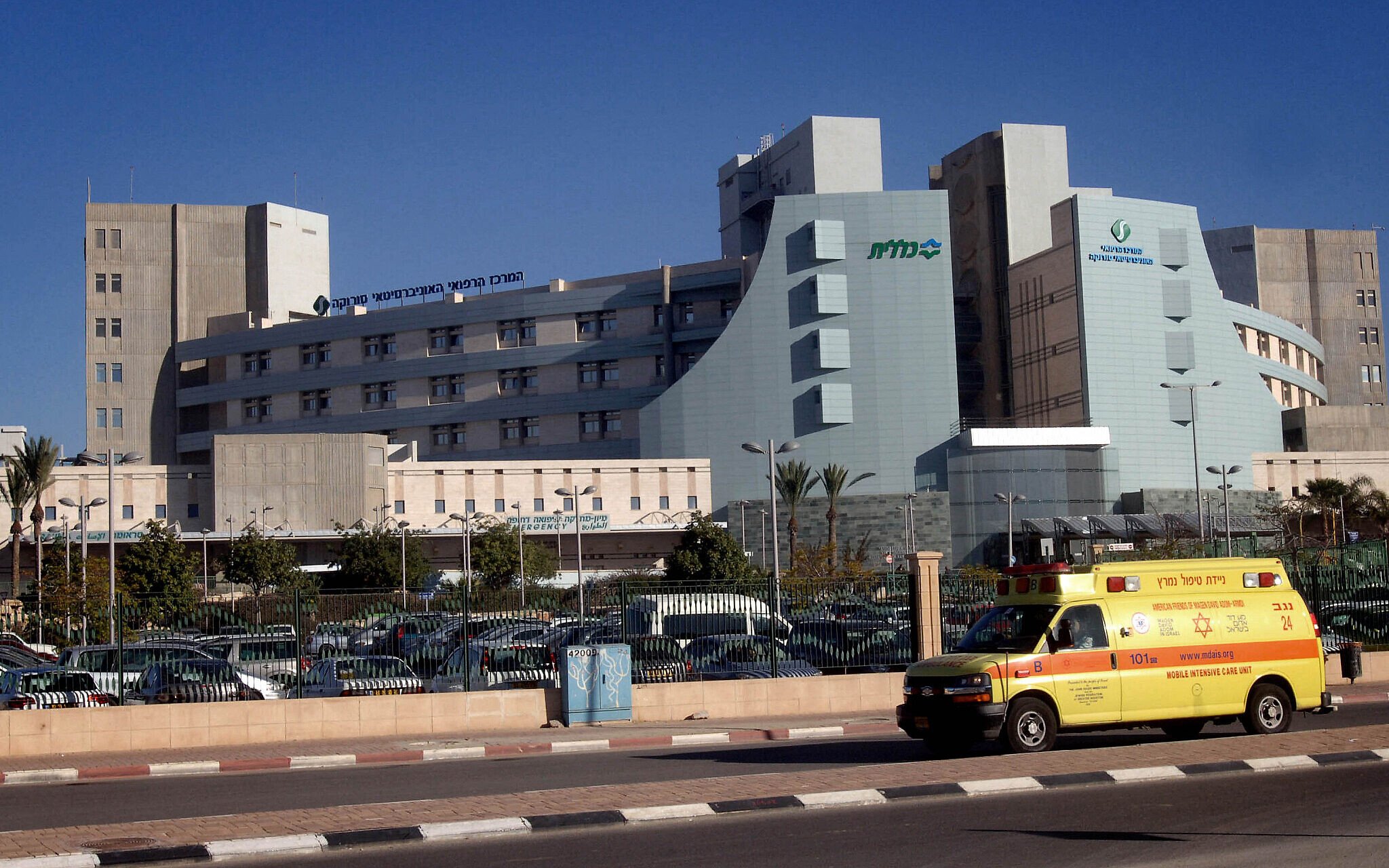
The group of internal medicine specialists recognized the intention to attract trainees to the periphery, but they pointed out that, in reality, very few have been willing to move out of the country’s center. While there is funding for internal medicine departments in the periphery hospitals to have 12 residents, there are currently only six to eight at each.
The physicians called the decision to shorten residents’ shifts a mere “cosmetic move” that does not get at the root of the problem, which is longstanding insufficient medical services in the periphery.
At Soroka Medical Center in Beersheba, the directors of the internal medicine and geriatric departments asked the government to give them at least several months to prepare for the implementation of the shortened shifts.
“We expect that our hospital will pay heavy prices in the upcoming months that will hurt the health of the patients… We need time to get to the point where we have enough good residents in place to ensure that the plan works,” they said in a letter.










The Times of Israel Community.