

Iranian FM: New US sanctions would spell end of nuclear deal
Tehran says further punitive measures would show ‘inability of one party to maintain their side of the bargain’; Senate to discuss sanctions next month
 Add ToI as a Preferred Source on Google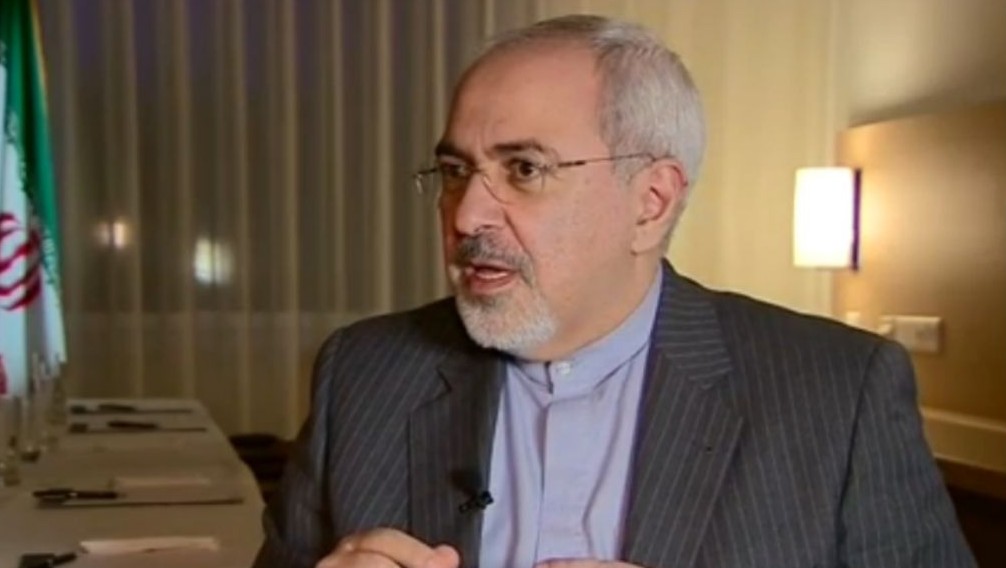
A day after Iran and world powers signed an interim deal aimed at curbing Tehran’s nuclear program in exchange for partial sanctions relief, Iranian Foreign Minister Mohammad Javad Zarif said that should the US Congress pass new sanctions against the Islamic Republic, the newly inked agreement would be considered null and void.
“If there are new sanctions, then there is no deal. It’s very clear. End of the deal. Because of the inability of one party to maintain their side of the bargain,” Zarif told NBC News Sunday.
Congressional figures took a hesitant approach to the newly brokered nuclear deal with Iran early Sunday, as the White House scrambled to gain backing from lawmakers on the agreement.
US Secretary of State John Kerry told ABC News Sunday that he intends to urge Congress not to push for more sanctions because “this [Iran] deal actually has a great deal of benefit in it.”
“I look forward to going up and working with our colleagues on The Hill in order to try to persuade them that this is not the moment to increase sanctions,” Kerry said.
“I’m confident that as congress examines what we have been able to achieve here, and as they measure the fact that if you didn’t do what we were doing, [the Iranians] would be marching forward and putting more centrifuges in, enriching more, moving closer to a weapon,” he added.
As details of the deal emerged, Republican congressional leaders assessed the possibility of continuing with harsher sanctions legislation and summoning Kerry to explain how the deal was struck
Last week, the Senate announced that it would begin hearings on increased sanctions against Iran following the Thanksgiving break.
After a weekend of marathon talks which were described by various diplomats as “very difficult,” Iran and the P5+1 world powers agreed on a “first-stage deal” meant to halt Iran’s advancement toward nuclear capability and allow unscheduled inspections at nuclear sites in exchange for access to a portion of revenue denied to the Iranian regime through sanctions.
“It was important for everybody to use the opportunity; we all knew that this was a small window that had to used, otherwise it would be shut,” Zarif told the news channel. “What I hope is important is that we will all work to a final resolution of this issue. Now we are just taking a first step; the difficult work is ahead of us.”
In a statement Sunday morning, US President Barack Obama said the deal was an “important first step” that opened up a “real opportunity to achieve a peaceful settlement” and address the world’s concerns over the program.
He said the deal included “substantial limitations” on Iran and would cut off Tehran’s most likely path to a bomb. ”It won’t be easy,” Obama said, “and huge challenges remain ahead, but through strong and principled diplomacy, the United States will do our part” to deny Iran nuclear weapons.
Obama nevertheless acknowledged that it may be difficult for some of Washington’s allies in the Middle East to trust Iran’s intentions, saying Israel and the Gulf countries “have good reasons to be skeptical.”
Prime Minister Benjamin Netanyahu excoriated the agreement Sunday, calling it “a historic mistake,” and vowed to keep Tehran from getting a nuclear weapon.








The Times of Israel Community.