

What next, a Knesset speech by Egypt’s Sissi? Well, maybe
Jerusalem, and especially, Cairo are now highlighting three years of warming ties. And the Saudis are starting to come out of the closet, too

 Add ToI as a Preferred Source on Google
Avi Issacharoff, The Times of Israel's Middle East analyst, fills the same role for Walla, the leading portal in Israel. He is also a guest commentator on many different radio shows and current affairs programs on television. Until 2012, he was a reporter and commentator on Arab affairs for the Haaretz newspaper. He also lectures on modern Palestinian history at Tel Aviv University, and is currently writing a script for an action-drama series for the Israeli satellite Television "YES." Born in Jerusalem, he graduated cum laude from Ben Gurion University with a B.A. in Middle Eastern studies and then earned his M.A. from Tel Aviv University on the same subject, also cum laude. A fluent Arabic speaker, Avi was the Middle East Affairs correspondent for Israeli Public Radio covering the Israeli-Palestinian conflict, the war in Iraq and the Arab countries between the years 2003-2006. Avi directed and edited short documentary films on Israeli television programs dealing with the Middle East. In 2002 he won the "best reporter" award for the "Israel Radio” for his coverage of the second intifada. In 2004, together with Amos Harel, he wrote "The Seventh War - How we won and why we lost the war with the Palestinians." A year later the book won an award from the Institute for Strategic Studies for containing the best research on security affairs in Israel. In 2008, Issacharoff and Harel published their second book, entitled "34 Days - The Story of the Second Lebanon War," which won the same prize.
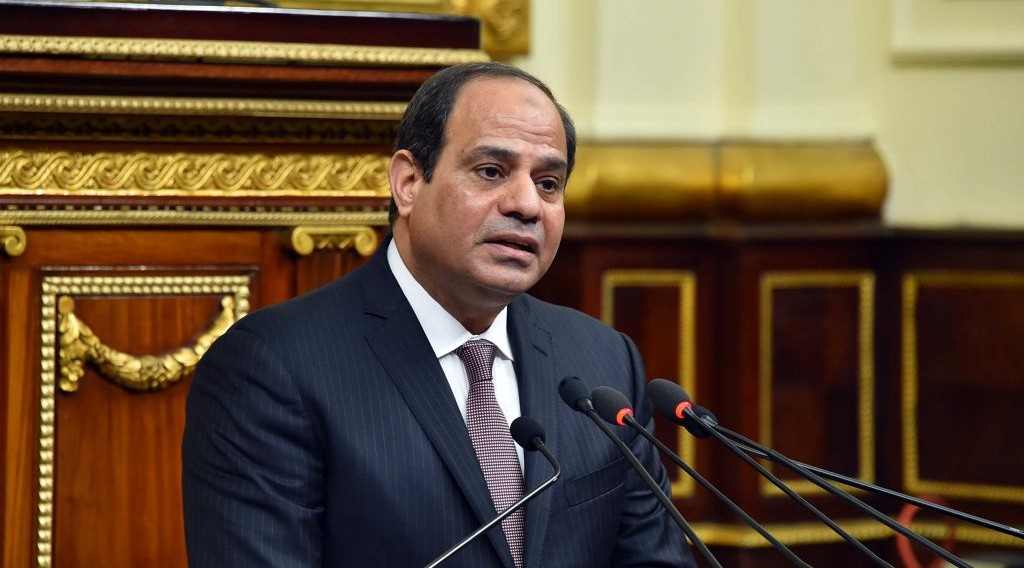
In the three years since Abdel-Fattah el-Sissi took control of Egypt, relations have been steadily warming between Jerusalem and Cairo.
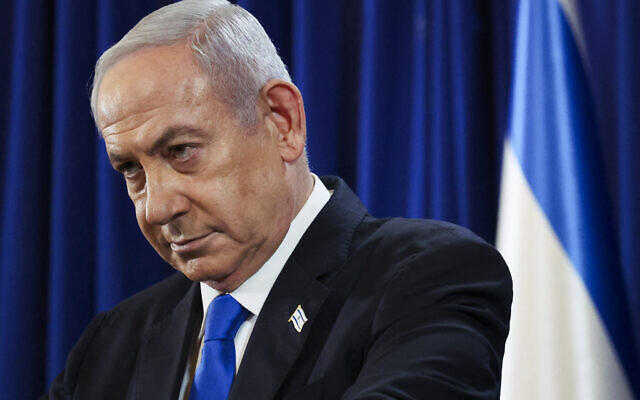
The improving ties, and the ongoing cooperation on the security front, remained largely covert, however, based on an Israeli assumption that publicizing them would only damage the relationship. It was the Egyptians, and specifically the president himself, who slowly started to go public with the relationship. A few months ago, for example, Sissi admitted that he spoke from time to time on the phone with Prime Minister Benjamin Netanyahu.
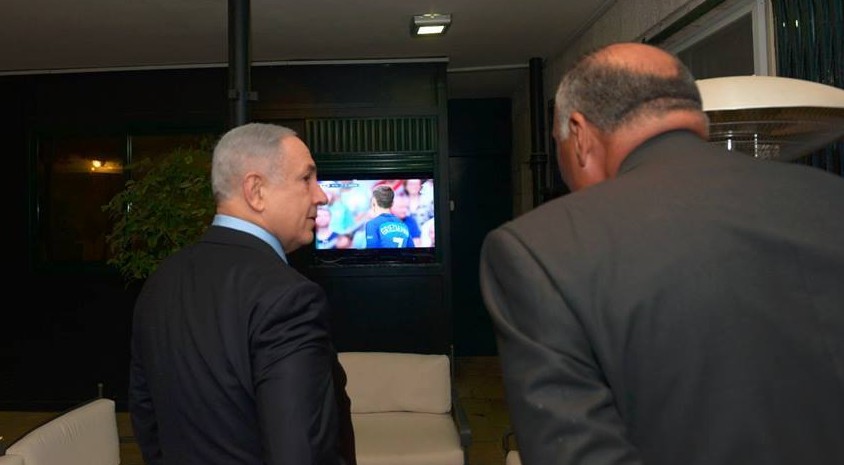
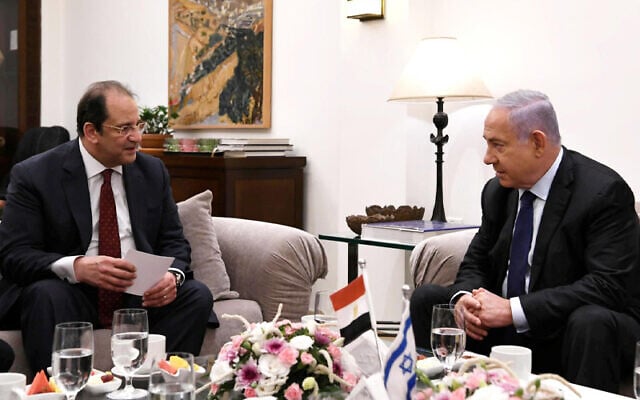
To a certain extent, Sunday’s trip to Israel by Egyptian Foreign Minister Sameh Shoukry brought the covert era to an end. It is now okay to tell the world when a senior Egyptian or Israeli official visits his counterpart in this alliance. And it was the Egyptians who decided it was time to publicize the bromance, end the intrigue, and acknowledge that Egypt and Israel are strategic partners in an unique political and military relationship to defend their borders. Shoukry was even photographed watching the Euro 2016 soccer final with Netanyahu. And in Jerusalem, at that.
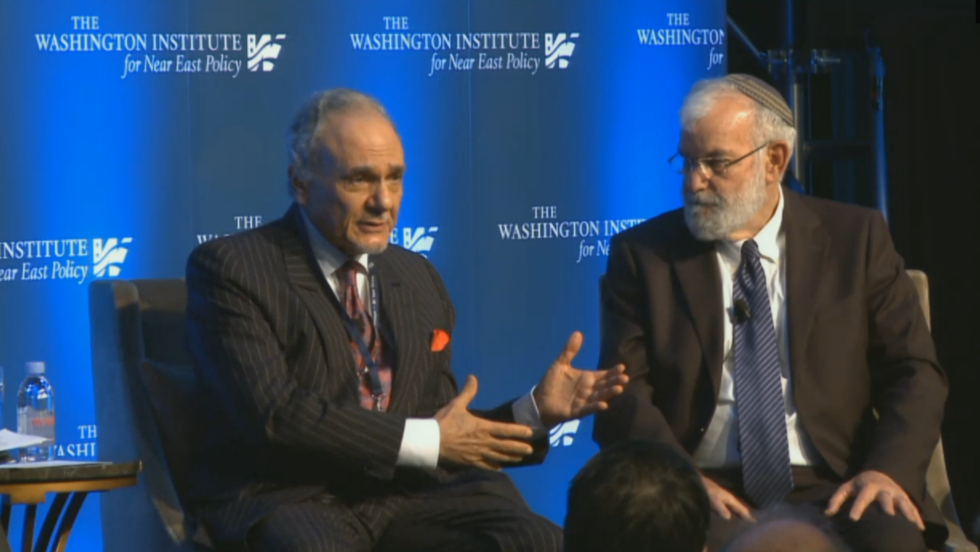
This alliance also includes other partners. Jordan is part of it, and, according to foreign media, so too is Saudi Arabia, despite Riyadh not having diplomatic ties with Israel. Israel’s Foreign Minister Director-General shared a US stage recently with a prominent Saudi ex-general. So, too, did Netanyahu’s former national security adviser Yaakov Amidror, with Prince Turki bin Faisal.
This year’s decision by the Egyptian government to hand back the islands of Tiran and Sanafir to the Saudis, in exchange for written assurances from Riyadh that it will respect Israel’s rights to free passage through the Straits of Tiran, is a striking example of this new interaction, though certainly not the only one.
For Egypt, the ongoing battle against Islamic State cells in the Sinai Peninsula turned Israel into Cairo’s critical partner in the war on jihadist terror. This was evident in Israel permitting the Egyptians to send more troops to the Sinai, against the written terms of the 1979 peace agreement.
While for other Sunni states, the war against Sunni extremism has become the central pillar of mutual interests with Israel, for Riyadh, it is the threat from Shiite Iran that has turned it into the Jewish state’s partner.
Cairo’s decision to send its Egyptian foreign minister to Jerusalem was not only intended to coordinate security efforts, which would continue with or without official visits as they have done for the past nine years. Shoukry’s visit, and a planned meeting in the near future between Netanyahu and Sissi, highlight Egypt’s desire to once again become a regional power.
Sissi, along with King Abdullah of Jordan and King Salman of Saudi Arabia, view the turmoil in the West Bank and Gaza as dangerous precursors of still more regional instability.
This has led the trio to see a role in the peace process between Israel and the Palestinians as important. They believe that negotiations between Jerusalem and Ramallah will weaken Hamas and strengthen Mahmoud Abbas’s Palestinian Authority.
As such, it is not only Egypt and Jordan who have shown a certain hostility toward Hamas and Gaza, but recently Saudi Arabia, too, has expressed official criticism of the terror group.
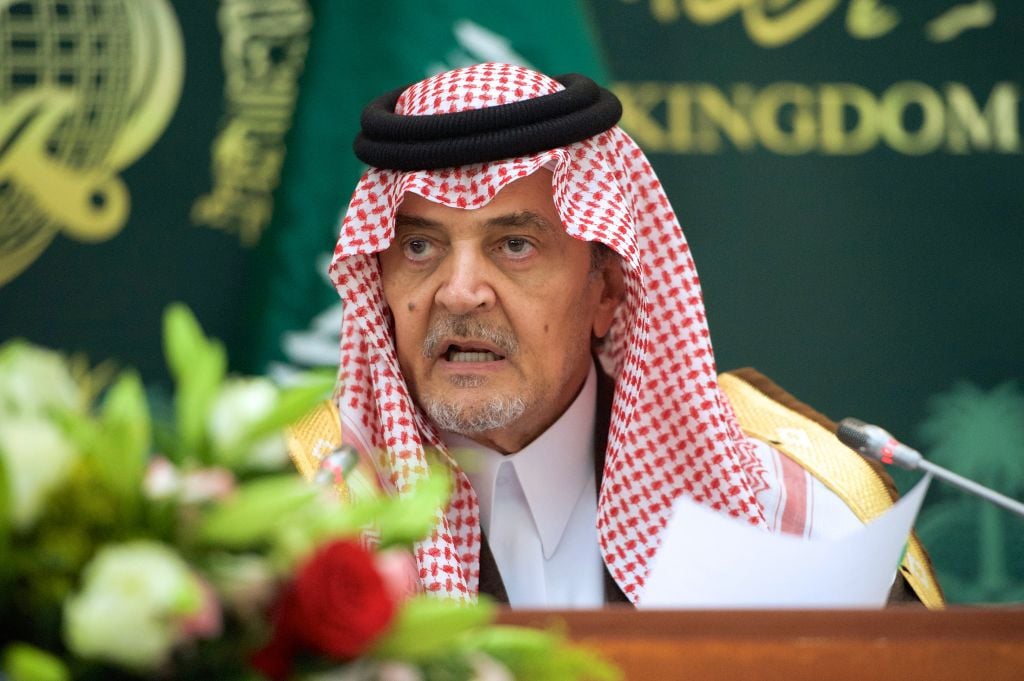
Prince Turki declared over the weekend at a conference in Paris that Hamas and Islamic Jihad have become organizations that serve Iran. Hamas was quick to deny the allegations.
Make no mistake. For these countries, the Palestinian issue is not the source of the Middle East’s problems, and it is not at the top of their priority list. But they do desire quiet and stability in the region in order to fight against Iran and Islamic State.
Sissi closely follows the Israeli political arena; he understands that the Israeli public is largely hostile toward the Palestinians. However, he also truly believes that due to the support that he enjoys from the Israeli public, he will be able to convince Israelis of the necessity for a political process with the Palestinians. He has already directly addressed Israelis in one of his speeches, and it is likely that he will do so again when he actually meets with Netanyahu.
Is it possible that Sissi will exert pressure to have a three-way summit with Mahmoud Abbas? At the moment such a meeting seems unlikely, but in this crazy region everything is possible.
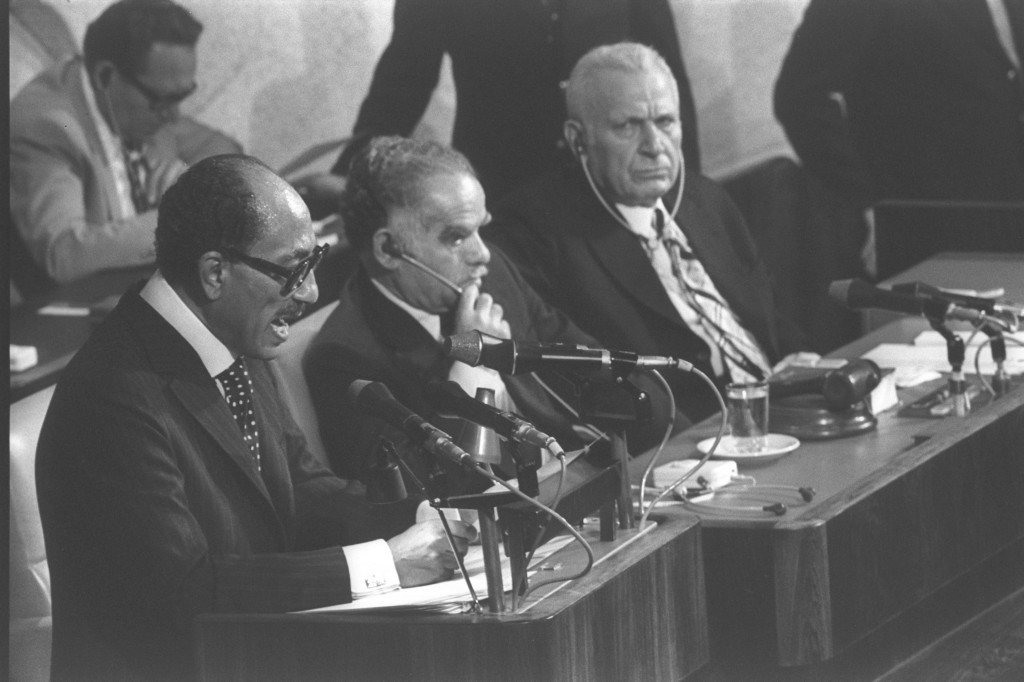
Two months ago, Ibrahim Issa, one of Egypt’s best-known television hosts, said that it was very likely that in the future Netanyahu would visit Egypt or that Sissi would visit Israel and speak in the Knesset, just as Anwar Sadat did in 1977. If matters keep progressing as they have, even this scenario may not be as implausible as it currently sounds.






The Times of Israel Community.