

 From the Liveblog of
Thursday, May 7, 2026
From the Liveblog of
Thursday, May 7, 2026
Palestinian envoy appeals to UK after British Museum removes some ‘Palestine’ references from exhibits
 Add ToI as a Preferred Source on Google
Rossella Tercatin is The Times of Israel's archaeology and religions reporter.
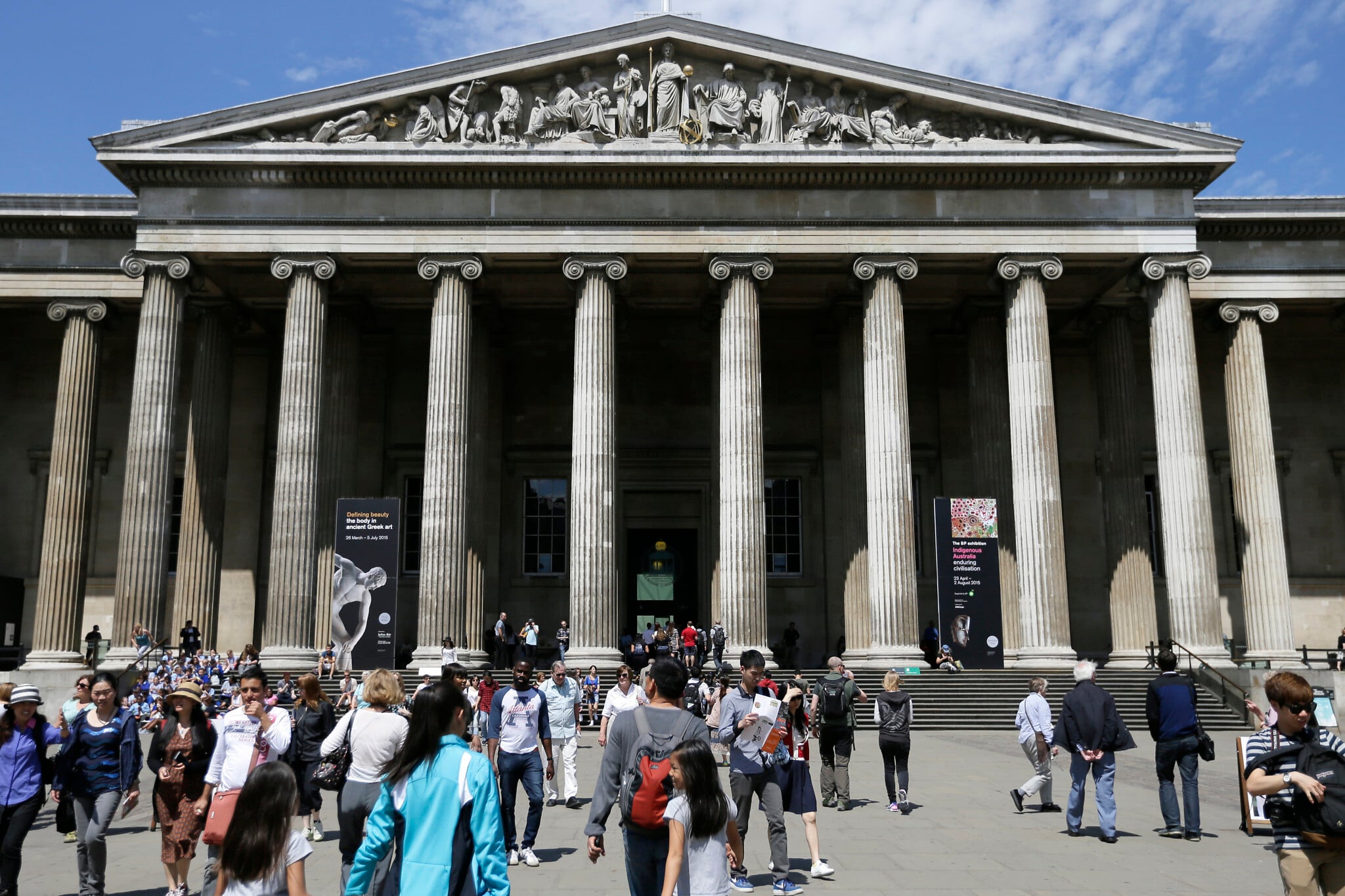
Palestinian Ambassador to the UK Husam Zomlot has asked the British Foreign Office to intervene after the British Museum removed some references to “Palestine” in some of its displays, the Guardian reports.
In February, the museum changed the content in some of its panels after complaints over historical accuracy by pro-Israel group UK Lawyers for Israel (UKLFI).
The museum at the time told media outlets that “for the Middle East galleries for maps showing ancient cultural regions, the term ‘Canaan’ is relevant for the southern Levant in the later second millennium BCE. We use the UN terminology on maps that show modern boundaries, for example, Gaza, West Bank, Israel, Jordan, and refer to ‘Palestinian’ as a cultural or ethnographic identifier where appropriate.”
The Roman province of Judea was renamed “Syria-Palestina” after the Romans defeated the Jewish Revolt led by Simon Bar-Kochba in 135 CE. The name “Palestine” is believed to have been chosen to echo the name of the Philistines, a population that lived in the region during the Iron Age (1200-586 BCE) and frequently appears in the Bible as one of the Israelites’ enemies.
According to the Guardian, after the changes were made, Zomlot approached the museum to persuade the museum to reverse them. In March, he was invited to meet the museum’s director, Nicholas Cullinan. However, Cullinan did not commit to fulfilling his request, prompting the ambassador to address the Foreign Ministry.
“I sent a letter to the minister in charge of the Foreign Office, and we are waiting for [a response]” Zomlot said. “For me, this is not only a political issue. This is not only a legal issue. This is not even just a historical issue. This is an existential issue. Because erasing our past is erasing our present.”
A British government spokesperson told the Guardian, “Museums and galleries in the UK operate independently of the government, which means that decisions relating to the management of their collections are a matter for their trustees.”







The Times of Israel Community.