

Ministers demand end to Netanyahu trial after court’s dramatic advice to drop most charges
Levin claims it was clear since start of probe there was nothing to be found; Ben Gvir decries ‘persecution’ against PM; Smotrich calls for prosecutors to be held accountable
 Add ToI as a Preferred Source on Google
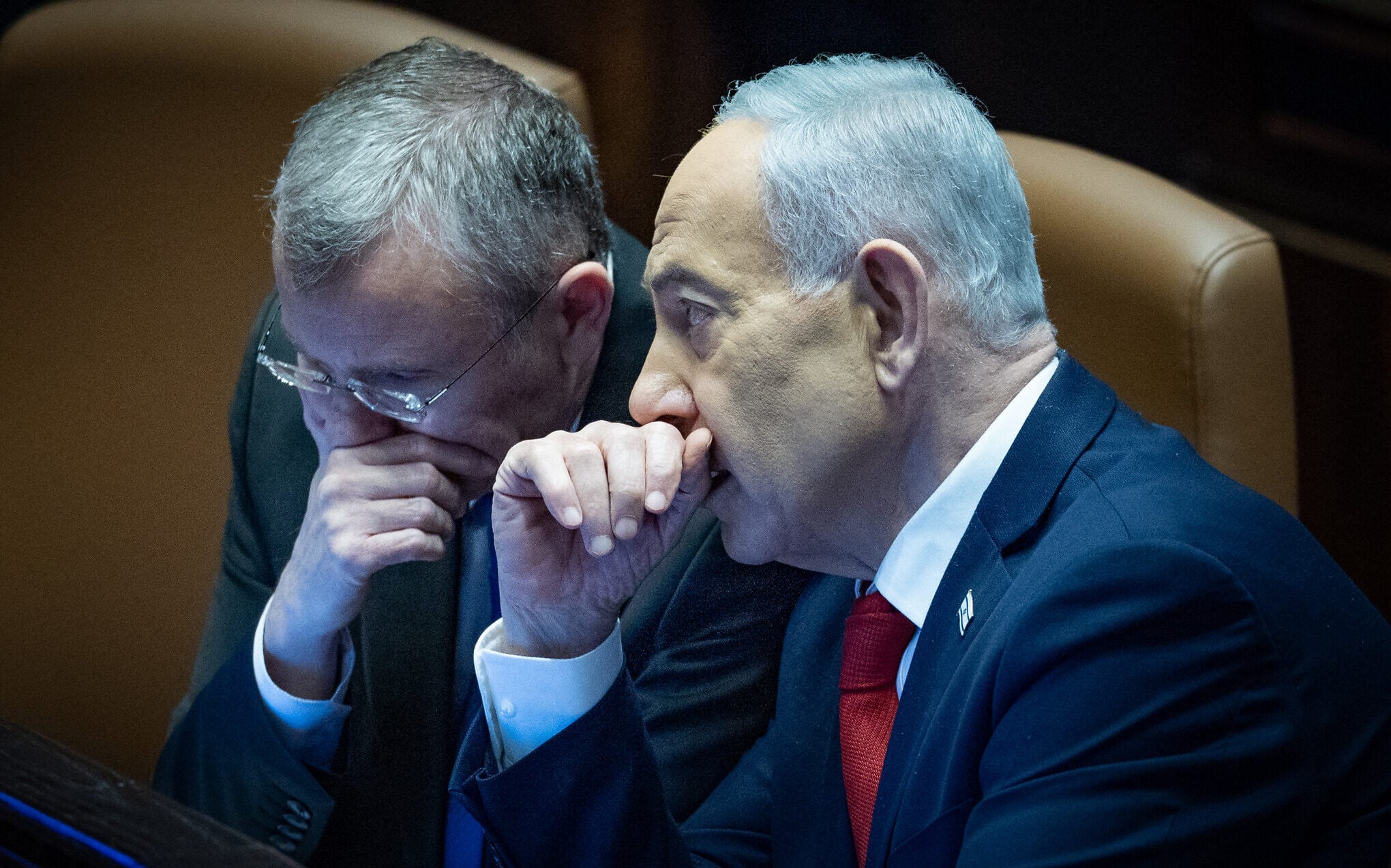
Members of Prime Minister Benjamin Netanyahu’s coalition demanded an end to the premier’s corruption trial and slammed the conduct of the judicial system on Wednesday, after a statement by the court indicated that conviction was unlikely in two of the three high-profile cases that have mired him for around a decade, including the one in which he faces the most serious charge.
According to the Jerusalem District Court, there is little chance of a conviction in Case 4000, in which Netanyahu faces charges of bribery, fraud and breach of trust. As for Case 2000, under which Netanyahu faces additional charges of fraud and breach of trust, the court’s position is that it is not convinced that the allegations constitute a crime, and therefore is not convinced there is a case.
The court said that in Case 1000, in which the premier also faced charges of fraud and breach of trust, the prosecution should try to come to an agreement with the defense, indicating that this is the only one of the cases in which a conviction is realistic.
Justice Minister Yariv Levin referred to Netanyahu’s 2017 statement on the investigations that “there will be nothing [found], because there was nothing.”
Levin asserted: “It was already clear then.”
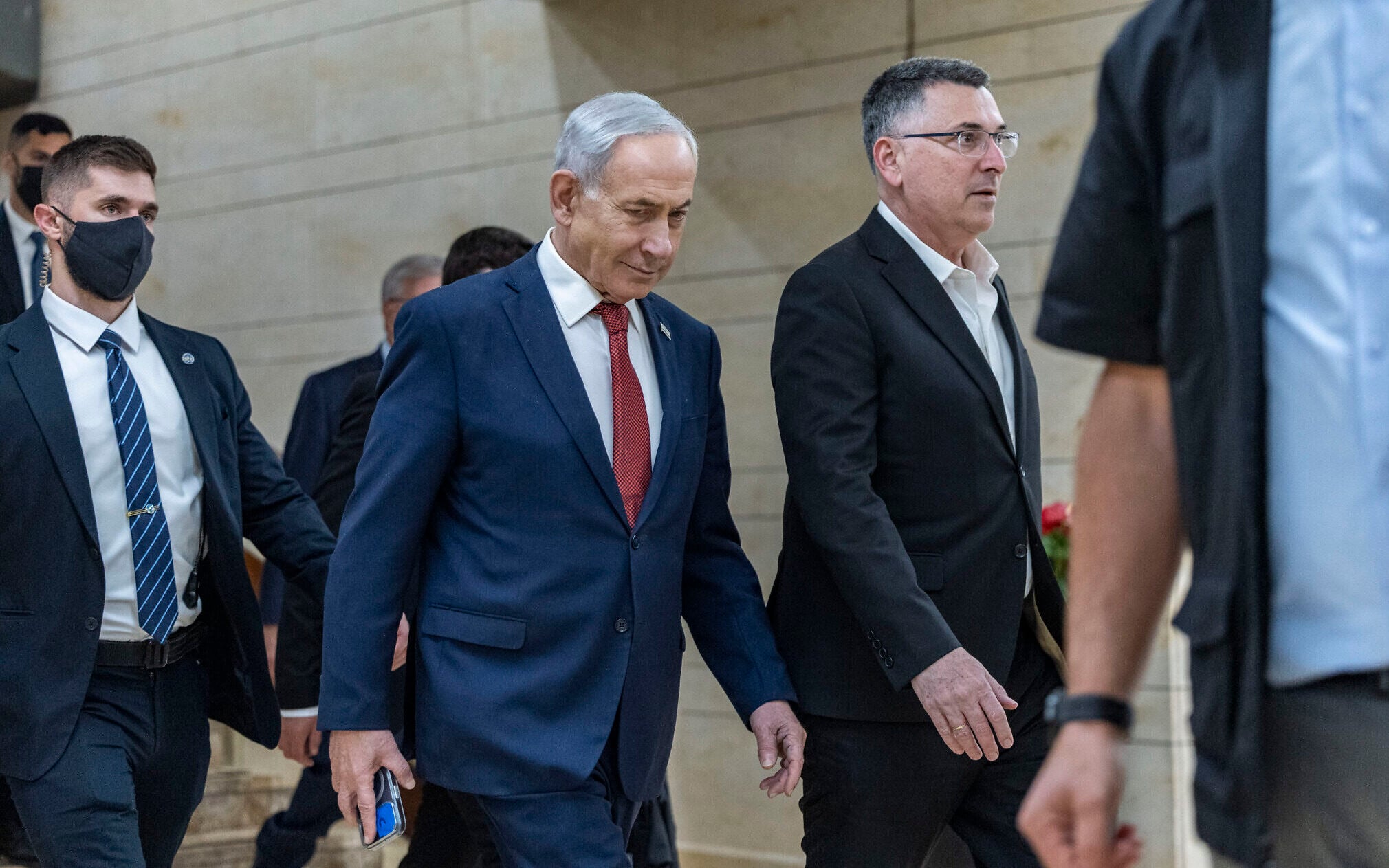
Foreign Minister Gideon Sa’ar, who previously served as justice minister, said: “At this stage, the two ways to end the case are the prosecution withdrawing the charges, or the court granting a stay of proceedings on grounds of abuse of process.”
Defense Minister Israel Katz said that “the time has come to put an end to a trial born of sin, which divides Israeli society and exacts a heavy price from the country.”
Communications Minister Shlomo Karhi said, “Israeli democracy has been shaken to its core, because of baseless indictments and unrestrained political persecution.”
National Security Minister Itamar Ben Gvir said that Netanyahu has been “persecuted for nearly a decade.”
“As we’ve been saying all along: The cases are collapsing. Now the judges are saying it out loud too. This is a witch hunt by the deep state, which wants to bring down the right and its leader. We won’t let them,” Ben Gvir wrote on X.
Finance Minister Bezalel Smotrich said the development was an “earthquake measuring 4,000 on the Richter scale” and called for those involved in the prosecution to be held accountable.
Shas party chair Aryeh Deri, a Netanyahu ally who has repeatedly been convicted in the past, said the day marked “Yom Kippur [a day of atonement] for the judicial system.”
“Thirty years ago we were already crying out and sounding the alarm against Dorit Beinisch, Shai Nitzan and senior figures in the justice system, who led a corrupt and brutal campaign of persecution against political opponents, using blatant frame-ups and harsh interrogation methods,” Deri wrote on X, calling for a “fundamental overhaul of the law enforcement system.”

The court’s stated position marks a significant vindication for Netanyahu. He has strenuously denied any wrongdoing and has argued that the charges against him were fabricated in an attempted coup by police and prosecutors and his political rivals.
The case against Netanyahu has been going on for a decade.
In Case 1000, Netanyahu is accused of accepting luxury gifts worth hundreds of thousands of shekels from Hollywood mogul Arnon Milchan and Australian billionaire James Packer. The indictment alleges that Netanyahu performed various favors and provided assistance to Milchan, in particular, in return.
In Case 2000, Netanyahu allegedly negotiated to obtain positive media coverage in the Yedioth Ahronoth newspaper in exchange for curtailing its competitors, in a deal that never came to fruition.
In Case 4000, the premier is accused of taking a bribe in the form of coverage altered in his favor on the Walla news website, in return for regulatory decisions benefiting owner Shaul Elovitch.
Then-attorney general Avichai Mandelblit first ordered a “probe” into Netanyahu in June 2016 after being presented with information by the police’s Lahav 433 special crimes unit that included “a long list of allegations that the prime minister had carried out apparent crimes crossing ethical norms.” The prime minister was first questioned in January 2017.
Mandelblit announced in November 2019 that he had decided to press charges against Netanyahu in three corruption cases, and the indictment was filed in January 2020 after Netanyahu abandoned an effort to secure parliamentary immunity from prosecution.
The trial began in May 2020, with Netanyahu becoming the first serving Israeli premier to stand trial.






The Times of Israel Community.