

With Israelis under fire, a rabbi offers guidance where Jewish law meets mental health
Rabbi Yoni Rosensweig says that for observant Jews, it can be challenging to observe laws like Shabbat while dealing with the anxiety and stress of missiles flying overhead
 Add ToI as a Preferred Source on Google
Rossella Tercatin is The Times of Israel's archaeology and religions reporter.
A few weeks after the bloody Hamas-led invasion of October 7, 2023, an Israeli woman suffering from anxiety reached out to Rabbi Yoni Rosensweig, an expert on the intersection between Jewish law and mental health, with a dramatic question.
“She asked me whether she could buy poison and keep it by her bed,” Rosensweig told The Times of Israel. “She was worried that Hamas would again attack the country, and she didn’t want to be abducted by them.”
Rosensweig, a resident of Beit Shemesh and an Orthodox rabbi, is the founder of Ma’aglei Nefesh: The Center for Mental Health, Community, and Halacha, and the author of “Nafshi BiShe’elati: The Halakhot of Mental Health,” written with Dr. Shmuel Harris, a psychiatrist. Halacha is the Hebrew word for Jewish law.
Over the years, the rabbi and his organization have become a source of guidance for people seeking to reconcile mental health challenges with Jewish law observance, in addition to offering a training program on the topic for Jewish leaders. Such issues include using technology on Shabbat to help cope with depression or eating on fast days for those suffering from eating disorders.
After October 7, the number of Israelis suffering from mental health conditions has skyrocketed. According to data released by the Central Bureau of Statistics in January, the share of Israelis reporting depression climbed from 25.5% in 2023 to 33.9% in 2024, while those reporting stress rose from 58.2% to 67.9%.
Since then, a significant number of questions received by Rosensweig and Ma’aglei Nefesh have focused on Post-Traumatic Stress Disorder, anxiety, and depression generated by the conflict, especially related to Shabbat observance, even more so in times of intense confrontation.
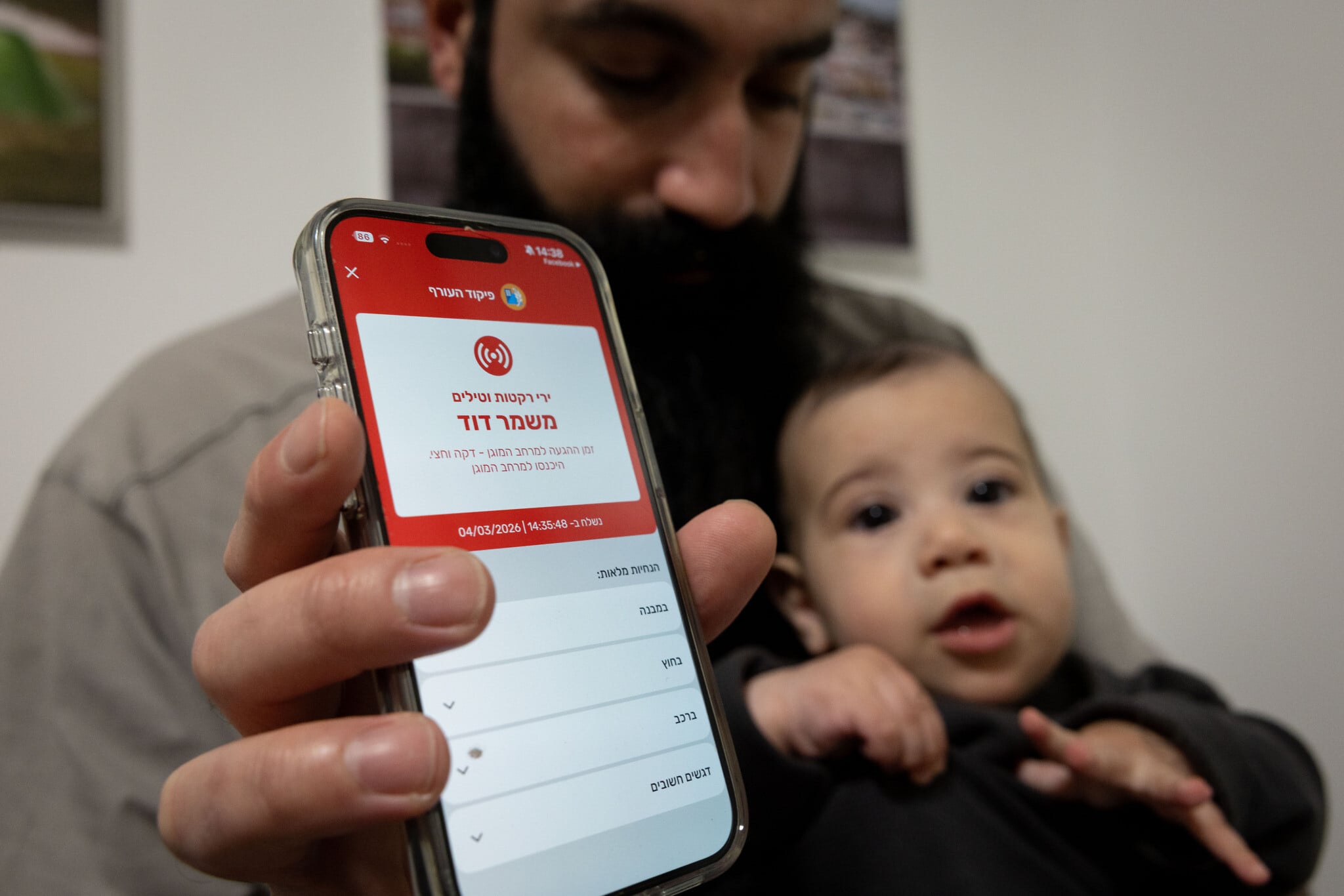
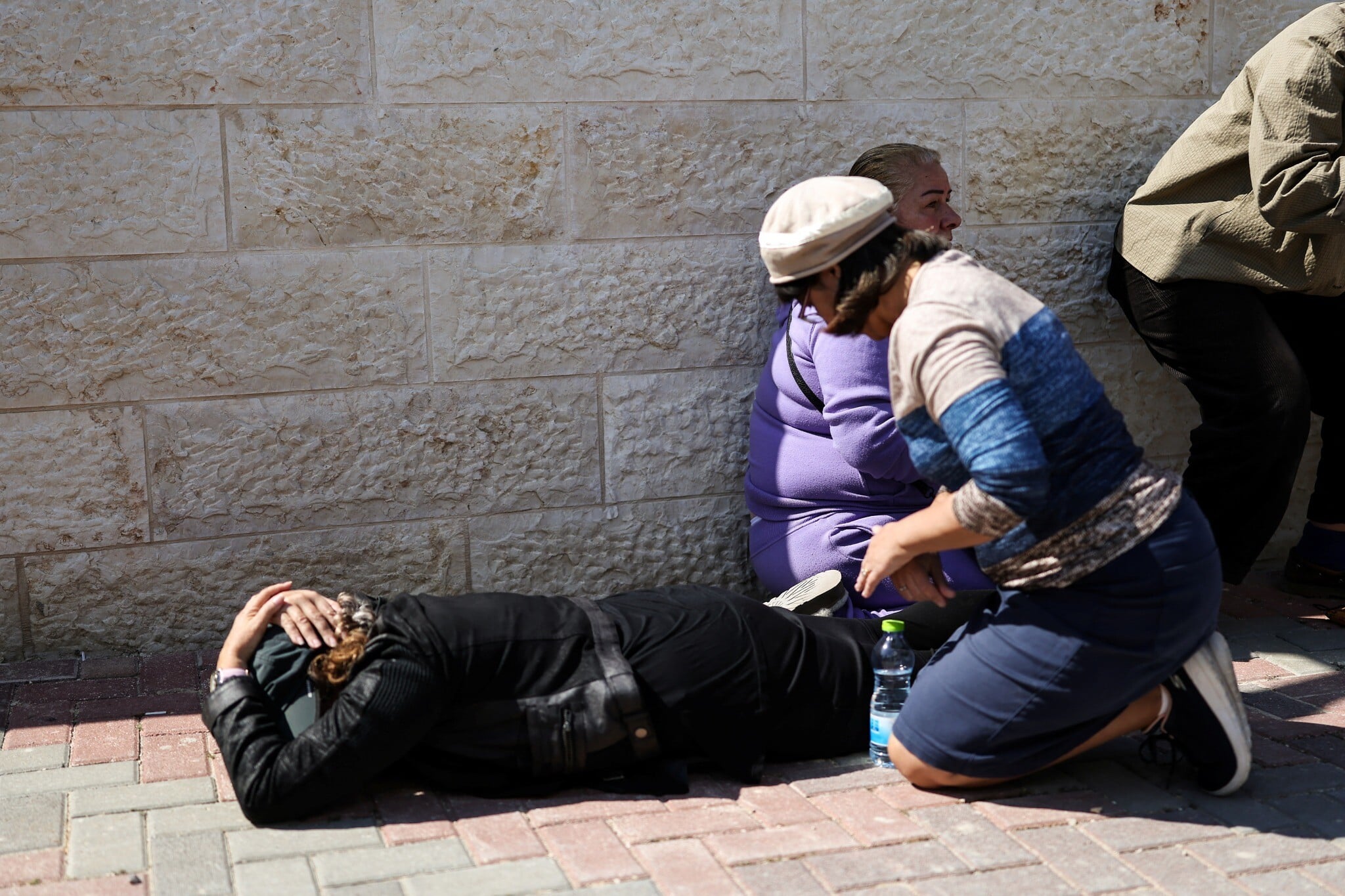
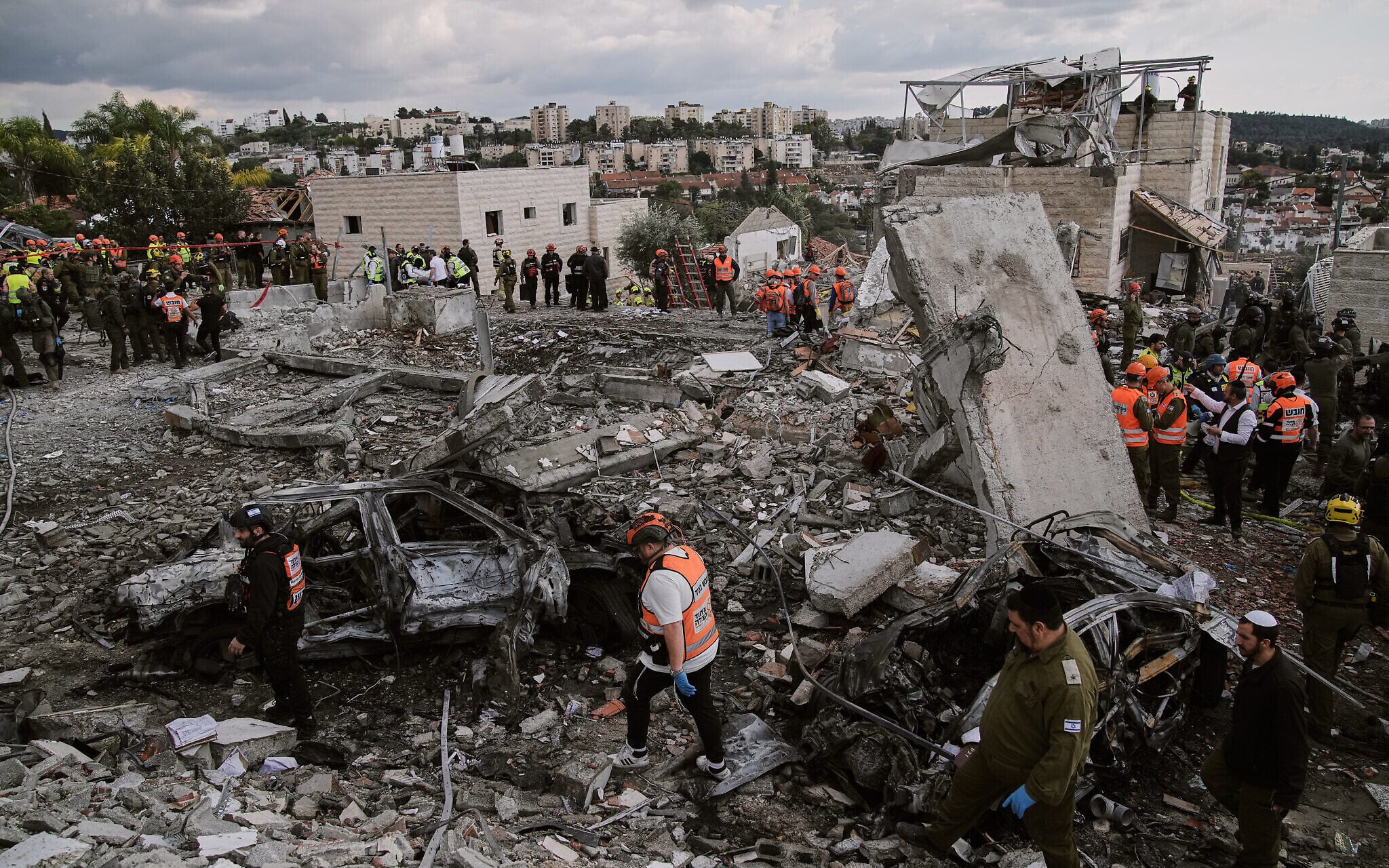
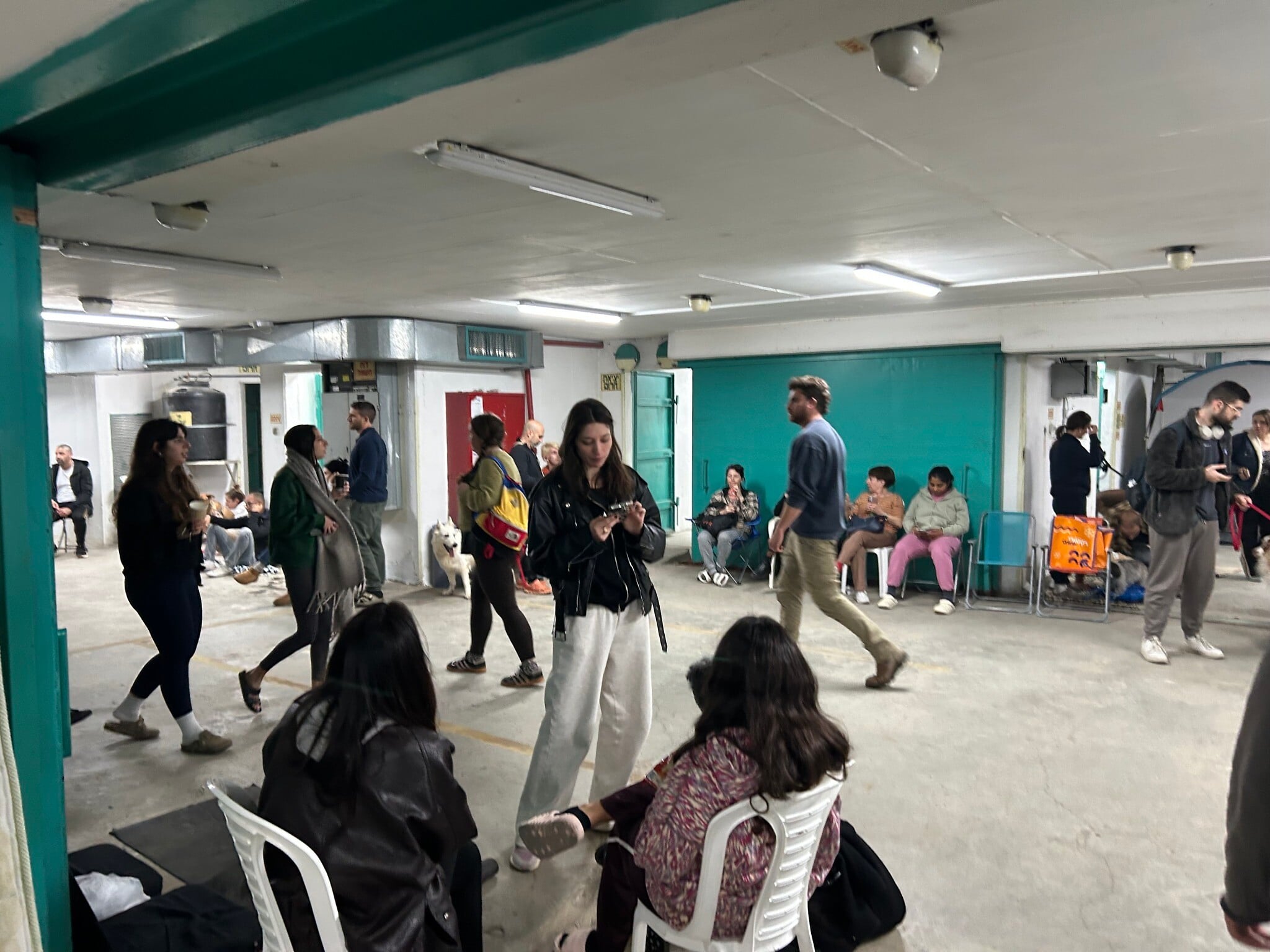
During the current hostilities with Iran, Tehran has launched hundreds of missiles and drones at Israel, killing 10 people and injuring hundreds — including those who were injured while trying to reach shelter, as the attacks also routinely sent millions of people across the country scrambling for safety multiple times a day.
Jewish law forbids several activities on Shabbat, from Friday night at sunset until Saturday at nightfall, including turning on lights, using electronic devices and telephones, traveling by car or bus, and using money. At the same time, one is required to desecrate Shabbat to save a life — a stipulation called pikuach nefesh — and also to preserve or care for someone’s health, with increasing leniency for breaking the general rules based on the seriousness of the situation.
“Mental health is very much connected with a person’s culture and their belief system,” Rosensweig said. “A person who is a Christian or Muslim will experience their mental health challenges within their context, within their religious context, within their cultural context. The same goes for an Orthodox Jewish person. So if we want to care for people’s mental health, we need to understand that, which means recognizing their religious needs as well.”
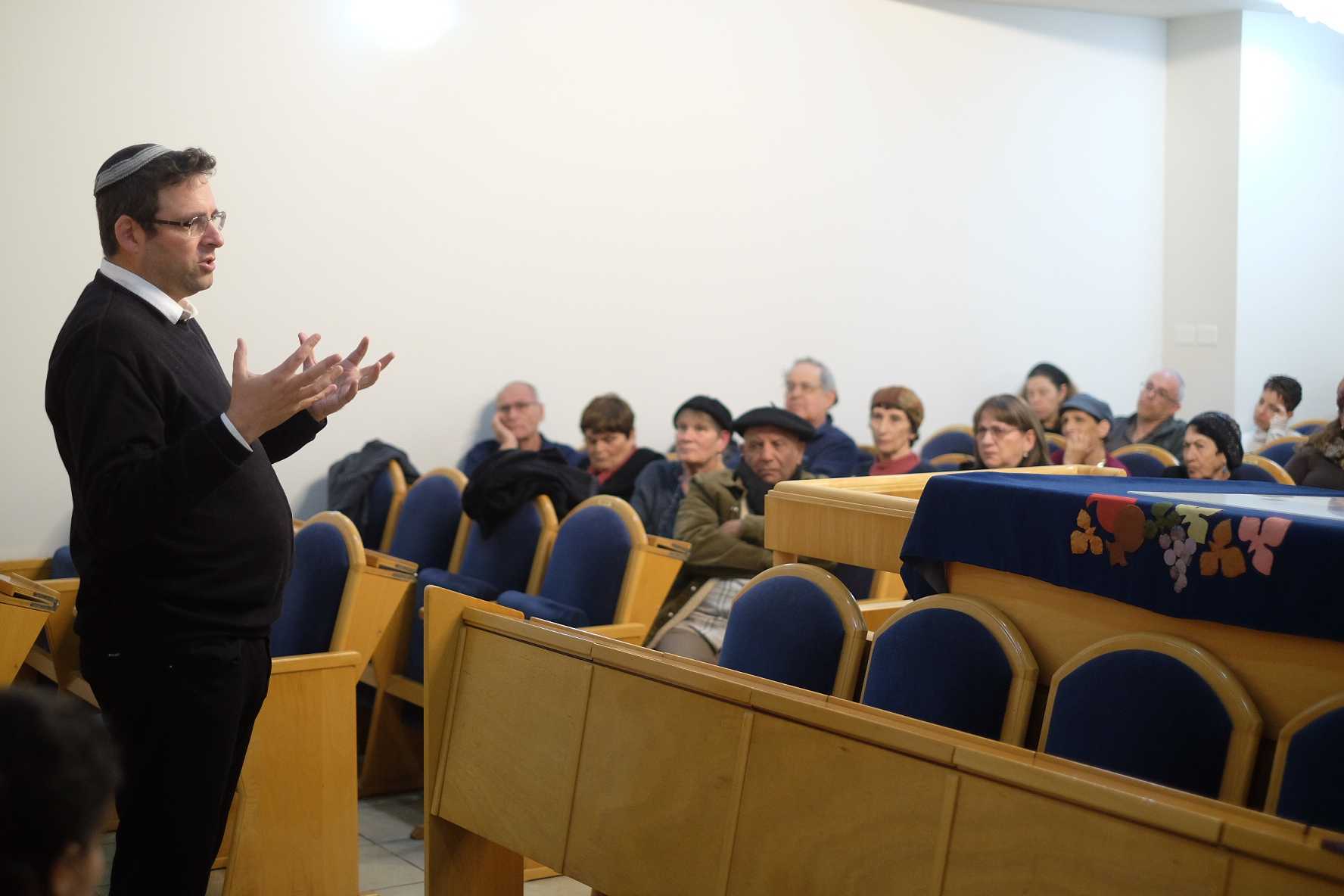
The rabbi explained that someone who feels it is very important to observe Shabbat rules might neglect their health needs if they are not addressed within the proper framework.
“In terms of the war and Shabbat, using phones, staying up-to-date, and being in touch with people might be necessary for someone, but if they think that it is not allowed, they might sacrifice their mental health for their religious observance,” he said.
Rosensweig emphasized that neither he nor his fellow rabbis is trying to stand in for mental health professionals.
“I am not a mental health professional,” he said. “If someone calls me up with a question of, let’s say, what therapy to do or what modality to use, and I’ll tell them I don’t know.”
“Mental health professionals are very important, but everyone has a certain cultural background, and that’s where I come in, in terms of making sure that the cultural and religious side of things also gets heard and understood,” he added.
Rosensweig shared some general guidelines on Jewish law for the public that take into consideration what’s necessary during a national emergency, even for people who do not struggle with specific mental health challenges.
These guidelines, for example, include instructions on what is permitted regarding carrying phones on Shabbat to hear the early alerts sent by the Home Front Command to warn the public of possible imminent sirens in their area.
“As general guidelines, I would tell people that they can definitely carry their phones on Shabbat,” Rosensweig said. “If possible, they should carry it with something else, or in other words, put it in a bag together with, let’s say, tissues, or a prayer book.”
“With regards to sharing information, for example, if you think you’re going to have a parent or someone calling you to see how you’re doing, I suggest coming up with a code in advance, before Shabbat,” he added. “For example, if you don’t answer, it means you are fine, while if something has happened, you will answer.”
In Israel, there are radio channels that remain silent on Shabbat except to announce incoming attacks or share other urgent information, and many Shabbat-observant people leave them on all day. The rabbi said that if people feel the need for more, one possibility could be to leave a muted screen device on a major news website, where they can read current news headlines and updates.
“As a general rule, though, people should not be accessing their phones,” Rosensweig said.
At the same time, the rabbi emphasized that for people who are suffering from specific mental health challenges, it is important to seek advice from a rabbi for detailed answers.
“There are a few things right that we have seen since October 7,” said Rosensweig. “PTSD, anxiety, and depression existed before, but what we see is that in certain areas, they are heightened.”
He added that war can also have an impact on pre-existing conditions, such as eating disorders.
“Having good mental health is largely a question of balance and a certain equilibrium,” he explained. “If life is unbalanced, then a lot of times it is harder to maintain one’s routine that helps them to remain healthy.”
Rosensweig explained that many of the questions he receives concern the use of phones on Shabbat as a coping mechanism.
“People need to listen to music to calm down, or want to use mindfulness apps to help them de-stress,” he said. “Someone with PTSD could experience flashbacks, dissociation, and associated issues like depression, and the phone can help them to deal with all those symptoms. So I will get questions about that. I will also get questions about the use of medical marijuana on Shabbat to manage symptoms of PTSD.”
People reach out to Rosensweig both personally and through the website Ma’aglei Nefesh, where anyone can also schedule a virtual call or chat.
At the same time, he added that every case is different and it is not possible for him to offer blanket leniency about following one Shabbat rule or another in case of depression or anxiety.
“We all know how sometimes we will get up and feel sick, and at times we will power through it, while other times we will stay home and take a day off,” Rosensweig said. “It’s a question of degree. The same goes for mental health. If a person tells me they need to use their phone on Shabbat, we will think about it together. How bad is the depression or anxiety? Does it affect their ability to function? What will happen if they do not use their phone?”
“We make that evaluation,” he added. “If it’s clear that things are going to get bad, then of course, we allow, just like we allow for physical health.”




The Times of Israel Community.