

A bubble of undistilled spirituality surfaces in war-torn Ukraine
In Uman, a story of three pilgrims among tens of thousands on Rosh Hashanah
 Add ToI as a Preferred Source on Google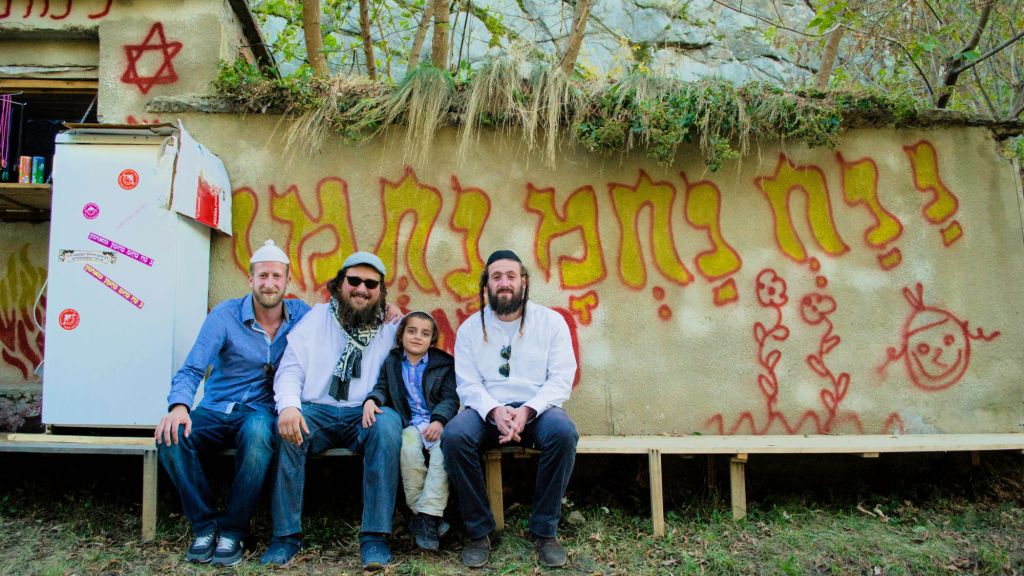
UMAN, Ukraine — In a corner of Rabbi Nachman’s dim, candlelit sepulcher, an artist’s piercing blue eyes are ablaze. In the wake of silent prayer and meditation directed at the 18th century Hassidic master, it is clear Emmanuel Bouzaglou’s deep-rooted conviction feeds his inner fire.
He breathes a sigh of relief before speaking, shuts his eyes and allows himself a moment of pure self-satisfaction.
“We did it,” Bouzaglou says to two friends, Meir Knafo and Eliav Flataur, who joined him on the week-long pilgrimage to Uman, Ukraine. “Now it will be ok, yishtabach shemo la’ad (may His name be forever blessed).”
The trio of friends will go home to Israel happy, full of blessing and inspiration. But what brought them — and tens of thousands of others — to the depths of Ukraine to begin with?
An 1810 vow made by Rabbi Nachman of Breslov.
Rabbi Nachman of Breslov was born in 1772 and died in Uman in 1810. The rabbi was born into a prestigious rabbinical line as the great-grandson of the Baal Shemtov, who founded the return to Jewish mysticism or hassidut.
Among Rabbi Nachman’s legacies are direct spontaneous prayer to God in the style of a conversation with a trusted friend, and the ideal to be always happy. Today his followers, the Breslover Hassidim, are well-known for their spontaneous song and dance — from the middle of traffic jams to city squares.
The time period of the Jewish High Holy Days, particularly Rosh Hashanah, was of utmost importance to Rabbi Nachman and his disciples would gather from across the Pale of Settlement to spend this time with him.
Just before his death at 38 from tuberculosis, Rabbi Nachman is said to have gathered two of his most trusted disciples to him and taken a vow. He is recorded as saying that if a penitent comes to his grave in Uman during Rosh Hashana, gives to charity and recites a specific series of ten psalms, the rabbi “will pull him out from the depths of hell” — regardless of the person’s level of religious observance or righteousness prior to his pilgrimage.
Even during the height of the Communist regime, this spiritual “get out of jail free” card spurred pilgrims to visit Rabbi Nachman’s grave. While for some today the journey may be more for adventure, the majority of pilgrims are looking for pure and undistilled spiritual enlightenment.
The big business of Uman travel today
Today, some 25,000 Jewish pilgrims travel to Uman annually during the High Holy Days. The trend, which has seen enormous growth in the past decade, has led to dozens of direct charter flights from Tel Aviv to serve the eclectic growing number of secular and religious Israeli Jews who travel to the small Ukrainian town.
A Hasidic owner of a tourism business which deals exclusively with bringing people to Uman says it is impossible to accurately know how much money is spent by the pilgrims in Uman, as all interactions are done in American dollars. He estimates, however, that hundreds of thousands of dollars are put in locals’ pockets.
For three friends from Israel, the story began this summer during Operation Protective Edge, up in the Galilean hills some 2,645 kilometers from Uman. There, they sat in a courtyard of what was once the Montefiore estate in Safed, now being transformed into an art gallery, and discussed the difficult national situation — and the equally sorry state of their pocketbooks.
Israel was three weeks into the Gaza conflict and the mid-summer rush of tourists to their galleries had ebbed to a worrisome low. “It’s out of our hands,” said Bouzaglou. “The army will do its thing, but we have to do ours too. We need to ask Rabbeinu for his help. We’re going to Uman.”
“We all believe in something called kesef kedusha, or holy money, and we operate our businesses with that in mind,” Bouzaglou explains to The Times of Israel while in Uman. “Rabbi Nachman taught that when you negotiate properly and don’t steal from the other person, and not take interest, this is how we keep it holy. Because we all have a lust for money, so you feel like your pockets are always empty. So putting into practice Rabbi Nachman’s teachings, and giving charity, it moves the stars in your favor.”
While the friends began the necessary preparations for their trip, roadblocks arose, both literally and figuratively, as the political situation in Ukraine remained dicey.
Flataur, an artist and entrepreneur, shrugged off concerns as if they were rooted in some other, baseless, reality.
“It says in Pirkei Avot [the ethical codes of the forefathers in the Talmud] that whoever puts God on his back does not need to worry. So, what do I need to worry about? Hostile Russians? Angry Ukrainians? Sababa, I live a stone’s throw from Hezbollah launching pads,” Flataur says blithely to The Times of Israel.
A rambunctious arrival to Kiev
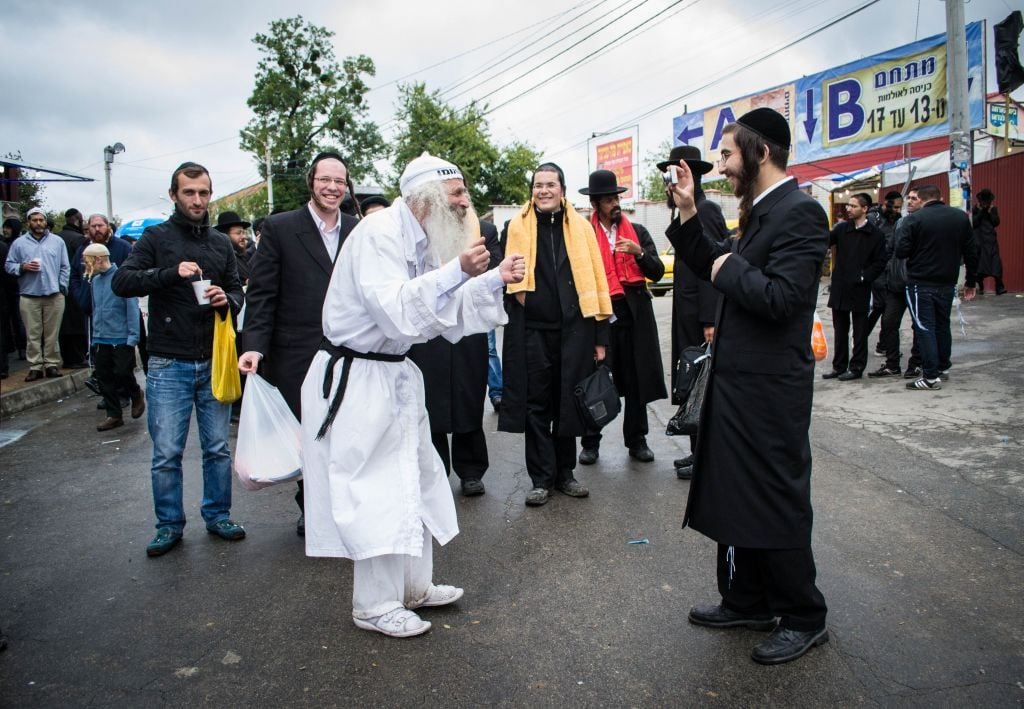
As soon as they disembarked at Kiev’s Boryspil Airport, hundreds of Breslover Hasidim, intermingled with secular Israelis, began a thunderous rendition of songs about Uman and their beloved rabbi. There was dancing, there was shouting, and there was much talk of thanks over shots of bottles of 18-year-old Glenlivet thanks to one exceedingly generous passenger.
But all of that ended abruptly with very real and very cold hostility from the Ukrainian soldiers and border guards who received this unruly bunch of Jews at passport control. At the airport, the ragtag bunch of soldiers and new recruits fresh out of boot camp eager to wield some authority looked like stand-ins brought in to replace the professionals called away to the eastern and Russian fronts. As the crowd of pilgrims rushed to be first through customs, smirking guards armed with machine guns demanded orderly lines.
But once the first of many checkpoints had been crossed, the three friends’ excitement could not be contained during the nearly four-hour drive to Uman.
The charter bus passed sleepy farms and bombed-out roadhouses, then drove through the outer sections of Uman. It reached a sealed-off section of town that can only be described as a provisional Jewish ghetto with the revered rabbi’s grave at its center.
Uman, located in the central Ukrainian province of Cherkasy Oblast, is a drab place. The city was sacked in countless Tartar raids and served as a pillaging site for Cossack regiments for centuries. In the surrounding woods are graves of tens of thousands of slaughtered Jews.
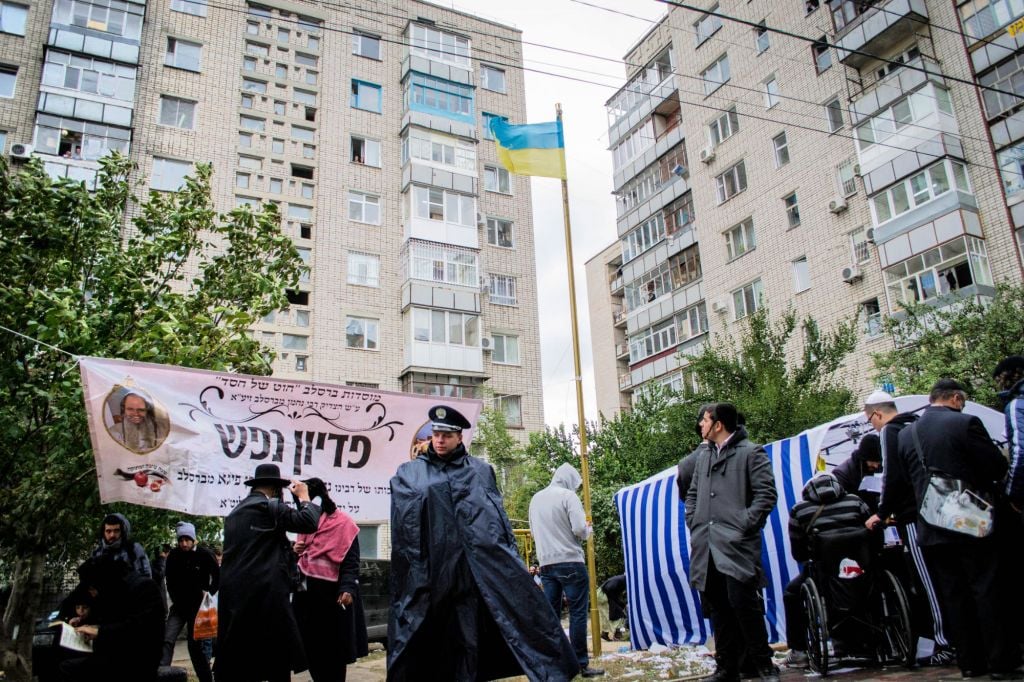
In Uman, the sun shines only on the inside. While the Soviet-era buildings stood like oppressive centurions, the thousands of present-day Jews in the streets were euphoric.
After thousands of Jews huddled together in the street to recite the ten chapters of psalms prescribed by Rabbi Nachman to his followers as a cure for broken souls, the three friends hurried to the ritual bath before heading to the grave site for a personal tete-a-tete with their spiritual leader.
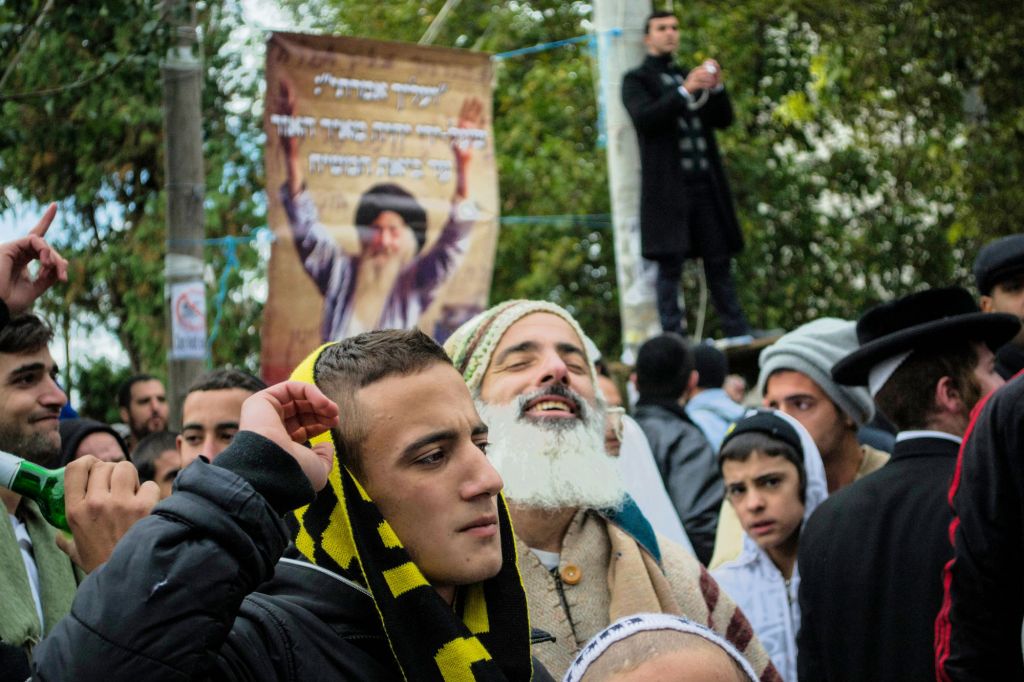
After hours of focused prayer and a meditative repose, the dancing started. The Breslover Hasidim are renowned for their boisterous happiness. Men in their fifties joined young boys in climbing up the rafters to wave their arms in the air, spurring the thousands of men there to more fervor and song.
And the intensity kept growing.
A rich menu of minyanim
From among many options, the three friends chose Rav Shalom Sabag’s services for the night’s prayers. In a narrow walkway just off to the side of the grave site, the young Sephardi rabbi from a secular and questionable past was surrounded by devoted and loving followers.
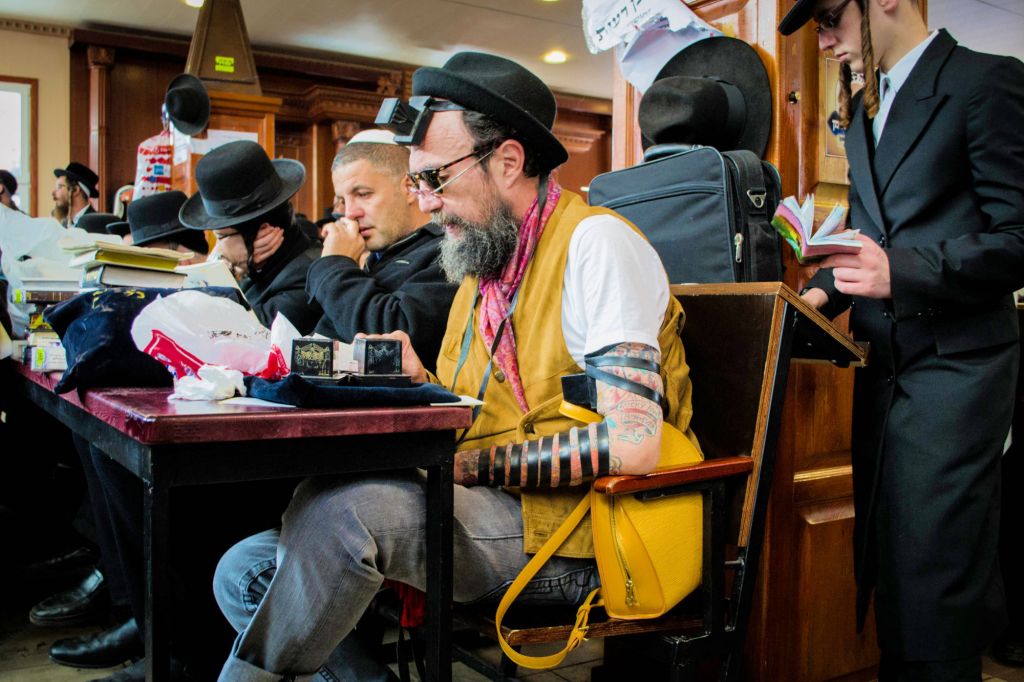
Two young boys flanked the charismatic rabbi as he led prayers. His followers sang for him and danced at his feet. A pale Hasid with a few scraggly hairs on his face took off his fur-trimmed shtreimel and placed it on the head of the thickly bearded, olive skinned rabbi as if it were a crown.
They sang louder and danced harder. A path was cleared for a young man in a wheelchair as he was lifted by two enormous men, so that he too could dance with the rabbi. The feeling was electric. Jews of all types hung from lampposts and sat perched upon the surrounding gates just to get a little closer and hear the low, gruff voice of their rabbi.
But the most noticeable group of his congregants were those dressed in Adidas tracksuits, tight jeans, and Mohawk haircuts. Their Rolex watches and gaudy jewelry adorned arms pumping the air. Newly purchased tzitzit blew in the wind.
Ten meters to the left was the Carlebach minyan. Ten meters to the right, the Grey Goose minyan. Sabag’s was the Tony Soprano minyan: his fame comes from giving spiritual guidance and help to some of Israel’s most notorious personages. And his success rate is remarkable, having brought hundreds out of a life of crime and into a life of God’s work.
“Rabbi Nachman said, ‘There is nothing like my Rosh Hashana,’” one particularly intimidating-looking man explained. “The righteous one invites everyone, and I mean everyone. And he takes it upon himself to correct us better than an correctional institute in Israel.”
There was no news in the Uman bubble. Thousands jockey for positioning in the one wifi hotspot outside Starbucks.
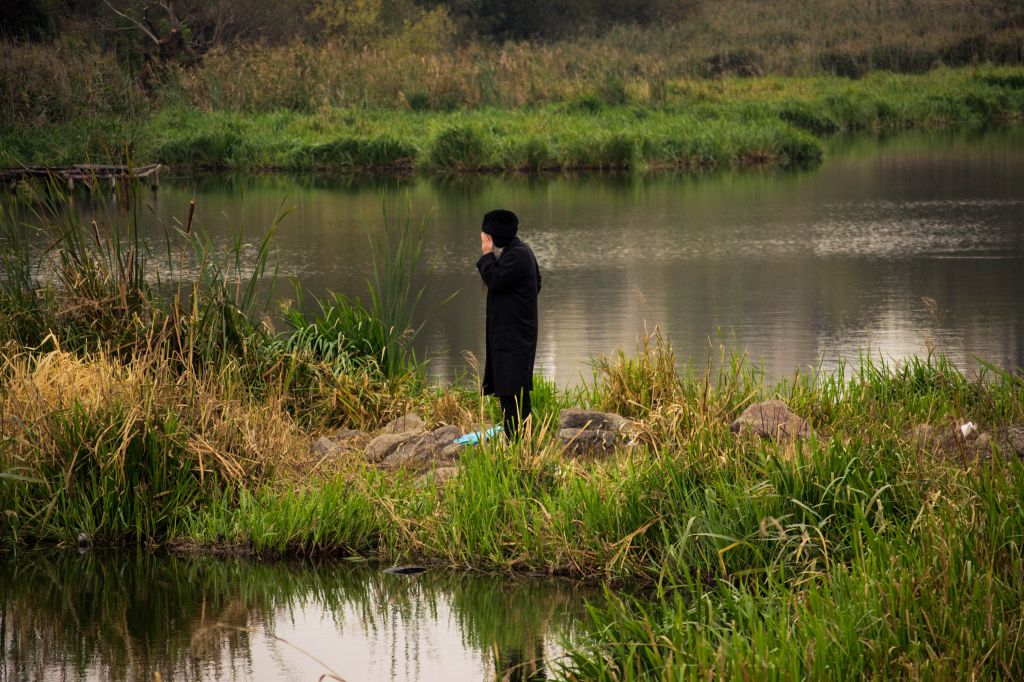
There is a common practice among Rabbi Nachman’s followers of going into the woods or other secluded areas to talk to God, called hitbodedut, and translated literally as “being alone with oneself.” At Uman it feels as if this losing of self was done on a macro level, with a complete removal from the outside world.
As the Sabbath following the Rosh Hashana festival ended, the three friends shifted their mission from requests to thanks and appreciation. The Uman bubble was popped, local cabbies line every inch of sidewalk, and a night flight with the same urgency as the Exodus from Egypt beckoned.
For Emmanuel Bouzaglou, Meir Knafo, and Eliav Flataur, there is no next year in Jerusalem. Next year, and every year after, there is only Uman for Rosh Hashanah.







The Times of Israel Community.