

A different view of Gaza’s smuggling tunnels
The formerly bustling underground route connecting Sinai with the Strip has been emptied by Egypt’s military offensive
RAFAH, Gaza Strip (AP) — Gaza’s tunnel smugglers along the border with Egypt are mostly idle these days.
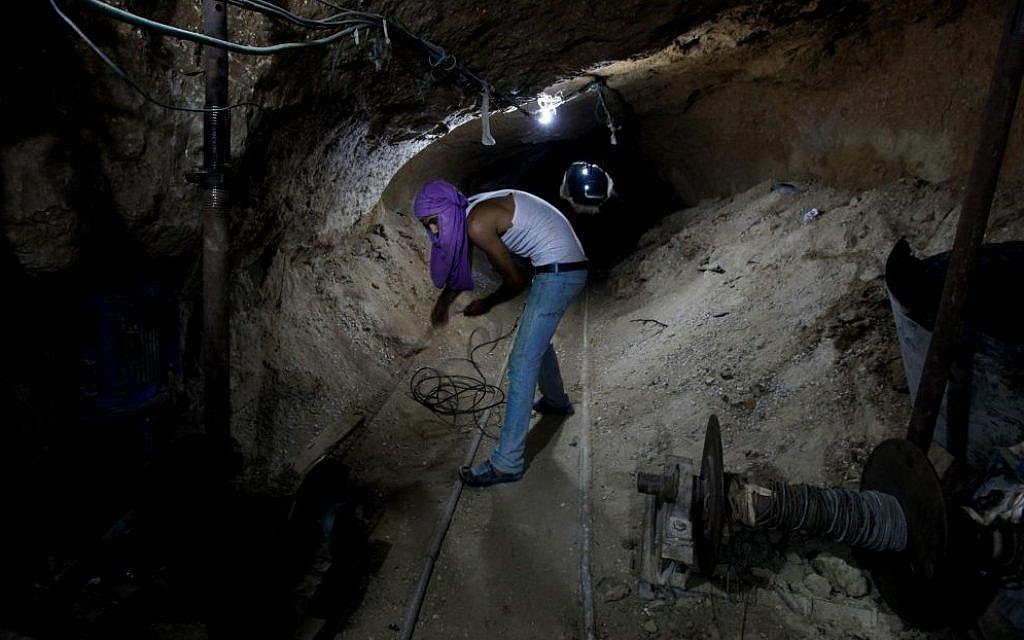
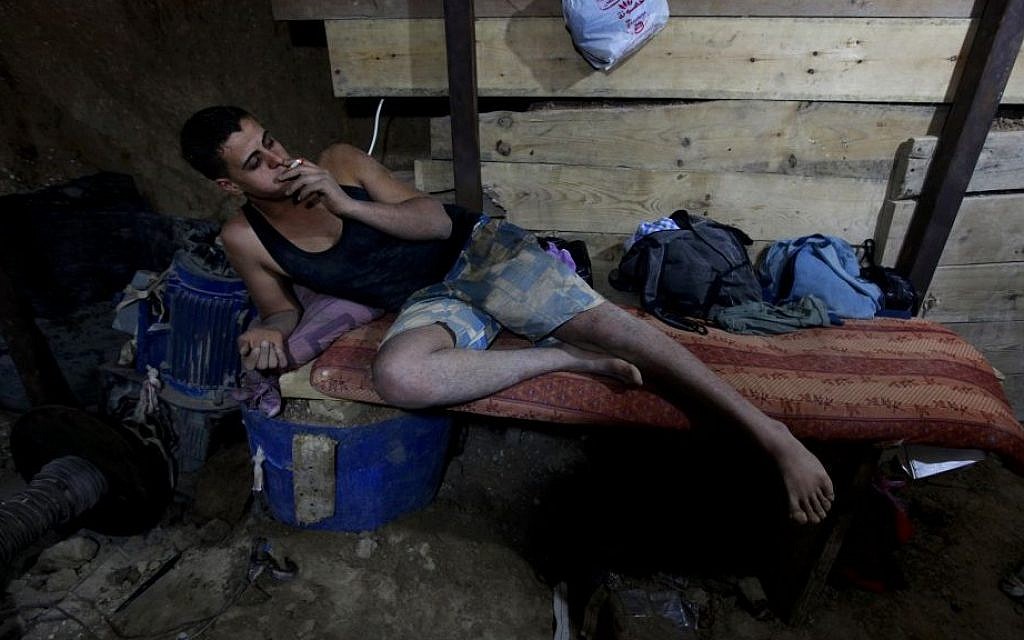
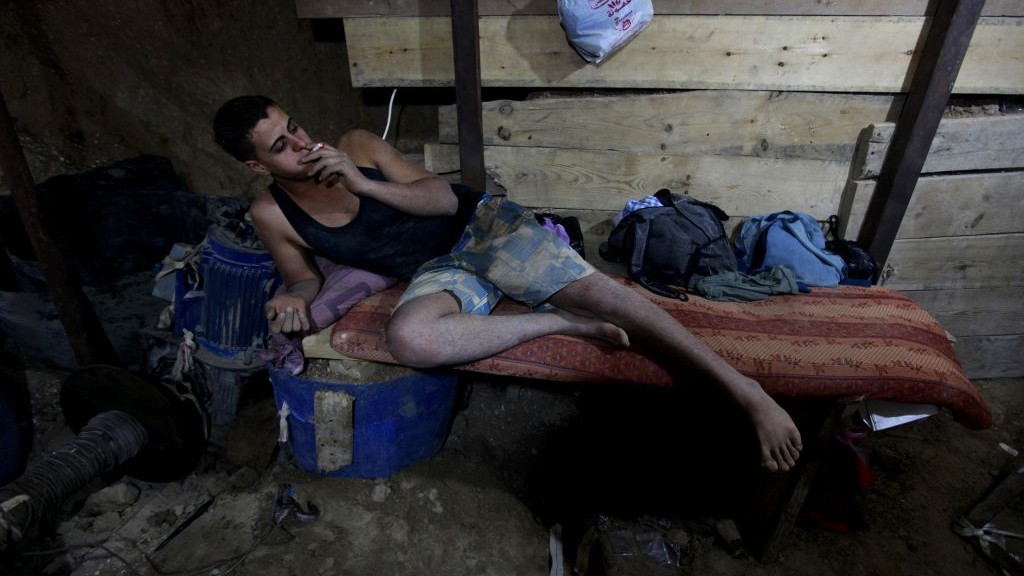
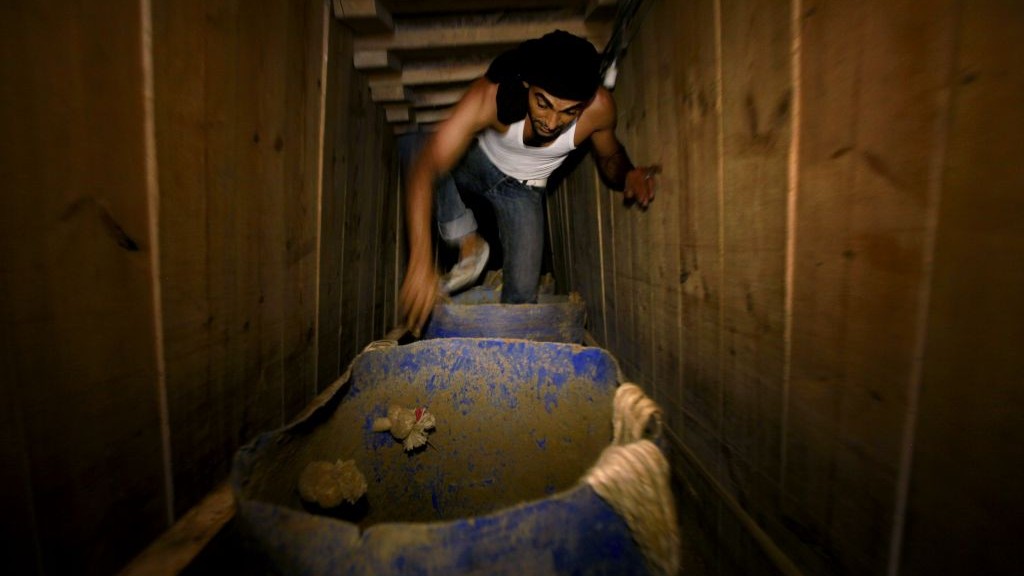
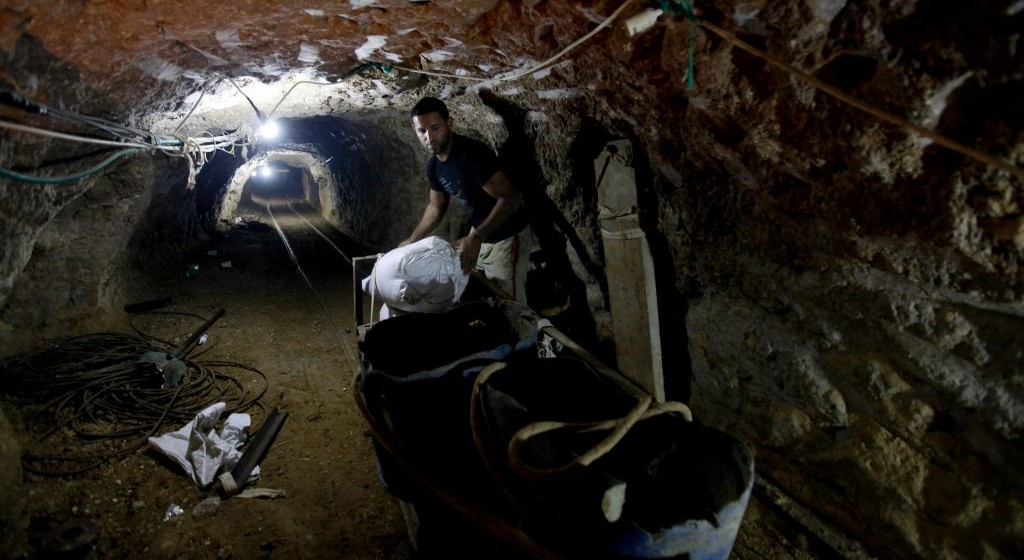
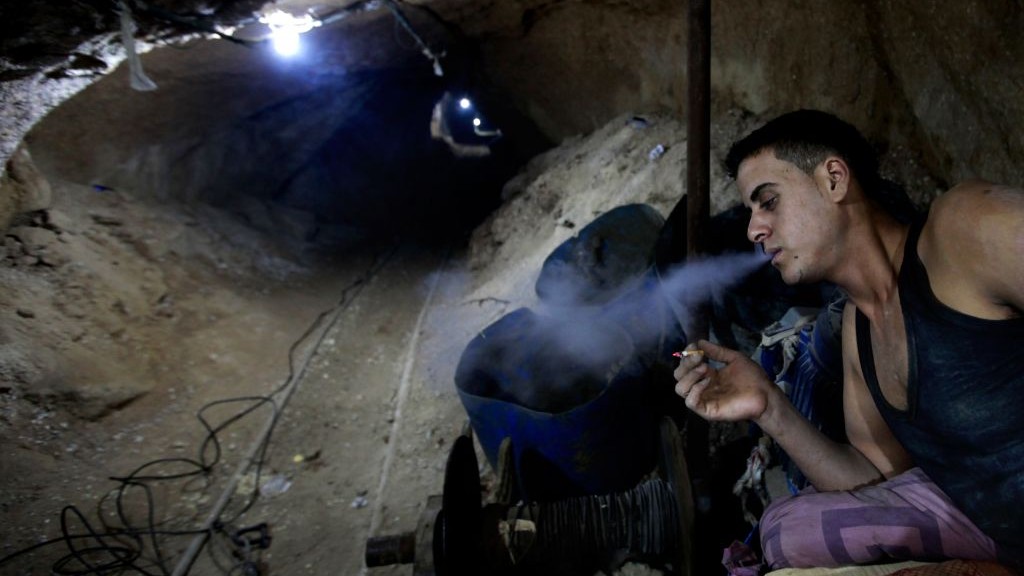
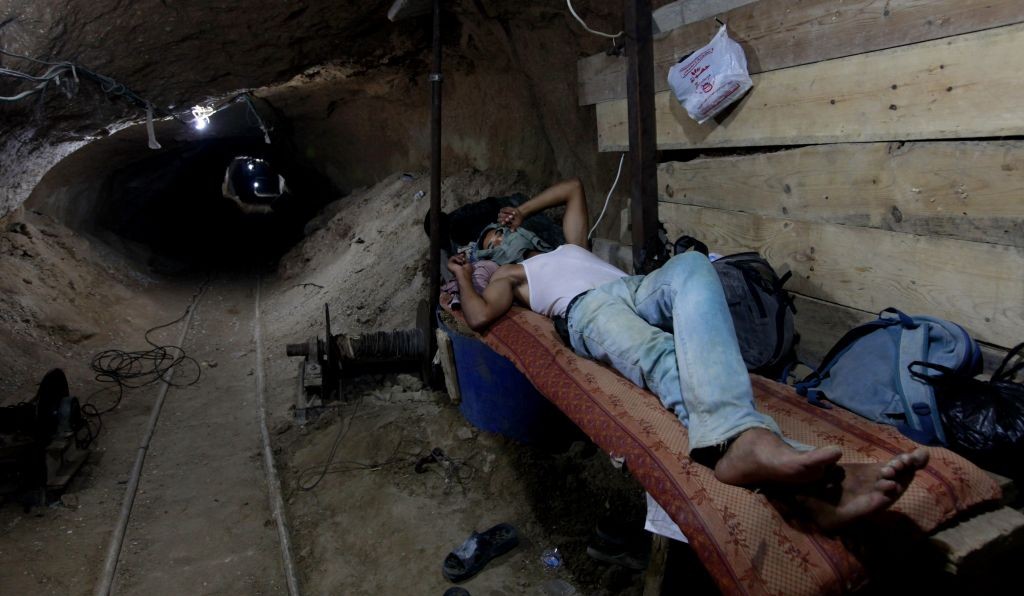
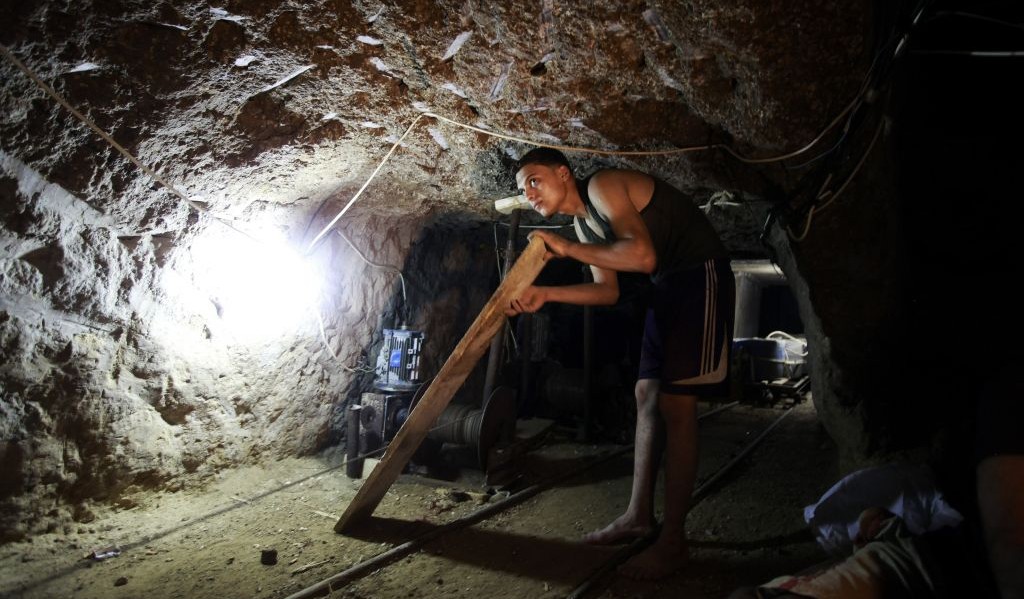
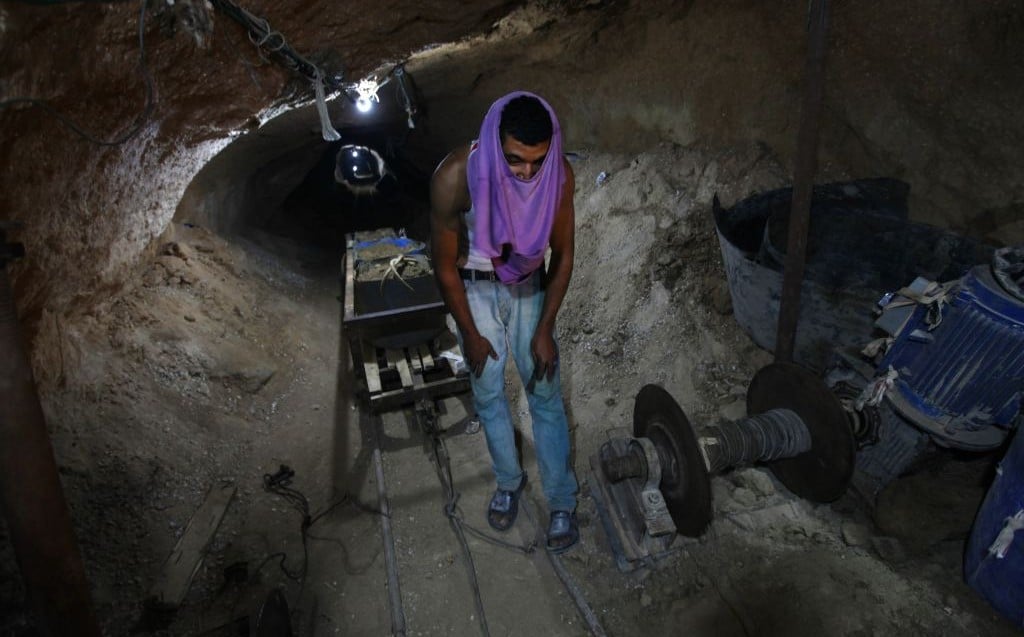
Some rest on cots in the dank underground pathways, stretching out for a smoke. Others pass the time cleaning the small carts on wheels that are normally pulled through the tunnels carrying cement or consumer goods from Egypt.
Since the summer, Egypt’s military has tried to destroy or seal off most of the smuggling tunnels under the Gaza-Egypt border, a consequence of the heightened tensions between Cairo and the Hamas government in Gaza.
In July, Egypt’s military brought down the country’s Islamist president, Mohammed Morsi, in a popularly-backed coup and cracked down on his Muslim Brotherhood movement. The military accused Hamas, the Palestinian branch of the Brotherhood, of fomenting unrest in Egypt and moved to shut down the border tunnels, citing security reasons.
The tunnels have served for years as a supply line for Gaza, home to some 1.7 million Palestinians.
-
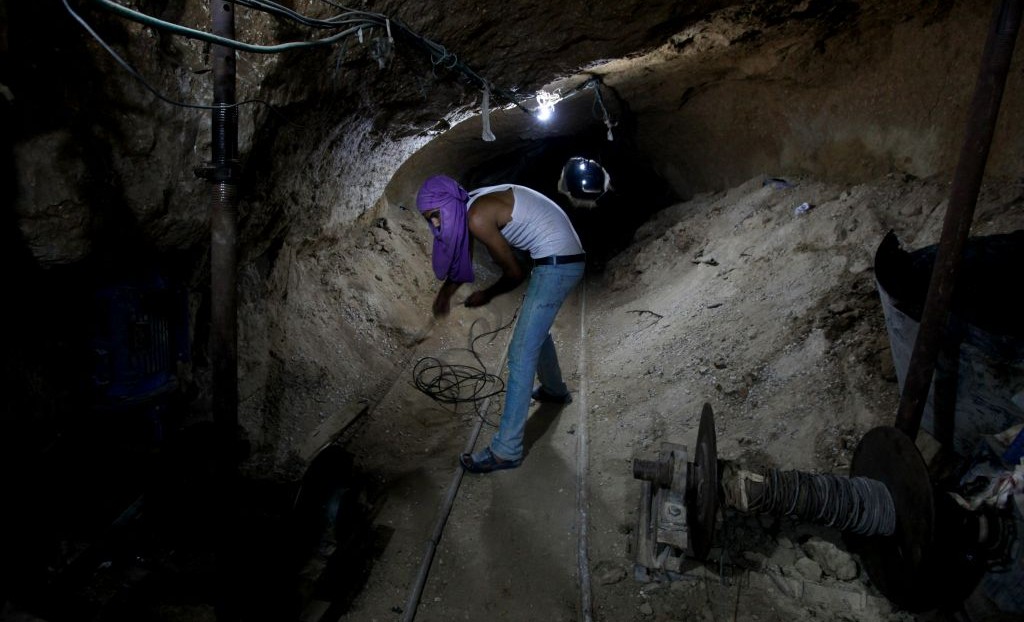
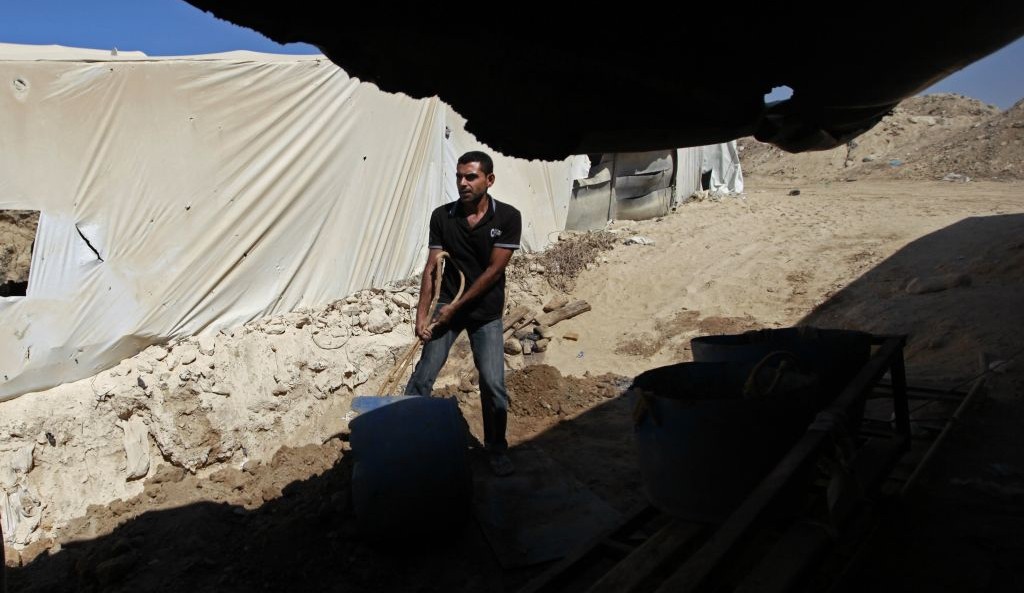
- Working in a Palestinian smuggling tunnel connecting Gaza and Egypt in 2013. (photo credit: Hatem Moussa/AP)
-

- Smoking in a smuggling tunnel connecting Gaza and Egypt (photo credit: Hatem Moussa/AP)
-
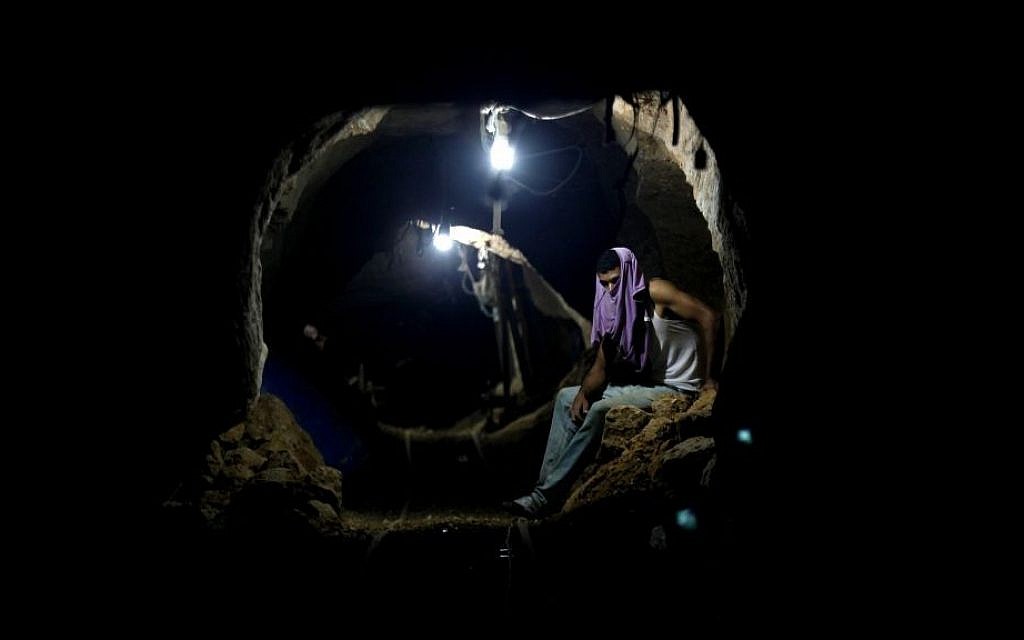
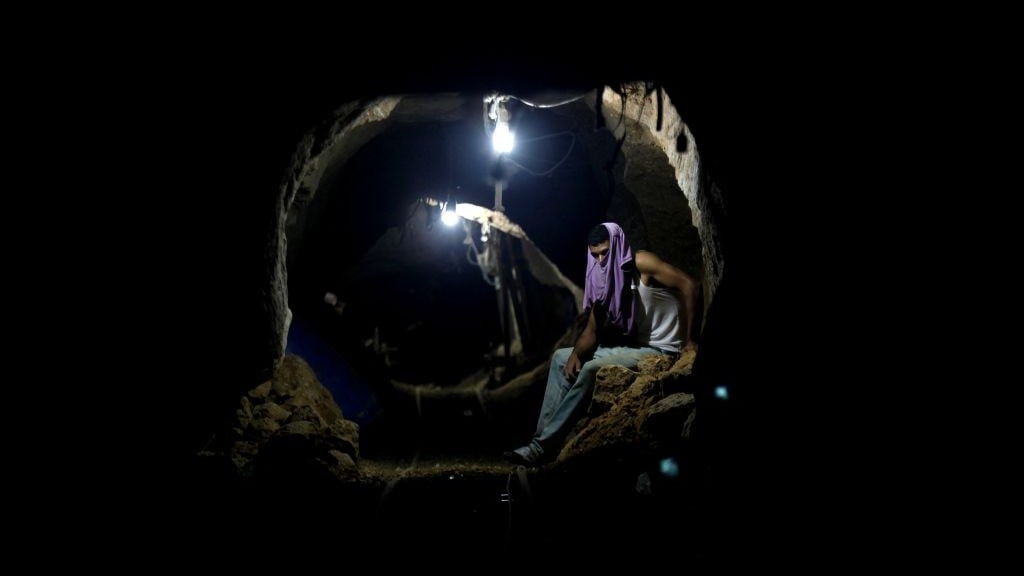
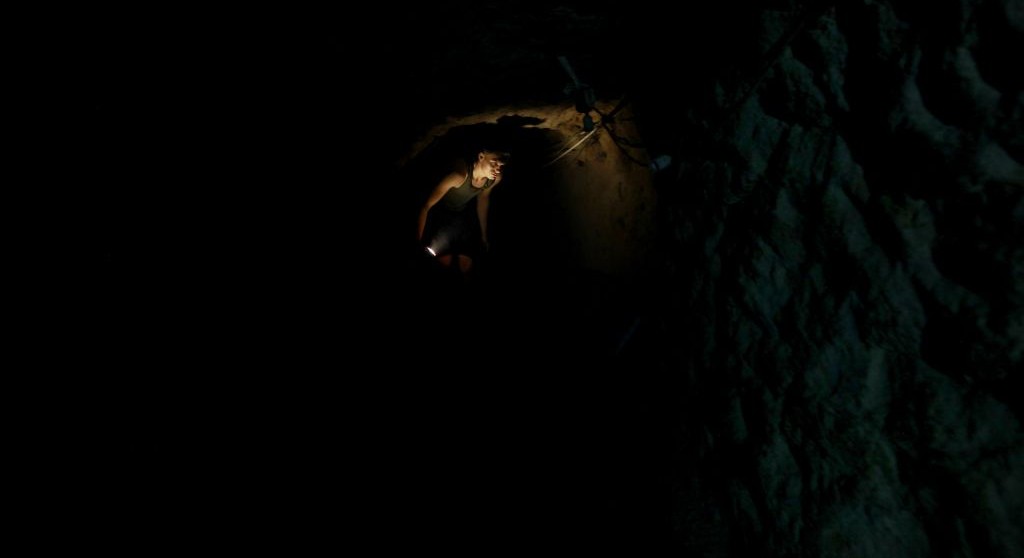
- A Palestinian sits in one of Gaza’s smuggling tunnels (photo credit: Hatem Moussa/AP)
They became particularly important after Hamas overran the territory in 2007, prompting Israel and Morsi’s Western-backed predecessor, Hosni Mubarak, to impose a border blockade.
Israel has eased the blockade in recent years, but still restricts the imports of some goods, including cement and steel rods. Until recently, the tunnels served as a conduit for such construction materials and for subsidized Egyptian fuel.
The tunnels once employed thousands of young men in Gaza. By early September, with most tunnels closed, only few tunnel workers reported to their jobs for maintenance work. Some mask their faces with shirts to avoid identification while working, for fear of repercussions in case they were to travel to Egypt in the future.
Some began digging new tunnels to replace the ones destroyed by the Egyptian security forces.
“We have no other alternative but to work in these tunnels,” said one of the workers, Hussam Rashwan. “They are the only crossing to bring needed goods to Gaza.”
From the Gaza side, some of the workers watched as bulldozers leveled an olive grove on the Egyptian side of the border, marked by a low wall. The Gazans said they’d learned from their Egyptian smuggling partners that the army had just destroyed a house built on top of a tunnel, and the bulldozers were now presumably clearing away any other cover where one could be hidden.
“Egypt treats us like an enemy,” said Asaad Najar, 46, a father of nine. He said he used to make between $30 and $40 a day, a good income for Gaza, but now earns nothing.
Here’s a gallery of Gaza tunnel images by AP photographer Hatem Moussa:
-
- A smuggling tunnel between Gaza and Egypt (photo credit: Hatem Moussa/AP)
-

- A Palestinian in one of Gaza’s smuggling tunnels (photo credit: Hatem Moussa/AP)
-
- A Palestinian in a smuggling tunnel connecting Gaza and Egypt (photo credit: Hatem Moussa/AP)
-
- A Palestinian smokes in one of Gaza’s smuggling tunnels (photo credit: Hatem Moussa/AP)
-
- A Palestinian in a smuggling tunnel (photo credit: Hatem Moussa/AP)
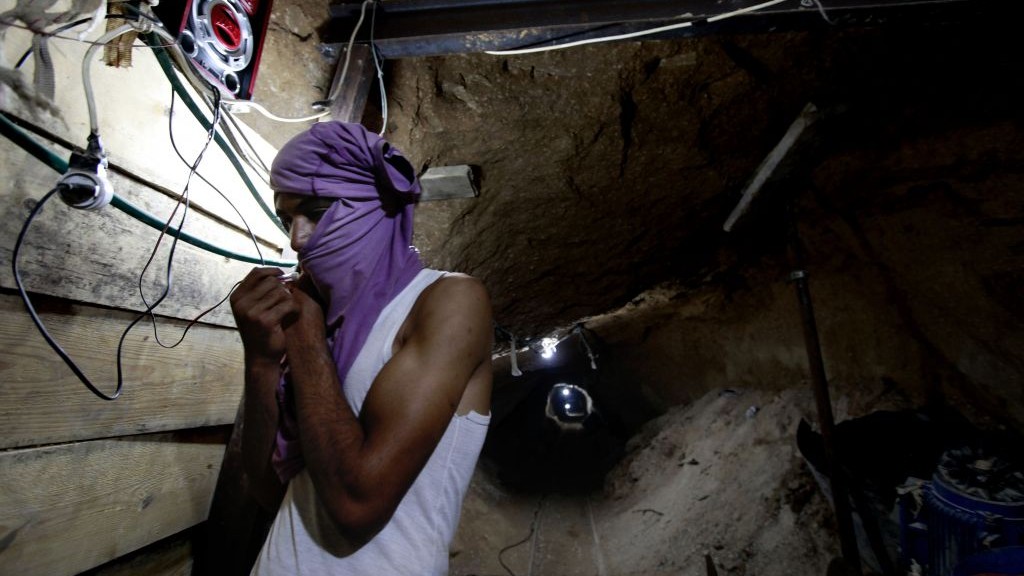
-
- A Palestinian rests in a smuggling tunnel connecting Gaza and Egypt (photo credit: Hatem Moussa/AP)
-
- Illustrative: Working in a smuggling tunnel between Gaza and Egypt (photo credit: Hatem Moussa/AP)
-
- A Palestinian smuggling tunnel (photo credit: AP/Hatem Moussa)
-
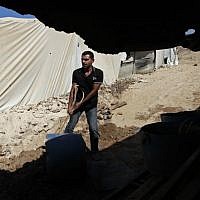
- A Palestinian works outside one of Gaza’s smuggling tunnels (photo credit: Hatem Moussa/AP)
Copyright 2013 The Associated Press







The Times of Israel Community.