

Bennett flew to UAE to consult with Emirati leadership on potential unity government — sources
UAE leader was careful not to express definitive opinion, but B’Yachad chair left with impression that Abu Dhabi backs coalition with Netanyahu; Bennett’s office says he doesn’t discuss internal politics with foreign leaders
 Add ToI as a Preferred Source on Google
Jacob Magid is The Times of Israel's US bureau chief

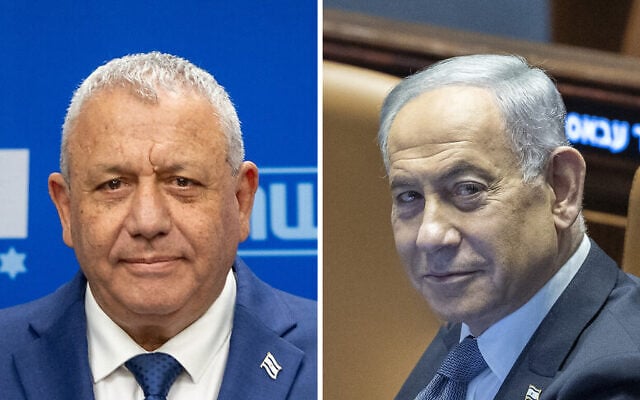
B’Yachad chairman Naftali Bennett flew to the United Arab Emirates last week in the middle of marathon coalition negotiations back home in order to receive feedback from the Emirati leadership on the idea of a unity government headed by Yashar chief Gadi Eisenkot and Prime Minister Benjamin Netanyahu, three sources familiar with the matter revealed to The Times of Israel.
The Emirati leadership was careful not to express a definitive opinion in their meetings with Bennett, but the B’Yachad chairman left Abu Dhabi with the impression that the UAE backs a unity government that includes Netanyahu, one of the sources said.
Bennett’s office did not confirm that the meeting took place, but stressed in a statement to The Times of Israel that the B’Yachad chairman does not discuss internal Israeli politics in his conversations with foreign leaders.
Following the inconclusive results in last month’s election in which his B’Yachad party received just 12 seats, Bennett has sought to distinguish himself from the other leaders of the Eisenkot bloc by pushing for a unity government with Netanyahu’s Likud that would initially be headed by the Yashar leader.
The conduct has frustrated other members of the anti-Netanyahu bloc, who believe the longtime premier cannot be trusted and genuinely is not interested in a unity government with Eisenkot.
Bennett has maintained a relationship with UAE President Mohammed bin Zayed since leaving office in 2022. The B’Yachad chairman was reportedly slated to travel to Abu Dhabi for a meeting with the Emirati leader in May, but it was scuttled after Netanyahu got wind of the plan and revealed that he himself had secretly met with Bin Zayed in the midst of the Iran war in March.
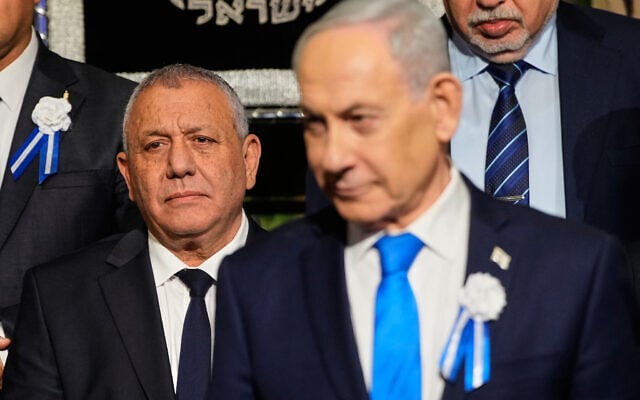
The revelation by Netanyahu infuriated the UAE, which has had a checkered relationship with the longtime Israeli prime minister. Abu Dhabi has taken particular issue with steps Netanyahu’s outgoing hardline government has taken toward annexing the West Bank.
However, the UAE and Israel have increasingly seen eye to eye on Iran, both at times pushing for more aggressive policies to combat the threats posed by the Islamic Republic.
This shared view could explain why the Emirati leadership did not come out against the idea of a unity government in Israel, including during the meeting with Bennett, according to one of the sources familiar with the meeting.

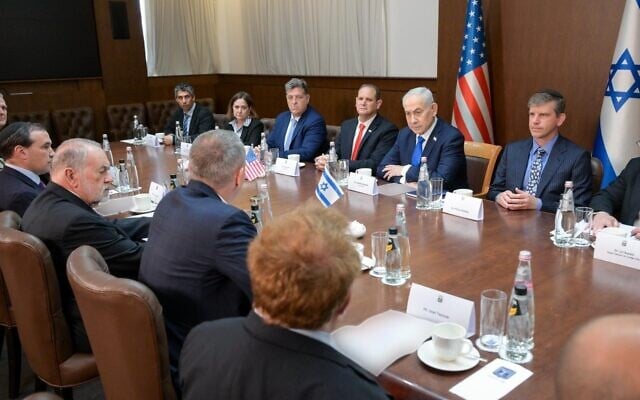
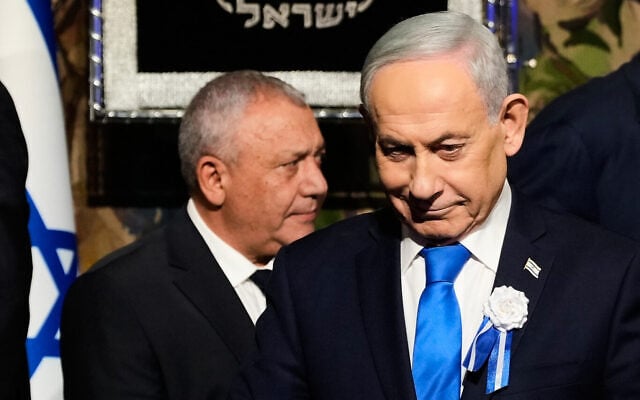
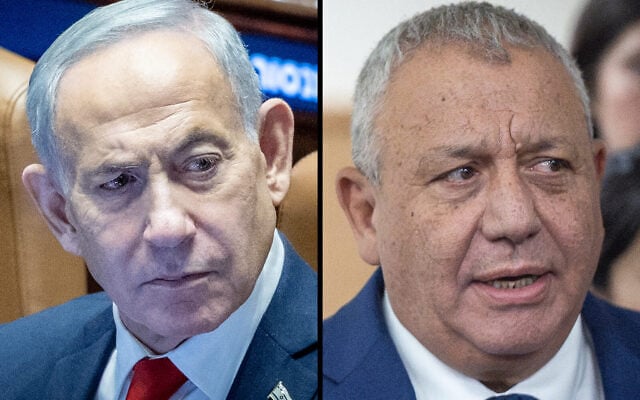
Eisenkot and Netanyahu met for some two hours on Sunday on a possible unity government, but their talks reportedly ended without progress and with no further meetings planned.
Unconfirmed reports said Eisenkot is aiming to swear in a narrow coalition, comprising the 48 MKs in his four-party “change bloc,” potentially also including or backed by the United Torah Judaism ultra-Orthodox party and the Arab party Ra’am. He has signed coalition deals with the change bloc’s Democrats and Yisrael Beytenu, and next aims to finalize a coalition agreement with Bennett.
Opponents of this framework argue that such a government would not last very long and would not be able to make far-reaching diplomatic and security-related decisions in order to avoid criticism from the opposition.
But Bennett has indicated readiness to enter such a coalition if efforts to establish a unity government do not pan out.
The UAE foreign ministry did not respond to a request for comment.





The Times of Israel Community.