

Damned if you vote, damned if you don’t: Despair a deciding factor in Arab turnout
Even generous forecasts cap neglected minority’s turnout at 50%, but Balad’s breakaway from Hadash-Ta’al offers those who refuse to cooperate with government a new political home
 Add ToI as a Preferred Source on Google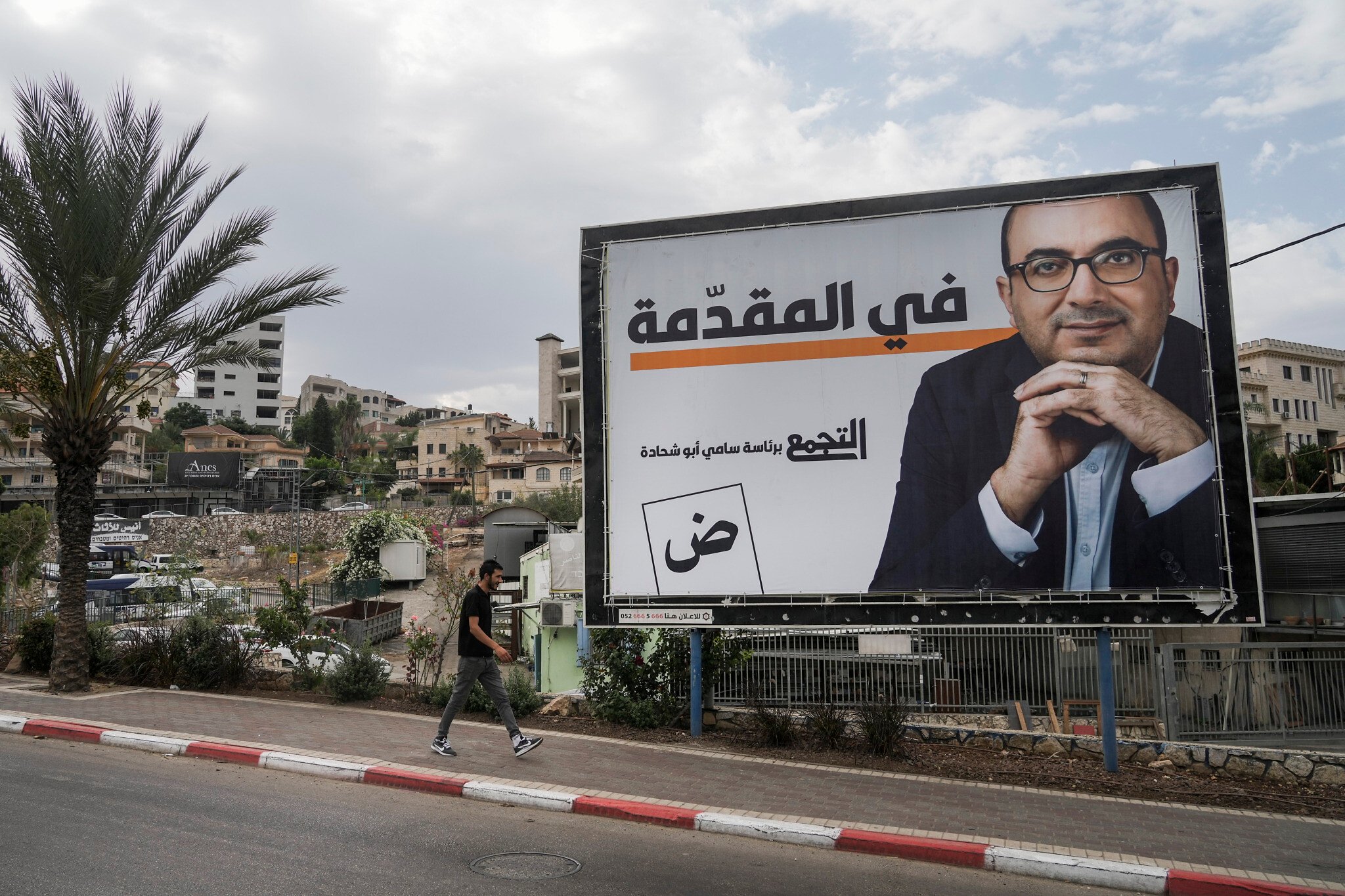
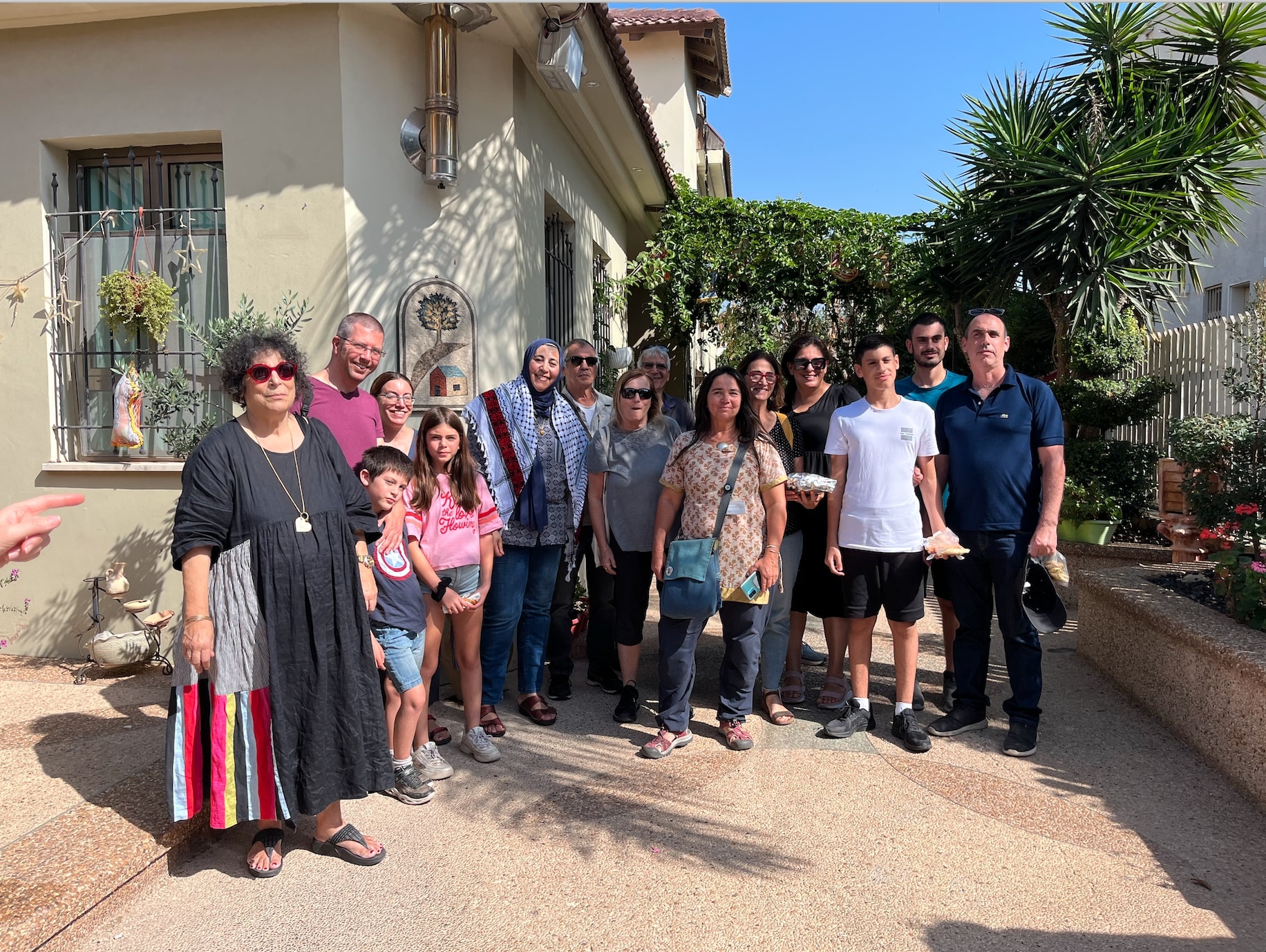
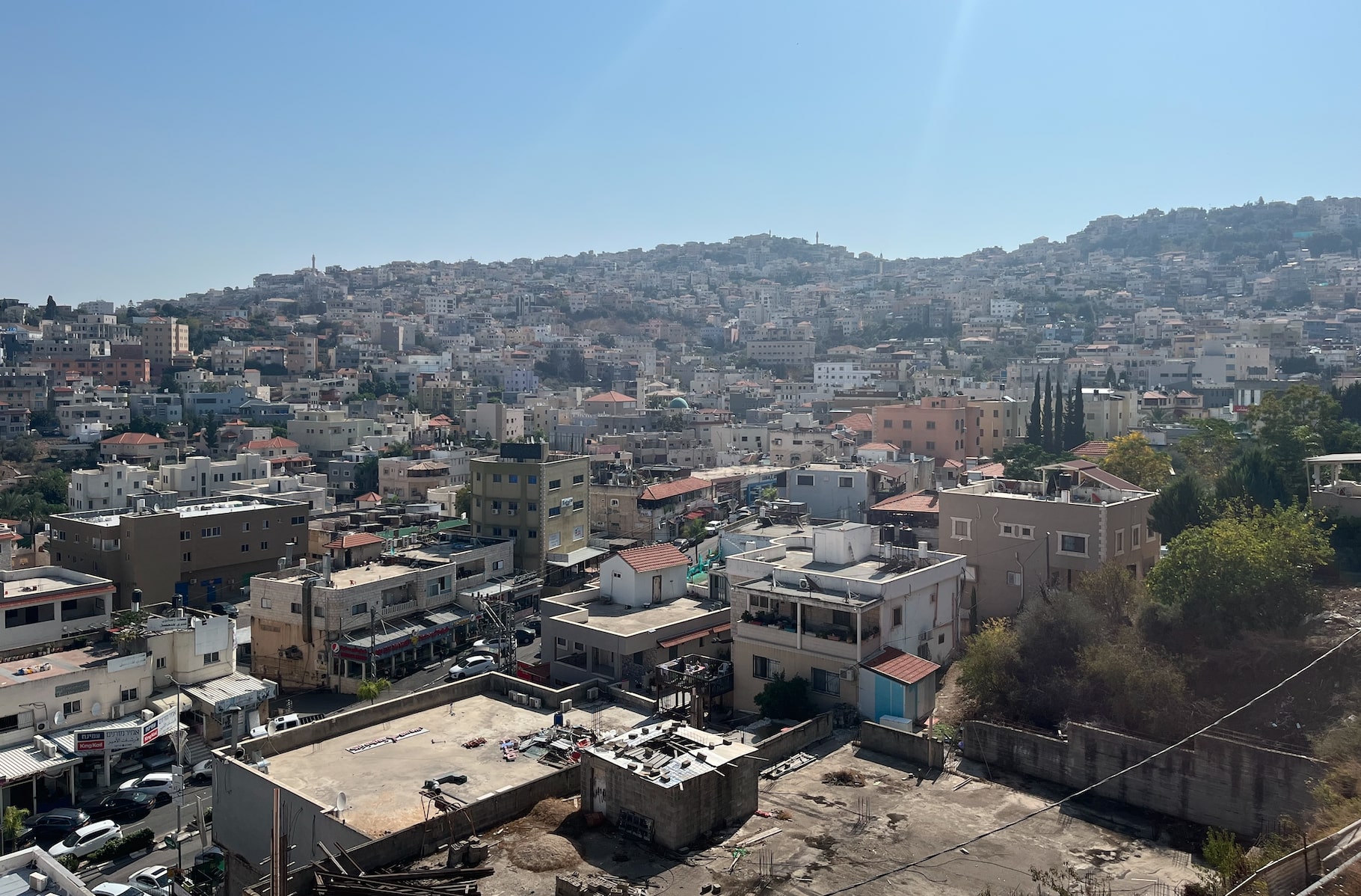
UMM AL-FAHM — The northern Arab town of Umm Al-Fahm hosted its first-ever tourism festival on Saturday, featuring art and cooking workshops, tours of the local art gallery and conversations over coffee with host families.
Hundreds of guests took part, and many didn’t have to travel far to attend, because the “tourists” were fellow Israeli citizens, albeit Jewish ones.
“We tend not to think much about our Arab neighbors until it’s time for elections, when we realize that they’re needed in order to prevent Netanyahu from returning,” said Tali Gan-Zvi, a self-described left-wing resident of Kiryat Tivon, some 18 miles north of Umm al-Fahm.
As it happened, the festival fell just three days before the Knesset election, and as a result, the retired social worker said many of her conversations with locals turned to politics.
“We as Jews really have no idea about the level of frustration and desperation here. It seems like those are the two main emotions guiding their decisions when they decide how and whether to vote,” she said on the shuttle ride leaving the festival, which crawled through the town’s narrow, winding and poorly paved streets.
In the previous election, less than a year and a half ago, just 33 percent of eligible voters cast ballots in Umm al-Fahm — 11 percentage points below the average for Arab towns and half the national turnout rate.
Part of the poor 2021 showing was attributed to the breakup of the majority-Arab Joint List alliance, which had received over 95% of votes in Umm al-Fahm in the previous two elections, when turnout was higher. This doesn’t bode well for Tuesday, when voting booths will hold ballot slips for three separate majority-Arab factions — the Islamist Ra’am, the communist/nationalist Hadash-Ta’al and the more hardline Balad.
Nonetheless, Umm al-Fahm native Yanal Jabarin speculated that turnout in the country’s second-largest Arab city will climb, albeit not necessarily in the way that many are expecting.
“There will still be many people here who won’t vote, but there’s a real chance that Balad will be the surprise of the elections, as lots of people young people and those who might normally vote for Hadash-Ta’al have shifted to Balad,” said Jabarin, who works as project coordinator at Sikkuy, an organization that promotes Arab-Jewish partnership.
Since splitting away from Hadash-Ta’al last month, Sami Abou Shahadeh’s Balad party has consistently polled below the electoral threshold of 3.25% of the national vote and is therefore not expected to have any seats in the Knesset.
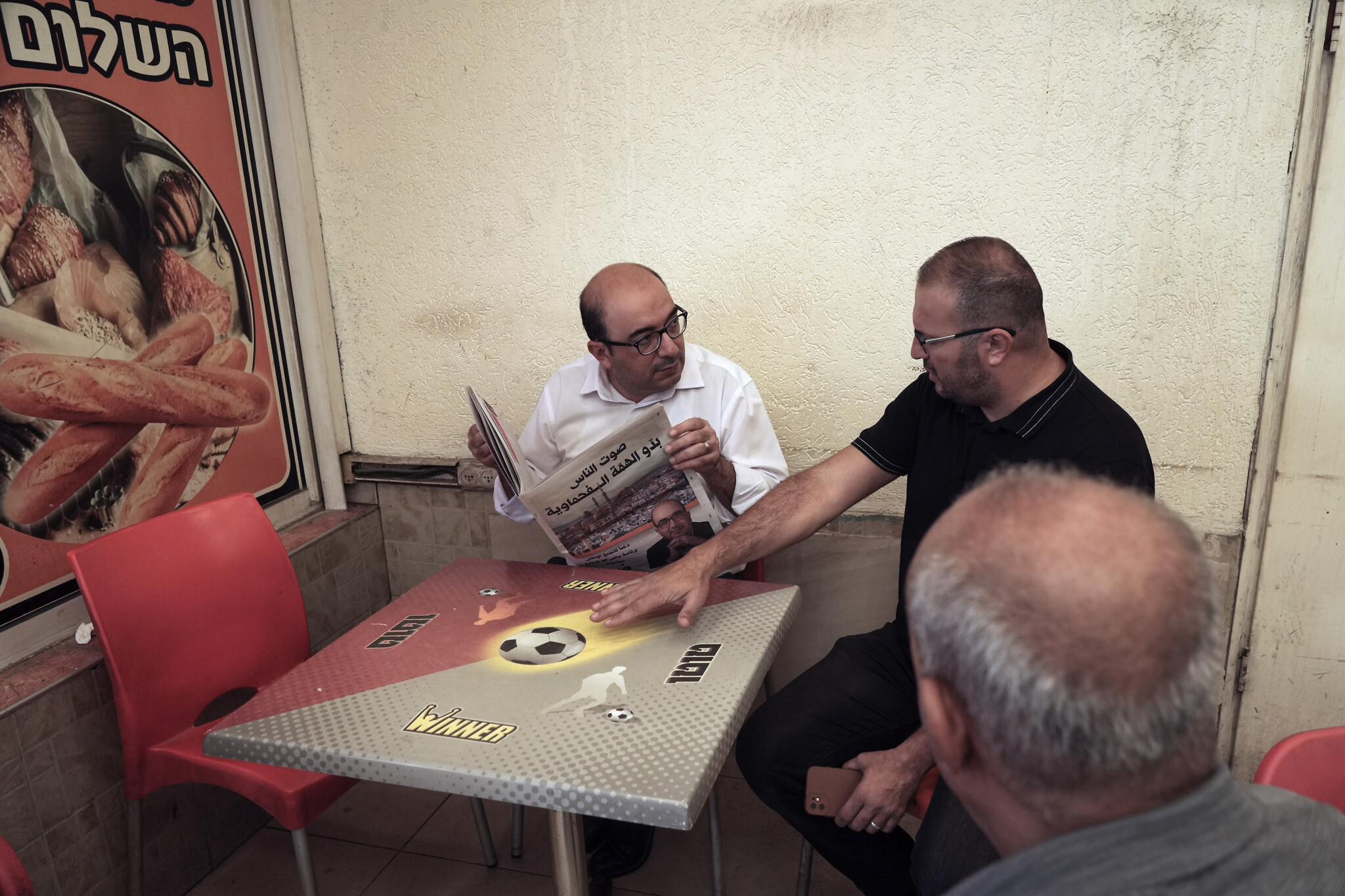
But one prominent pollster, who spoke on condition of anonymity because he is legally barred from publicly discussing his findings less than five days ahead of the election, said that Balad has been steadily approaching the threshold.
The pollster said their latest survey showed a rise in turnout to above 50% and that a bump of several more percentage points on election day would secure Balad’s entry into the Knesset.
Jabarin noted that Balad’s boost may come at the expense of Hadash-Ta’al, which polls have placed right above the electoral threshold along with Ra’am.
Fellow Umm al-Fahm residents appeared to agree, lamenting the lack of representation from their area in a realistic spot on Hadash-Ta’al’s slate.
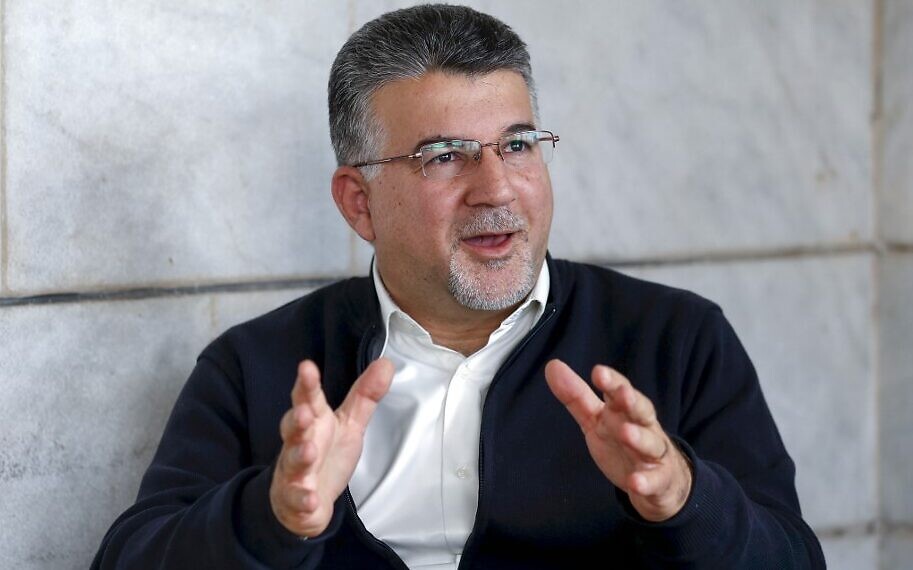
“We used to be able to say that we had a representative in the Knesset in Yousef Jabareen — someone known at the local, national and even international level; someone who put the problems of Arab society at the top of the agenda,” said Umm al-Fahm Deputy Mayor Tareq Abu Garur of the former Hadash MK, a fellow resident of the town who left parliament last year.
“If his name were on the slate, turnout for Hadash would be higher. People are saying this to his face,” Abu Garur added.
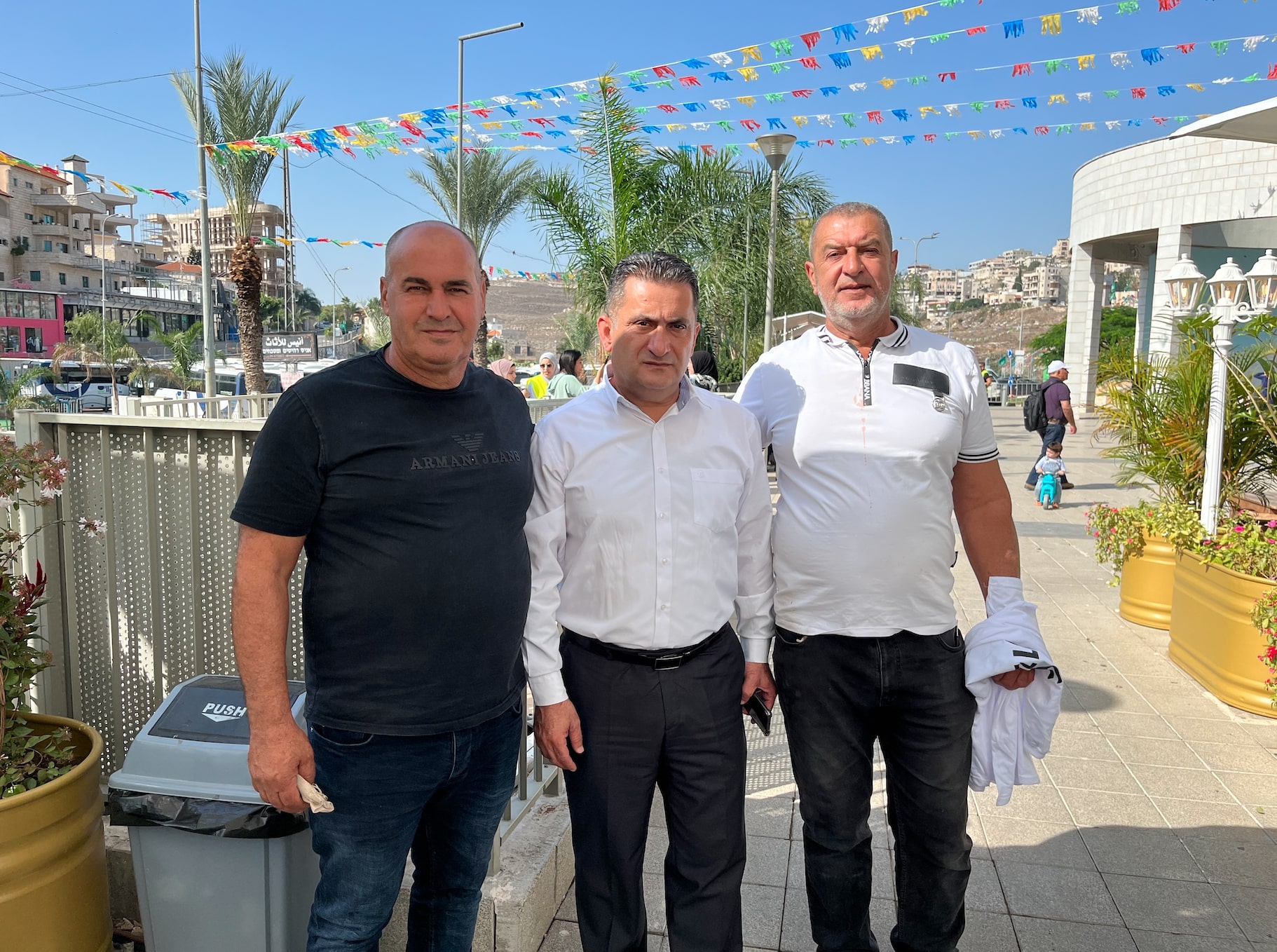
Two residents of Umm al-Fahem listening to the interview at the festival’s outdoor art market nodded in agreement.
“Because Yousef’s not there, I don’t want to vote at all,” said one of them.
Abu Garur said that despite the blow to the town’s representation in the Knesset, he was still urging residents to vote, no matter the party.
Hussein Mahameed — one of the two men listening who said he would be staying home since Yousef Jabareen isn’t on the Hadash-Ta’al list — was not convinced, lamenting that “for over 70 years, [the Arab parties] have been in the Knesset. What have they done except look out for their own interests?”
The deputy mayor pushed back, noting Ra’am and chairman Mansour Abbas’s decision to become the first independent Arab party to join the coalition last year. Abbas has argued that Arab parties have had little to show for their decades of service in the opposition and that addressing the long-neglected needs of their constituents requires prioritizing civilian matters over the Palestinian issue.
“Mansour Abbas has tried to get things done, and he is still attacked from every direction. So we need to decide what it is that we want,” Abu Garur said.
But to many in Umm al-Fahm, Abbas can boast only meager achievements in the coalition.
“So they connected a few homes [in Arab towns] to electricity,” Balad activist and Umm al-Fahm resident Ahmad Khalif said in reference to the Electricity Law passed earlier this year, which aims to connect thousands of wildcat homes in Arab towns to the national power grid.
“We want all of our homes to be connected,” Khalif said.
“Ra’am offers Band-Aids without actually addressing the problem, which is the entire racist system,” he continued. “Balad chairman Sami Abou Shahadeh is the one who actually recognizes this and calls it out.”
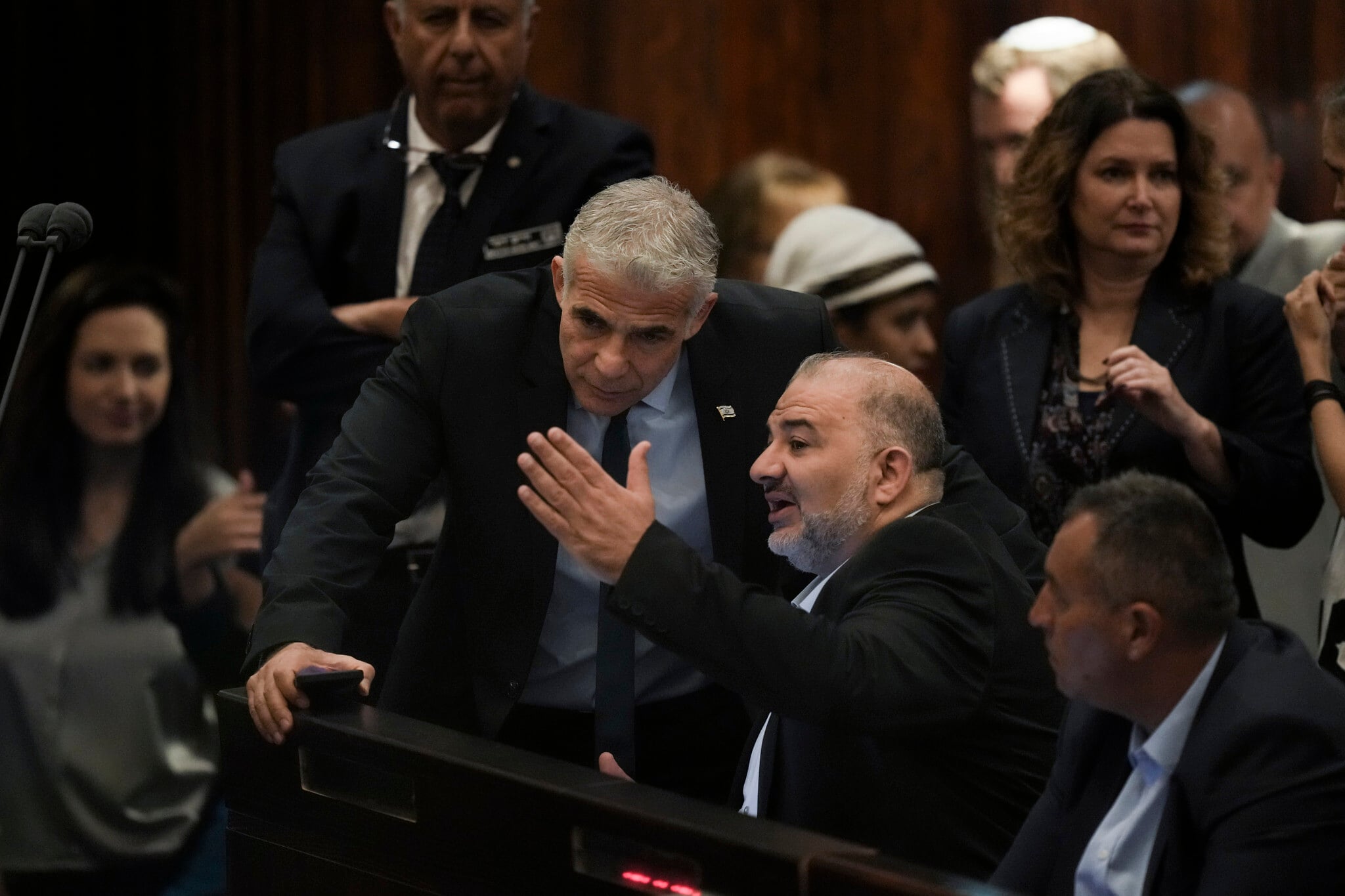
Unlike Ra’am’s Abbas, who has made clear that he would like to again be part of the coalition, and Hadash-Ta’al, whose leaders have indicated a willingness to do so as well if a resolution to the Palestinian issue is also addressed in parallel, Abou Shahadeh has insisted from the get-go that Balad will not be part of any coalition.
Sikkuy’s Yanal Jabarin noted that for Balad voters, that refusal is not disqualifying.
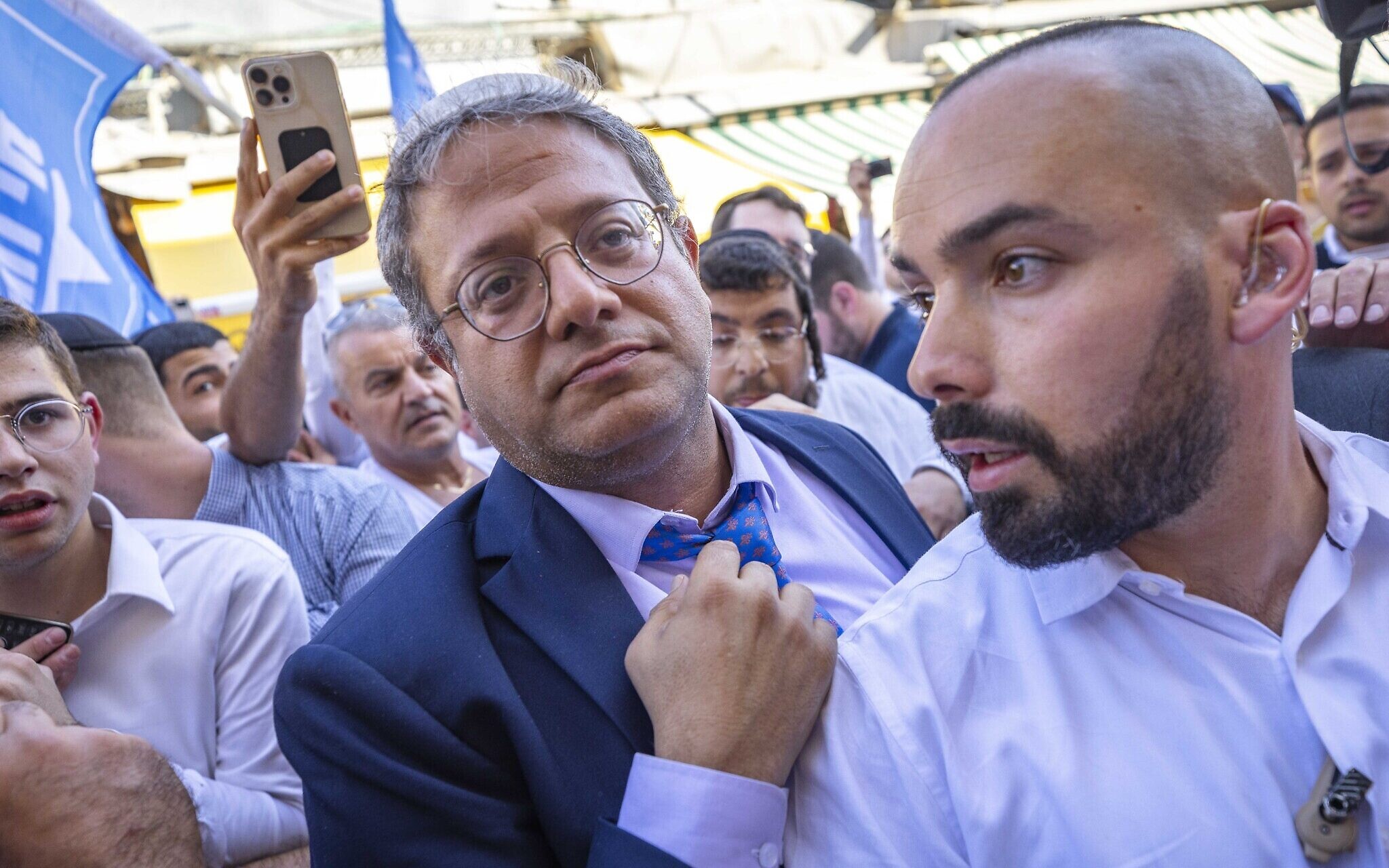
“What has [Religious Zionism MK Itamar] Ben Gvir actually managed to do?” he began. “He’s changed the discourse.”
“That’s what Sami Abou Shahadeh is offering as well.”
Wadea Awawdy, a reporter for the Arabic-languague Hala TV had a more cautioned approach to adjudicating Balad, arguing that the party lacked the infrastructure across the country to run an organized campaign after getting used to running alongside other parties every election since 2013.
“The society are very apathetic and it will only take rain on election day or another horrible [criminal incident] for people to decide against voting,” Awawdy said.
Jabarin said that Umm al-Fahm is home to supporters of all three parties.
“Those who care more about civilian issues and are perhaps more religious have Ra’am, those who prioritize the national issue have Balad, and the ones who want a balance have Hadash,” he said.
Nonetheless, many more residents fall into a fourth category that may turn out to be larger than all other three combined — those not planning to vote at all.
Khalif, the local Balad activist, said he was focusing his attention on convincing apathetic and on-the-fence residents, as opposed to ones who are “ideologically” opposed to casting ballots.
One of those ambivalent residents is Hizar Jabarin, 26, who was selling her needlepoint work at the outdoor art market.
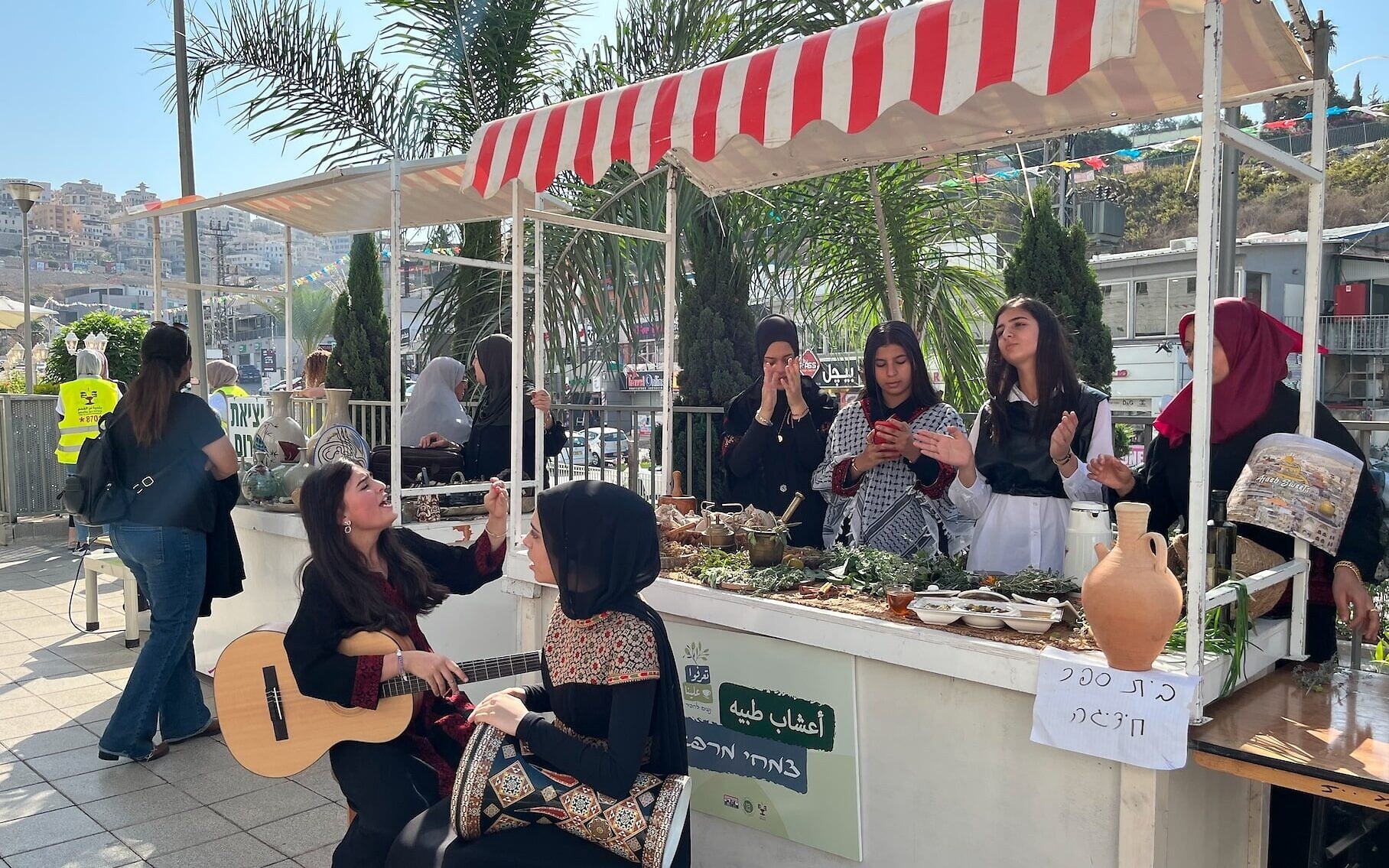
Speaking between sales, she said she was leaning against voting. “I only see the politicians during election campaigns. What do they do for me? Nothing,” she laughed.
“My friends are artists too. We don’t talk politics much, but most of them are not planning on voting either,” she said.
Others went further, characterizing their decision to stay away from the polls as a “boycott” and even working to convince their peers to follow suit.
One of those activists, who only agreed to speak to an Israeli news site on condition of anonymity, scoffed at the notion that the variously configured governments over the years have treated Arabs and Palestinians any differently.
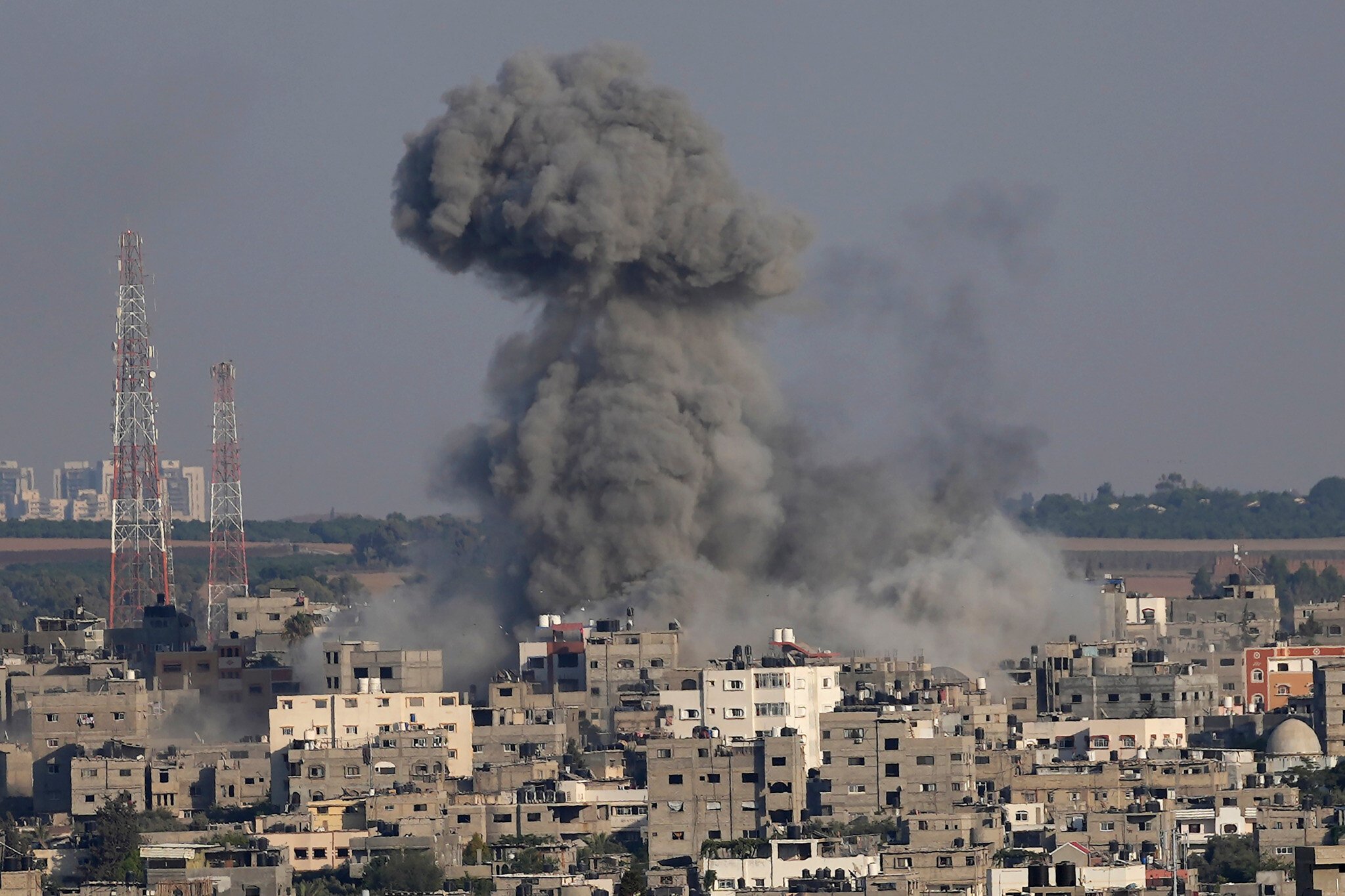
He pointed to a rise in home demolitions in the Negev during the outgoing government, which was seen as more moderate than the previous ones, and argued that “so-called left-wing governments” may be rhetorically more moderate on the Palestinian issue but are more hardline in practice, “because they have to look tough against the Arabs in order to gain legitimacy in the eyes of the Israeli public.”
Asked how Arab citizens can have their interests advanced without representatives from their communities in the Knesset, the boycott activist argued that the two are not connected.
“We refuse to take part in the Israeli political game that tries to put makeup on the face of Israeli apartheid,” he said. “What we think we should do is establish our own civil society organizations that will represent to the Israeli government as Palestinians indigenous to this land.”
Said Abu Shakra, who runs the Umm El Fahem Gallery, scoffed at the idea.
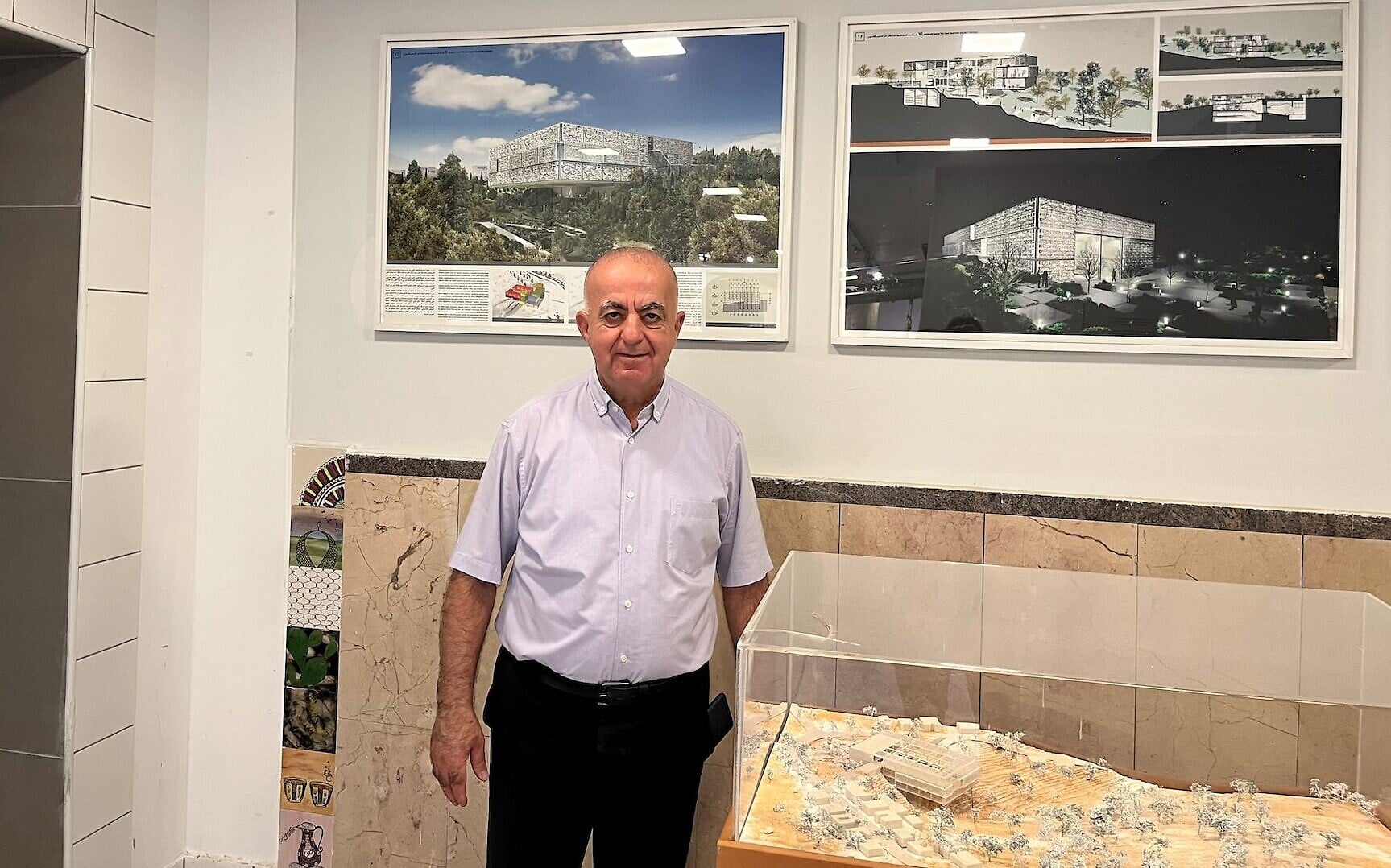
“What is this fantasy about an [extra-parliamentary] committee? You either take part or you’re on the outside,” he asserted during an interview in his office on the sidelines of the festival.
Abu Shakra admitted that Arab Israelis find themselves in a bind. “The left wants us to vote, not so it can take responsibility for what happens in Arab society afterward but so it can remain in power. As a result, the dialogue ends up being patronizing.”
He appeared to agree with the boycotting activist that the government that replaced the right-wing coalition led by Likud chairman Benjamin Netanyahu ended up advancing policies that were just as unpopular with Arab Israelis, if not more so. Crime in Arab communities is just as rampant, with the number of homicides on pace to again significantly exceed 100 this year; Israel launched another military operation in Gaza; and a record-high number of Jews visited the Temple Mount compound, where clashes have led police to again enter the al-Aqsa Mosque, Abu Shakra lamented.
“But despite it all, we must still vote,” he said. “It is our right to do so.”






The Times of Israel Community.