

Egyptian court sentences activist to 5 years
Separate controversial trial of two al-Jazeera journalists facing terrorism charges delayed for a month
 Add ToI as a Preferred Source on Google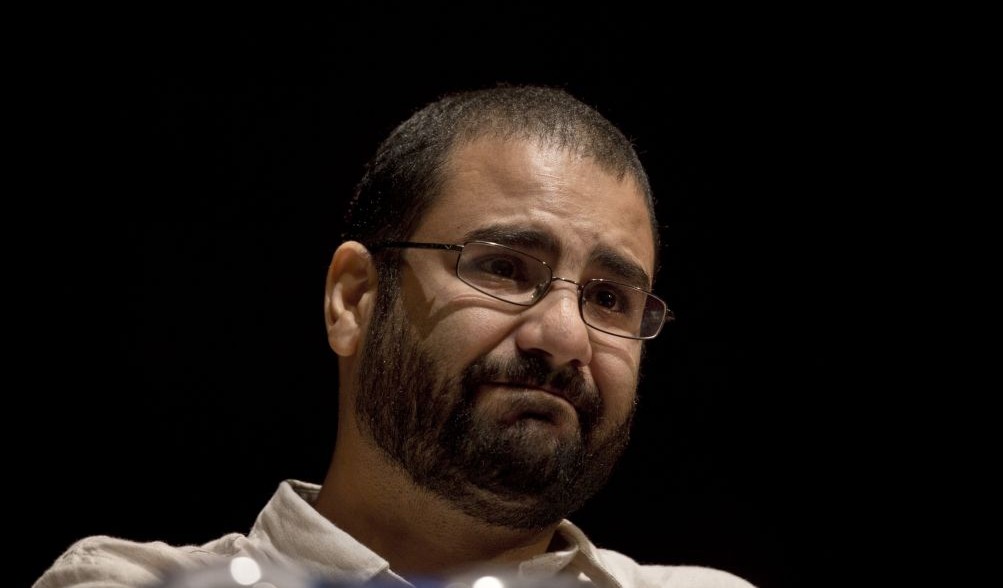
CAIRO — An Egyptian court sentenced an icon of the country’s 2011 revolt to five years in prison Monday, while the retrial of two al-Jazeera English journalists who face terror-related charges was postponed for a month.
The verdict came in the retrial of well-known activist Alaa Abdel-Fattah, who earlier received a 15-year prison sentence for taking part in an unauthorized protest and allegedly assaulting a police officer.
The courtroom erupted after the verdict, with some shouting: “Down with oppression!” One man collapsed in the gallery as Abdel-Fattah’s family and friends continued shouting. Police ultimately ordered everyone to clear the courtroom.
Abdel-Fattah is a prominent blogger who has been a vocal government critic. The charges against him stem largely from a law prohibiting protests in Egypt without prior government permission, a measure that came after the military overthrew Islamist president Mohammed Morsi in 2013. Activists and rights groups have criticized the law as a way to stop all dissent.
Abdel-Fattah previously said his trial, which includes 19 other defendants and five people being tried in absentia, was a farce. He has been on a hunger strike.
A robbery charge Abdel-Fattah faced was dropped. Ahmed Abdel-Rahman, another defendant on trial with him, received a five-year sentence as well, as the others charged received three-year sentences.
The sentencing came as the retrial of two al-Jazeera English journalists who face terror-related charges in a case widely criticized by human rights organizations and media groups was postponed to March 8.
The decision Monday came after a brief hearing for acting bureau chief Mohamed Fahmy and Egyptian producer Baher Mohammed. They were freed earlier this month to await trial, though they’ve had to check in with police each day.
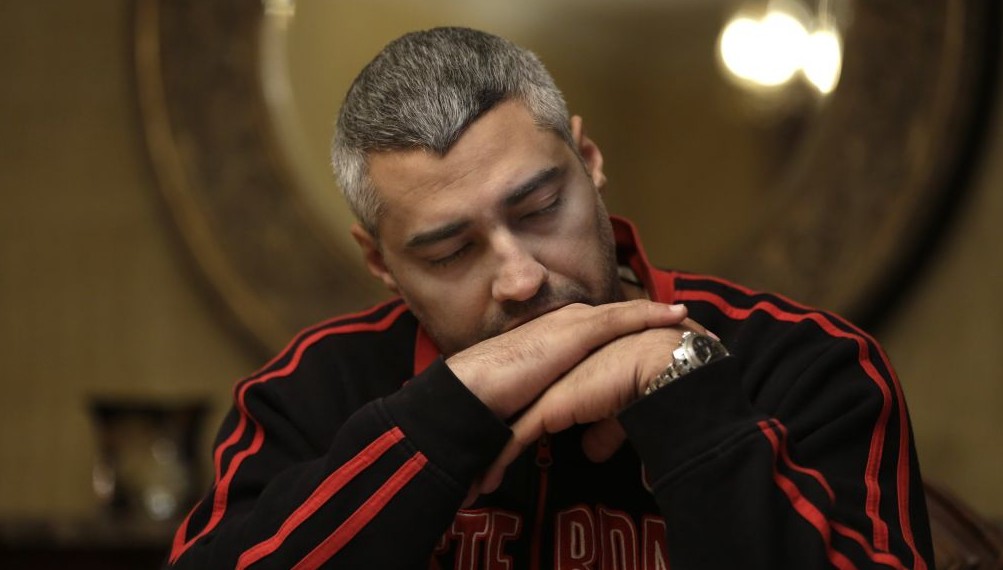
The two, arrested in December 2013, face charges accusing them of being part of a terrorist group and airing falsified footage intended to damage Egyptian national security. Satellite news network al-Jazeera is based in Qatar, which was the main backer of the outlawed Muslim Brotherhood group, of which toppled Islamist president Mohammed Morsi belonged.
Since Morsi’s ouster, Egypt has been cracking down heavily on his supporters, and the journalists were accused of being mouthpieces for the Brotherhood. Al-Jazeera and the journalists have denied the allegations, saying they were simply reporting the news.

Another colleague arrested with them, Australian Peter Greste, was deported to Australia on February 1 under a new law allowing foreigners accused of crimes to be deported. Fahmy, a dual Egyptian-Canadian national, dropped his Egyptian citizenship after he said Egyptian security officials told him it was the only way he would benefit from the new law.
Egypt’s Court of Cassation, the country’s highest appeals court, ordered the retrial, saying the initial proceedings were marred by violations of the defendants’ rights. Fahmy received a seven-year prison sentence, while Mohammed received a 10-year sentence.
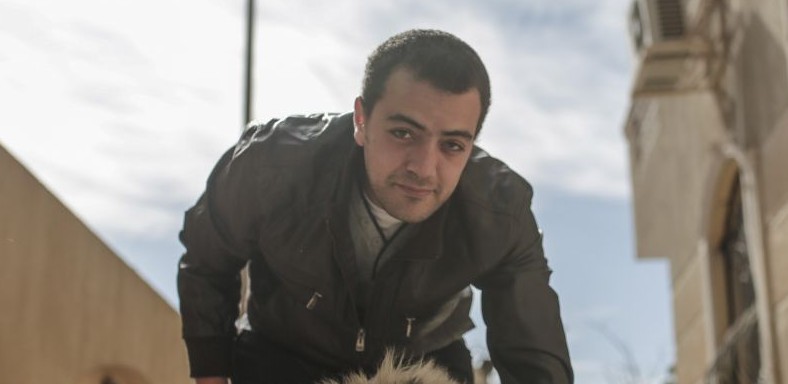
Eleven other defendants in the case — mostly students accused of being Brotherhood members — previously were ordered released without bail.
Since being released on bail, Fahmy, 40, has criticized al-Jazeera, saying its “epic negligence has made our situation harder, more difficult, and gave our captor more firepower.” Mohammed, 31, previously said he was “optimistic” about his retrial, though he “decided not to any expectations.”
There are at least nine other journalists in detention in Egypt. The Committee to Protect Journalists listed Egypt in 2014 as one of the 10 worst jailers of journalists in the world.






The Times of Israel Community.