

Greater proportion of non-Iranian ships crossing Strait of Hormuz, data shows
Singapore, UAE, South Korea and Norway-flagged ships transited waterway over the past week, monitors say, as Washington says Oman pledged not to participate in Iranian tolling
 Add ToI as a Preferred Source on Google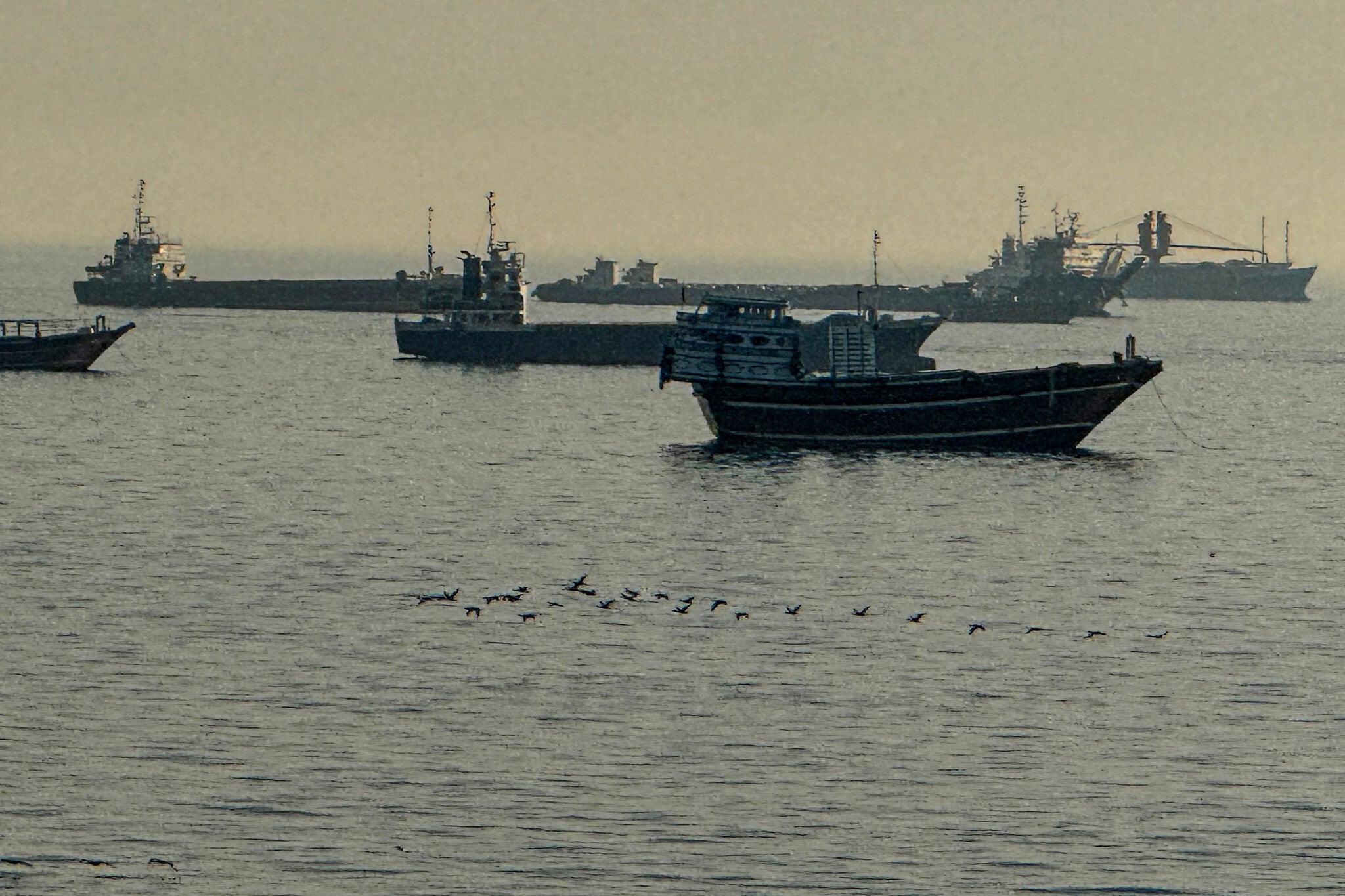
The proportion of vessels not linked to Iranian ownership that are transiting the Strait of Hormuz has risen, according to data from maritime firm Lloyd’s List Intelligence shared Thursday.
Iran has largely blockaded the waterway since the US and Israel attacked the Islamic Republic on February 28. The strait’s closure has prevented a large share of Gulf countries’ hydrocarbon exports, in turn harming the global economy.
“The last week we saw ships flagged with Singapore, UAE, South Korea, and also a Norway flagged-vessel going through the Gulf, specifically exiting,” said Bridget Diakun, an analyst at Lloyd’s List Intelligence.
Crossings by very large crude carriers not tied to Iran appear in particular to be picking up again.
Of the 27 recorded by analytics firm Kpler since the start of the conflict, more than half took place in May.
Five of these huge oil tankers meanwhile left the Gulf through the strait between May 20 and May 26.
Three of them — the Eagle Veracruz sailing under the Singaporean flag, as well as the Eagle Verona and the Yuan Gui Yang each flying the Chinese flag — have declared China as their destination.
Another ship, the Universal Winner, is heading to South Korea, whose flag it flies, while the Nissos Keros, flying the flag of the Marshall Islands, is headed for India.
China, South Korea, India and Japan have coordinated with the Iranian government to ensure safe passage, according to Lloyd’s List Intelligence.
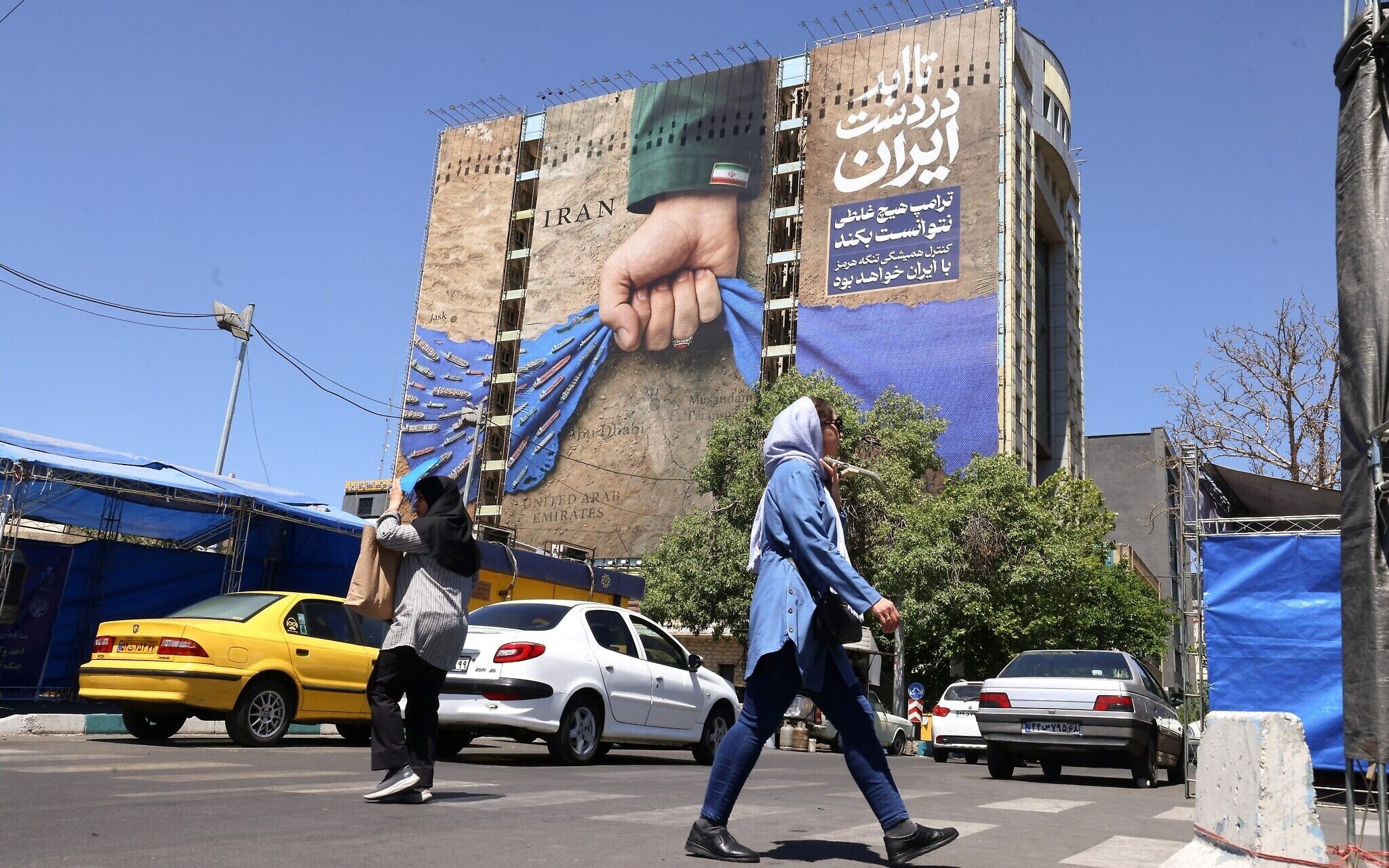
On May 18, Iran formalized the creation of the Persian Gulf Strait Authority to manage navigation in the Strait of Hormuz and collect transit fees.
The United States strongly opposes the new body, with the US Treasury on Wednesday announcing sanctions against the PGSA, while threatening similar action against anyone paying the fees.
Such retaliation risks reducing the number of ships exiting the strait in coordination with Iran.
Adding to the uncertainty, Iranian forces fired at four ships attempting to cross the Strait of Hormuz without authorization, prompting the US to strike southern Iran on Thursday.
The fighting, which also drew in US ally Kuwait, was the most significant since the start of a truce in April.

Oman offers US assurances after Trump threat
The United States warned Oman on Thursday not to get directly or indirectly involved in any effort to impose a toll in the Strait of Hormuz, saying it will penalize any partners involved in such a system.
“The United States Government will not tolerate any effort to impose a tolling system in the Strait of Hormuz,” US Treasury Secretary Scott Bessent said in a post on X.
“Oman, in particular, should know that the US Treasury will aggressively target any actors involved – directly or indirectly – in facilitating tolls for the Strait and any willing partners will be penalized,” Bessent added.
Shortly thereafter, Bessent told reporters he had spoken with Oman’s ambassador, and that Oman had assured the US there are no plans to toll the strait.
On Wednesday, US President Donald Trump had himself appeared to threaten Oman, a long-time mediator in the region.
“Oman will behave just like everybody else, or we’ll have to blow them up. They understand that, and they’ll be fine,” Trump said.









The Times of Israel Community.