

Israel lukewarm to Erdogan overture: ‘Ball is in Turkey’s court’
After Turkish president taks of normalization, Jerusalem notes Israel has apologized for 2010 naval raid, while Ankara continues to insist on ending Gaza blockade
 Add ToI as a Preferred Source on Google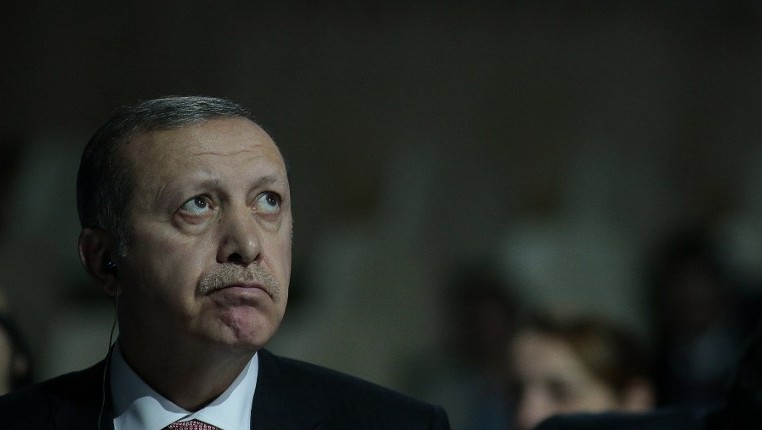
Israeli officials were decidedly cool Monday to Turkish President Recep Tayyip Erdogan’s talk of improved ties between the two governments.
Relations between the former allies have grown strained in recent years with the rise of Erdogan’s Islamic-oriented Justice and Development party to national leadership, and broke down almost completely after the 2010 Israeli naval raid on a Gaza-bound flotilla that killed 10 Turkish citizens aboard the ship Mavi Marmara. Turkey has become one of the most vociferous critics of Israeli policies toward Gaza, and reconciliation efforts between the two — including an apology by Prime Minister Benjamin Netanyahu in 2013 — have repeatedly failed to end the standoff.
But on a flight back from Turkmenistan after an official visit earlier this week, Erdogan told journalists that “normalization with Israel” was possible if the sides can reach a compensation deal for the raid’s victims — and if Israel lifts its part of the blockade against Palestinians. (Egypt also maintains its own blockade against the Hamas-ruled territory; the Israeli measure is designed to prevent Hamas importing weaponry.)
Erdogan’s words were reported by the Yeni Safak newspaper on Monday.
“We had three [conditions]: an apology — which happened; compensation [for the families of those killed in the raid] — which did not happen; and the lifting of the embargo on Palestine,” Yeni Safak quoted Erdogan as saying.
“If the compensation issue and the lifting of the embargo are achieved then we can enter a process of normalization.”
The response in Jerusalem Monday was tepid.
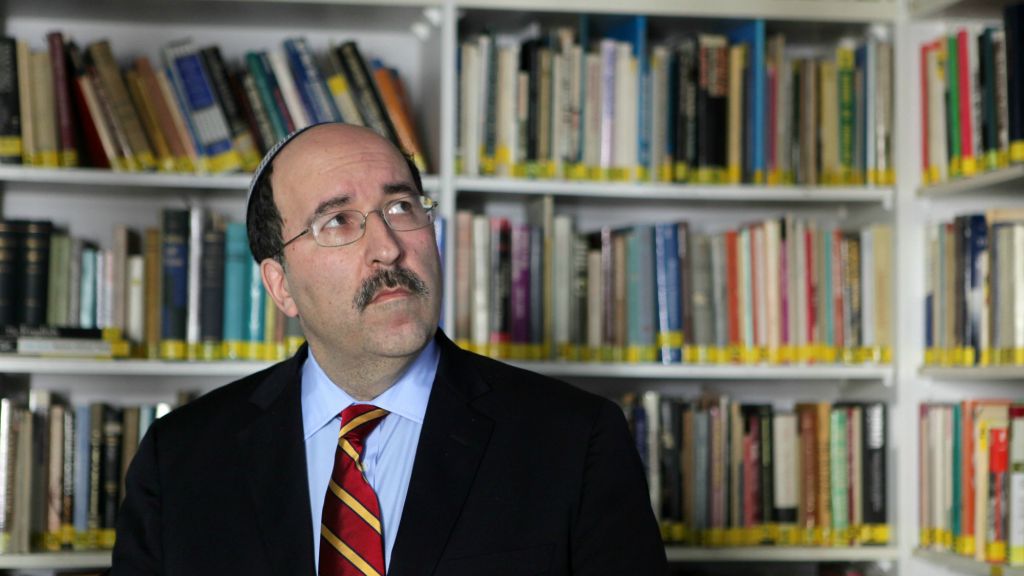
Foreign Ministry Director General Dore Gold issued a laconic statement in support of “stable” relations.
“Israel has always sought stable relations with Turkey and is constantly looking for ways how to get there,” Gold said.
Meanwhile, an unnamed senior official quoted by the Ynet news site was even less welcoming.
“The ball is in Turkey’s court. We’ve apologized, and we’re willing to pay money. [Erdogan] shouldn’t be silly about insisting on ending the blockade of Gaza, because Turkey knows this isn’t happening, and we don’t intend to pay any more for normalizing relations.”
Erdogan appeared to make a case for renewing strong ties between the two regional powers. “There is so much that we, Israel, Palestine and the region can gain from such a normalization process. The region is in need of this,” Erdogan said in the Yeni Safak report.
The conciliatory rhetoric appears to mark a strategic shift for Turkey. On November 30, Erdogan told an Israel Radio reporter in Paris that he thought he’d be able to “fix ties” with the Jewish state, but his security detail shoved the journalists away before the Turkish president could elaborate.
Yisrael Beytenu MK and former foreign minister Avigdor Liberman told Israel Radio Monday that Israel should not rush into any compromise. Even if an agreement on the Mavi Marmara incident was reached that satisfied the demands of the Turkish government, he noted, such a deal would not prevent lawsuits from being brought against the IDF soldiers who took part in the raid, seven of whom were wounded in the fighting that broke out aboard the Mavi Marmara after the soldiers boarded and were met with a violent response.
In the wake of that raid, Ankara expelled the Israeli ambassador.

Erdogan is a longstanding supporter of Hamas, the terrorist group that rules Gaza and openly seeks Israel’s destruction. The Turkish president has argued that Hamas is not a terror organization.
The shift in the Turkish position is being interpreted in Israel as an attempt to restore some of the relationships Ankara has seen ruined in recent years, particularly after the latest crisis in relations between Turkey and Russia after the downing of a Russian jet carrying out bombing operations in Syria.
Israel has also moved in recent years closer to Greece and Cyprus, who are historical opponents of Turkey, welcoming Greek PM Alexis Tsipras to Jerusalem last month and planning a summit between the premiers of Israel, Greece and Cyprus in the coming weeks that will focus on Israel’s natural gas reserves.
For Ankara, the gas question is a critical one. Israel may be a vital potential substitute for Russian gas imports that Turkey fears may be lost in the diplomatic fallout from the current crisis in Syria.
Energy Minister Yuval Steinitz linked Erdogan’s statements to the natural gas reform he is helping advance in a skeptical Knesset, and which was debated in the Knesset Economy Committee on Monday.
“I have no doubt that the Turkish president’s statement about his desire to improve relations with Israel is a result, among other things, of the developing gas framework, and of the recognition among countries in the region that in a few years it will be possible to purchase natural gas from the reserves that will be developed in Israel,” Steinitz said Monday.
“Together with the signals and messages we have received from states in the region in recent months, this is another example of the positive contribution the gas reserves are making to Israel’s diplomatic standing.”
Raphael Ahren contributed to this report.


- Israel & the Region
- Recep Tayyip Erdogan
- natural gas in Israel
- Mavi Marmara
- Turkish flotilla
- Gaza-Turkey relations
- Russia-Turkey relations
- normalization of ties with Turkey
- Benjamin Netanyahu
- Alexis Tsipras
- Yuval Steinitz
- Israel-Greece relations
- Israel-Cyprus relations
- natural gas export
- natural gas
- Israel-Turkey relations
The Times of Israel Community.