

Israel sees record passenger travel since Oct 7. as flight prices jump by up to 119%
Travel data shows airfares have soared by an average 61% since war with Hamas broke out in 2023; steepest increases seen in prices of service to Rome, Berlin and Amsterdam
 Add ToI as a Preferred Source on Google
Sharon Wrobel is a tech reporter for The Times of Israel
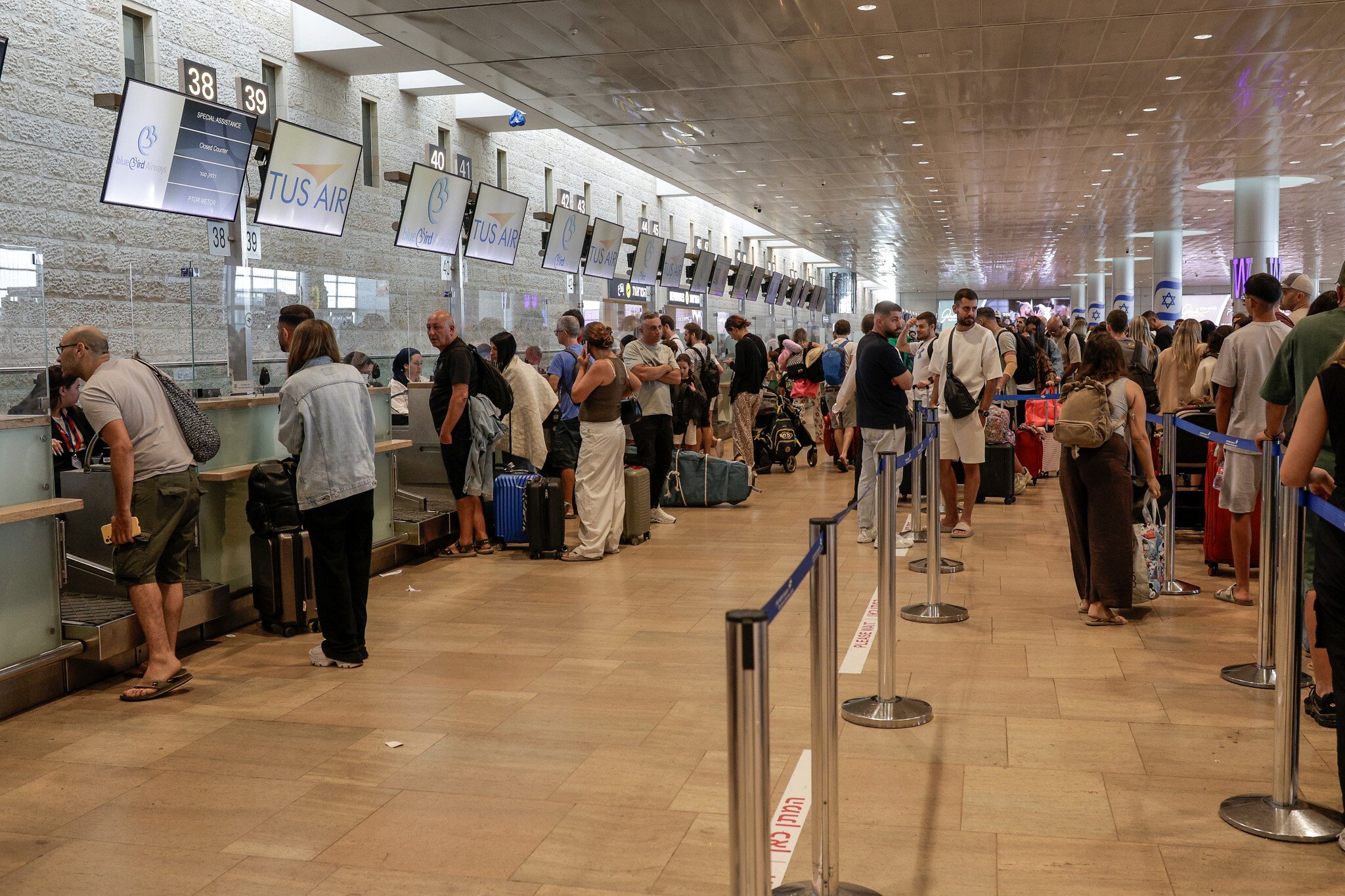
Despite sky-high airfares, Israelis are not giving up on their summer vacations, and Tel Aviv’s Ben Gurion Airport on Thursday was set to record the busiest day since the war broke out with the Hamas terror group on October 7, 2023.
Air passenger traffic passing through the airport has gradually been bouncing back to pre-war levels over the past month, during peak summer season, even as fares have soared as much as 119 percent over the past two years.
“High airfares have not deterred Israelis from booking overseas trips and securing their vacation,” Asaf Greenberg, marketing director at online travel company lastminute.co.il, told The Times of Israel. “The environment changed the behavior of Israeli travelers as they search for more attractive deals.”
“We are seeing a significant increase in demand for booking packages that combine a flight and a hotel together, which can save hundreds of dollars, in an era of fluctuating flight prices,” he added.
Greenberg said that Israeli tourism has been experiencing a dramatic recovery since July, with peak demand for summer vacations after a two-week lull in June due to the war with Iran. Since air travel restrictions were lifted at the end of June, Israelis have been booking vacations at a fast pace, mostly to nearby destinations, he noted.
As summer travel reaches peak season, almost 86,000 passengers were expected to pass through Ben Gurion Airport on Thursday, the highest number of travelers in a single day since before the war broke out with the Hamas terror group some 22 months ago, according to data by the Israel Airports Authority. Some 43,700 travelers were expected to depart on international flights, while 42,100 others were forecast to arrive from inbound flights at the airport. It would mark the highest daily total since summer 2023, when passenger traffic recovered to pre-pandemic levels.

This summer is shaping up to be the most expensive in recent years for Israeli travelers amid high demand, a renewed sense of stabilization in the security situation following the end of the Iran conflict, and a sluggish return of foreign carriers to Israel.
August is slated to be the busiest month since October 2023 for passenger traffic, with Ben Gurion Airport expected to handle 2.1 million passengers. This is still down from the 2.8 million passengers recorded in August 2023 before the war, but higher than the 1.6 million who passed through the airport during the same period last year.
While a group of foreign airlines has resumed their flight operations, albeit at lower frequencies, and Israeli airlines have geared up to fill the gap by adding routes and frequencies, it is not enough to meet the steep increase in demand, according to Greenberg. Meanwhile, limited seat availability has continued to drive up the cost of airfares and vacation packages.
Prices for tickets to fly out of Tel Aviv in July were on average about 61 percent higher than during the summer period two years ago, before the outbreak of war, according to data compiled by lastminute.co.il. According to the data — based on millions of searches and reservations — the most expensive destination is Rome, showing a staggering flight price ticket increase of 119%, from an average $259 two years ago to an average $567 in July this year.
The two second-most expensive cities for Israeli travelers are Amsterdam and Berlin, with an average 90% surge in ticket prices each over the same period. Fares to Bucharest jumped by an average 83%, and by 75% each to Budapest and Tbilisi over the past two years. Flight prices to Bangkok — a key Asian destination for Israelis — soared by about 57% compared to 2023.
Israelis have been contending with travel disruptions and fare increases since the outbreak of the war, as most foreign airlines have repeatedly canceled and resumed their flights to and from Tel Aviv, leaving Israel’s connection to the outside world largely in the hands of a few local carriers — El Al, Israir, and Arkia.
Ben Gurion Airport returned to full operation at the end of June after Israeli airspace was largely closed during the 12 days of conflict with Iran in that month. In the wake of the Israeli strikes on Iran that began June 13 and barrages of ballistic missiles directed at Israel, most major European and US airlines either stopped their flights or extended the suspension of already frozen routes through July or August — some until September or October.
The flood of flight cancellations by European and global airlines at the time left thousands of Israelis scrambling to find new flights, make alternative travel plans at a far higher cost, or shelve their vacation plans.
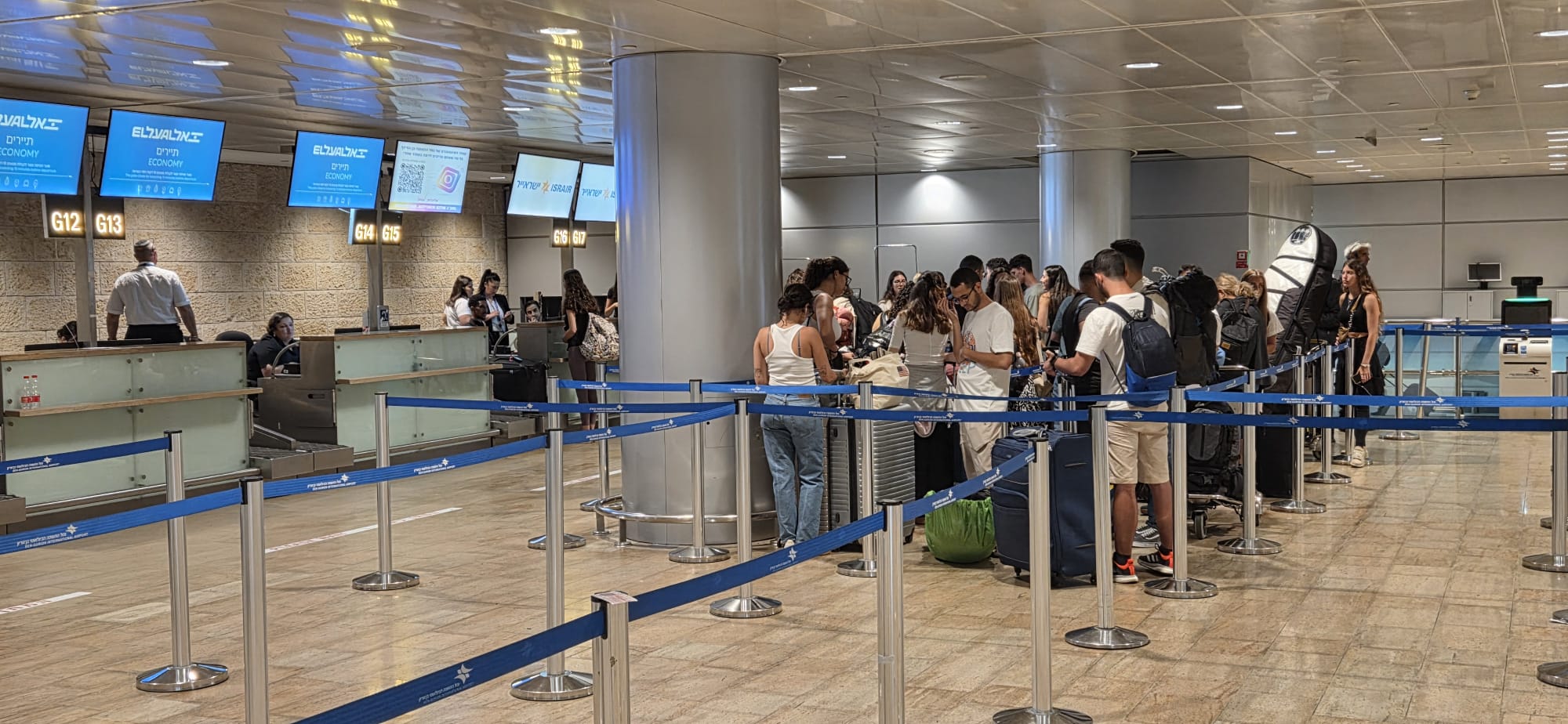
Greenberg said that since the reopening of Israel’s airspace, Israelis rushed to book family vacations, which accounted for 33% of all bookings in July, with couples making up 35% and individuals 32%. The vast majority, or 79% of the bookings, were for short-haul flights to popular destinations in Greece, Cyprus and Hungary.
The preference to fly with Israeli airlines, which continued flight services throughout most of the war period, was particularly prominent, comprising 88% of total bookings in July.
During July, Israeli airlines carried 1,159,535 passengers, or 69.26% of all travelers passing through Ben Gurion Airport, an increase of 22.44% relative to the previous July, according to data by the Israel Airports Authority.
“Although foreign airlines, including Lufthansa, LOT and Wizz Air, are gradually planning to resume or are returning to Israel, not all have, and we are still not seeing a decline in prices, due to the great demand from Israelis for vacations,” said Greenberg. “Price relief if it comes is expected to be only moderate and prices will remain high relative to previous years until at least September and October.”









The Times of Israel Community.