

Jews in Ethiopia yearn for life in Israel, as cemeteries fill and family beckons
Community members frustrated by endless bureaucratic hurdles holding up their immigration: ‘I hope Israel takes some responsibility before all of us die here’
 Add ToI as a Preferred Source on Google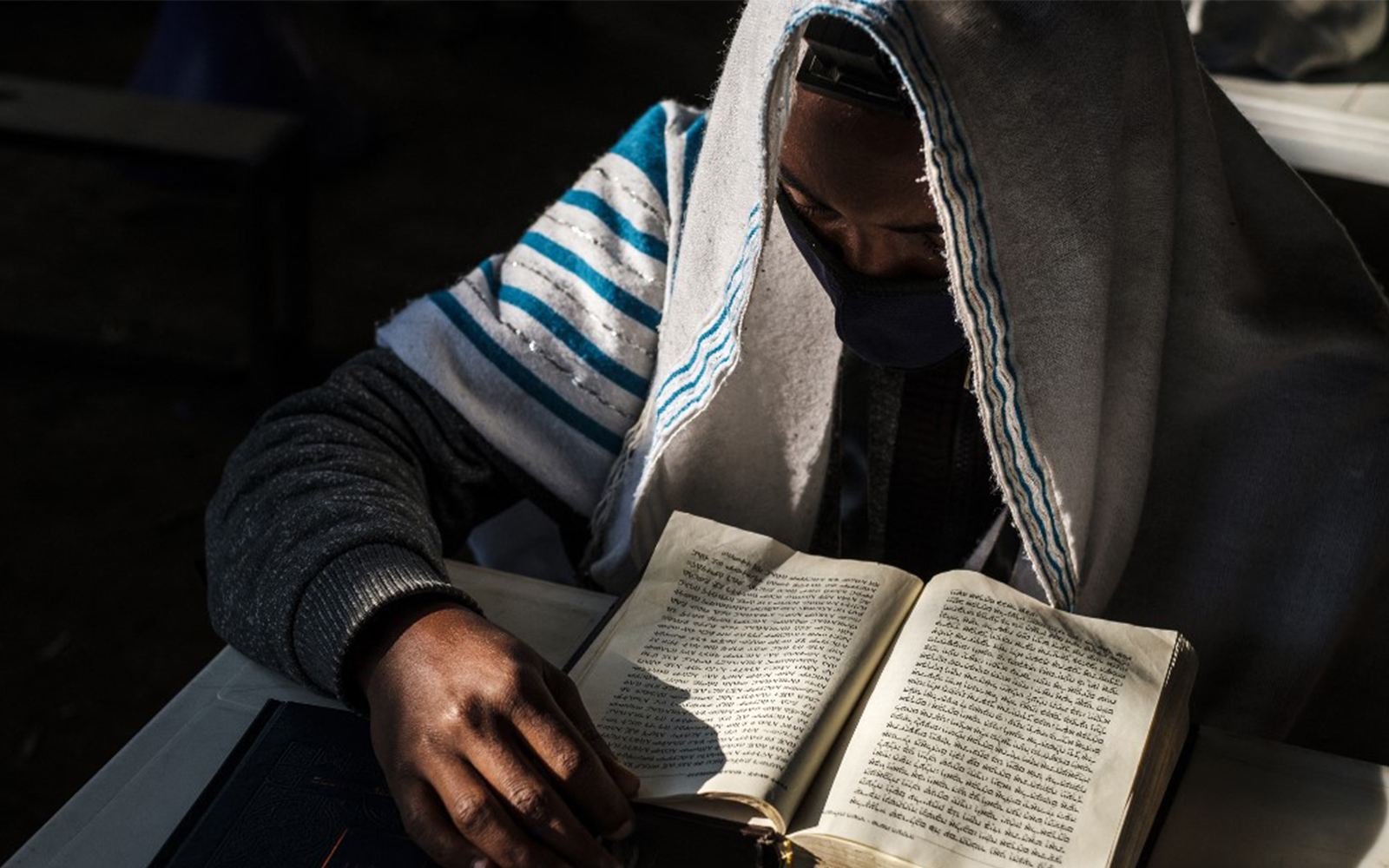
GONDAR, Ethiopia (AFP) — The hillside Jewish cemetery in northern Ethiopia was never supposed to get so big.
The thousands of Ethiopian Jews buried there had hoped to die in Israel, but steep hurdles foiled their plans to immigrate.
“I hope Israel takes some responsibility before all of us die here,” Sitotaw Alene, 49, told AFP during a recent visit to the cemetery in the city of Gondar where his sister is buried.
“We are falling like leaves,” he added.
A recent operation between December and March, in which 2,000 Ethiopian Jews were flown to Israel, was a rare bit of good news for the community.
But it was a mere fraction of those who want to immigrate, or make aliyah, and there are no immediate plans to accommodate the rest.
Sitotaw is adamant Israeli authorities must move quickly, before it is too late for him and his community.
“What concerns me is this cemetery is almost full,” he said, pointing to spots where blue-and-white headstones bearing the Star of David encroach on nearby wheatfields.
Before long “we won’t even have a burial place for ourselves.”
Left behind
The bulk of Ethiopia’s Jewish community moved to Israel in the 1980s and early 1990s.
Some were whisked over on secret flights from refugee camps in neighboring Sudan — an audacious mission dramatized in the 2019 Netflix film “The Red Sea Diving Resort” — while nearly 15,000 were involved in the 1991 airlift known as “Operation Solomon.”
Those left behind are sometimes referred to as “Falash Mura,” a term meaning “wanderers” that highlights their status as descendants of Jews who converted to Christianity — many under duress — in the 18th and 19th centuries.
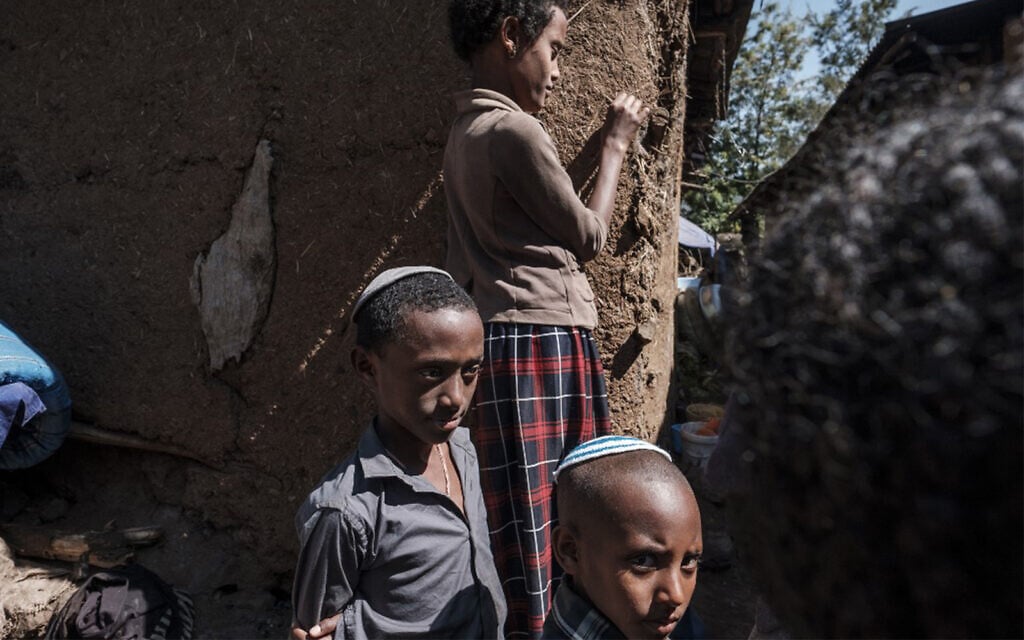
They identify as Jewish today but are not recognized by rabbinical authorities and do not immigrate under the Law of Return guaranteeing Israeli citizenship to all Jews.
Instead, their flights are organized under family reunification rules, and all claimants need to have a parent in Israel already.
Israeli authorities have been working off a waiting list of 8,000 prospective immigrants.
Ethiopian Jewish leaders, though, say the real number is much higher: More than 10,000 in Gondar alone and roughly 3,800 in the capital, Addis Ababa.
Life ‘close to death’
In Gondar, Ethiopian Jews live in cramped structures of packed earth and corrugated metal, surviving on remittances and what little they earn as cleaners and day laborers.
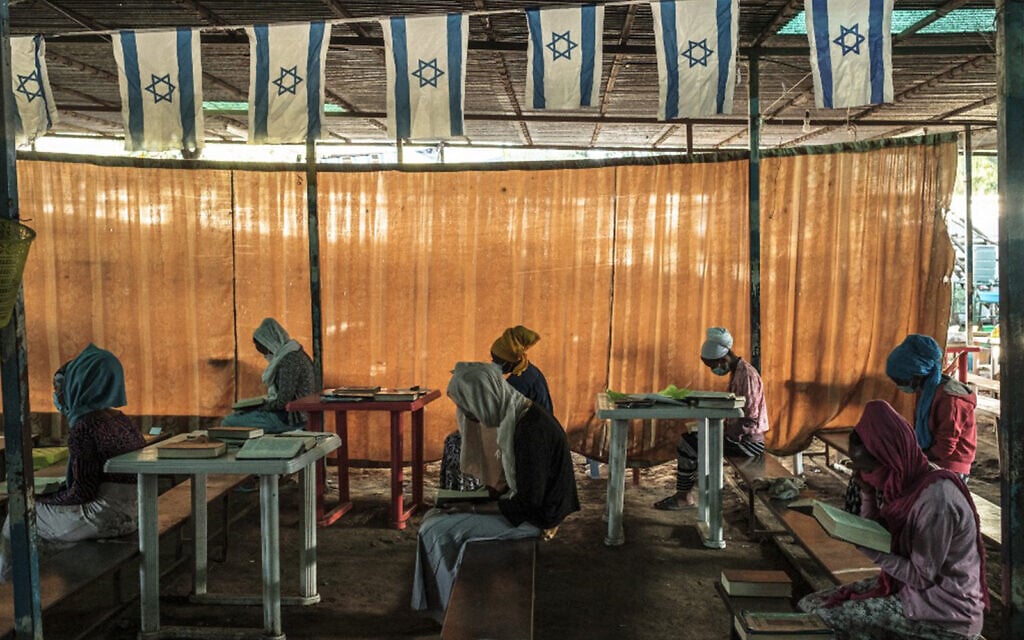
Life revolves around the Hatikvah Synagogue, which offers food packages for young children, free medical care and a library where students study Hebrew.
But while these services might suggest the community is settling in, its members remain set on leaving as soon as they can.
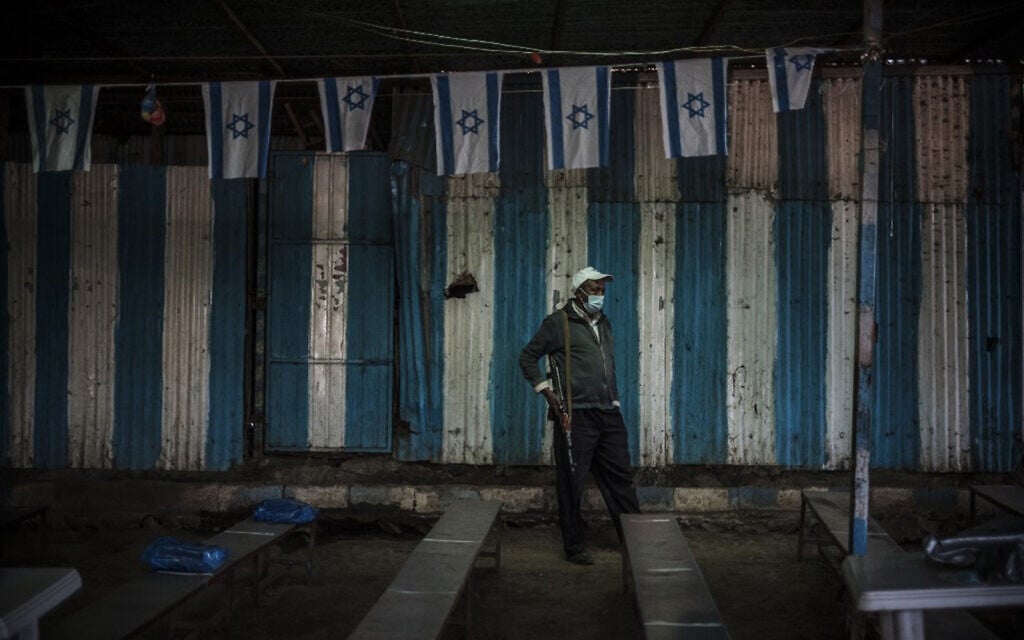
Inside the compound’s entrance, famous lines from Psalm 137 are written on a wall in Amharic and Hebrew: “If I forget thee, O Jerusalem, may my right hand forget its skill.”
Nigist Abege, 46, insisted she “won’t miss anything” about Ethiopia if she is one day permitted to reunite with her parents, who are already in Israel.
“My only wish is to see my family,” she said.
Most of the community in Ethiopia’s Amhara region has been relatively unscathed by the ongoing war in the neighboring Tigray region.
However, Girmaw Gete, who joined the Amhara special forces to prepare for service in the Israeli military, was sent to Tigray last November to back up the federal army, and died in battle.
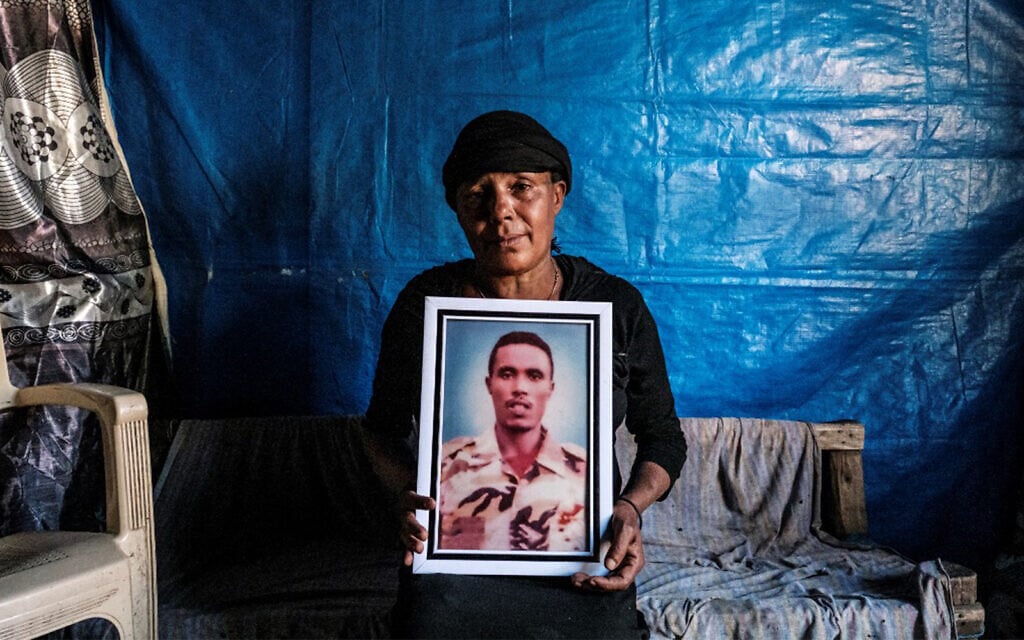
Now his mother, Azanu Girma, can only think about what might have been had the family’s bid to reach Israel been processed sooner.
“What can we do? What will bring my child back?” Azanu, wearing all black, told AFP through tears.
Culture shock
For those who end up making the move, life in Israel presents its own challenges.
Members of the 140,000-strong Ethiopian-Israeli community have decried racial discrimination by Israel’s police.
Nigussie Alemu, who organizes programming at Hatikvah Synagogue, knows full well the struggles Ethiopians encounter in Israel, having worked there as a teacher.
He stressed that education can help Ethiopians overcome the inevitable “culture shock.”
Reports of racism aside, Ethiopian Jews in Gondar focus on the positives.
“When I went there I felt like I was born again,” said Ayele Andebet, a 23-year-old who spent six months at a yeshiva in Israel and hopes to return permanently one day.
“It was very difficult to leave, but because of God’s will I am back here waiting.”




The Times of Israel Community.