

Likud threatens legal action against initiative to bring Israelis abroad back to vote
Netanyahu’s party claims organization is operating illegally and in contradiction to party financing laws; AID Coalition responds that is non-partisan, not providing funding
 Add ToI as a Preferred Source on Google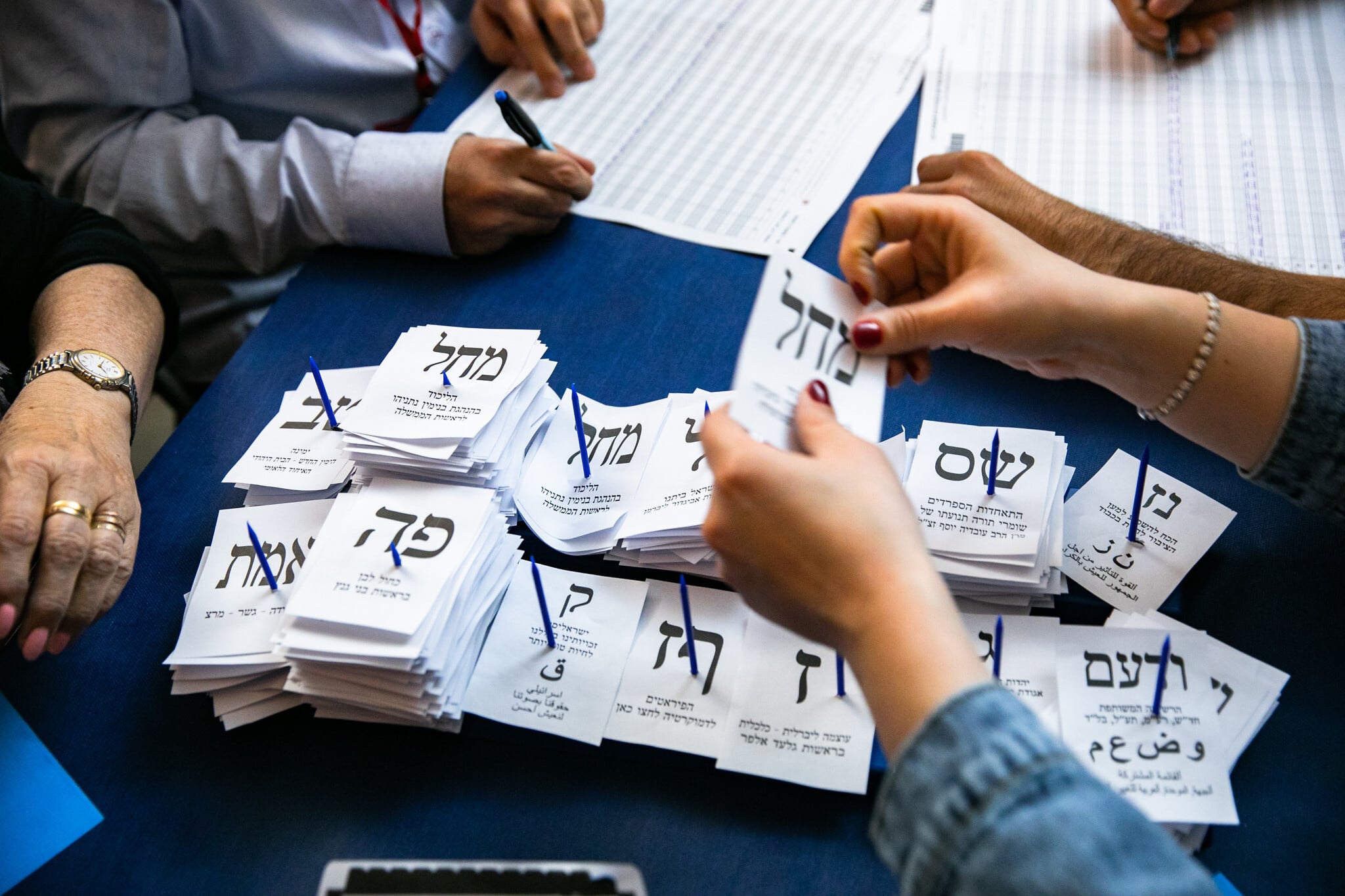
Prime Minister Benjamin Netanyahu’s Likud party threatened legal action Sunday against an initiative seeking to bring Israeli citizens back from abroad in order to vote in the October 27 national election.
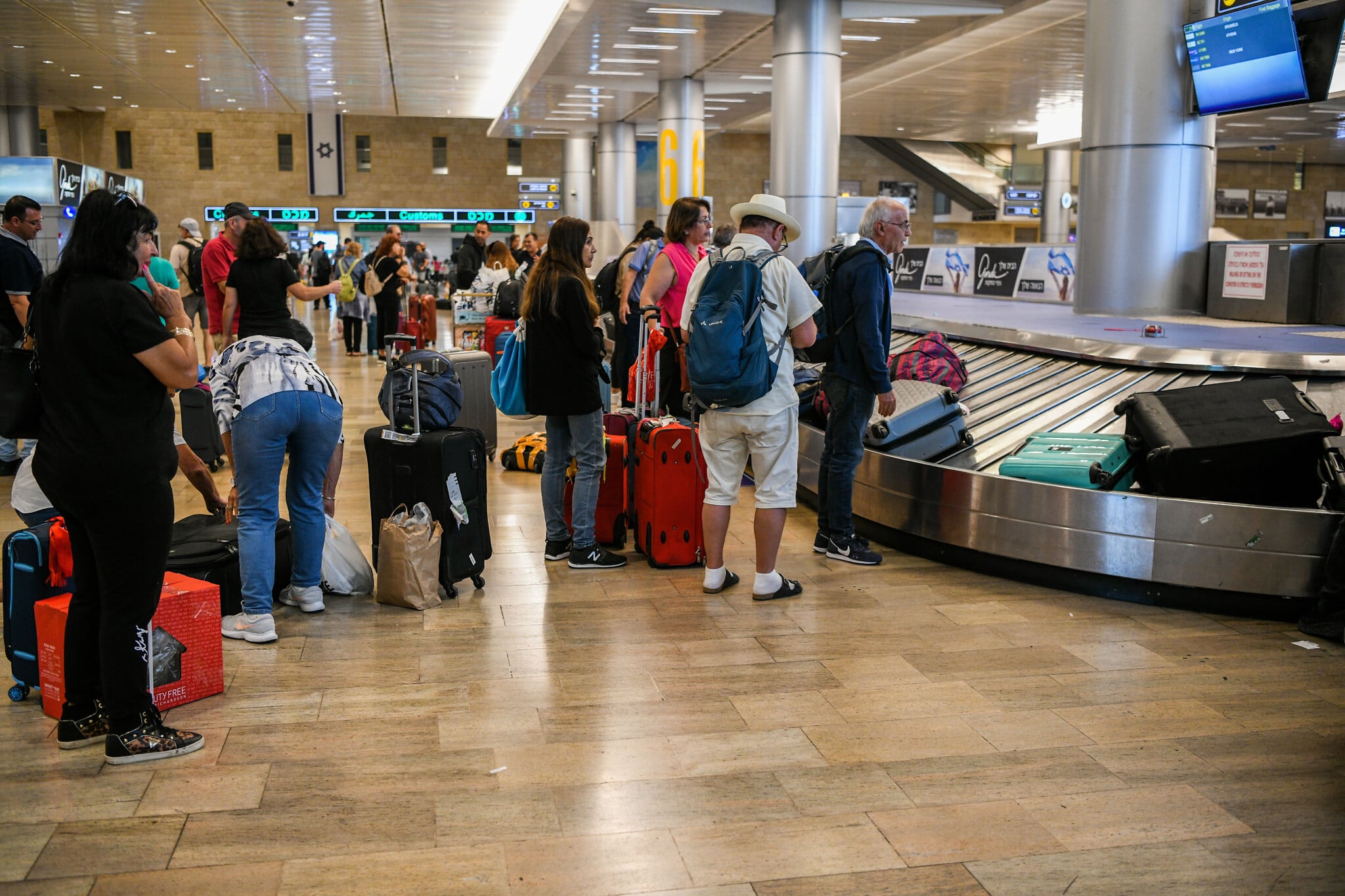
Israel does not have absentee voting, with the exception of diplomats and emissaries posted around the world. But returning citizens can vote as long as they are in the country and registered.
The AID Coalition organization is running an initiative called “Fly and Vote” aiming to help coordinate travel for Israelis looking to return for the election.
On Sunday, the Likud party sent a letter threatening to appeal against the organization to the Central Elections Committee, accusing it of operating illegally and in contradiction to the laws surrounding party financing. The move appeared to be due to a belief that many of those who wished to return would vote for opposition parties.
However, the organization asserted that it was non-partisan, “does not endorse any candidate or party,” and that it does not cover any travel costs.
Read more: Ballot battlefield takes shape as sides tussle over voters homebound and homeward bound
According to a May report in Haaretz, published before the election was formally called, the AID Coalition said it would help Israelis find flights, but that the passengers would pay the full fare themselves.
The report said that the organization was also considering plans for returning voters to land at alternative airports if Israeli airspace were to be closed due to war.
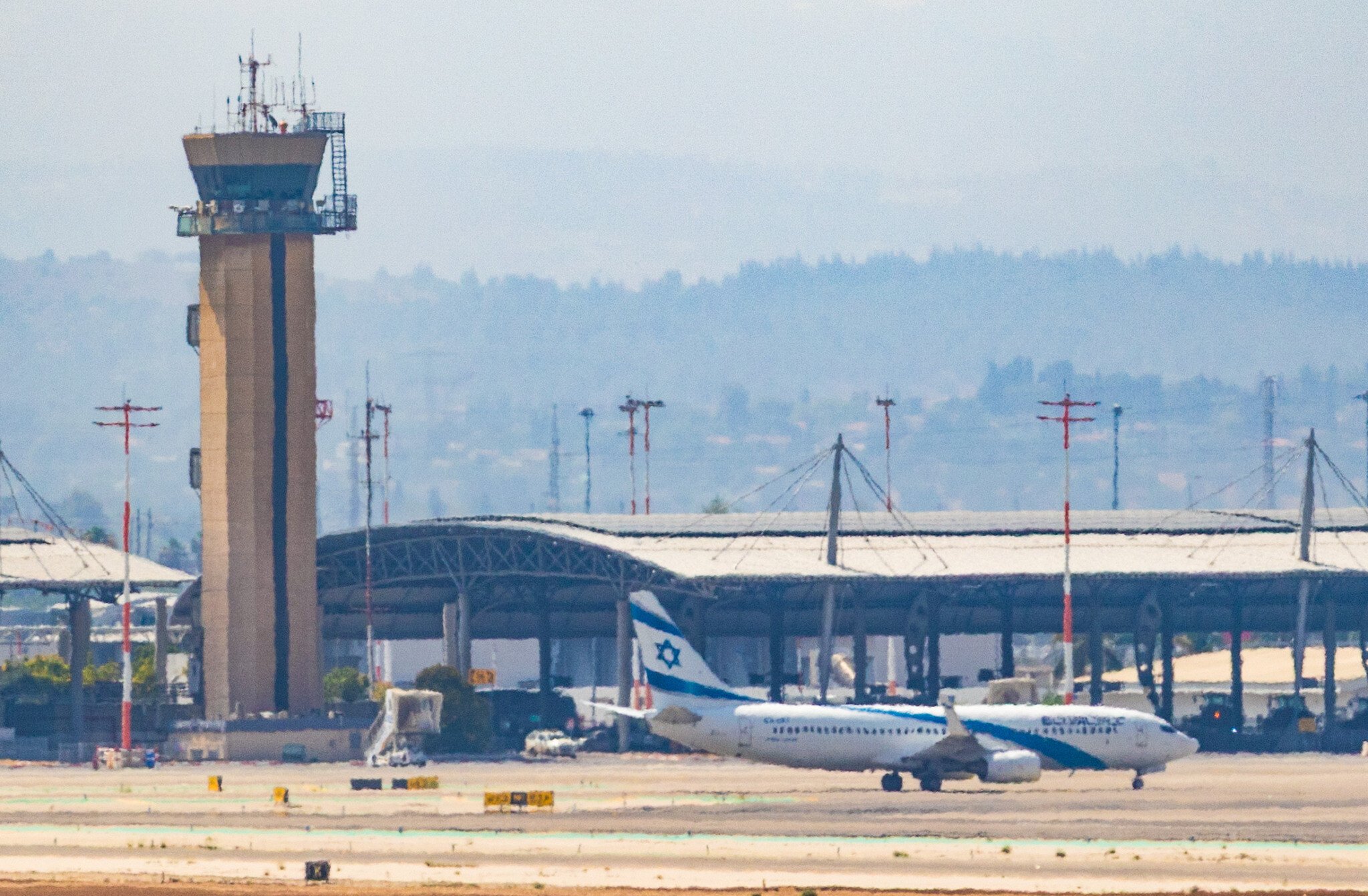
Last month, Haaretz reported that senior officials in the office of Transportation Minister Miri Regev, a member of the Likud party and a prominent ally of Netanyahu, were discussing ways to limit the number of flights coming into Ben Gurion Airport in the days leading up to the October 27 election in order to thwart the arrival of voters for parties opposed to the premier.
The reported effort comes against the backdrop of several initiatives working to help Israelis fly in for the election. Regev’s associates were said to believe that those seeking to return could number in the tens of thousands.
Ideas discussed have included preventing charter flights from landing at Ben Gurion — or at least limiting the number of them, two senior sources said.
The politically motivated conversations have disturbed Transportation Ministry bureaucrats, a source closely familiar with the matter told Haaretz at the time.

Regev’s associates also noted the continued presence of US military refueling planes at Ben Gurion Airport, which have taken parking spots away from other planes.
While Israel has managed to limit the number of planes, they may well still be parked at Ben Gurion Airport in October, given that US President Donald Trump could authorize further strikes against Iran.
Parking spots are prioritized for Israeli airlines, followed by foreign airlines and only then charter flights, which are expected to be the main method of transportation used by those seeking to help Israelis fly back for the election.
The Transportation Ministry did not respond to Haaretz’s request for comment on the matter.
There have been no reports since then on whether such a plan is in motion.
Also last month, Likud appealed to the Central Elections Committee and asked them to examine whether there should be a prohibition on voters from abroad being hosted for free in people’s homes.
In response, the body said that authorities should be contacted if there was a suspicion of a criminal offense.
In June, Netanyahu’s coalition controversially prevented the continued placement of polling booths in retirement or assisted-living facilities — a policy first enacted during the 2021 Knesset election because of the COVID-19 pandemic, and then repeated in the 2022 vote.
Critics alleged that the move was aimed at suppressing ballots from older voters, who are seen as more likely to support opposition parties.
The High Court of Justice has been hearing petitions against the move.









The Times of Israel Community.