

 From the Liveblog of
Monday, March 30, 2026
From the Liveblog of
Monday, March 30, 2026
Trump insists killing of Iran’s leaders ‘truly is regime change’
 Add ToI as a Preferred Source on Google
Jacob Magid is The Times of Israel's US bureau chief
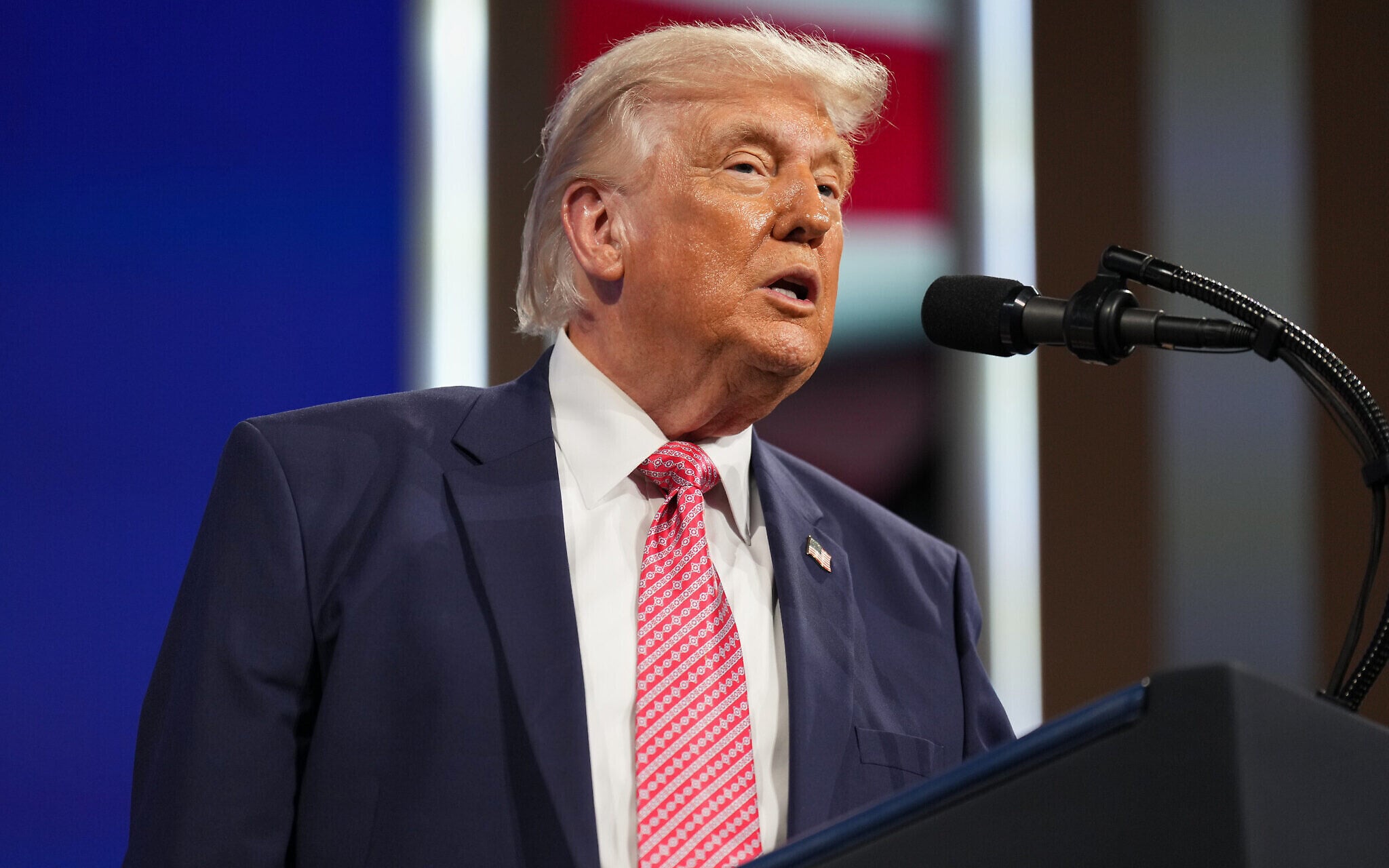
US President Donald Trump says that the strikes against the top leadership of the Islamic Republic effectively amount to regime change, repeating a contention he first expressed upon announcing talks to end the war with Iran.
The broader Islamic Republic regime has not, in fact, fallen, but Trump is apparently trying to frame the decapitation of Supreme Leader Ali Khamenei and dozens of other top officials as tantamount to the collapse of the old government.
“The one regime was decimated, destroyed, they’re all dead. The next regime is mostly dead, and the third regime — we’re dealing with different people than anybody’s dealt with before… and frankly, they’ve been very reasonable,” Trump tells reporters aboard Air Force One.
The US has been seeking to work with Iran’s parliament speaker Mohammad Bagher Ghalibaf, but he is closely tied to the Islamic Revolutionary Guard Corps and most analysts view him as no less hardline than those who were unwilling to accept US demands to date.
“It truly is regime change… you can’t do much better than that,” Trump claims.
As for Mojtaba Khamenei, Ali Khamenei’s son, whom Iranian clerics selected to replace his father as supreme leader, Trump reiterates that he has been incommunicado. “He may be alive, but he’s obviously very seriously… wounded.”
The younger Khamenei wwas thought to be wounded in strikes on the first day of the war, when his father and other officials were killed.
Asked about a potential ground operation against Iran, Trump remains non-committal.
He insists the war is “weeks” ahead of schedule, even though the White House on Thursday again stood by its timeline of four to six weeks to wrap up a war that crossed the four-week mark on Saturday.
Trump is also pressed on whether he’s satisfied with Director of National Intelligence Tulsi Gabbard, who avoided stating that Iran posed an imminent threat before the war, instead telling US lawmakers in congressional testimony that only the US president could make that determination.
“She’s a little bit different in her thought process than me. I would say I’m very strong on the fact that I don’t want Iran to have a nuclear weapon… I think she’s probably a little bit softer on that issue, but that’s okay,” Trump says.
Asked about Iran reportedly imposing tolls on ships crossing through the Strait of Hormuz, Trump responds, “I have to find out if that’s true.”
“We could close [the Strait of Hormuz] up in two minutes,” he warns.
He goes on to insist, without proof, that Gulf states are fighting back against Iran.
Public reporting has shown that the Gulf countries’ responses to Iran attacks on their territory have been limited to defensive measures aimed at intercepting drones and missiles.






The Times of Israel Community.