

 From the Liveblog of
Thursday, June 18, 2026
From the Liveblog of
Thursday, June 18, 2026
Vance says he intends to go to Switzerland to meet Iranians but plans aren’t final yet
 Add ToI as a Preferred Source on Google
Jacob Magid is The Times of Israel's US bureau chief
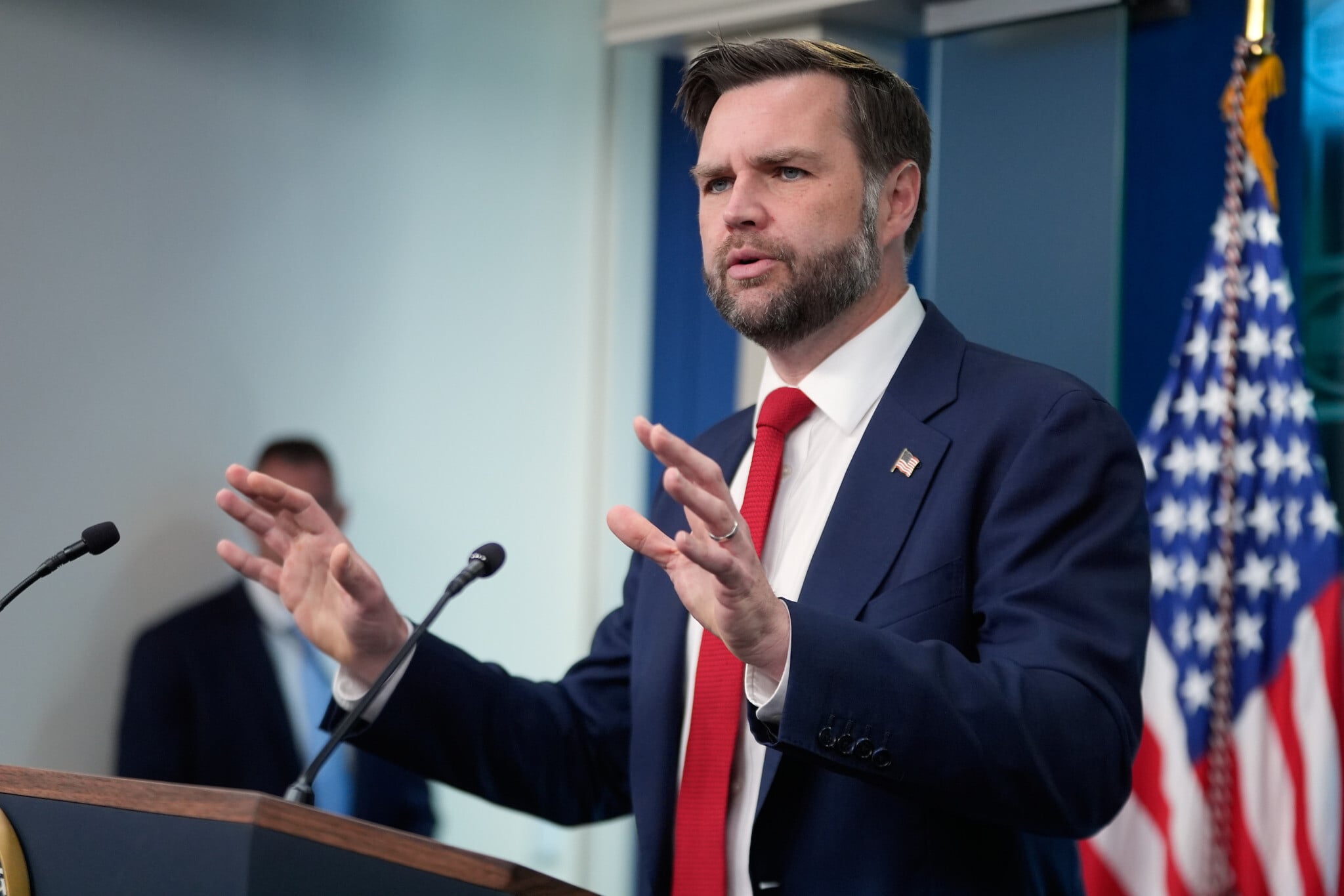
US Vice President JD Vance says he still plans to travel to Switzerland for talks with Iran and expects to make the trip over the weekend, but that the meeting has not yet been finalized.
The sides were initially slated to hold a signing ceremony on Friday, but that was scrapped after the deal was signed separately by each country on Wednesday. The memorandum of understanding launched 60 days of talks on Iran’s nuclear program and other outstanding disputes, with Vance saying at a White House press conference that the clock on that began on Thursday.
Some officials have suggested that the first round of talks would be held on Friday, with others predicting an unspecified time over the weekend.
Vance says it’s difficult for Iranian officials to get out of Iran, suggesting that the meeting may take more time to get together.
The vice president appears to differentiate between technical talks and ones led by senior politicians — the latter of which he plans to attend. He says he still plans to go to Switzerland this weekend but that that could change.
Vance spends much of the press conference making the case for the MOU he helped negotiate. He says the US was in a position to accept it because Iran’s nuclear facilities and conventional military have been destroyed and that “their capacity to threaten their neighbors is still largely gone.”
The latter point appears to refer to Iran’s missile program, which the US had began the war pledging to completely destroy but is now arguing should be allowed to exist in some scope as a means of “self-defense” for Iran.
“I’ve seen skeptics of the deal. People say the Iranians will never change their behavior. Maybe that’s true, and if so, they don’t get any of the benefits of the bargain. But isn’t it worth trying?” Vance asks.
Vance claims that the war against Iran caused major divisions in the Islamic Republic and that the “pragmatists within the Iranian system — the people who really do want to transform their relationship with the Middle East and with the world — are winning the argument.”
To back up his point, Vance reiterates that the Gulf states have embraced this deal, contrasting that with what he claims was their disdain for the 2015 nuclear deal inked by former US president Barack Obama.
Except then, too, the Gulf states embraced that agreement, not wanting to pick a fight with a superpower — a similar strategy they seem to be adopting now, even while there may be great private consternation with the way that the US conducted a war in which they found themselves as Iran’s main target.






The Times of Israel Community.